Home Blog Page 121

Nineteen million Iranians live in unsafe housing

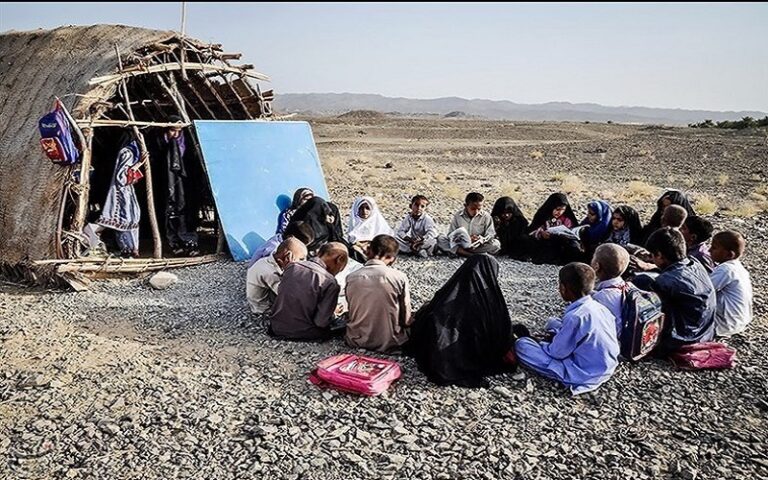
According to the state-run ILNA news agency, Abdolreza Golpayegani, the CEO of the “Urban Regeneration” company, emphasized that approximately 19 million people live in unsafe and unstable buildings. These structures cover an area of about 10,000 hectares.

Golpayegani stated that these buildings are primarily located in deteriorated urban areas and informal settlements.

According to him, these housing units lack stable structures, and even an earthquake of 4 to 5 magnitude could cause their collapse.

Golpayegani explained that one of the criteria for classifying a building as deteriorated is the absence of a visible structure. According to the Statistical Center of Iran, if a building’s skeleton is visible, it is considered safe. However, many of these unstable buildings entirely lack any resistant framework.

This urban planning expert pointed to the failure of renovation policies and stated: “According to the law, 100,000 units in deteriorated areas should be renovated annually, but so far, less than 2% of the allocated financial aid has been distributed.”

He also highlighted the widespread presence of deteriorated buildings, saying: “Currently, 5.7 million housing units are located in these areas, of which 2.7 million urgently require renovation and reinforcement.”

Golpayegani considered the reorganization of these areas a key priority for the government and emphasized that urban infrastructure in deteriorated areas must reach the standard levels of other city districts.

Despite the Iranian regime’s financial constraints and delays in implementing renovation policies, the risks of earthquakes and other disasters remain serious for millions in the country. Ebrahim Raisi, the former Iranian regime president who died in a helicopter crash, had promised to build one million new housing units annually—a promise that was never fulfilled.


Tehran merchants shut down their shops and protested rising prices

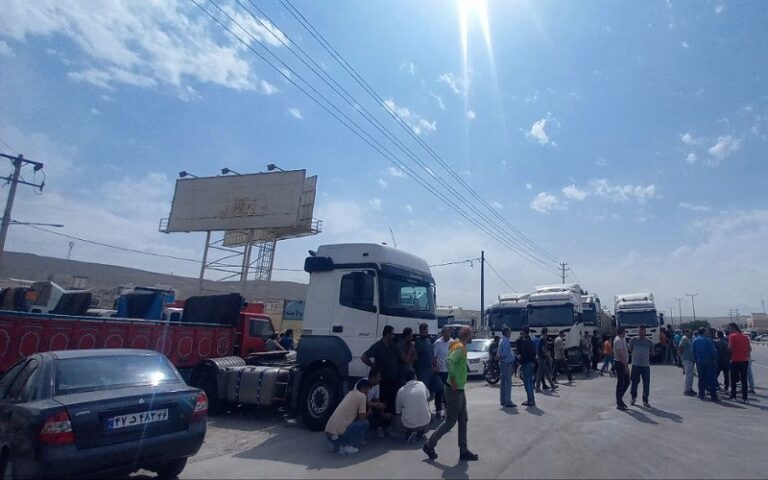
Major food distributors in Tehran’s Molavi Bazaar, Southern Khayyam, and Qiyam Square shut down their shops and staged protests against rising prices, the increase in the dollar exchange rate, inflation, and high taxes.

According to images and videos shared on social media, Tehran merchants closed their shops and gathered in protest on February 4 against the rising dollar exchange rate, soaring prices, and high taxes.

Videos circulating on social media show major food distributors holding banners with slogans such as “Value-added tax on food items must be abolished.”

Tehran merchants shut down their shops and protested rising prices

In recent days, as prices have continued to rise and food costs have remained high in Iran, many citizens have voiced their protests against the new wave of inflation.

As prices continue to soar and new records are set in Iran’s currency and gold markets, on Tuesday, February 4, the price of a new-design gold coin exceeded 630 million rials (approximately $750). On January 25, the selling price of the same coin had reached 612 million rials (around $728.5).

Protests in Iran: A New Wave of Popular Anger Threatens the Stability of the Regime

Since the beginning of Donald Trump’s administration in the United States, the price of gold coins in Iran has increased by approximately 70 million rials.

Amid growing protests by various social groups and concerns expressed by Iranian regime officials, Valiollah Bayati, spokesman for the Parliamentary Commission on Internal Affairs and Councils, announced the approval of a ban on demonstrations and rallies in “sensitive and security-related locations.”

At the same time, on February 3, regime officials held an emergency meeting at the presidential institution, attended by the heads of the three branches of government.

The growing number of protest gatherings by workers, retirees, and pensioners has heightened the regime’s fears of escalating protests and the potential overthrow of the Iranian regime.


Iran Will Need to Hire Doctors from Abroad

0

Yaser Salehi, a member of the Iranian regime’s Medical Organization, warned about the ongoing trend of migration, career changes, and suicides among healthcare workers in the country, stating that it is not unlikely that Iran will one day have to import doctors.

On Friday, January 31, in an interview with the state-affiliated news outlet Khabar Online, Salehi discussed the declining interest among doctors in entering medical residency and specialization programs. He stated that in 2024, out of 5,400 available residency positions in Iran’s medical universities, 2,069 remained vacant and had to go through a second round of admissions.

He added that in the past three years, more than 30 doctors in Iran have committed suicide due to the pressures of their work.

Increase in the Migration of Doctors from Iran

This member of the Medical Organization noted that talented young people today are choosing fields that allow them to quickly secure admission and migrate abroad. He warned, “In the coming years, we will have specialists who were not the most capable doctors but still became specialists, and this is an alarming sign for public health.”

The migration of doctors and other healthcare workers in recent years has heightened concerns about the future of Iran’s healthcare system.

On January 3, Mostafa Moein, the head of the Ethics in Science and Technology Association, stated that only 16% of Iranians do not consider migrating. He also revealed that 53% of university professors, 40% of students, and 45% of doctors and nurses are inclined to leave the country.

No One Wants to Specialize in Anesthesiology and Emergency Medicine

In part of his interview with Khabar Online, Salehi stated that many residency positions in anesthesiology and emergency medicine remain unfilled, as no one is willing to specialize in these fields.

This member of the Medical Organization pointed out that in Iran, some operating rooms conduct surgeries without an anesthesiology specialist present. He also revealed that many emergency departments across the country lack emergency medicine specialists.

He added that similar concerns exist regarding other core specialties such as internal medicine, pediatrics, general surgery, and obstetrics and gynecology, as there is little interest in these fields.

Salehi warned that “it is not unlikely that one day we will have to import doctors” and stated that the only reason this has not happened yet is that the existing specialists are working at full capacity.

On November 8, 2024, Mohammad Raeeszadeh, the head of the Iranian regime’s Medical Organization, highlighted the severe shortage of medical specialists in certain fields. He stated that 40% of general practitioners in Iran are engaged in jobs unrelated to medicine and that some residency seats, including those in anesthesiology, remain vacant.

On November 1, 2024, Abolhassan Mostafavi, a member of the regime’s parliamentary Education and Research Commission, warned about the crisis of doctor migration and stated that the country is suffering from a shortage of 12,000 physicians.

High Suicide Rate Among Doctors

In another part of his interview, Salehi stated that not only are new individuals not entering medical specialties, but existing specialists are also leaving the profession.

He explained that some medical specialists have left their profession to pursue other careers and emphasized that doctors are leaving the country to places where they feel valued.

He added, “We have doctors who, under extreme work pressure and hardship, have ‘migrated from life’ and committed suicide. Unfortunately, in the past three years, more than 30 of our colleagues have taken their own lives.”


Iran: Behrouz Ehsani Said; I Have Never Bargained Over My Life with Anyone

On Saturday, February 1, a demonstration was held in Paris in front of the Panthéon, the mausoleum of French luminaries, in support of six French hostages who are being detained by the Iranian regime.

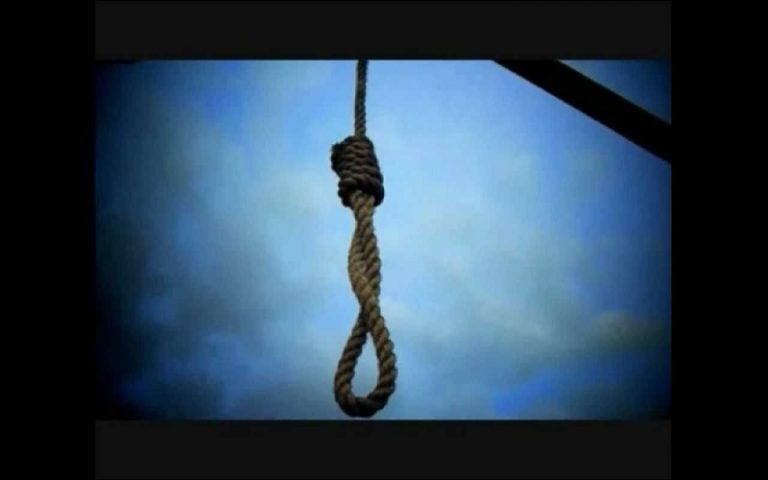
Iranian Regime Sentences Two Political Prisoners to Death

Louis Arnaud, a former French hostage who was released on June 12, 2024, after two years in Iranian regime custody, spoke at the demonstration about his experiences in the Iranian regime’s prisons and his time sharing a cell with political prisoner Behrouz Ehsani, who has been sentenced to death. He said: “I saw people imprisoned and shackled. People who were taken to the gallows to create fear and silence consciences. Today, it is the turn of Mehdi Hassani and Behrouz Ehsani, who are at risk of execution. I met Behrouz in Ward 209. At that time, he was my only friend, but above all, he was a rare example of integrity, courage, and honor. He never lowered his head. (He told them): ‘Aren’t you ashamed? It’s easy to play the oppressor when you have someone in your grasp, but with this behavior, you disgrace all of humanity.’

“Before they took him away, Behrouz declared: ‘I have never bargained over my life with anyone, and I am ready to sacrifice my small existence for the freedom of the Iranian people.’ Let us hear this lesson in courage and together demand the annulment of this criminal sentence.

“How many more must die or have their lives destroyed for their beliefs? I call on Europe to unite against these inhumane acts and no longer allow itself to be taken hostage.”

Behrouz Ehsani and Mehdi Hassani were transferred to Ghezel Hesar Prison last week for the execution of their death sentences. However, under international pressure, the Iranian regime has temporarily refrained from carrying out the executions. They are supporters of the People’s Mojahedin Organization of Iran (PMOI/MEK) who have been sentenced to death.


The Rise in Food Prices in Iran Exacerbates Household Economic Hardships

The Statistical Center of Iran has reported a sharp increase in food prices, with more than one-third of essential commodities experiencing price hikes ranging between 40% and 103% in January 2025 compared to the previous year. The highest increases were recorded in legumes and fruits, deepening concerns over inflation and the growing food security crisis in the country.

According to the latest report from the Statistical Center of Iran, the prices of many essential food items, including bread, grains, meat, dairy products, vegetables, and legumes, have soared to unprecedented levels. Some products have recorded double-digit price hikes, with eggplant rising by 40.6%, potatoes by more than 20%, and pasteurized butter witnessing a significant increase.

Price Of Food In Iran Almost Tripled In Three Years

In the fruit and dried fruit category, pomegranates saw the highest price increase at 11.1%, followed by bananas (3.7%) and apples (3.6%) compared to the previous month. In contrast, some fruits experienced slight price declines, with melons dropping by 9.6% and oranges by 4.6%.

The Rice Market Crisis: Monopoly and Policy Failures

The surge in rice prices remains one of the most alarming economic issues. The head of the Food Wholesalers Union revealed that Iranian rice prices have risen by 45% over the past year, with the price of one kilogram increasing from one million rials to 1.45 million rials.

He attributed this surge to government policies that forced importers to purchase one kilogram of Iranian rice for every two kilograms of imported rice. This measure enabled major importers to dominate the market by securing exclusive contracts with farmers from the beginning of the planting season, allowing them to control prices in the markets.

Additionally, the removal of the subsidized NIMA exchange rate has further driven up the prices of imported rice. According to industry sources, two months ago, one kilogram of imported rice was sold at 470,000 rials in wholesale markets, while consumers purchased it for 500,000 rials. However, current wholesale prices have surged to between 500,000 and 750,000 tomans, reflecting a significant increase in import costs and their impact on consumers.

Dairy Products Turning into a Luxury Item

The continuous rise in dairy prices has forced many Iranian families to reduce or completely eliminate these products from their diets. Ali Ehsan Zafari, the chairman of the Dairy Products Union, stated that rising prices have led to a decline in demand, causing a slowdown in the dairy industry and reduced production.

According to a report by the state-run ISNA news agency, dairy prices have sharply increased several times in the past three months. The Statistical Center of Iran estimates inflation in dairy products between 27% and 43%, making them less accessible for low-income families, further deteriorating the nutritional quality of many Iranians’ diets.

Rising Cost of Living and Household Struggles

Economic reports indicate that as of January 2025, food expenses for a four-member household account for approximately 58% of the minimum wage, reflecting severe financial pressures on Iranian families, as inflation continues to weaken their purchasing power.

Economic experts warn that the continuous rise in food prices will further burden households, making it increasingly difficult to secure essential goods, especially amid the ongoing severe inflation wave in the markets. Market fluctuations are expected to intensify in the coming months, exacerbating the economic distress of families.

Under these circumstances, securing basic food supplies has become one of the biggest daily challenges for Iranian citizens, as living standards continue to decline and economic deterioration creates an increasingly difficult reality for households.

43% of Iran’s Wetlands at Risk of Drying Up

Shina Ansari, the head of Iran’s Department of Environment warned on Thursday, January 30, about the critical state of the country’s environment, stating that 43% of Iran’s wetlands are at risk of drying up and have turned into dust storm hotspots.

According to the state-run Didbaniran website, during her visit to Isfahan province, Ansari stated that industries and agriculture have expanded in the Zayandeh Rud watershed and other regions with high water consumption, despite Iran facing a severe water shortage crisis.

She explained that due to decades of neglect toward environmental issues, Iran is now in a critical situation. This problem is evident not only in Isfahan but across all 31 provinces of the country, except for Gilan.

The head of the Department of Environment also noted that Kerman province and the Rafsanjan plain experience the highest levels of land subsidence. In terms of land area, Khorasan Razavi is the most affected province, while Isfahan ranks highest in terms of subsidence affecting residential and urban areas.

Last year, the state-affiliated news agency Tasnim warned about the consequences of wetland desiccation, stating: “The failure to allocate environmental water rights and the drying up of wetlands occur despite the Comprehensive Water Law, which mandates that environmental water rights should be prioritized after drinking and sanitation needs and before agriculture and industry. However, in practice, this law is not enforced.”

Masoud Bagherzadeh Karimi, Deputy for Wetlands and National Parks at the Department of Environment, also stated on August 2, 2024: “Human interference is the main cause of wetland drying, and drought is an additional factor.”

According to this report, the destruction of wetlands and the government’s disregard for their role in the ecosystem are occurring despite Iran being, in a way, the founder of World Wetlands Day.

With the signing of the “Ramsar Convention” on February 2, 1971, in the city of Ramsar, the oldest international treaty focused on wetland conservation and biodiversity protection was established, with Iran playing a central role.

Wetlands play a crucial role in oxygen production, water storage, water purification, carbon sequestration and storage, nutrient production, and soil stabilization.

In a report published in March of this year, the World Resources Institute identified Iran as one of the 25 countries facing the most severe water scarcity and stress, attributing it to “decades of poor water management and unsustainable water use for agriculture.”

Rising Suicide Rates Among Medical Students in Iran

The state-run Didbaniran website reported on Thursday, January 30, that following “several recorded cases of suicide among medical students,” a special committee has been formed at the request of the Deputy Minister of Education at the Ministry of Health, Treatment, and Medical Education to investigate the causes of these suicides.

The website did not specify when these “several cases of suicide” occurred but stated that with the formation of this committee, the presidents of medical universities and their academic deputies are required to take necessary, continuous, and close measures to prevent suicides among students and medical residents.

According to Didbaniran, experts in this field have considered the implementation of this directive “an effective step in reducing psychological pressure and improving the educational and academic conditions of medical students and residents.”

This comes as similar committees or task forces have been formed in the past for other issues, but they have not been particularly effective.

The suicides of medical residents have repeatedly made headlines in recent years, but Iranian media have often covered them superficially with phrases like “sudden death” or “self-imposed end of life.” However, the few reports that have been published indicate a critical situation in this sector, one severe enough to compel the Ministry of Health to establish a “special committee.”

In July 2024, the state-run website Khabar Online described the suicide rate among medical residents as “in a critical state” and wrote: “The rise in these suicides, alongside officials’ neglect of medical residents’ conditions, low wages despite heavy responsibilities, and work pressure beyond their capacity, has set off alarm bells in this field.”

In February 2024, the regime’s Deputy Minister of Education at the Ministry of Health had announced the establishment of the “Assistantship Charter Monitoring Committee” and claimed that the ministry had drafted guidelines specifying work hours, the number of shifts, and how long residents must stay at the hospital after their shifts.

Based on this, it seems that previous measures in this field have not been effective, and concerns persist. These concerns are highlighted by the remarks of Nima Shahriarpoor, an emergency medicine specialist at Baharloo Hospital in Tehran, in an interview with Khabar Online.

He stated: “The suicide crisis among medical residents is more serious and widespread than the general public might assume. This is not just speculation or estimation; it is based on a comprehensive study conducted by the Tehran University Medical Association, which found that in a group of 204 medical residents, more than 93 percent—188 individuals—suffered from ‘occupational burnout’ and harbored suicidal thoughts.”

The specialist further added that a task force from the Psychiatry Association, under the Iranian Medical Council, examined the mental health of 253 psychiatric residents and concluded that the psychological pressure on this group is far more severe than generally perceived.

According to Shahriarpoor, studies indicate that the suicide rate among medical professionals has increased by 3.1 to 5 times. Among the approximately 14,000 medical residents in Iran, an average of 13 suicides resulting in death occur annually.

Findings show that the suicide rate among male doctors has risen by 40 percent, while among female doctors, it has surged by 130 percent compared to the general population—an alarming and significant figure.

Previously, the spokesperson for the Iranian regime Medical Council acknowledged the rising suicide rates among medical professionals, attributing one of the causes to the “extremely high workload and the disproportionate salaries compared to the work performed.” He described these suicides as “multifaceted and multidimensional.”

In January 2024, the Iranian Psychiatric Association also expressed concern over the high suicide rate among medical residents, warning that the continuation of this trend could lead to the “collapse of the healthcare system.”

NCRI-US Reveals New Intelligence on Iran’s Nuclear Warhead Development

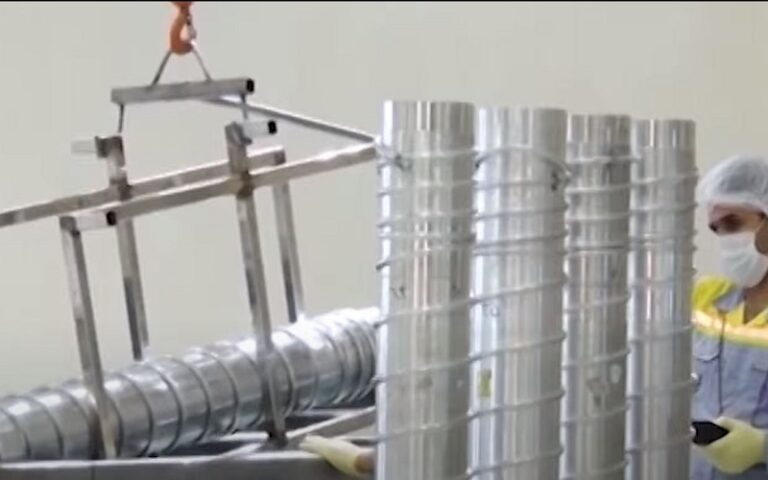
The National Council of Resistance of Iran-U.S. Representative Office (NCRI-US) held a press conference on January 31, unveiling new intelligence that Tehran is actively advancing its nuclear warhead development program. The revelations, based on intelligence from the Defense and Strategic Research Committee of the NCRI and reports from the People’s Mojahedin Organization of Iran (PMOI/MEK) network inside Iran, indicate that the Iranian regime is pursuing nuclear weapons in violation of international agreements.

Shahrud: A Key Site for Nuclear Warhead Development

The intelligence outlines how the Iranian regime is focusing on the development of nuclear warheads for solid-fuel missiles at the Shahrud missile site. This effort is spearheaded by the Organization for Advanced Defense Research (SPND), which oversees Iran’s nuclear weapons program.

Key details about the Shahrud site:

  • It is a highly restricted military zone under the control of the IRGC Aerospace Force.
  • Civilian access is strictly prohibited, and unauthorized personnel are arrested on sight.
  • It includes a missile testing site and launchpad disguised as a space program facility.
  • The primary missile designed for carrying nuclear warheads is the Ghaem-100, a solid-fuel, mobile missile based on a North Korean design.
  • The site is also developing an independent satellite communication system to track nuclear warheads.

Key Figures and Institutions Behind the Project

Several key officials and entities play a role in the nuclear warhead program:

  • Hassan Tehrani Moghaddam: The late IRGC Brigadier General who initiated the Ghaem missile project before his death in 2011.
  • Brigadier General Ali Jafarabadi: Successor to Moghaddam, currently leading the Ghaem-100 project.
  • Salman Farsi Space Command: A division of the IRGC Aerospace Force that supervises the nuclear-related activities at Shahrud.

Expansion of Nuclear Activities at Semnan Facility

The intelligence also exposes nuclear weapons-related activities at Iran’s Semnan facility, which operates under the SPND umbrella:

  • The site is ostensibly used for satellite launches but is heavily fortified and largely underground.
  • It has expanded from two facilities in 2005 to eight in recent years, all interconnected via underground tunnels.
  • The Simorgh missile, modeled after a North Korean design, is tested here under the pretense of a space program.
  • SPND’s Geophysics Group conducts high-explosive detonation tests, a key component of nuclear weapons development.

Key personnel involved in Semnan’s nuclear expansion:

  • Mohammad Javad Zaker
  • Hamed Aber
  • Farhad Moradiani Khosrowabad

To conceal these activities, Iran collaborates with institutions such as the International Institute of Earthquake Engineering and Seismology and various university geophysics departments.

SPND Expansion at Sorkhe Hesar

NCRI-US also detailed increased SPND activities at the Sorkhe Hesar site near Tehran, which was first revealed in 2020. Since then, operations have expanded significantly.

Iran’s Strategy to Deceive and Delay

A confidential internal memo obtained by NCRI-US reveals Tehran’s strategy to prolong nuclear negotiations while continuing its nuclear development. The Iranian regime is deliberately stalling talks with European nations and engaging in indirect discussions with the U.S. to maintain the status quo until the sunset clause in UN Security Resolution 2231 expires, lifting key restrictions.

NCRI-US Representative Soona Samsami warned that Iran has a history of using diplomatic negotiations as a cover to advance its nuclear weapons program. She cited former regime President Hassan Rouhani’s 2006 admission that Iran deceived European negotiators and former Atomic Energy Organization chief Ali Akbar Salehi’s 2019 remarks about misleading the International Atomic Energy Agency (IAEA).

Recommendations for the International Community

Given these findings, NCRI-US urged the global community to take immediate action:

  1. Reinstate UN Security Council resolutions against Iran through the snapback mechanism.
  2. Shut down all nuclear-related sites and grant the IAEA unrestricted access.
  3. Impose severe consequences for violations, as previous diplomatic engagements have emboldened Iran’s nuclear ambitions.

During the Q&A session, NCRI-US Deputy Director Alireza Jafarzadeh reiterated the urgency of confronting Tehran’s nuclear program before it reaches an irreversible stage. The briefing concluded with calls for decisive international action to prevent Iran from acquiring nuclear weapons.


Call for the Abolition of Death Sentences for Six Political Prisoners and the Halt of Imminent Executions

The Iran Human Rights Organization has called for the abolition of the death sentences of six political prisoners: Babak Alipour, Vahid Bani-Amarian, Pouya Ghobadi, Abolhassan Montazer, Ali Akbar Daneshvarkar, and Mohammad Taghavi.

On Thursday, January 30, the organization stated in a press release that these political prisoners had been sentenced to death by Branch 26 of the Tehran Revolutionary Court on charges of “rebellion” and “support for the People’s Mojahedin Organization of Iran (PMOI/MEK).”

According to the organization, the relatives of some of these political prisoners have reported that they were held in prolonged solitary confinement and subjected to “violent interrogations and torture.” They also stated that these prisoners were denied access to legal representation during the investigation process.

The human rights organization’s statement also highlights the imminent risk of execution for Behrouz Ehsani and Mehdi Hassani.

The Iran Human Rights Organization strongly condemned the issuance of death sentences for these political prisoners and urged the international community and countries maintaining diplomatic relations with the Iranian regime to take action for the immediate annulment of these sentences.

Amnesty International also issued an open letter on Monday, January 27, addressed to Gholamhossein Mohseni-Ejei, the head of the Iranian regime’s judiciary, calling for the annulment of the death sentences of the six political prisoners and their immediate release.

In this letter, Amnesty International referred to the death sentences issued by Branch 26 of the Tehran Revolutionary Court in the fall of this year against Abdolhassan Montazer, Akbar (Shahrokh) Daneshvarkar, Babak Alipour, Mohammad Taghavi Sangdehi, Pouya Ghobadi, and Vahid Bani-Amarian on charges of “rebellion” (Baghi). It described their arrests as arbitrary and a violation of their right to a fair trial.

Abdolhassan Montazer, 65, Akbar (Shahrokh) Daneshvarkar, 58, Babak Alipour, 33, Mohammad Taghavi Sangdehi, 58, Pouya Ghobadi, 31, and Vahid Bani-Amarian, 32, are among the prisoners convicted of “Baghi,” a legal term referring to armed rebellion or uprising against the government.

“Membership in the People’s Mojahedin Organization of Iran (PMOI/MEK)” is among the charges brought against these prisoners.

Meanwhile, human rights media outlets have reported that two other political prisoners in Iran, Behrouz Ehsani and Mehdi Hassani, have been transferred to the death row section of Ghezel Hesar Prison.

According to some reports, these two death-row prisoners were transferred on Thursday, January 30, from the “secure ward” of Ghezel Hesar Prison to “Hall 1, Ward 10, Unit 3,” where prisoners awaiting execution are held.

Iran: Confirmation of Death Sentences for Political Prisoners – 54 Political Prisoners on Death Row

Behrouz Ehsani and Mehdi Hassani had been abruptly transferred to the “secure ward” on January 26. However, a day later, their lawyers announced that the execution of their death sentences had been halted following the Supreme Court’s acceptance of their retrial request.

Behrouz Ehsani Eslamloo, a 70-year-old political prisoner, was arrested at his home in November 2022 during the height of nationwide protests and transferred to Ward 209 of Evin Prison, which is controlled by the Ministry of Intelligence.


Surge in Mazut Consumption in Iran Amid Rising Exports of Clean Fuels

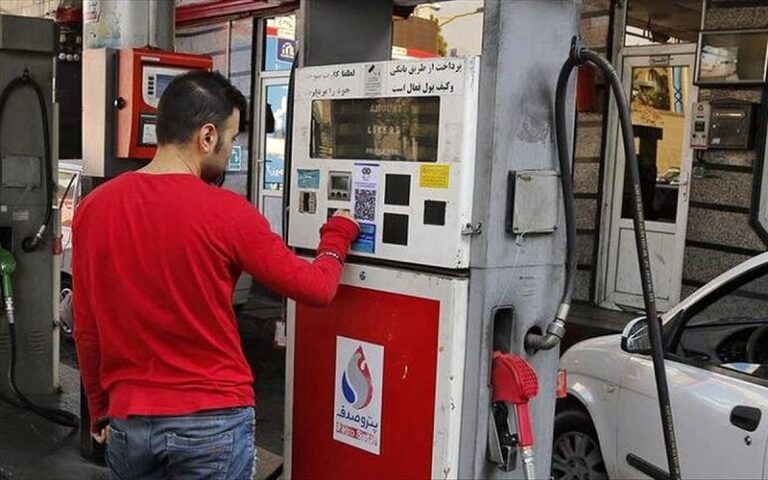
Official statistics in Iran, amid severe air pollution and energy shortages, indicate a surge in the export of relatively clean fuels and a sharp increase in domestic consumption of highly polluting fuel oil (“mazut”).

An official document from Iran’s Ministry of Petroleum reveals that mazut consumption in the country has surged by 52% over seven months, with a total of more than 5.5 billion liters consumed during this period.

It is not precisely clear how mazut consumption has been since October 22, 2024, but this fuel—considered the most polluting fossil fuel—is used at twice the rate in colder months due to gas shortages.

More importantly, according to the document, the government has significantly increased mazut consumption while simultaneously ramping up exports of cleaner fuels such as natural gas, liquefied petroleum gas (LPG), and kerosene, leading to a reduction in their domestic use.

Gas Supply Cut to 12 Petrochemical Complexes in Iran

Although the Iranian regime has not released any official data on gas exports—considered the cleanest fossil fuel—official statistics from Turkey indicate that its gas imports from Iran jumped by approximately 47% in the first ten months of 2024, reaching 5.8 billion cubic meters.

This volume of gas is equivalent to the total mazut consumption in Iran between March 20 and October 22, 2024.

Iran exports a similar amount of natural gas to Iraq as it does to Turkey, though no recent official statistics have been released on this matter.

Data from the Ministry of Petroleum’s document shows that, over the mentioned seven-month period, the production of liquefied petroleum gas (LPG) in Iranian refineries increased by 19%, while its domestic distribution dropped by 15%.

Thus, the export of liquefied petroleum gas (LPG) produced by Iran’s refineries increased by 68% between March 20 and October 22.

It is unclear what the exact status of LPG production in Iran’s gas refineries is, but the latest customs data shows that in the first nine months of this year, Iran exported $6 billion worth of LPG, a 122% increase compared to the same period last year.

International economic institutions estimate Iran’s annual LPG exports to be over 10 million tons, and if these exports were halted, there would be no need for the country to rely on the highly polluting mazut fuel.

The Ministry of Petroleum’s document also indicates that in the first seven months of this year, the government reduced domestic kerosene consumption by 13% while nearly doubling its exports.

However, the situation with mazut is entirely different, as the government has chosen to increase its use to compensate for the country’s energy shortages.

Data from the Ministry of Petroleum shows that not only has mazut consumption from Iran’s oil refineries increased by 52%, but approximately 100 million liters from stored reserves have also been withdrawn and used by industries and power plants between March 20 and October 22.

A crucial point is that mazut produced by Iran’s refineries contains 3.5% sulfur, which is seven times the international standard for ship fuel used in open waters.

Officials in the government of Masoud Pezeshkian claim that the country’s gasoline production has seen a significant increase in recent months. The Ministry of Petroleum’s data confirms this, but most of the increase is due to the production of substandard gasoline, while the production of Euro 4 and Euro 5 standard gasoline has shown only minimal growth.

According to the document, Iran’s refinery-produced base gasoline increased by approximately 13% in October 2024 compared to the same month in 2023, reaching 107 million liters per day.

By adding a large volume of additives and non-standard chemicals, including petrochemical substances, to base gasoline, the government distributed 125 million liters of gasoline daily in October 2024, which roughly matches domestic consumption levels.

Over the past two years, Iran has faced a gasoline shortage, averaging a daily deficit of six million liters between March 20 and October 22, 2024, which has been covered through imports.