


By Pooya Stone
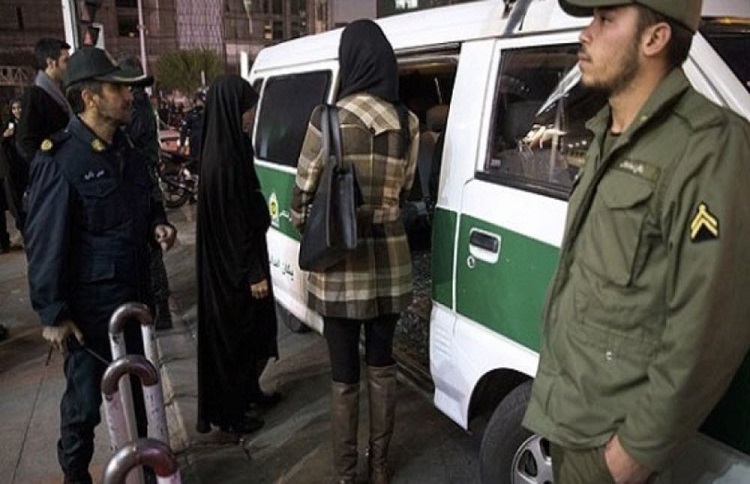
The mullahs in Iran have been oppressing women in law since they took power in 1979, with one major way being the compulsory veiling laws that 27 official agencies – including armed security forces – are tasked with policing.
Women who shun the veil are treated as if they are endangering the security of the nation because the regime sees female power as a threat to them, and as the temperature rises in Iran, more women will defy the forced dress code.
Iranian security force commanders have actually been open about their plans to repress women this summer. Deputy Coordinator for the security forces in Gilan Province, Hossein Hassanpoor, announcing that he would be deploying “194 additional car and motorbike teams” to the beaches and recreation areas, while Commander Morteza Mirzaii from Mazandaran Province stated that the province will be patrolled by “2,000 police, marines, police assistants, and security service companies”.
How else is the regime enforcing the mandatory hijab?
- Attacking clothing makers and shops, shutting down 49 businesses and issuing warnings to 87 others as of July 6
- Threatening drivers with confiscation of their car if they or a passenger does not observe the hijab
- Bribing mercenaries to crack down on women by giving a house – paid for by the Iranian taxpayer – to the 24 agents with the most arrests, fines, or attacks to their name
They’ve also arrested the host of a festival that allowed men and women to socialize together, where the women were dressed “inappropriately”, according to the regime. Others arrested on similar charges include a supervisor and a tourist guide in Cheshmeh Lal who had a mixed-gender tour party.
Of course, despite all the repression, Iranian women are still standing up to the regime and the mullahs are failing to enforce compulsory veiling laws on Iranian women.
On July 14, at a meeting on chastity and hijab in the media in Golestan Province, Islamic propaganda representative Hassan Mohajer Neyshabouri admitted that because on the closure of Mosques due to the coronavirus pandemic – that the regime has failed to control – they have been less able to spread repression of women.
While Astara’s Imam for Friday prayers Kazem Hafeznia called the hijab situation “terrible” before complaining the clothes that do not observe the veiling code are produced in Iran.
He said: “If the Department of Industry, Mines and Trade, as well as the Chamber of Trades and Places, are not aware of the situation of clothing production in the country, it is because of their managerial weakness. If they know but do not act, their betrayal is unforgivable.”
Read More:
Domestic Abuses Victims in Iran Village Set Themselves on Fire


