


 AFP: A top Iranian lawmaker denied Wednesday he had said the oil-rich country had decided to resume petrol imports, after the oil minister said Iran was “self-sufficient.”
by Mohammad Davari
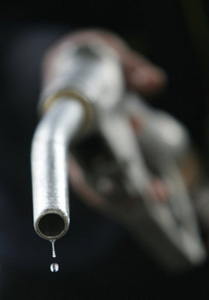 TEHRAN, August 24, 2011 (AFP) – A top Iranian lawmaker denied Wednesday he had said the oil-rich country had decided to resume petrol imports, after the oil minister said Iran was “self-sufficient.”
“I do not confirm the report regarding petrol imports into the country,” Nasser Soudani, deputy chairman of parliament’s energy commission, was quoted by the state television’s website as saying.
“Unfortunately, the report was published based on a misinterpretation made by some media,” he added.
The remarks came after the Mehr news agency quoted him as saying on Monday that the government had decided to import petrol, targeted by international sanctions on Iran over its disputed nuclear programme.
“The domestically produced petrol due to its low octane (rating) lacks a desirable quality and has to be mixed” with imported fuel with a better quality, Soudani was quoted by Mehr.
It quoted Soudani as saying the decision to import petrol also would allow the government to meet daily petrol needs, following a decrease in output he blamed on a May 23 blast at the southern Abadan refinery, Mehr reported.
Oil minister Rostam Qasemi on Tuesday dismissed the report, saying Iran was “self-sufficient” in petrol production.
“We currently do not have the need to import petrol, but we may have the need for some necessary components to produce petrol,” the ministry’s website quoted him as saying, without specifying what type of “components” Iran would have to import.
Iran in September 2010 announced self-sufficiency in petrol production with daily output of 66.5 million litres.
Since then, Iranian officials have repeatedly reaffirmed that the Islamic republic was self-sufficient in petrol, while the production capacity has decreased after petrochemical plants stopped producing the fuel.
The Islamic republic currently produces around 50 million litres of petrol per day, managing director of the National Iranian Oil Products Distribution Company Jalil Salari told Mehr on August 14.
The Islamic republic’s daily petrol consumption currently stands at 54.8 million litres, according to the oil ministry news agency Shana.
The reports come amid a row between the parliament and government over the issue of petrol imports, with lawmakers arguing Iran needs to increase petrol reserves through imports.
Energy commission chairman Hamid Reza Katouzian told ISNA news agency on Friday that given the production capacity at the refineries, “We are faced with a shortage of petrol.”
Katouzian said the last month of summer sees an increase in road travel, and it “requires the government to import some petrol.”
Experts say petrol reserves in the country are running low as officials have failed to compensate the cut in imports with domestic production, the Shargh newspaper reported on Wednesday.
Despite holding around 10 percent of world crude reserves and being the second-largest producer in OPEC, Iran for years imported large volumes of petrol as it lacked refining capacity and struggled with inefficiency.


