

Hold Iran Accountable for Large-Scale Crimes Before Criticizing Individual Abuses
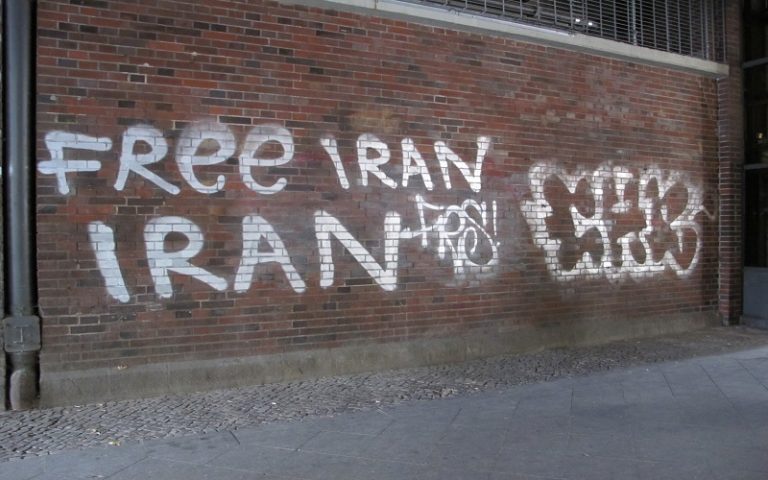
Several United Nations special rapporteurs and various other human rights defenders have been raising alarms in recent days about the case of Heidar Ghorbani, an Iranian political prisoner who is facing the imminent threat of execution based on an unfair trial and affiliations with a Kurdish activist group.
A statement issued through the office of the UN High Commissioner on Human Rights expressed serious concern, earlier this month about Ghorbani being denied legal representation throughout the course of his detention and trial, which relied on an eventual confession that was evidently “forced as a result of torture and ill-treatment.”
Unfortunately, stories like these are a dime a dozen in Iran, and international calls to action are always struggling to keep up with the pace of politically motivated arrests, trials, and executions.
The above-mentioned statement described it as “troubling” that the Iranian judiciary continues to “issue death sentences in trials that not only breach international fair trial standards but even domestic law and due process guarantees.” It then concluded by reiterating prior calls for Tehran to halt executions across the board.
For as many similar statements as having been issued over the years, it is strange that so many human rights advocates do not recognize that such direct appeals to the conscience of the Iranian regime are a fool’s errand.
Not only has Tehran blatantly ignored countless appeals in the past; it has repeatedly taken steps that reinforce its defiance of international human rights standards and its embrace of the most brutal tactics for suppressing dissent and maintaining its hold on power.
While the UN special rapporteurs are certainly correct to say that the behavior of the Iranian judiciary is troubling, their cause would perhaps be better served by emphasizing that that behavior is also completely predictable.
After all, until earlier this year, that judiciary was headed by a lifelong regime functionary who played a prominent role in the Islamic Republic’s single worst crime against humanity.
Although this fact made him the object of protest both at home and abroad throughout his tenure, he departed the position, not in disgrace but rather in triumph, being inaugurated as president on August 5 and handing off the judiciary to his deputy, who has been implicated not only in acts of domestic repression but also the assassination of dissidents beyond the country’s borders.
This shuffling of appointments, together with exceptionally tightly controlled parliamentary elections in 2020, has resulted in a situation where each branch of the Iranian government is in the hands of ultra-hardline officials whose support for political imprisonment, capital punishment, and the selective implementation of due process are unquestioned.
That government’s violent, hardline identity has been repeatedly reinforced in the five weeks since President Ebrahim Raisi’s inauguration, especially through his appointment of cabinet officials who are under sanction by the United States, the European Union, and the United Nations, or even subject to arrest warrants for their involvement in terrorist attacks.
Maryam Rajavi, the head of a pro-democracy coalition known as the National Council of Resistance of Iran, described that cabinet as the “embodiment of four decades of mullahs’ religious dictatorship and terrorism, whose primary mission is to confront the people’s uprising, and to plunder the national wealth, step up terrorism and warmongering, and expand the unpatriotic nuclear and ballistic missiles programs.”
The “uprising” in question is a movement that has been active since the end of 2017 when a local protest in the city of Mashhad began spreading across the whole of the Islamic Republic while also taking on slogans like “death to the dictator” which evoked a popular demand for regime change.
In November 2019, another nationwide protest erupted spontaneously across nearly 200 cities and towns, prompting some of the worst repression in recent Iranian history and thus confirming both that the regime felt seriously threatened by the movement, and also that it had prioritized the repression of dissent ahead of virtually all else.
It is surely no mere coincidence that Raisi was head of the judiciary at the time of that crackdown, which say 1,500 people were killed in a matter of days, and thousands of others tortured in the regime’s jails over a period of months.
His appointment to the judiciary was widely recognized as a reward for decades of unquestioning service to the regime, the prime example of which was his role on the “death commission” that oversaw the implementation of Ayatollah Khomeini’s fatwa regarding organized opposition to the theocratic system.
That fatwa took particular aim at the People’s Mojahedin Organization of Iran, which now stands at the head of the NCRI coalition, and it declared that anyone who still believed in the organization was inherently guilty of “enmity against God” and thus a valid target for summary execution.
In response, authorities held cursory re-trials for political prisoners throughout the country, often interrogating them for only a few minutes before issuing a death sentence. Over the course of roughly three months, 30,000 people were killed in this fashion, the overwhelming majority of the members of the PMOI.
As one of the four main figures tasked with carrying out this massacre, Ebrahim Raisi arguably bears responsibility for more of those deaths than anyone else.
Eyewitnesses to the actions of the death commission often report that he was uniquely mechanical and uncompromising in the rapid issuance and implementation of capital sentences.
This no doubt helped him to secure the trust of higher authorities, leading Khomeini to extend his jurisdiction while the massacre was still going on and, much later, leading Khamenei to single him out as the person best suited to lead the judiciary and ultimately the presidency during a period of unprecedented conflict between the Iranian regime and civil society.
Statistics collected by Iranian activists indicate that the rate of executions in the Islamic Republic grew substantially during Raisi’s tenure as judiciary chief and that it has continued to grow since the August 5 presidential transition.
This almost certainly means that there have already been various figures like Heidar Ghorbani who have been put to death by the regime before they could become the object of international appeals for clemency.
There are certain to be more as time goes on, and even if UN officials issue statements about every single one of them, it will do no good unless those statements are backed up by action.
Instead of appealing directly to the Iranian regime, human rights defenders would do better by putting pressure on the UN General Assembly and leading world powers to establish a formal commission of inquiry into the 1988 massacre or to initiate prosecution against Raisi and/or other known perpetrators based on the principle of “universal jurisdiction” over cases involving genocide or crimes against humanity.
Until someone has been held accountable at the highest level of that massacre, Tehran will surely feel secure in assuming that it enjoys impunity in all matters.
The regime will have no incentive to comply with even the most basic international standards for due process or the treatment of detainees, and it will have no reason to take foreign critics seriously with regard to large-scale crackdowns like the one in November 2019, much less with regard to individual human rights violations like those suffered by Heidar Ghorbani.
Bleak Fate of Iran’s Street Vendors
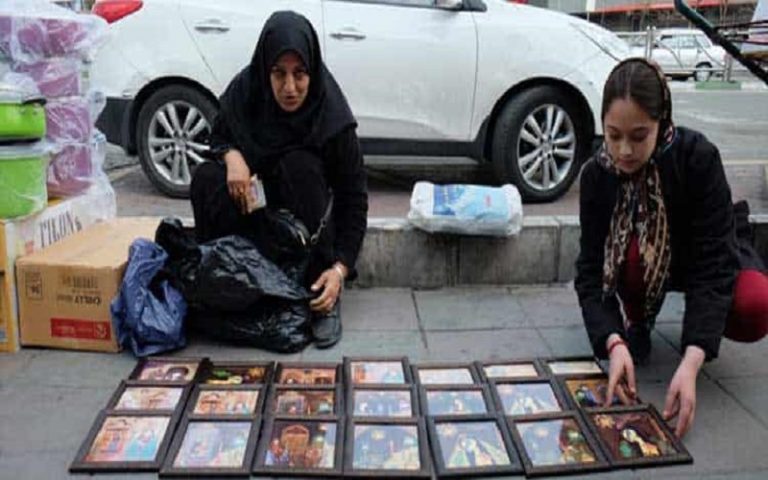
Widespread poverty and unemployment in Iran, and the catastrophic economic situation in society, have made life so difficult for millions of Iranians that they have been forced into vending on the streets to support themselves. The image of big cities has changed in the last 20 months after the coronavirus outbreak, and according to media reports, there are now 16 million people selling goods on the streets in Iran.
In big cities on the sidewalks, subways, in the buses, and crossroads which are crowded in all conditions, even with the sixth peak of the coronavirus, you can see old men and women on whose faces the bitterness of life has been carved. Even many graduate students are now among them.
A 45-year-old woman who introduced herself as the head of her family said that she has four children, two of whom are boys and one of them is a student, and their expenses are high, and she has been forced to work as a street vendor.
Due to the coronavirus situation, many people living in Tehran or major cities have lost their permanent jobs and now make a living through street vending.
Some of them working inside the subway, going from station to station and wagon to wagon for the sale of simple goods such and bracelets and clothes and any item that is used in everyday life.
A job that lowers their social credibility so some of them wear masks for fear of being recognized. Some street vendors choose the job as their second or third job, because they cannot afford to support their families, and unemployment insurance in Iran is so low that it is not worth pursuing.
Handselling, of course, for regime’s large companies importing large quantities of consumer goods, is making huge profits with these people working on the streets.
A more sinister phenomenon which is people are facing is a complex underground mafia network affiliated with Iran’s ruling factions, who blackmail and extort these people to allow them to do their job.
This network does not show any mercy to the street vendors, and on the day when these people have no income, they are accompanied by confiscation of goods and ugly insults, which is executed mostly with the alibi of blocking the public pathway.
Therefore, the suicide rate among these poor people is very high. As we have witnessed it over the past years some of them committed suicide, burning themselves in front of the regime’s offices, to protest the behavior of the regime’s municipality.
Farshad Momeni, an Iranian economist, says of the street vendors:
“These groups, who, due to poverty, give in to worthless and insignificant jobs due to the bankruptcy of the country’s economy, are ‘working in parasitic jobs.’
“There are many similar people in the Iranian society, and it has increased in these two years. In these two years of the disease invasion of Iran and the world, the equation of many people was broken.”
On September 15, 2021, the regime’s parliament speaker Mohamad Bagher Ghalibaf highlighted the true situation of the country in an interview:
“There is no sign of decision-building and management in the country, when we sit down in meetings, we make so many questions that no one knows where the solution is.
“If technology is considered in the field of governance, the imperfect administrative and executive structure that we have inherited for many years will resist technology and we find that this structure has no sense of technology and transformation.
“At the height of this situation it is said that we don’t have money in the country, we spend at least $160 billion a year just for fossil energy, while we know that 50 percent of this fossil energy is wasted and there is a lack of imbalance and injustice so that from this path the valleys of poverty and peaks of plurality arise.”
He emphasized that “unfortunately, we have imbalances everywhere in the country where we point to, the disparity in recruitment, the concentration of power, pension funds, the imbalance between discretion and responsibility, and where we have a revenue of $110 billion, but we see double-digit inflation when we have 20 billion revenues, and we still see budget deficits and inflation.”
Ghalibaf ultimately confessed to the regime’s impasse and said: “This causes additional deadlocks for the country every day.”
Calls for Iranian President Raisi To Be Shunned by the UN
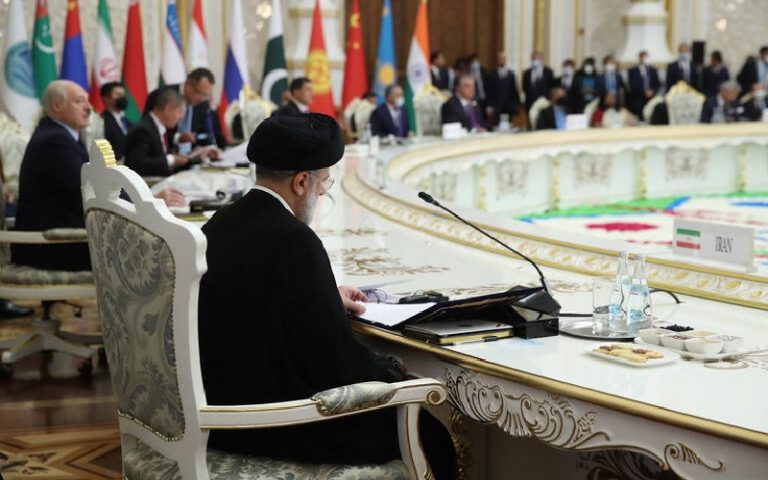
The Iranian president, Ebrahim Raisi took his first trip abroad to Tajikistan to attend the Shanghai Cooperation Organization (SCO) summit on Thursday, despite being on a US sanction list for his human rights abuses.
Since Raisi’s installment as the illegitimate mullahs’ president, there have been ringing condemnations and growing calls by human rights organizations for his prosecution as a criminal.
Raisi was deeply involved in the massacre of 30,000 political prisoners in the summer of 1988, many of whom were members or supporters of the regime’s opposition, the People’s Mojahedin Organization of Iran (PMOI/MEK). For the past 33 years, the families of the victims have been continuing to seek justice for their loved ones.
Rather than the international community stepping in to prosecute Raisi for his involvement in one of the worst crimes against humanity in Iran, the ‘culture of impunity’ within the regime, that has protected many of the criminals and abusers of human rights who hold many senior positions in the Iranian government, has allowed Raisi to rise ranks within the regime to serve as their president, without being questioned.
Amnesty International has stated, “That Ebrahim Raisi has risen to the presidency instead of being investigated for the crimes against humanity of murder, enforced disappearance and torture, is a grim reminder that impunity reigns supreme in Iran.”
The lack of international investigations into Raisi’s role in the murder of thousands of innocent civilians has emboldened the regime. Prior to taking office as the president, Raisi played a key role in the suppression of protesters and activists as the head of the judiciary.
They stated that Raisi must be investigated and face prosecution for his crimes against humanity instead of being legitimized and accepted by global forums.
The European Union, and more specifically their foreign policy chief Josep Borrell, have only strengthened the ‘culture of impunity’ within the mullahs’ government with their appeasement policies and questionable actions. At Raisi’s presidential inauguration on August 5, Borrell authorized a senior EU official to travel to Tehran to attend the event.
This gesture, along with the concessions that the EU has continued to give to the regime in order to negotiate agreements on the Iranian nuclear deal is nothing more than an insult to the Iranian people, millions of whom are suffering greatly under the control of the mullahs’ theocracy.
As many Iran observers said, that one is reminded of Winston Churchill’s warning that appeasers keep feeding the crocodile hoping it will eat them last. Iran has taken Europe’s nuclear concessions to the bank.
The International Atomic Energy Agency (IAEA), the UN’s nuclear watchdog, has recently condemned the regime’s continuous violations in two of their latest reports, whilst many international powers have chosen to look the way.
Indeed, as cruel as murdering thousands of people was in 1988, the cruelty of allowing the murderers to freely travel the world cannot be overstated.
Iran’s Strategy: Moving on the Edge of the Abyss
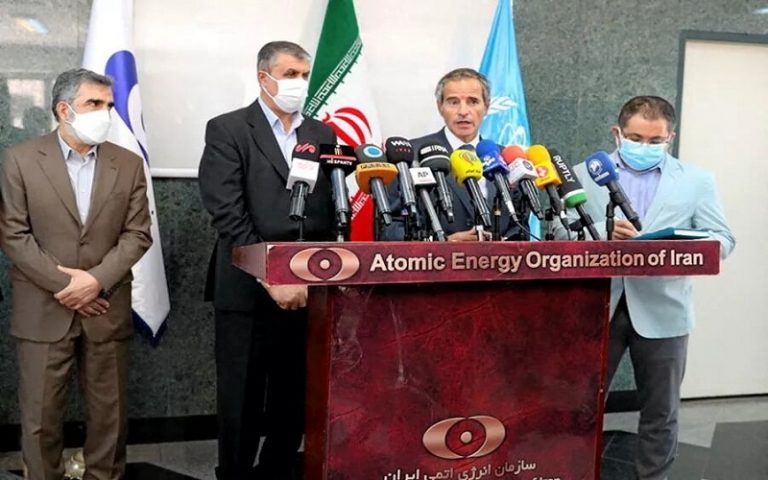
Iran’s supreme leader Ali Khamenei and his government’s officials in the ‘young Hezbollahi government’ on the eve of the session of the Board of Governors of the International Atomic Energy Agency (IAEA), in a 90th-minute decision, decided to make an opportunistic retreat.
To cover up their weakness, they inverted the nature of their retreat and called it a technical agreement to replace the memory cards of surveillance cameras.
There are a few notable issues in this retreat:
- Despite the regime’s turmoil to tie the fate of the country’s economy with the JCPOA, what has been done, is a policy led by weakness and passivism, and worthless propaganda. On this issue a state-run wrote:
- “Don’t simply walk away from the issue of yesterday’s Iran-agency deal. Among the concluding statement lines issued and between formal and dry words, an intimate and hand-tailed sentence can be extracted and put on the shelf: politics and management are the realm of reality, not the dumb and absurd slogans of tribunes.” (State-run daily Aftab-e-Yazd, September 13, 2021)
- The retreat is dealt with by misery and desperation, aimed at buying time for the continuation of secret nuclear projects, as well as to prevent the IAEA and involved countries from recounting the regime’s nuclear case at the IAEA Board of Governors and to issue a new resolution against the regime. Therefore, it is done, in fear that its nuclear case could be referred to the UN Security Council.
- “Given Iran’s initial position and its ultimate satisfaction with Grossi’s trip, it seems that Iran has retracted somewhat and has become inactive. This is because if Grossi had not come to Iran and reported negatively to the Governing Council, the situation would have been dangerous. Under those circumstances, the case would have gone to the Security Council, and before 2015, we would have gone back under Chapter VII of the Charter, and Iran would be declared an outlaw and a warmonger. Most likely Russia and China would have signed a resolution against us in those circumstances, while they had done so before.” (State-run daily Jahan-e-Sanat, September 13, 2021)
- This retreat does not mean that the ‘bomb-seeking’ regime will return to the Vienna negotiations on its own feet, according to dissidents. Because during six rounds of negotiations under Rouhani’s administration, it became clear that there would be no return to the 2015 JCPOA, and negotiations to lift some of the sanctions would result if Khamenei accepted a JCPOA plus which is its regional and missile cases.
- However, merely a field agreement with Rafael Grossi to replace the memory cards of surveillance cameras cannot stop the Governing Council’s decision and repeal the resolution against the regime. According to Sputnik Farsi, the regime has authorized agency inspectors to reuse surveillance cameras at Iran’s nuclear facilities, as well as from Grossi’s rhetoric, despite the regime’s claims, this negotiation is not just a ‘technical negotiation’.
- Director-General of the IAEA: “In less than two weeks, the agency’s general conference will be held in Vienna, and this is one of the major nuclear events in the world. I was pleased to hear that Mr. Eslami is the head of the Iranian delegation and agreed to continue our negotiations in my office in Vienna, after which I will return to Iran again for high-level talks with Iranian officials.”
- Such an agreement would only temporarily set the case back somewhat but would not resolve it. In practice, it will exacerbate the conflict between Iran and the agency and the western powers.
- If in parallel with this process, the Vienna talks do not resume and in the case of a resumption, no progress is made and no agreement is reached, there is no hope of resolving the disputes between Iran and the agency in the future, and the impasse in Vienna will necessarily exacerbate these differences.” (State-run daily Arman, September 13, 2021)
Iran Likely To Face Further Oppression Following Cancellation of UNESCO 2030 Guidelines.
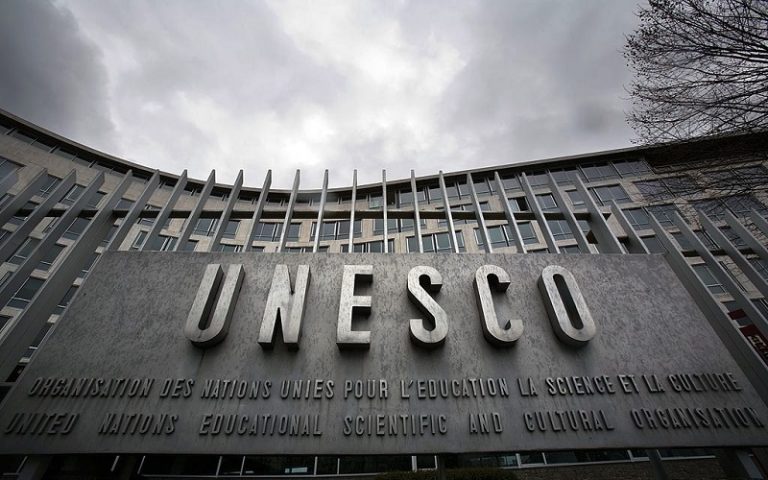
The secretary of the Supreme Council of Cultural Revolution (SCCR), Saeed Reza Ameli announced on Monday, September 13, that the President of the Iranian regime, Ebrahim Raisi has officially cancelled Iran’s adherence to the UNESCO 2030 Educational Agenda.
In his ruling to repeal the 2030 Document, Raisi called on all documents, declarations, and regulations contrary to fundamental principles of the regime’s education system, the SCCR and the parliament to be canceled for good.
Ameli explained that ‘many international laws are designed within the framework of a liberal thinking structure’ and therefore they neglect to include the “existential role of God and secularism and materialism.” He stated that because of this, “you do not see education and a cultural system that relies on religious laws and theological regulations.”
The UN 2030 Agenda for Sustainable Development features a list of UNESCO’s standards that are designed to teach children the basics of the topics of the environment, human rights, and the elimination of discrimination in society.
UNESCO laid out, on their website, that the goal of the 2030 agenda is to ‘empower people with the knowledge, skills, and values to live in dignity, build their lives and contribute to their societies’.
The UN General Assembly adopted this document in September 2015. Their aim was to ensure that the quality of education around the world is greatly improved. Many member states willing signed the document and agreed to improve the education in their own countries, as well as improving protective measures for children against abuse, and promote gender equality.
In a meeting in 2017, Supreme Leader of the Iranian regime, Ali Khamenei blasted the 2030 agenda saying, “The UNESCO 2030 education agenda and the like are not agendas that the Islamic Republic of Iran should have to surrender and submit to.”
He also posted on his website, ‘Why should a so-called “International” community, which is definitely infiltrated by the superpowers, have the right to make decisions for nations around the world regarding their various cultures?’.
Prior to the meeting, 151 members of the Iranian parliament had signed a letter, addressed to then-President Hassan Rouhani demanding that the 2030 agenda should be officially withdrawn. Four years later, this ruling has now been enforced. Ameli explained that by the end of Rouhani’s presidential administration, the government was dealing with a backlog of 29 resolutions of the Supreme Council of the Cultural Revolution, which Raisi’s administration is to put into action.
While different administrations throughout the Iranian regime’s history have mocked international conventions and human rights treaties by violating them in the name of a ‘religious democracy’, canceling and refusing such a commitment in its flimsiest forms just indicates the antagonism between the current rulers and human rights.
The misogynism and oppression of Iranian women and the Iranian youth have always been a feature of the Iranian regime, and this rejection is just the latest blow in their struggles.
The Supreme Leader Ali Khamenei is evidently doing all he can to hold onto his power, especially as there is a potential merger between the Ministry of Intelligence and the Islamic Revolutionary Guard Corps (IRGC) brewing.
Suicide Has Become Ordinary in Iran’s Society

Suicide is a function of a series of economic, social, political, and cultural issues in society. In Iran, everyone in the community is directly or indirectly affected by the coronavirus and its problems.
Sometimes children or the elderly are more likely to be harmed, although the damage is different, many social experts in Iran believe that the psychological effects of the coronavirus, such as suicide, are just beginning.
Although over the past one-and-a-half years, the coronavirus has affected psychological problems such as escalating violence, social isolation, domestic violence, and suicide, like many other events such as earthquakes, social cohesion is formed in times of crisis.
Unfortunately, in this period this cohesion is not formed, and we may imagine that in this situation society is alive and everyone helps each other, but the coronavirus not only causing a pandemic is also a social crisis and its effects on the people’s will become clear even after the pandemic crisis.
In recent times, Iranian society has been destroyed and the livelihoods of many people have been disrupted and social relations and occasions have been destroyed.
People’s resilience in society is decreasing and the level of social tolerance and tolerance of individuals has decreased too.
We need to consider that the coronavirus alone is not effective and on its own does not increase violence and suicide, but economic problems, inflation, and unemployment are also influential in these processes.
The Impact of Multiple Coronavirus Peaks on Suicide Rise in 2020
In 2020, the death toll from suicide increased compared to 2019, showing that the many peaks of the virus have had an impact on this statistic. In the social emergency, during this period, the country is witnessing an increase in violence, indicating that the tolerance threshold of society is lower and that people who have a predicated incidence of suicide in the pandemic conditions of the coronavirus are deciding sooner to commit suicide. If government policies fail to find a way to infuriate this collapsed situation, the country will certainly face many problems, as deaths from the coronavirus are not natural deaths, but a type of death involving economic, political, and government conditions. It is famous that the western provinces of the country face more suicide cases due to poverty and the government’s discrimination than other provinces, but the latest studies made by the regime have revealed that the suicide center is changing from western Iran to the center and other parts of the country, including Kohgiluyeh and Boyer-Ahmad provinces, Bandar Abbas, Markazi Province, Gilan, Tehran and other regions such as North Khorasan. If in the past there were some western areas of Iran witnessing suicides, now many parts of the country are involved.Iranian women are more likely to commit suicide than other women in the world
Among women, approximately 71 percent of suicide victims are under 40, and among men, 80 percent are under 40. So, these statistics show that suicide is specific to the young people in Iran’s society, ranging in age from 15 to 40 years old. In Iran, as in the rest of the world, men commit more suicide than women, but compared to other countries in Iran, women are more likely to commit suicide than women elsewhere in the world.Suicide penetration from the lower classes to the social classes with scientific expertise
Suicide from the lower classes of society, which had psychological problems, infiltrated the social classes with scientific expertise and this is a symptom of a crisis in society, and this is dangerous for society because these people are role models and references in society and these cases increase hopelessness and despair and death of social vitality.Corruption in financial and administrative systems plays a major role in frustration and suicide
Corruption in the financial and administrative systems plays a large role in frustration and ultimately suicidal thoughts, where hope dies suicide will be raised. Where feeling good, philanthropy and advocacy die, suicide will replace it.Iranian Government Impunity Overshadowed by Failed Nuclear Deal Negotiations
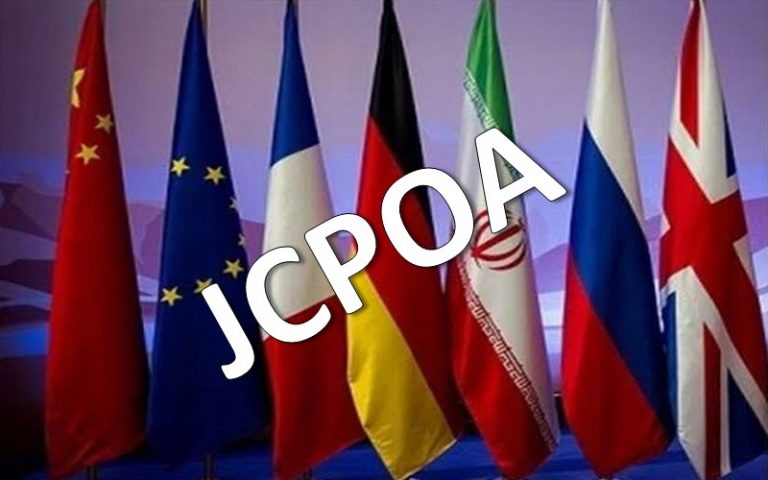
Regarding Iran’s nuclear deal, formerly known as the Joint Comprehensive Plan of Action (JCPOA), the Iranian policymakers have stated that in the face of pressure from Western powers, they are unlikely to resume negotiations.
The regime has the ultimate goal of obtaining a nuclear weapon, but meanwhile, it tries to drag its feet with the negotiations and use extortion to pressure the western power. The regime’s new President Ebrahim Raisi has underlined his government’s intention of pursuing the same nuclear extortion as his predecessor.
Following Raisi’s inauguration on August 5, within a month all of the ministers in his new administration had been confirmed by the regime’s parliament. Many of the influential government positions were given to candidates that he had handpicked himself. Many candidates are associated with the notorious Islamic Revolutionary Guard Corps, while others are currently under sanctions or international arrest warrants.
Iran observers opposite to the regime referred to the new cabinet as ‘the embodiment of four decades of mullahs’ religious dictatorship and terrorism’ and alluded to the notion that they will likely continue to plunder national wealth, expand their nuclear program activities and step up their acts of terror.
The appointment of Mohammad Eslami as the new head of the Atomic Energy Organization of Iran increases the expectations of stepped-up nuclear activities.
Eslami was sanctioned by the United Nations in 2008 for ‘being engaged in, directly associated with or providing support for Iran’s proliferation-sensitive nuclear activities or for the development of nuclear weapon delivery systems’.
Raisi, himself, holds responsibility for his role in the 1988 massacre. He was one of four officials chosen to be on a ‘death commission’ in Tehran which oversaw the massacre of 30,000 political prisoners in the summer of 1988, many of whom were members of or supported the People’s Mojahedin Organization of Iran (PMOI/MEK).
Last month, a virtual conference regarding the 1988 massacre was held by the NCRI. Among the participants were many Western experts of human rights and international law, as well as over 1,000 former political prisoners.
In speeches, those experts described how the religious edict underlying the massacre was clearly intended to prompt the execution of any adherent to a brand of Islam that is at odds with the regime’s theocratic fundamentalism.
British human rights barrister, Geoffrey Robertson, who has studied the massacre extensively, stated in his speech that according to the Genocide Convention, countries who adhere to it are obligated to take action against perpetrators who are known or suspected, to have committed genocide.
Since Raisi’s appointment to the presidential role, governments around the world have remained silent on the issue of impunity that is rife throughout the regime, leaving many regime officials free from being prosecuted for their crimes against humanity. By giving concessions to the regime and placing too much focus on the not-fit-for-purpose nuclear agreement, they have only managed to reinforce the regime’s impunity.
And while Raisi’s central legacy remains the 1988 massacre, the international community’s tacit embrace of his administration has implications for the full range of malign activities that stand poised to accelerate under his leadership.
Iran: The Alarming Livelihood Basket of the People
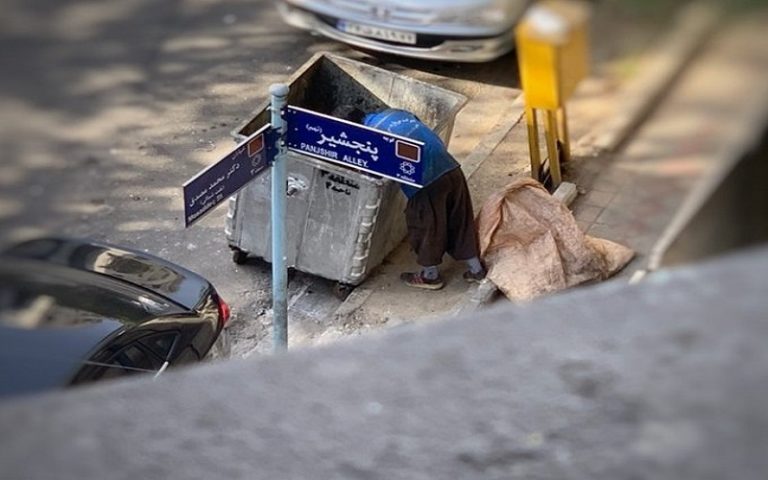
Compared to previous years, the Iranian government is looting the population more, at higher levels, and in new ways. So brutal that even the basket of the middle class has become empty, and the people are searching for their daily bread.
The low living standards, unemployment, and social problems caused by it and the inflation and other economic affairs have the main role in this situation and the truth is that the livelihoods of the majority of the society are critical.
“We are now faced with the phenomenon that in addition to those who are in poverty or are below the poverty line, the middle class is getting worse day by day, and 90 percent of people in society are stressed by livelihood.” (State-run daily Resalat, September 1, 2021)
All the signs of Iran’s economy, such as the decline of the economic boom, are indicating that the welfare of the Iranian people is waning away.
Compared to the 2000s, the Iranian people are consuming less food and are paying more for goods such as meat, dairy, rice, and sugar. And that in a situation while after the attack of the coronavirus the health expenses are increasing but the incomes did not increase in line with the increase of the inflation.
The fate of the looted 100 trillion tomans is just a small example of this corruption as Massoud Khansari, Head of the Chamber of Commerce, said:
“Of the approximately $15,000 billion in imports in the first four months of 2021, nearly one-third of that is related to the government’s currency. Thus, by the end of July, 100 trillion tomans of currency will be allocated to the basic goods in this way.”
Then pointing to the statistics of the statistic center that announced the inflation rate of basic goods at 58 percent during the same period he added:
“In this way, it is unclear what the 100 billion tomans brought for the economy other than the destruction of the economy rent-seeking and corruption.” (Hamdeli, September 1, 2021)
The inflation of the basic goods is saying the reality of the people’s situation and reveal the truth about the corruption in the government. Bread and grain with a 56 percent increase, fish with a 43 percent increase, milk, cheese, and egg with a 66 percent increase.
About the imbalance of the distribution of wealth and even the distribution of subsidies Masoud Mirkazemi head of the Planning and Budget Organization said:
“A few who have a favorable financial situation and have a lot of property win the largest share, but a rural person has a very small share of subsidies. “(Shargh, September 9, 2021)
While the government is thinking of cutting off the people’s subsidies, one of the MPs warned the government and said:
“In the current situation, the threshold for people’s tolerance about this issue is lower than the past days, and officials should pay special attention to this issue.” (Abolfazl Torabi, Etemad, September 8, 2021)
What officials like him are scared of is clear, a situation like the anti-government protests of 2017 and 2019.
The IRGC’s ‘Gold Mafia’ Is One of the Causes of the Economic Crisis in Iran
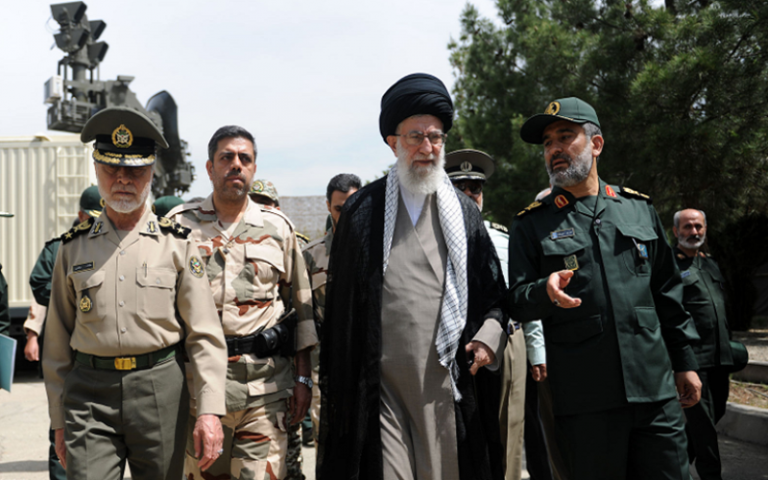
Iran is currently undergoing its worst economic period at the hands of the Iranian regime. The cause is widely considered to be a result of the corruption that is rife throughout the clerical dictatorship.
The state-controlled mafia controls the country’s imports and exports. One of these mafias is the gold mafia.
According to the Jahan-e Sanat daily, people working in the Jewelry field are aware of ‘the presence of an invisible mafia network’ but are reluctant to expose it for fear of losing their businesses.
They published a statement from the Chairman of the Cooperative Board of the Jewelry Guild, who said, “Unfortunately, the well-known groups have formed triangles in the Jewelry Guild that are in harmony with each other, and if an activist in this field does not coordinate with them or does not act according to their system, they hinder their work.”
Jahan-e Sanat explained that Iran has its own gold reserves, and its gold industry ‘is a long-standing art among its people’. However, the regime would rather import gold from other countries.
Iran was one of the world’s largest gold exporters. The organized mafia, connected to the Revolutionary Guards (IRGC), has practically stopped gold export and is importing gold on a large scale.
As a result of the regime importing gold, around 2,000 domestic jewelry factories in Iran have been forced to close. At the same time, the Iranian economy is freefalling at a considerable rate. In order to compensate for the budget deficit, the regime decided to start desperately printing banknotes which have caused subsequently caused inflation.
Globally, the Iranian currency currently has the lowest value due to the regime’s corruption and other malign activities. However, due to the declining value of the Rial and the levels of inflation, the prices of gold have risen due to the large quantities of gold being bought by investors. This has led to the IRGC, among other institutions owned by the regime, importing considerable amounts of gold to fund their activities.
As the value of imports and exports is linked to the value of a country’s currency, if there are more imports than exports, currency value goes into a decline, and vice-versa, more exports than imports boost the value. Regardless of this, the regime still continues to import gold from abroad.
A country’s demand for gold to meet the needs of government, consumers, investors, and industry can only be determined by offsetting gold imports by exporting gold.
In their publication, Jahan-e Sanat said, “The silent embezzlement of gold results in the unemployment of thousands of workers and their families. In the last one or two years, 1,800 workshops in this field have been closed, and no one has been held accountable.”
There is no surprise that like many other national resources in Iran, the IRGC heavily dominates the gold and jewelry industry. The regime has more than enough means to support Iranian citizens who are suffering from the economic pressures that the former has caused, but rather than rectify the problem, they would rather make pursuing malign activities their priority.
The state-controlled mafia is controlling people’s lives. As long as the regime stays in power, these mafias continue devouring Iran’s national wealth and ruing Iranians’ lives.
The Painful Reality of COVID-19 Vaccinations in Iran
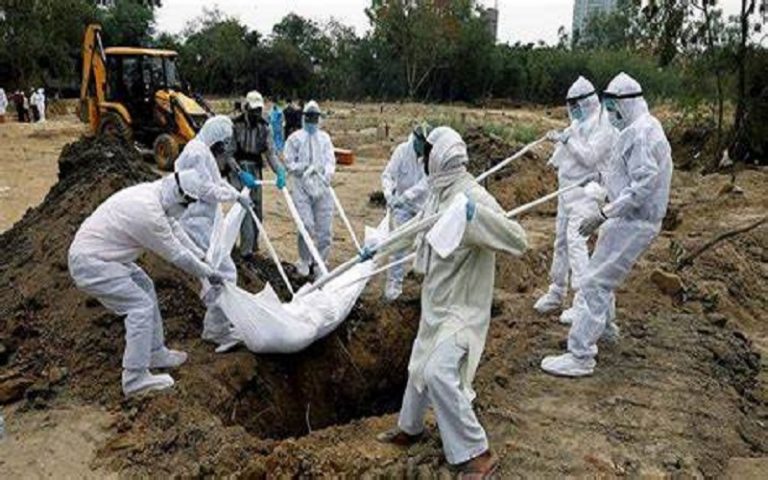
The coronavirus outbreak officially started in Iran in February 2020, while signs of the outbreak were visible from a month before. According to the Director of the World Health Organization Medical Emergency Program, the situation of the coronavirus outbreak in Iran changed from white to yellow just in a month.
In March 2020, the regime’s then-President Hassan Rouhani said that the virus has spread in all provinces. In the middle of the same month, Iran was the second most involved country with the virus after China. This expansion trend has continued until today.
Despite this situation, the regime’s official not only tried to stop the expansion of the virus but used it as a tool to prevent the people’s protests with its help and the fear caused by it.
Because of this decision, more than any other country in the world Iran is witnessing continuously new peaks of the virus.
Now we are witnessing the darkest days in Iran, so bad that even officials are confessing the death toll has exceeded the death toll of the Iran-Iraq war.
The state-run Aftab News agency wrote on Friday, September 10, quoting Bahram Ainollahi, the regime’s health minister, “Today, unfortunately, due to coronavirus, we are witnessing bad scenes and 600 families are mourning every day, which is more than eight years of war with Iraq.”
Many officials are confessing that the real number is seven times more than the official statistics. The official death toll is now more than 110,000 people.
According to the head of Iran’s Red Crescent Karim Hemati, some 22.62 million vaccines have been imported. But out of this number, 4.45 million were donated by China and Japan.
The interesting part of the vaccines story in Iran is that many of its officials claimed that they would make Iran a pole in vaccine production while introducing about 7 kinds of vaccines, but what in reality happened is that now Iran has the highest mortality rate, and none of the domestic vaccines become operational.
The first vice president Mohammad Mokhber recently claimed that until the end of August the government would distribute 50 million doses of the Barkat vaccine, but this didn’t happen. Even such a thing was to happen in the coming months, no one would trust and use any of the vaccines because they do not have any international credibility.
Now the country is entering the sixth peak and since the start of the new government led by the infamous Ebrahim Raisi, about 17,000 people have lost their lives with an increasing trend.
Speaking about a disaster in Iran when entering the sixth peak, Mohamad Reza Mohbub Far, an expert in the field of health, said:
“The sixth peak of the coronavirus is now on its way, and if the current situation is not taken seriously, we will soon see a more terrible humanitarian catastrophe in Iran than the fifth peak.”
He added that now more than 70 percent of the people of the Middle East have been vaccinated.
Below is the latest situation of the vaccination in the Middle East at the time when is text was prepared:
- Qatar; 67.46% of the two doses, 13.11% of the first dose, total: 80.57%
- Turkey; 41.62% of two doses, 12.85% of the first dose, total: 54.47%
- Bahrain; 63.34% of the two doses, 3.27% of the first dose, total: 66.61%
- Jordan; 26.89% of two doses, 5.99% of the first dose, total: 32.88%
- Lebanon; 14.93% of two doses, 3.65% of the first dose, total: 18.58%
- Oman; 15.58% two doses, 26.64% first dose, total: 42.22%
- Palestine; 8.43% two doses, 4.28% first dose, total: 12.71%
- Saudi Arabia; 36.38% of two doses, 25.20% of the first dose, total: 61.58%
- United Arab Emirates; 74.10% of the two doses, 10.10% of the first dose, total: 84.20%
- As for Iran; 5.22% of the two doses, 13.25% of the first dose, total: 18.47%
