

Advisor to IRGC Commander: Our Doctrine Has Changed from Defensive to OffensiveHe strongly condemned the attacks, describing them as a dangerous escalation and a direct threat to the stability of the Kurdistan Region. According to the Kurdistan Region’s Counter-Terrorism Directorate’s investigation, the Iranian regime’s direct involvement in the drone attacks has been established. The military assault comes after the homes of other Kurdish regional leaders had previously been targeted in drone attacks by the regime’s proxy forces. In a statement published on his X account, Barzani called the attacks “reckless and unacceptable,” saying that such an act represents a dangerous escalation and a direct threat to the security and stability of the Kurdistan Region. The Iranian regime’s drone attack on Masrour Barzani’s private office and the residence of the head of the Kurdistan Region’s intelligence agency reflects a new phase of military aggression aimed at covering up its internal crises. While the people of Iran struggle with poverty and runaway inflation, the regime spends the nation’s resources on warmongering and terrorism. These attacks are not a sign of strength, but rather a reflection of the regime’s fear of collapse and its attempt to survive by creating instability across the region.
Iranian Regime Drone Attack on Office of Prime Minister of Kurdistan Region of Iraq
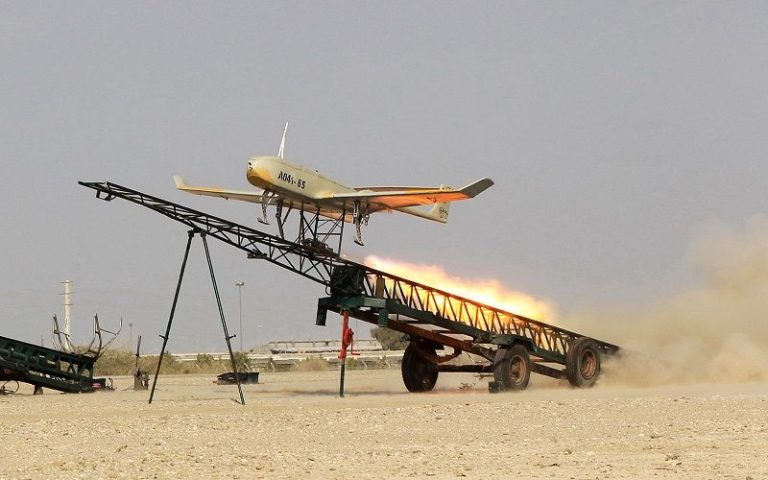
Masrour Barzani, Prime Minister of the Kurdistan Region of Iraq, announced that his private office and the residence of the head of Parastin, the Kurdistan Region’s intelligence agency, were targeted in drone attacks by the Iranian regime.
According to published reports, the Kurdistan Region’s Counter-Terrorism Directorate announced that early Monday morning, August 17, two Hadid-110 explosive drones, launched from Iranian territory, targeted the private office of Masrour Barzani, Prime Minister of the Kurdistan Region, and the residence of the head of Parastin, the region’s security and intelligence organization, in Pirmam, Erbil Governorate.
Iran’s Regime is Rebuilding the Security Circle Around Mojtaba Khamenei with New Security Figure
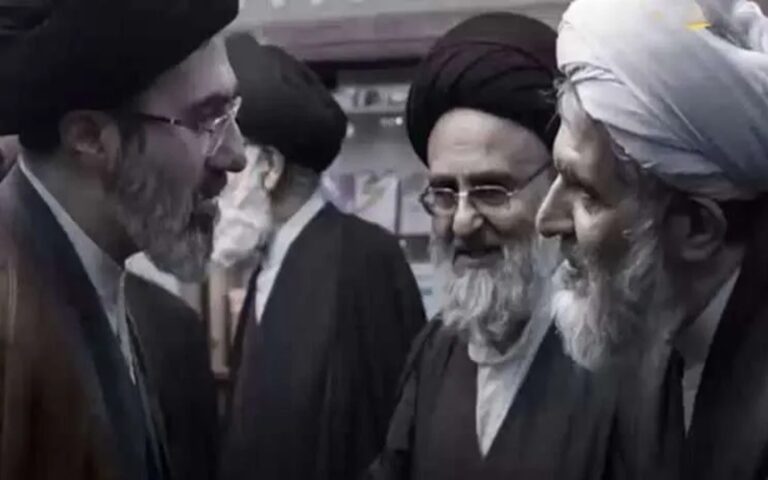
The return of Hossein Taeb to the Iranian regime’s security structures, at a time when the balance of power at the top of the government has shifted, has drawn the attention of political and security observers. Taeb is a veteran figure in the Islamic Revolutionary Guard Corps (IRGC) intelligence apparatus. Over the past four decades, he has been involved in some of the Iranian regime’s most significant security cases.
His position within the security network close to Ali Khamenei’s office, his longstanding relationship with Mojtaba Khamenei, and his experience managing security institutions raise the question of whether Tehran is rebuilding an old security circle around a new center of power.
Advisor to IRGC Commander: Our Doctrine Has Changed from Defensive to Offensive
Hossein Taeb and the history of a security network
Hossein Taeb is one of the figures whose career dates back to the Iran-Iraq War. His connections with the IRGC, the Basij paramilitary force, and intelligence institutions were established during those years and later expanded. Taeb became commander of the Basij and later served as deputy head of IRGC intelligence. He then became head of the IRGC Intelligence Organization, which in later years became one of the Iranian regime’s most important repressive security institutions. The IRGC Intelligence Organization has played a broad role in political, security, and social cases. Confronting political opponents, civil activists, and protesters has also been part of this institution’s record in recent years. Taeb’s name has repeatedly surfaced during protests in different years. Opponents and critics consider him one of the principal figures behind the Iranian regime’s security policy. Mahmoud Ahmadinejad, the former president of the Iranian regime, also expressed his opposition to Taeb’s appointment as head of IRGC intelligence, saying: “I opposed Mr. Taeb becoming head of IRGC intelligence when I was president. I said he lacks balance; everyone knows it. Everyone knows what he has done. His whole job is fabricating cases.”Why Taeb’s return matters
Hossein Taeb was removed as head of the IRGC Intelligence Organization in 2022. The change came after a series of security setbacks and reports of infiltration into intelligence structures. His return under new circumstances now carries different significance. A veteran security figure possesses an extensive network of connections within the power structure. Such a person can be especially valuable to any power center facing a security crisis. The main issue is Hossein Taeb’s place within the power network. He has spent years working in intelligence structures and has maintained ties with parts of the IRGC, the Basij, and the Supreme Leader’s office.Taeb’s relationship with Mojtaba Khamenei
Various reports and accounts have been published about the relationship between Hossein Taeb and Mojtaba Khamenei. Part of that relationship dates back to their involvement within the IRGC’s structure. In recent years, Taeb’s name has also appeared alongside other security figures in discussions about the future leadership of the Iranian regime.A security calculation at the top of power
From a political and security perspective, any major change at the top of a political system is usually accompanied by a restructuring of security institutions. A new center of power seeks to place trusted individuals in sensitive positions. Under such circumstances, experience, loyalty, and networks of connections become highly important. Hossein Taeb possesses all three characteristics to a significant degree. Therefore, if his return is part of a broader trend, it can be seen as a sign of efforts to repair security fractures and strengthen cohesion within the ruling circle. However, one important point remains. Security power alone cannot resolve a legitimacy crisis. A security apparatus may suppress protests for a period of time, but it cannot eliminate social discontent. Ultimately, Taeb’s return may represent more than the return of a single individual; it may signal the growing importance of security networks in the struggle over the future of power within the Iranian regime.Ship Traffic Through the Strait of Hormuz Has Nearly Come to a Halt After Tanker Attacks
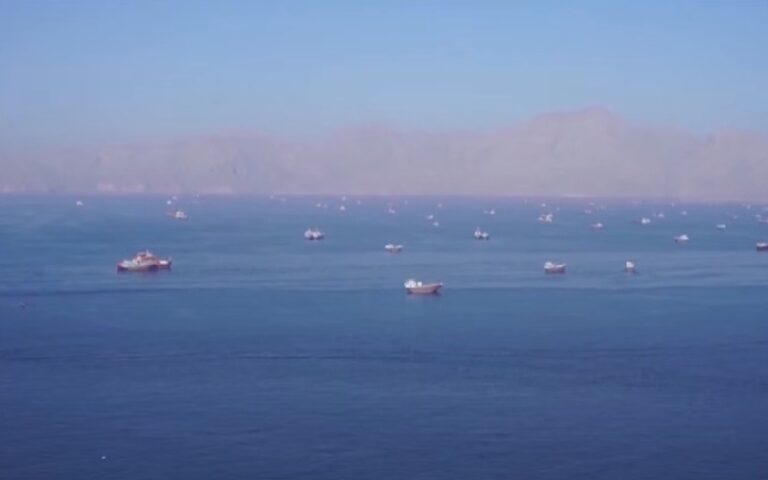
Reuters, citing data from maritime tracking company Kpler, reported that commercial ship traffic through the international Strait of Hormuz waterway dropped sharply over the weekend and has effectively come to the brink of a standstill following recent attacks on oil tankers.
According to the data, only five cargo-carrying vessels passed through the Strait of Hormuz on Saturday, and no crossings were recorded on Sunday, compared with 31 vessels during the previous weekend.
Among the vessels that crossed on Saturday were an empty very large crude carrier with its Automatic Identification System switched off and a very large gas carrier flying the Indian flag that was traveling via Iran’s route. A small tanker carrying Iranian regime fuel oil also exited the strait.
How the Strait of Hormuz Crisis Impacts the Livelihoods of the Iranian PeopleThe sharp decline came after the United Arab Emirates announced that three vessels operated by the Abu Dhabi National Oil Company (ADNOC) had been attacked while transiting the strait during the past week. The United States has also said it has the capability to continue its naval blockade of the Iranian regime indefinitely. Kpler warned that some vessels may have crossed the strait with their transmitters switched off, but even taking that into account, current traffic remains far below the more than 130 ships per day seen before the war. Before the war, the Strait of Hormuz carried about one-fifth of the world’s crude oil and liquefied natural gas shipments. Abbas Araghchi, the Iranian regime’s foreign minister, has also said that the resumption of shipping through this waterway depends on Washington accepting Tehran’s conditions. At the same time, traffic through the Bab el-Mandeb Strait, the strategic waterway connecting the Red Sea to the Gulf of Aden, has also declined, with Kpler recording 49 crossings over the weekend. During that period, no Saudi Arabian oil cargoes appeared in the tracking data.
Execution of Shahram Sadeghi, a Protester from Iran’s January Uprising
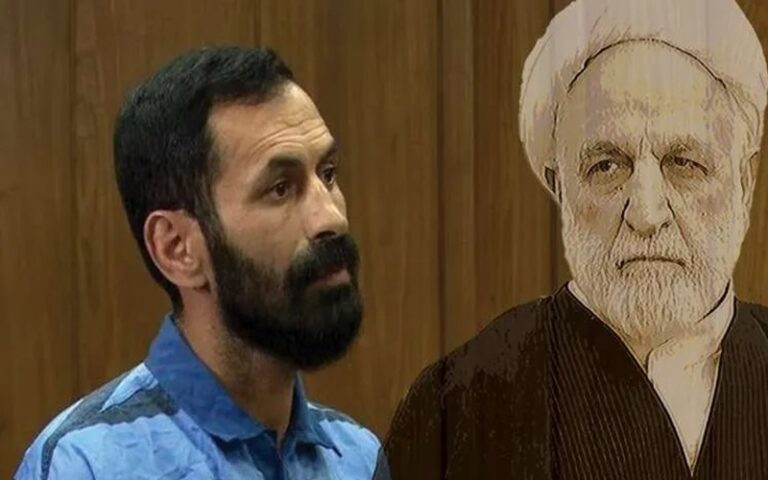
The Iranian regime’s Judiciary announced on the morning of Sunday, August 16, that Shahram Sadeghi had been executed. He was among those arrested during the nationwide protests in January 2026 in Karaj. Mizan News Agency, which is affiliated with the Judiciary, said the sentence was carried out after being upheld by the Supreme Court. Independent media outlets and human rights organizations also reported the execution.
Shahram Sadeghi’s Execution: What Was the Judiciary’s Version?
According to the Judiciary’s official account, Shahram Sadeghi was present at Golzar Intersection in Golshahr, Karaj, on the evening of January 8, 2026. Regime officials claimed that he drove a Pride car toward police officers. According to the same account, seven officers were injured in the incident, and one of them reportedly remained in a coma for three months.EU And 26 Countries Around the World Condemn the Execution of Protesters in IranIt should be noted that the basis for charges against protesters opposing the ruling dictatorship is fundamentally derived from statements by individuals affiliated with the government or from confessions obtained under torture, which is contrary to all established principles of due process and a fair trial. The Judiciary also said that the Karaj Revolutionary Court had convicted Shahram Sadeghi on charges of “operational action in favor of Israel, the United States, and hostile groups.” According to state media reports, the sentence included execution and confiscation of his property. The Supreme Court also upheld the ruling. Such inhumane sentences against young people and protesters who participated in demonstrations to demand their most basic rights, and the attribution of their actions to foreign countries, serve only to legitimize the rulings issued by the regime’s unjust courts.
Execution as a Tool of Intimidation
Over the past decades, the ruling regime has repeatedly used the death penalty in political and security-related cases. The execution of a protest detainee sends a clear message of intimidation to a society that has repeatedly taken to the streets against the status quo.Iran’s Healthcare Services in Crisis with Shortage of 100,000 Nurses

The shortage of 100,000 nurses in Iran’s healthcare system has now become one of the most serious crises facing the country’s medical services. Abbas Ebadi, the Deputy Minister of Health for Nursing Affairs, has also confirmed this figure. At the same time, the Ministry of Health has announced that it needs to recruit 60,000 personnel. However, Iran’s Administrative and Employment Affairs Organization has not yet responded to this request.
Abbas Ebadi, the Deputy Minister of Health for Nursing Affairs, spoke on August 14 about the state of the nursing workforce. He said that the Ministry of Health has formally announced its need to recruit new personnel. The request covers the entire healthcare system. However, the Administrative and Employment Affairs Organization has not yet announced the outcome of its review.
Iran’s Healthcare System on Verge of Crisis as Nurses Migrate En MasseThis situation continues even though the nursing shortage has been a serious issue for years. Officials at the Ministry of Health have repeatedly warned about the scale of the crisis. Despite these warnings, the recruitment process continues to face restrictions and delays.
The Erosion of the Healthcare System
According to the Deputy Minister of Health for Nursing Affairs, the process of recruiting personnel is time-consuming. He predicted that the recruitment quota would be determined during the second half of the current year. Once the Administrative and Employment Affairs Organization announces its decision, the quota will be finalized, after which the recruitment examination process will begin. According to his remarks, between 45% and 50% of recruitment exam positions are typically allocated to nursing. Given the scale of the current crisis, that figure raises serious questions. The healthcare system faces a shortage of 100,000 nurses. At the same time, new recruitment must both replace departing staff and meet new demands. Ebadi said that, at best, recruitment in recent years has only managed to keep pace with the number of workers leaving the healthcare system. Retirements and departures for various reasons account for part of this workforce decline. As a result, recruiting new personnel does not necessarily mean a real increase in healthcare capacity. Meanwhile, newly built hospitals also require staff. Expanding the number of hospital beds without providing nurses does not create genuine treatment capacity. A hospital bed without a nurse is effectively an incomplete and unusable part of the healthcare system.Why Does the Nursing Shortage Threaten Public Health?
The Deputy Minister of Health for Nursing Affairs distinguished between a shortage of personnel and the quality of the nursing workforce. However, he emphasized that the absence of either could endanger public health. That warning carries even greater significance in the context of a shortage of 100,000 nurses. Nurses are the first link in continuous patient care across many hospital departments. Increased workloads, staffing shortages, and job burnout can reduce the quality of care. These conditions also place greater pressure on nurses who remain on the job. Ebadi also spoke about the use of “piecemeal recruitment permits” to maintain the current situation. That description paints a clear picture of the state of hiring within the healthcare system. When recruitment merely offsets staff departures, the healthcare system cannot achieve sustainable growth. The nursing shortage is not just a figure in administrative reports. It is directly tied to the capacity to care for patients. If this situation continues, pressure on both healthcare workers and patients will continue to grow.The Numbers Highlight the Healthcare Crisis
Ebadi had previously stated that Iran has approximately 0.9 to 0.95 nurses per hospital bed, while the Ministry of Health’s stated standard is 1.8 nurses per bed. At the same time, heavy workloads, financial hardship, unstable contracts, and delayed benefit payments have driven some nurses to leave their jobs or emigrate. According to figures reported for 2025, around 3,000 nurses left the workforce, including 1,800 who quit their jobs, 800 who resigned, and 380 who emigrated. In addition, around 1,600 nurses retired. The continuation of this trend, combined with mandatory overtime and long shifts, has placed additional strain on healthcare workers and heightened concerns about the quality of medical services and the ability of Iran’s healthcare system to meet the population’s treatment needs.Spanish Daily El Debate: Inside Iran, an Organized Resistance Endures Against the Regime’s Wartime Crackdown
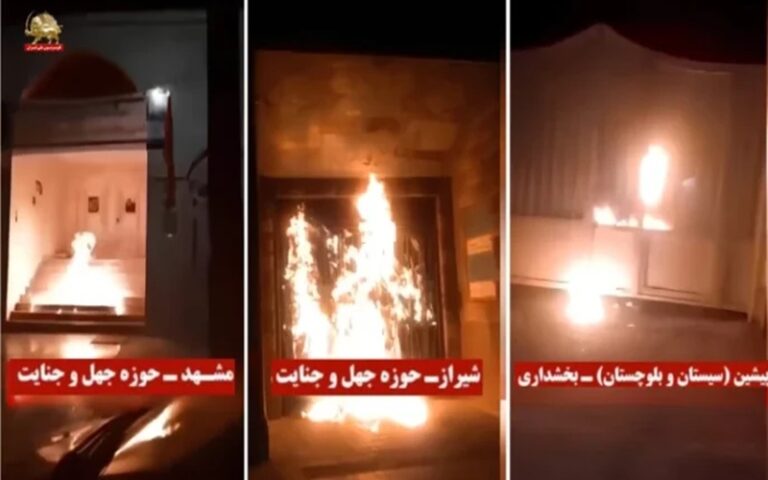
In an analytical report published by the Spanish daily El Debate, Firouz Mahvi, Political Director of the Brussels office of the National Council of Resistance of Iran (NCRI), examines the resilience of organized underground networks operating across Iranian cities. The analysis underscores that the Iranian authorities are actively exploiting external military conflicts and national security pretexts to intensify domestic repression, expedite sham trials, and escalate public executions to instill fear. However, Mahvi argues that this wave of intimidation reflects Tehran’s deep-seated anxiety over the resurgence of organized unrest, spotlighting the pivotal role of the “Resistance Units” affiliated with the People’s Mojahedin Organization of Iran (PMOI/MEK) in sustaining the momentum for democratic change.
Wartime Pretexts and the Machinery of Intimidation
The report highlights that external hostilities have not created Iran’s repressive apparatus but rather reinforced an existing coercive structure. Amnesty International has warned that authorities are explicitly citing “wartime conditions” to justify widespread crackdowns, while the UN High Commissioner for Human Rights cautioned that the death penalty is being weaponized to crush dissent. A stark manifestation of this terror campaign occurred on July 28 with the public hanging of two young protesters in Isfahan. The public executions drew swift international condemnation, notably from Madrid, where the Spanish Ministry of Foreign Affairs firmly condemned the killings and urged Tehran to halt pending death sentences against eight other demonstrators tried in the same case.Clandestine Operations Across Iranian Cities
Mahvi details how the Resistance Units continue to operate beneath a dense blanket of state surveillance. Their activities range from distributing anti-regime literature and posting defiance slogans to confronting centers of suppression. Marking the anniversary of the 1988 massacre of political prisoners, the network carried out 60 coordinated operations on August 7 across Tehran and 26 other cities. Extensive anti-execution campaigns and defiance actions were simultaneously documented in major urban hubs including Tabriz, Isfahan, Kermanshah, Rasht, and Zahedan. Despite systematic torture and death sentences handed down by Revolutionary Courts to suspected PMOI affiliates, the network’s operational footprint continues to expand.Spontaneous Protests Versus Organized Continuity
The analysis draws a crucial strategic distinction between spontaneous street demonstrations and structured clandestine resistance. While authorities can suppress open protests, disrupt telecommunications, and carry out mass arrests, they cannot easily dismantle an underground network designed to preserve contacts, strategic experience, and political continuity between successive uprisings. Mahvi emphasizes a significant generational dynamic: a large proportion of detained activists are university students and youths aged 18 to 21. Having known no other political reality than the current theocracy, this generation’s political consciousness has been forged through recurrent cycles of protest and state violence, cementing their commitment to fundamental change.The Strategic Imperative for Domestic Democratic Transition
The report situates these developments within the broader strategy articulated by NCRI President-elect Maryam Rajavi, which focuses on keeping resistance active between periods of mass mobilization so that each new uprising does not have to rebuild from scratch. Mahvi concludes that while foreign military actions may strike regime facilities, genuine and lasting democratic transition cannot be imported from abroad. The decisive factor remains the capacity of the Iranian people and their organized resistance networks to transform widespread public discontent into an organized political breakthrough, ensuring that fear does not dictate the nation’s future.Political Prisoner Denied Treatment in Greater Tehran Prison
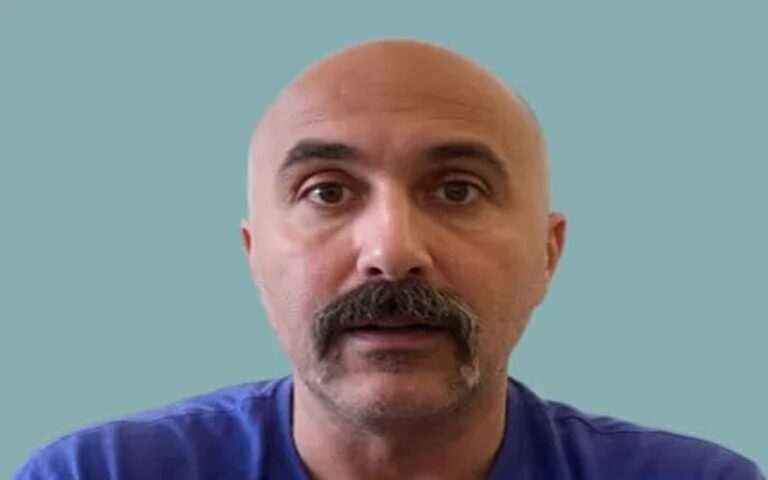
The physical condition of Hamid Haj-Jafar Kashani, a political prisoner held in Tehran Great Prison, has reportedly become concerned due to being denied appropriate medical care. The political prisoner suffers from serious spinal problems, gastrointestinal illnesses, and a heart condition, but according to information received, he has not been provided access to treatment appropriate to his medical conditions. At the same time, reports have emerged of increased pressure on him following his participation in the “No to Executions Tuesdays” campaign and his protests against the implementation of death sentences.
Despite these circumstances, reports indicate that he has not been provided with appropriate medical attention or the necessary healthcare services. The mental and psychological condition of the political prisoner has also been described as concerning due to his imprisonment conditions and the pressures imposed on him.
For a prisoner suffering from multiple illnesses, delays in diagnosis, specialized examination, or treatment can lead to a worsening of the illness and the emergence of more serious complications. Regardless of the nature of the charges or conviction, responsibility for providing medical care to a prisoner rest with the Prisons Organization and the responsible authorities.
In recent months, he has participated in the “No to Executions Tuesdays” campaign and protested the issuance and implementation of death sentences. An informed source said that these activities have met with negative reactions from some officials and individuals connected to his case, resulting in greater pressure being imposed on the political prisoner.
Six-Year Prison Sentence; Five Years to Be Served
Hamid Haj-Jafar Kashani, a former futsal referee, was previously sentenced to a total of six years in prison by Branch 23 of the Tehran Revolutionary Court. According to the verdict served on April 28, he was sentenced to five years in prison on charges of “assembly and collusion against the country’s security” and one year for “propaganda against the regime.” Under the provisions concerning multiple offenses, the harsher sentence, namely five years in prison, will be enforceable. Available reports indicate that the judicial proceedings were conducted under security pressures and that his chosen lawyer was not present, raising questions about the observance of his right to an effective defense in the case.Arrest During the Nationwide Protests in January 2026
Hamid Haj-Jafar Kashani was arrested on January 4, 2026, amid the nationwide protests. According to published information, he was arrested in front of Alaeddin Shopping Center in Tehran. He had previously been arrested on April 27, 2025, for carrying a protest placard on Enghelab Street in Tehran. Sources close to the case have attributed the judicial actions against him to his protest activities and positions. His record also includes a release from prison in 2022 after the implementation of his sentence was halted. Following the opening of a new case, he was arrested and tried again. According to the latest information received, Hamid Haj-Jafar Kashani is being held in Unit One of Ward Six of Tehran Great Prison. It has also been reported that his transfer to this prison, along with several other political prisoners, was punitive in nature.Iran’s Regime Cuts Food Voucher Benefits Under ‘Overseas Resident’ Label
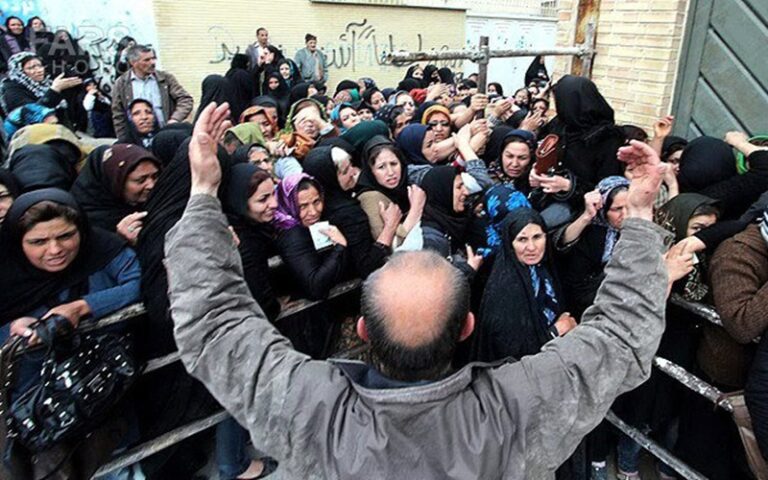
In its latest move against low-income segments of society, the Iranian regime has suspended food voucher benefits for a large number of citizens and, through text messages, has instructed them to visit government service offices to prove they are in Iran; otherwise, they will be classified as overseas residents and will no longer be eligible for the vouchers.
Many citizens have gone to these government service offices after receiving the messages, creating crowded lines of people trying to prove that they live in Iran. Even more striking is that they must also pay a fee to prove their presence.
The government’s move has sparked widespread reactions, with many social media users pointing out that even if the goal were to cut food vouchers for people living abroad, there are much simpler ways to verify residency—unless the real objective is to generate revenue from citizens while creating yet another burden for them.
The monthly food voucher allocation is 10 million rials (about $5.3) per person. The benefit is provided in non-cash form and is designated for purchasing essential goods.
A citizen who had visited a government service office in Tehran to verify residency wrote on X that amid the crowd of people trying to prove they were in Iran, a child wearing torn sandals caught their attention. The child had come with his father to prove they were not living abroad. According to the account, when the father learned he had to pay 1.4 million rials (about 14% of the voucher’s value) to register the residency verification, he said he could not afford the fee, took his child’s hand, and left the office.
The regime is generating revenue from the fees it charges people to prove their residency while also likely hoping that some citizens will abandon the process of reclaiming their food vouchers and ultimately be removed from the list of beneficiaries.
In a statement, the Ministry of Welfare said that if the head of a household is not present in the country or their residency in Iran cannot be verified, the entire household will lose eligibility for food vouchers and subsidies. However, if another household member is abroad, only that individual will be removed from the list of recipients.
According to the Ministry of Cooperatives, Labor and Social Welfare, people who received the text message have until September 21 to visit government service offices in person. Otherwise, their food vouchers will be completely canceled. The issue, however, is that the government stopped paying these benefits in August and has made restoring them conditional on verifying residency in Iran.
The state-run news website Entekhab, in a report titled “Is Residency Verification an Excuse to Generate Revenue from the Poor?”, wrote: “A citizen who needs food vouchers to cover essential living expenses first loses this support and then must visit multiple offices and pay fees to have it restored.”
The Iranian regime has no objective other than reducing its own costs and reaching into people’s pockets; otherwise, verifying whether individuals are in Iran could easily be done through the recorded data on citizens’ entry to and exit from the country’s borders.
The state-run Entekhab website also asked whether the real purpose of this process is truly “identity verification” or creating a new source of revenue by cutting food vouchers and forcing citizens to visit service offices.
The consequences of cutting citizens’ food vouchers become even clearer when considering that the government has also classified many people who travel to neighboring countries—including Armenia, Turkey, and Iraq—for work and livelihood as “overseas residents” and has cut their benefits.
A video showing crowds outside a government service office in the border town of Maku illustrates the situation. Residents say that because of economic conditions in border regions, they travel to Turkey several times a month for work and to earn a living, but their permanent residence remains in Iran. Nevertheless, their frequent cross-border travel has caused government systems to classify them as “overseas residents.”
Some low-income people are forced to sell their food vouchers for small amounts of money to cover medical expenses.
The problems surrounding the food voucher program are not limited to benefits being cut under the label of “living abroad.” Field reports published in recent weeks show that many stores have stopped accepting vouchers because of government delays in reimbursing them.
Some retailers also told the state-run ISNA news agency that they purchased goods with their own capital and provided them to consumers, while the voucher amount was deducted from households’ accounts, yet the stores still have not been reimbursed. This is despite the program’s guidelines stating that settlements should take no more than 72 hours.
Canada Sanctions Five Political and Military Officials of the Iranian Regime
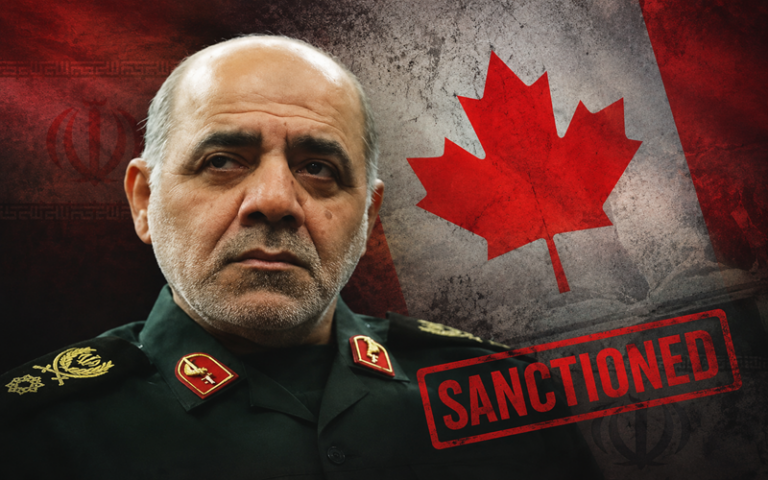
The Canadian government announced on Friday, August 14, that it had imposed sanctions on five military and political officials of the Iranian regime. According to Ottawa, the move was taken in response to these individuals’ roles in actions that undermine international peace, security, and stability.
Canadian Foreign Minister Anita Anand said the individuals had been designated under the Special Economic Measures (Iran) Regulations. According to the Canadian government, the actions of those sanctioned—including threatening freedom of navigation in and around the Strait of Hormuz—are contrary to international law.
US Treasury Secretary: The Iranian Regime Will Be Isolated in a Way the World Has Never SeenAmong those sanctioned is Ali Abdollahi, the former commander of Khatam al-Anbiya Central Headquarters. On August 10, he was appointed as the new chief of staff of the Iranian regime’s Armed Forces under a decree attributed to Mojtaba Khamenei. Anand said that freedom of navigation in the Strait of Hormuz is vital for global trade and energy security, and that the new sanctions target individuals whose actions undermine these principles and threaten the world’s economic and energy security.
Four Other Officials Added to the Sanctions List
Canada also sanctioned Ebrahim Zolfaghari, spokesperson for Khatam al-Anbiya Central Headquarters; Ebrahim Azizi, chairman of the National Security and Foreign Policy Commission of the Iranian regime’s parliament; Shahram Irani, commander of the Iranian regime’s Navy; and Hamid Hosseini, chairman of the board and spokesperson for the Iranian Oil, Gas and Petrochemical Products Exporters Union. The sanctions come as the Strait of Hormuz has become one of the main focal points of regional tensions and disputes over maritime security and energy transportation.Asset Freezes and Entry Ban
Under Canada’s sanctions regulations, conducting transactions with individuals on the sanctions list is prohibited, and any assets they may hold in Canada will be frozen. Individuals and entities subject to Canadian law, both within Canada and, in some cases, abroad, are also prohibited from making property or financial resources available to the sanctioned individuals. Those placed on the sanctions list will also be subject to a ban on entering Canada.US Treasury Secretary: The Iranian Regime Will Be Isolated in a Way the World Has Never Seen
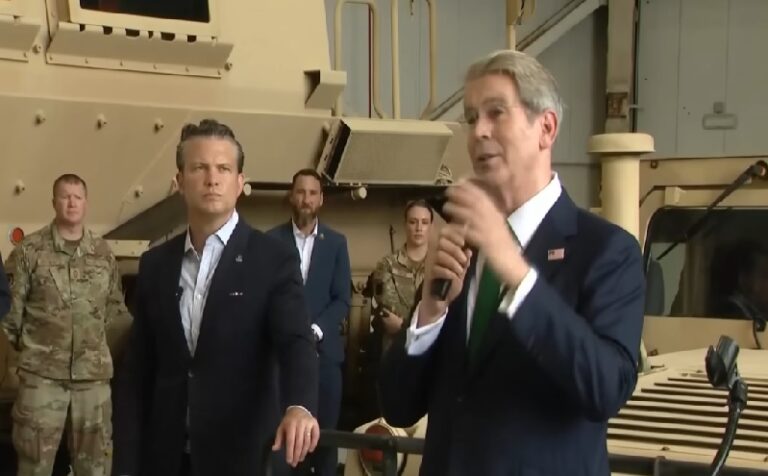
While there are no signs that tensions between the Iranian regime and the United States are easing, U.S. Treasury Secretary Scott Bessent announced new and “unprecedented” economic measures against the Iranian regime, saying Washington will continue its maritime blockade of Iran’s ports alongside intensified financial pressure.
Speaking to the Newsmax television network on Thursday, August 13, Bessent said details of the new U.S. measures will be released next week. According to him, the measures will subject the Iranian regime to a level of economic isolation the world has never witnessed before.
U.S. Sanctions Cryptocurrency Exchange Network Linked to Iran’s regimeThe U.S. Treasury secretary said the policy has two main pillars: intensifying economic isolation and continuing the maritime blockade in the Strait of Hormuz, which he said could prevent goods from entering and leaving the Iranian regime’s ports.
