

International Figures Gather in Berlin to Discuss Iran Protests and NCRI’s Ten-Point PlanHowever, remarks by a member of the regime’s Majlis (parliament) present a different picture. Mohammad Seraj, a member of the Majlis Social Commission, referring to the existence of unidentified bodies, stated: “Some bodies have not been identified; no one has come forward to follow up on them, and they did not have identification documents with them. Therefore, we must take various approaches to identify them.” This clear contradiction between the official denial by government bodies and the statements of a parliament member once again highlights the regime’s efforts to control the real number of those killed and to conceal the scope of the uprising’s repression. Such inconsistencies show that the reality regarding the number and status of the victims’ bodies remains shrouded in ambiguity. The dimensions of the January crime are not limited to the death toll. The widespread repression of protesters, mass arrests, pressure and threats against families to remain silent, prevention of memorial ceremonies, and efforts to conceal the true number of those killed are part of an organized policy implemented to instill fear and prevent the expansion of the uprising.
Iran’s Regime Continues to Cover Up Information About Unidentified Bodies of Women Killed in Protests
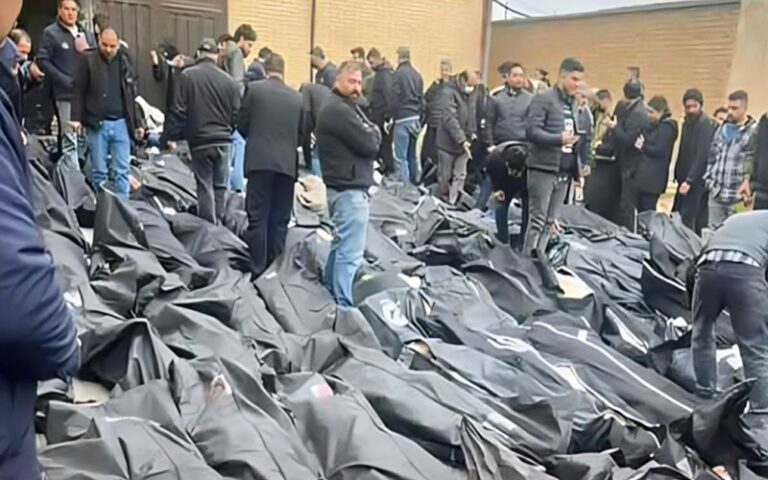
According to published reports, the bodies of 50 women killed in Iran’s January uprising remain unidentified at the Kahrizak Forensic Medicine Center, located south of Tehran. This issue has been raised while the regime’s Forensic Medicine Organization and judiciary have officially denied the existence of “50 unidentified bodies of female protesters from Tehran.”
In its statement, the Forensic Medicine Organization claimed that only seven unidentified bodies are held at the center, all of them male, and that all deceased women have been identified and handed over to their families. The statement described the report about 50 unidentified bodies as “completely unreal and an absolute lie,” and also denied that any visit to the facility had taken place by the Sociology Association of Tarbiat Modares University, a major public university in Tehran.
The Iranian Regime’s Currency Crisis and Family Oil Rents
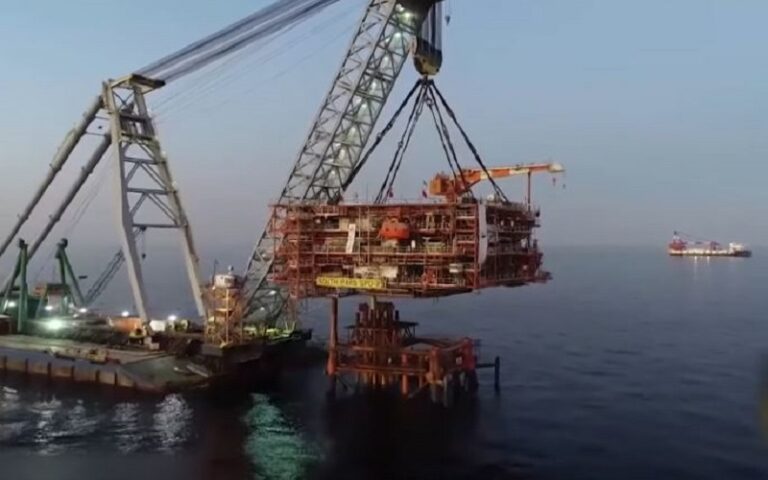
While the currency and economic crises have crippled Iran’s oil industry, new reports have emerged about the family members of oil executives operating in foreign markets. The name of Ali Khamenei, the Iranian regime’s supreme leader, and the power structure under his supervision appears in the background of this story; a structure that has long been associated with allegations of systematic corruption.
According to a report published by the state-run outlet Seday-e Naft, one of the senior managers of NICO (Naftiran Intertrade Company), the foreign trading arm of Iran’s oil sector, is under scrutiny while his daughter works at the shipping office of a well-known oil trader in Dubai’s Business Bay district. Her monthly salary has been reported at about 20,000 dollars. This figure is being discussed at a time when many employees in Iran’s domestic oil industry are facing delayed wages and reduced benefits.
Thirty-Eight Percent of Iran’s Oil Revenue Did Not Return to the Country From March to NovemberThe presence of oil executives’ children at the heart of regional oil trade has raised serious questions. Dubai’s Business Bay is considered one of the main hubs for commercial and oil trading companies in the emirate. The placement of relatives of oil managers in such positions, at a time of severe foreign currency restrictions inside Iran, has drawn public attention. Reports also indicate that this individual has purchased a luxury apartment unit in Downtown Dubai. Informed sources have stated that the acquisition was made relying on family financial resources. For years, NICO has been known for controversial financial cases and opaque oil dealings. The company serves as the foreign arm of the Iranian regime’s oil trade, and many oil transactions under sanctions have been conducted through it. However, transparent and detailed reports about its financial performance are not publicly available. Now, the issue of the so-called “privileged oil offspring” has once again brought the company’s name into the spotlight.
The killing of the hungry in the streets and the dollar-based lifestyle of oil executives’ children
At a time when the government speaks of a shortage of foreign currency resources, the dollar-based lifestyle of oil executives’ children creates a stark contrast. The oil industry is struggling with an investment crisis and aging equipment. Contract workers have repeatedly protested their living conditions. Nevertheless, the so-called privileged oil offspring apparently remain unaffected by these crises. So far, no official response has been issued by NICO or the individuals named. The silence of responsible authorities has increased the ambiguities. Oversight bodies have also provided no explanation regarding the legal framework governing the employment of oil executives’ relatives in foreign companies. This lack of accountability has once again highlighted the issue of conflicts of interest. This case is only one example of a structure that has taken shape over decades, a structure in which rent-seeking, family ties, and access to public resources are intertwined. The experience of the past four decades has shown that this cycle of corruption is not reformable within this system.India Has Seized Three Oil Tankers Linked to Iran’s Regime This Month
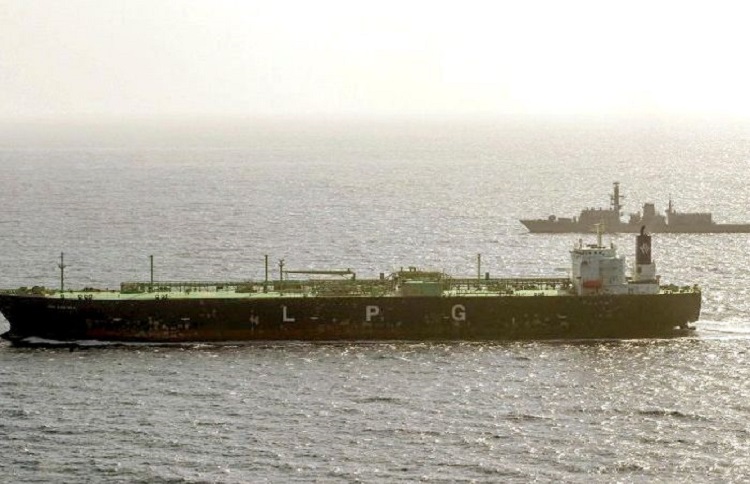
India has seized three oil tankers under U.S. sanctions that were linked to Iran’s regime this month and has simultaneously increased surveillance of its waters to counter illegal trade.
An informed source told Reuters on Monday that New Delhi is trying to prevent the use of its waters for ship-to-ship transfers of oil cargoes, a method used to conceal the true origin of the oil.
Indian Navy Seizes Three Oil Tankers Linked to Iranian RegimeThe source added that the tankers “Stellar Ruby,” “Asphalt Star,” and “Al Jafzia” have repeatedly changed their identities to evade regulatory authorities of coastal countries, and their owners are based outside India. According to the source, these actions follow an improvement in relations between India and the United States. Washington announced earlier this month that it would reduce tariffs on Indian goods from 50% to 18%, a decision made after New Delhi agreed to halt imports of Russian oil.
Iranian Regime Official Rejects Zero Nuclear Enrichment

Majid Takht-Ravanchi, deputy foreign minister of Iran’s regime, announced that the Iranian government does not accept zero enrichment, but if the lifting of sanctions is placed on the agenda, it is ready to consider “compromise” in nuclear negotiations.
Speaking on Sunday, February 15, in an interview with BBC World, Takht-Ravanchi said that if the United States is willing to engage in talks about lifting sanctions, Iran’s regime will consider compromise to reach a nuclear agreement.
He added that the ball is in America’s court to prove that it seeks an agreement. If they are sincere, I am confident we will move toward reaching a deal.
Iran’s Regime Nuclear Program: Escalation, Military Capabilities, and Regional ConsequencesReferring to the regime’s proposal to dilute its 60% enriched uranium stockpile, Takht-Ravanchi described it as a sign of readiness for compromise and acknowledged that they are prepared to discuss this issue and other matters related to the nuclear program, provided the other side is also ready to talk about sanctions. He did not clarify whether the Iranian government seeks the removal of all sanctions or only part of them. US President Donald Trump and other American officials have repeatedly emphasized that they will not allow Iran’s regime to obtain nuclear weapons. On February 13, Rafael Grossi, Director General of the International Atomic Energy Agency (IAEA), stated at the Munich Security Conference that following the 12-day war, the status of Iran’s regime’s nuclear program has fundamentally changed. However, if Tehran and Washington reach an agreement, it is still possible to design an inspection system for Iran’s nuclear facilities. At the same time, he warned that the current state of Tehran’s nuclear file is not sustainable in the long term.
“Zero Enrichment Is No Longer on the Table”
Continuing the interview, the deputy foreign minister of Iran’s regime, in response to a question about the possibility of Tehran agreeing to remove more than 400 kilograms of highly enriched uranium from the country, said it is still too early to comment on what will occur during negotiations. Takht-Ravanchi once again emphasized the continuation of enrichment by Iran’s regime and added that the issue of zero enrichment is no longer under discussion and, from Iran’s perspective, is no longer on the negotiating table. On February 12, President Trump stated that a “good deal” with Tehran would be an agreement without nuclear weapons and without missiles. On February 2, Reuters reported that Tehran is prepared to show “flexibility” in potential negotiations with Washington over the contentious issue of uranium enrichment, including by handing over 400 kilograms of highly enriched uranium and accepting zero enrichment within the framework of a consortium mechanism. However, Iranian government officials denied agreeing to remove enriched uranium stockpiles from the country.Takht-Ravanchi’s Warning About the Consequences of War
Referring to the US military presence in the region and the possibility of an attack on Iran, Takht-Ravanchi warned that war would be a bitter and harmful experience for everyone… everyone would suffer, especially those who initiate such aggression. He said Iran’s regime cannot be “100 percent certain” about resolving differences with the United States through diplomacy and must remain vigilant to avoid being caught off guard. At the same time, Takht-Ravanchi added that the Iranian government will participate “with hope” in the next round of talks, scheduled to be held on Tuesday, February 16, in Geneva. The first round of talks between Tehran and Washington following the 12-day war was held on February 8 in Muscat, the capital of Oman.Iran’s Regime Arrests Nurses, Tries to Conceal the January Massacre
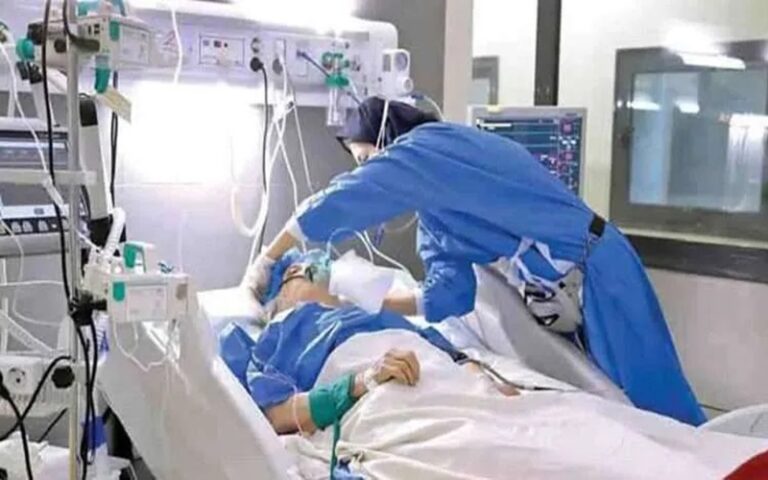
Following the January 8 and 9 massacre, a wave of arrests targeting nurses began in various cities across Iran. State-run media outlets have only made limited references to these arrests. Grassroots sources had previously reported that several nurses were detained for providing medical care to individuals injured during the protests. No official statistics have been released, and the legal status of those detained remains unclear. This ambiguity has raised serious questions.
According to remarks by Mohammad Sharifi-Moghaddam, Secretary-General of the Iranian Nurses House, published on February 11 by the state-run Tosee Irani news outlet, several nurses have been arrested in Tehran, Isfahan, and other cities. He emphasizes: “He does not have exact statistics. Calls from families and colleagues are his only source of information. The arrest of nurses has continued even in the days after the protests. Last week, a nurse working at a home nursing care center was also arrested at her residence.”
Secretary-General of Iran’s House of Nurses: Nurses Have Been Arrested in Several Cities
Arrest of Nurses and the Vacuum of Official Accountability
Sharifi-Moghaddam questions which institution is responsible for following up on the situation of these nurses. He says: “Nurses feel they have no guardian. The Ministry of Health and the Nursing Organization have not provided any transparent report so far. The arrest of nurses is taking place while this group has faced economic pressures and staff shortages for years. Difficult and exhausting working conditions are part of the reality of their professional lives.” Nurses play a frontline role in times of crisis. During the COVID-19 pandemic, many lost their lives. Now, during the January protests, they treated the injured. Sharifi-Moghaddam states: “A nurse’s duty is not limited to the hospital. Wherever there is an injured person, medical staff must provide assistance.” He then refers to the “Law on Punishment for Refusal to Assist the Injured and Remove Life-Threatening Dangers, adopted in 2015.” Under this law, refusing to provide assistance in dangerous situations is considered a crime. Nevertheless, the arrest of nurses occurred after they carried out this very legal duty. This contradiction is striking. If assisting the injured is a humanitarian and professional obligation, why has fulfilling it led to detention? Reports indicate that the arrests were carried out because the nurses provided medical services to individuals injured during the protests.But what is the reality? Arrest of Nurses; An Attempt to Silence Witnesses to the Crime
The January 8 and 9 protests were met with widespread violence by the Islamic Revolutionary Guard Corps (IRGC), the regime’s main military and security force. Local sources reported that thousands of young people were killed, injured, or arrested. In such circumstances, nurses were among the first to confront the wounded bodies. They became directly familiar with the extent of the injuries. The arrest of nurses could therefore signify pressure on eyewitnesses. The lack of clarity regarding the number of detainees reinforces speculation that the objective is to control the narrative. When the number of those killed and injured is not transparently announced, arresting medical staff can restrict the flow of information. Families remain unaware of the fate of some detainees. No official report has been published regarding their place of detention or possible charges. The arrest of nurses following the January massacre presents a shocking image of how medical personnel are treated. Nurses who were legally obligated to provide assistance are now themselves detained. This process not only violates their professional rights but also suggests an effort to conceal the scale of repression. When the regime targets witnesses to the wounds instead of providing accountability, it has no aim other than hiding the dimensions of the crime.Iran’s Regime Nuclear Program: Escalation, Military Capabilities, and Regional Consequences
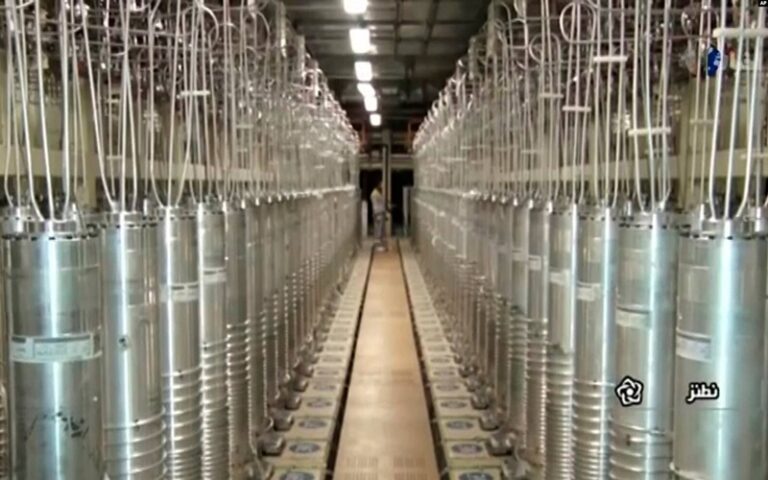
Concerns about the nuclear program of the Iranian regime have been a longstanding issue in Western foreign policy and in the Middle East region. After the National Council of Resistance of Iran (NCRI), an Iranian opposition coalition, revealed secret nuclear facilities in the early 2000s, the world became aware of the scope of the Iranian regime’s malign nuclear program. The United States withdrew from the nuclear agreement in 2018, and since then the Iranian regime has expanded its nuclear activities while international oversight has become more limited.
Following Israeli and U.S. strikes on nuclear facilities in 2025, satellite images show that the Iranian regime is rebuilding damaged sites. Negotiations between the United States and the Iranian regime were raised again in 2026, coinciding with a popular uprising in Iran. When nationwide anti-regime protests began in December 2025 and the authorities responded with severe repression, the United States once again considered military action.
U.S.-Based Institute: Iran Fortified Isfahan Nuclear Facility as It Did Before the 12-Day War
Timeframe to Produce a Nuclear Weapon
The Iranian regime does not yet possess a nuclear weapon, but much of the necessary technical and industrial infrastructure for producing one is already in place. According to U.S. intelligence estimates, the Iranian regime could produce enough fissile material for a weapon within a few months. Some assessments put the time needed to produce the raw material at as little as one to two weeks, although converting that material into an operational warhead would require additional time. The goal of the Joint Comprehensive Plan of Action (JCPOA), the 2015 nuclear deal between Iran and world powers, was to extend this breakout time to at least one year, giving governments time to respond. After the United States withdrew from the agreement in 2018, the Iranian regime increased enrichment levels and reduced access for inspectors from the International Atomic Energy Agency (IAEA). The last full inspections were carried out in 2021. Rafael Grossi, Director General of the International Atomic Energy Agency, announced in December 2024 that the Iranian regime had increased uranium enrichment to about 60%, a level close to the 90% threshold required for nuclear weapons fuel. An IAEA report in May 2025 showed that the stockpile of near-weapons-grade uranium had increased by about 50% over several months, an amount that could be sufficient for approximately ten nuclear weapons.Head Of Atomic Energy Organization of Iranian Regime: Grossi Is ‘Part of the Enemy’U.S. intelligence in early 2025 also reported on the activity of a secret team of scientists pursuing a faster, albeit simpler, method of building a bomb. This increase in stockpiles and concerns about the shortening of the “nuclear breakout” time were cited as reasons for the U.S. strike on the Iranian regime’s nuclear facilities in 2025. Despite announcements that these facilities were destroyed, satellite imagery indicates that some are being rebuilt. The Iranian regime conducts nuclear fuel cycle-related activities at more than ten sites across the country. The most important enrichment center is located in Natanz, which was damaged in the 2025 strikes. The country’s only nuclear power plant for electricity generation is located in Bushehr. In a report in May 2025, the International Atomic Energy Agency stated that the Iranian regime had carried out undeclared nuclear activities at three previously unknown sites in Lavizan-Shian, Turquzabad, and Varamin, locations near Tehran. These reports have sustained doubts about the possible military dimensions of the program.
Military and Missile Capabilities
The Iranian regime possesses a diverse array of missile capabilities. U.S. intelligence analysts say the regime maintains the largest ballistic missile arsenal in the Middle East. It has been reported that the Iranian regime’s long-range missiles are capable of reaching targets up to 2,000 kilometers or even farther, across the Middle East and parts of Europe. In attacks in 2024, the Iranian regime directly targeted locations in Israel for the first time. The first attack involved drones and missiles, and due to prior warning there was sufficient time for interception. The second attack in October of that year relied mainly on ballistic missiles and was carried out without warning, reaching its targets within minutes. Satellite images showed that more than 30 missiles struck an airbase in southern Israel, suggesting either that Israel chose not to intercept those particular attacks or that its defense systems failed. Analysts warn that future attacks could be larger and harder to intercept, especially if the Iranian regime makes greater use of more advanced weapons such as the “Fattah-1” and “Kheibar Shekan” missiles.What Would Be the Consequences of the Iranian Regime Acquiring a Nuclear Weapon?
Many foreign policy experts warn that a nuclear-armed Iranian regime would pose a serious threat to the region. Some regional analysts fear that a nuclear-capable regime would likely become more emboldened and pursue a more aggressive foreign policy, not only regionally but also through expanding military and economic cooperation with China and Russia. The Iranian regime has supplied Moscow with various weapons systems, including drones and short-range ballistic missiles, to bolster Russian forces in the war in Ukraine. There is also concern that the Iranian regime’s acquisition of a nuclear weapon could encourage other countries in the region to pursue similar capabilities, potentially triggering a dangerous nuclear arms race. Although it remains unclear how the talks in Oman will ultimately proceed, it is evident that a difficult path lies ahead. According to many nuclear experts, the Iranian regime will strongly oppose any complete dismantlement of its nuclear facilities, particularly as the nuclear program is now considered one of Tehran’s last remaining geopolitical levers after the weakening of many of its regional proxy forces.The Shadow of Anxiety Over Iran’s Education, School Seats Are Emptying
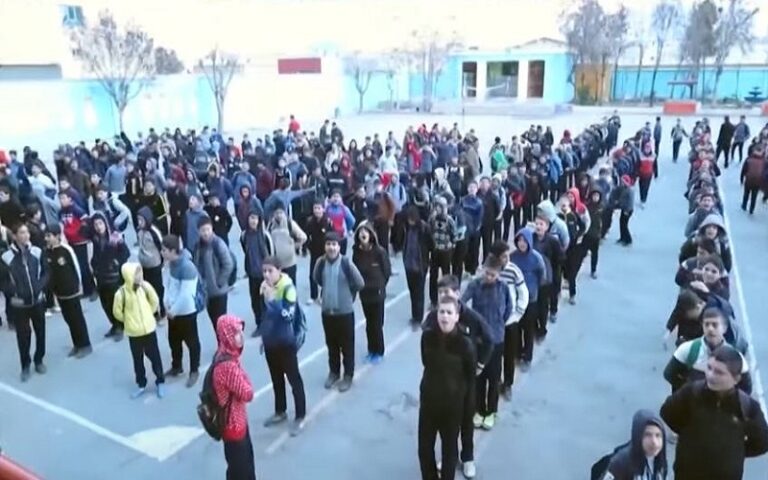
In recent months, the link between security and educational stability in Iran has faced an unprecedented challenge. The continuation of regional tensions and the provocations of the mullahs’ regime, along with fears of potential military conflict and the inaction of responsible institutions in ensuring psychological safety, have led many families to refrain from sending their children to schools and educational centers. This report examines the roots of this widespread absenteeism and its devastating consequences for the country’s education system.
Fear of Insecurity and the Emptying of Classrooms
Today, instability and anxiety overshadow daily life, and for many families, school is no longer considered a safe place. Following the escalation of tensions and growing concerns about external conflicts, parents face serious doubts every morning. They ask themselves whether sending their child to school under such conditions is safe or not. Field reports indicate a significant decline in student attendance in some educational centers. Although no official statistics have been published, the scope of this phenomenon appears to be extensive. Conversations with teachers and parents show that fear and distrust regarding the safety of the educational environment are the main concerns. Gradually, these worries have led to the normalization of student absenteeism across society. One mother says: “At first, even when the internet was cut off or had just been restored, teachers would take attendance on the Shad network (a government-developed educational application in Iran). It was clear who was present in class and who was not. But now even that is gone. It is as if it no longer matters whether a child attends class or not.”The Painful Story of School Dropout Caused by Poverty in Iran
Educational Pressures Alongside Psychological Crises
The rushed nature of educational processes has placed additional pressure on students. They must cope not only with external stress but also with heavy homework loads and frequent exams. A mother says: “There is stress, falling behind, and too much homework. The child is truly under pressure.” The consequences of this situation are not limited to absenteeism. Students are losing their motivation to learn. When classes are repeatedly canceled and lessons are left unfinished, indifference replaces academic enthusiasm. Families are now forced to choose between education and safety. For many, the final choice is entirely clear. They believe: “Right now, the priority is protecting our children’s lives. If lessons fall behind, they may be made up, but a life cannot be brought back.” This phenomenon is spreading widely. Many parents are refusing to send their children to school.Crisis of Quality and Bitter Memories of the Past
In addition to security concerns, the low quality of instruction is another factor contributing to empty schools. A lower secondary school student says: “The truth is, whether we go to school or not does not make much difference. The education system has become so weak, and many teachers teach with such low quality that our presence does not have much impact.” Teachers also confirm that students’ willingness to attend classes has declined. In a class of 18 students, sometimes only five or six are present. Some students work to support their families, while others lack motivation.School Closures Sweep Iran as Air Pollution, COVID-19, and Influenza SurgeStudies show that fluctuations in student attendance have led to a noticeable nationwide academic decline. The disparity in scores in the final exams of June 2025 clearly reflects this inequality. While the average score in District 6 of Tehran is 14.84, in Mirjaveh, a deprived city in Sistan and Baluchestan province in southeastern Iran, it drops to 5.26. This deep educational gap indicates widespread learning poverty within the current system. According to international statistics, 70% of Iranian students perform below the global average. The combination of fear of war, bitter security-related memories, and structural weaknesses in the education system has distanced schools from their primary function. As families choose life over education in this painful dilemma, the silence and inaction of officials have deepened the scale of the disaster. Life versus education—which should take priority?
European Parliament Passes Resolution Condemning Gross Human Rights Violations in Iran
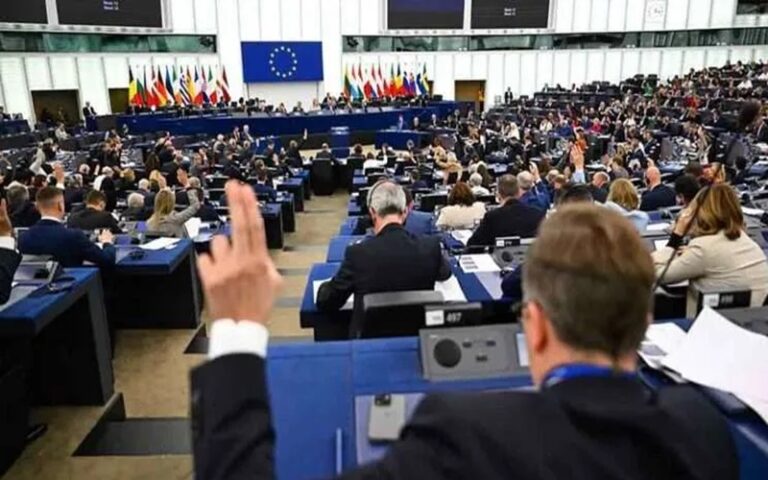
The European Parliament adopted a resolution strongly condemning the systematic repression and widespread human rights violations in Iran. The resolution, which passed with 524 votes in favor, three against, and 41 abstentions, strongly objected to arbitrary arrests, enforced disappearances, torture, extrajudicial killings, and inhumane conditions in Iran’s prisons.
In the resolution, the European Parliament called on United Nations bodies to document the crimes of Iran’s regime and ensure that those responsible are held accountable. It also called for Iran’s case to be referred to the International Criminal Court.
Iranian Regime Officials Committed Mass Massacres, Human Rights Body ReportsIn addition, the European Parliament urged the Council of the European Union and its member states to implement targeted sanctions against those responsible for human rights violations in Iran, including members of the Islamic Revolutionary Guard Corps (IRGC), security officials, prosecutors, and prison authorities, through asset freezes and travel bans.
Main Debates in the European Parliament Session
On Monday, February 11, 2026, the European Parliament held a session on the systematic repression, inhumane conditions, and arbitrary detentions carried out by Iran’s regime, during which members of parliament strongly condemned the human rights situation in Iran and emphasized the need to support the Iranian people and the Iranian Resistance. During the session, members referred to the regime’s widespread crimes against the people and stressed the need for immediate and decisive action by the international community to support protesters and pressure regime officials. Carlo Ciccioli said that thousands of massacres, arbitrary arrests, disappearances, torture, forced confessions, and show trials; Iran has one of the highest numbers of political prisoners in the world. No one is safe from the regime’s oppression, not even women and minorities. Listing the IRGC as a terrorist organization was a positive step, but it was done far too late. We must support the Iranian Resistance and take further measures to confront this regime. Anna Strolenberg also referred to the horrific conditions of prisoners in Iran and said that thousands have been killed in Iran and tens of thousands in prisons face the threat of execution or rape. We owe it to the people of Iran to see the human stories behind these statistics. We must seize the assets of the IRGC and support those who seek freedom and democracy.Nora Junco García referred to the large demonstration of Iranians in Berlin and said that the European Union must heed the demands of the Iranian people and assist them. The regime spends millions of euros to finance terrorism while the people of Iran live on the equivalent of 5 euros per day. This is a revolution of the thirsty; they do not even have drinking water.Mai Sato: Pattern of Due Process Violations in Iran ‘Repeating on a Broader Scale’ #IranRevolution #FreeIran2026 #No2ShahNo2Mullahshttps://t.co/lVW4KyU1n8
— Iran Focus (@Iran_Focus) February 13, 2026
Call for Prosecution of Iran’s Regime Officials
Petras Austrevicius also emphasized that Iran’s regime continues to repress its own people and has made living conditions unbearable. He called for the punishment of those responsible for repression and for increased pressure and sanctions by the European Union. Alice Bah Kuhnke also referred to victims of the regime’s violence and said that injured protesters do not even go to hospitals for fear of arrest, as they may be transferred from there to places from which they will never return. Doctors and medical staff are imprisoned for saving lives. Finally, other representatives such as Antonio López-Istúriz and Reinhold Lopatka also stressed the need for stronger European action against Iran’s regime and said that Iran’s future must be determined by the Iranian people. These statements and follow-ups in the European Parliament ultimately led to the adoption of a resolution condemning the systematic repression by Iran’s regime and calling for documentation of these crimes by United Nations bodies and the imposition of targeted sanctions against those responsible for human rights violations. The resolution was adopted with 524 votes in favor, three against, and 41 abstentions.Bloomberg: Hilton Reviews Contract for Hotel Linked to Mojtaba Khamenei
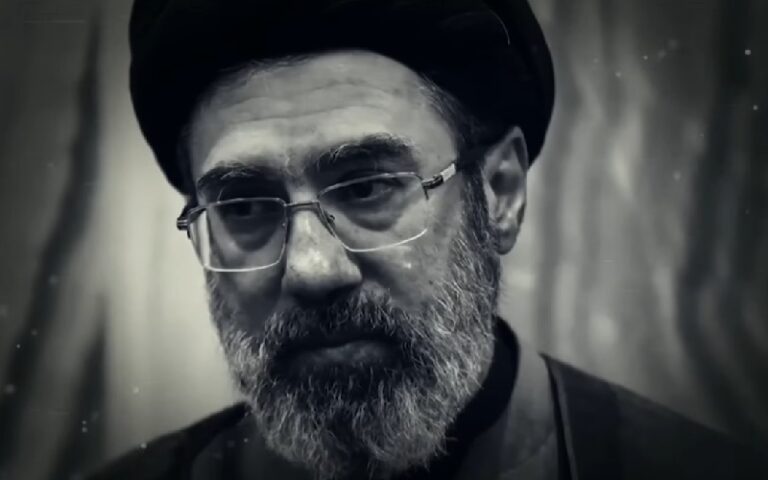
Following a Bloomberg investigation into the asset network linked to Mojtaba Khamenei, the American company Hilton has launched a review over whether to continue managing a hotel in Germany. Mojtaba Khamenei is the second son of Ali Khamenei, the supreme leader of Iran’s regime.
Bloomberg reported on Thursday, February 12, 2026, citing informed sources, that Hilton Worldwide Holdings is evaluating whether continuing to operate the Hilton Frankfurt Gravenbruch hotel could expose the company to the risk of US sanctions.
According to Bloomberg’s recent findings, the ultimate beneficiary of the property is Mojtaba Khamenei, the second son of Ali Khamenei, who has been under US sanctions since 2019.
The IRGC Affiliate with A 400 million Euro Empire in Europe
Possibility of Suspension or Termination of the Contract
According to Bloomberg, the Hilton Frankfurt hotel is operated under a long-term contract with Allsco Gravenbruch Hotelbetriebsgesellschaft mbH, a company that has owned the property since 2011. Informed sources said that after the publication of Bloomberg’s report, the ownership structure was raised at senior levels within Hilton, and the company, alongside its internal reviews, has also sought the opinion of independent experts. According to these sources, among the options under consideration are suspending or even terminating the management contract for the Hilton hotel in Frankfurt, and the final decision will depend on the outcome of the evaluations.Ongoing Revelations About Mojtaba Khamenei’s Financial Network
The issue of the Hilton Frankfurt hotel’s connection to Mojtaba Khamenei follows Bloomberg’s earlier exposé of his property empire. A January 28, 2026, Bloomberg report revealed an extensive network of investments in Europe and the Middle East linked to Mojtaba Khamenei. The report stated that the network includes a collection of luxury properties in London, including homes on Bishops Avenue—known as “Billionaires’ Row”—as well as hotels in Europe and offshore companies. Bloomberg wrote that the structure of the transactions was arranged in such a way that no assets were directly registered under Khamenei’s name, and many of the purchases were made under the name of Ali Ansari, an Iranian businessman who has had a long-standing relationship with him. According to the investigation, the financial resources for these purchases were transferred through accounts in banks in the United Kingdom, Switzerland, Liechtenstein, and the United Arab Emirates, and according to informed individuals, the original source of the funds traces back to Iranian oil sales. In its previous report, Bloomberg described Ansari as the face of a major economic network in Iran that includes the Iran Mall project, wholesale markets, and Ayandeh Bank, a private Iranian bank. The outlet, citing informed sources, wrote that his connection to Mojtaba Khamenei dates back to the period when Ali Khamenei served as Iran’s president in the 1980s. The United Kingdom previously placed Ansari on its sanctions list on October 30, 2025, arguing that he had financially supported the activities of the Islamic Revolutionary Guard Corps (IRGC). However, according to Bloomberg, his name does not appear on the US sanctions list.Damage to Hilton’s Brand Reputation
Geraldine Wong, an analyst at DBS Bank in Singapore, told Bloomberg that operating a hotel linked to sanctioned individuals could call Hilton’s reputation into question. “Investors may question Hilton’s ESG framework and the associated reputational risks in operating an asset owned by sanctioned individuals.” She added that given Hilton’s global operations, these risks are more likely to be reputational rather than operational or financial in nature. Bloomberg noted that as an American company, Hilton is required to comply with US sanctions laws regardless of where its hotels operate. According to information on Hilton’s website and official documents, under such agreements the local owner funds the costs and retains ownership of the property, while Hilton provides the brand, customer network, and sometimes day-to-day management, without making a direct capital investment in the project. However, the disclosure of the hotel’s ultimate beneficiary has now placed Hilton’s management decisions under scrutiny. Bloomberg wrote that the choice facing the company is not merely commercial and could serve as a measure of its adherence to sanctions and its global credibility. Bloomberg wrote that Hilton’s move comes at a time when Western governments have increased oversight of assets linked to Iran. These measures are part of broader efforts to respond to the bloody crackdown on Iran’s national uprising by Iran’s regime, which has resulted in the killing of thousands of people.Mai Sato: Pattern of Due Process Violations in Iran ‘Repeating on a Broader Scale’
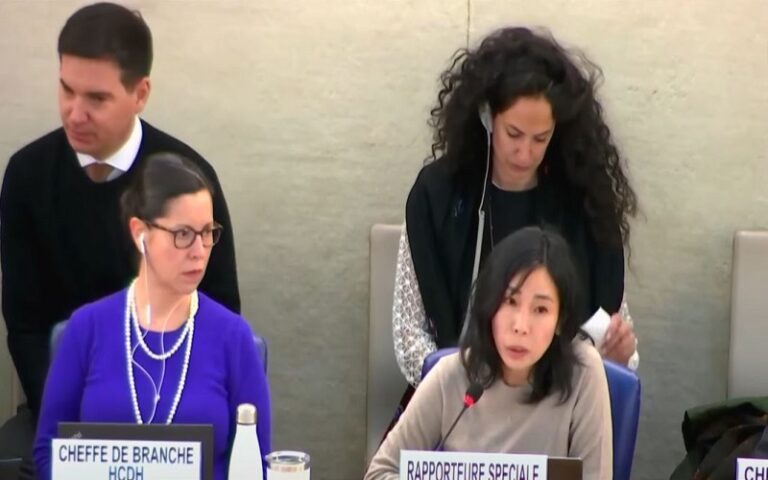
The United Nations Special Rapporteur on the situation of human rights in Iran announced that official communications between her and other UN experts and Iran’s regime show that the pattern of unfair trials, forced confessions, and inhumane detention conditions following the January uprising has not only continued but is being repeated on a broader scale.
Mai Sato wrote in a message on the social media platform X that in the weeks leading up to the nationwide protests that began on December 28, 2025, she, along with other United Nations experts, formally corresponded with Iran’s regime regarding three specific issues.
According to Sato, the first case concerns Ehsan Faridi, a mechanical engineering student sentenced to death on the charge of “corruption on earth.” She said the verdict was based on reports by security agencies, and the indictment was drafted by a prosecutor’s office whose head was later dismissed over corruption. The second case involves Zahra Shahbaz Tabari, a 67-year-old electrical engineer sentenced to death on the charge of “armed rebellion” (baghi). The ruling was issued in a trial lasting less than 10 minutes, and according to Sato, the main evidence against her was a piece of cloth bearing a protest slogan. The third focus of the correspondence concerned conditions in prisons such as Qarchak, Qezel Hesar, Sheiban, and Lakan, including reports of deaths in custody, torture, executions without prior notice, and denial of contact with family members.در هفتههای منتهی به اعتراضاتی که از هفتم دیماه ۱۴۰۴ آغاز شد، همراه با کارشناسان سازمان ملل متحد، درمورد سه موضوع با جمهوری اسلامی ایران مکاتباتی رسمی داشتیم:
— Mai Sato (@drmaisato) February 12, 2026
۱) احسان فریدی، دانشجوی مهندسی مکانیک که با اتهام «افساد فیالارض» به اعدام محکوم شده است. صدور این حکم درپی محاکمهای…
Worldwide Women’s Coalition Demands Halt to Execution of Iranian Political Prisoner Zahra TabariAccording to the Special Rapporteur, officials of Iran’s regime described the sources of the reports as “uninformed” or “biased with a hostile approach” in their responses and insisted that the judicial proceedings were entirely lawful. However, Sato emphasized that these communications, sent in November 2025, remain significant because the risk of execution for Faridi and Tabari persists, and the patterns of fair trial violations documented in those cases are now being repeated on a broader scale following the nationwide protests. She also reported receiving accounts of forced confessions from protesters and warned that prisons previously documented for abusive conditions may now be holding newly detained individuals. Sato stressed that there is still no precise data on the number of detainees, their places of detention, the number of death sentences issued, or the number of executions carried out. According to her, the official government figure for those killed exceeds 3,000, while reports from civil society organizations indicate higher numbers. In conclusion, the Special Rapporteur referred to the human dimension behind these statistics, mentioning the case of a teenager killed during the protests who had written in a diary about the start of the new school year and hope for “a bright future.” She said this account shows that behind every number lies a life and an unfinished dream.
