

Construction Material Prices in Iran Increase by 100%The increase in workers’ wages must also be viewed in this context. The daily wage of an unskilled laborer has risen from about 12 million rials to about 25 million rials (approximately $14).
Iran’s Housing Crisis Pushes People Toward Informal Settlements and Homelessness
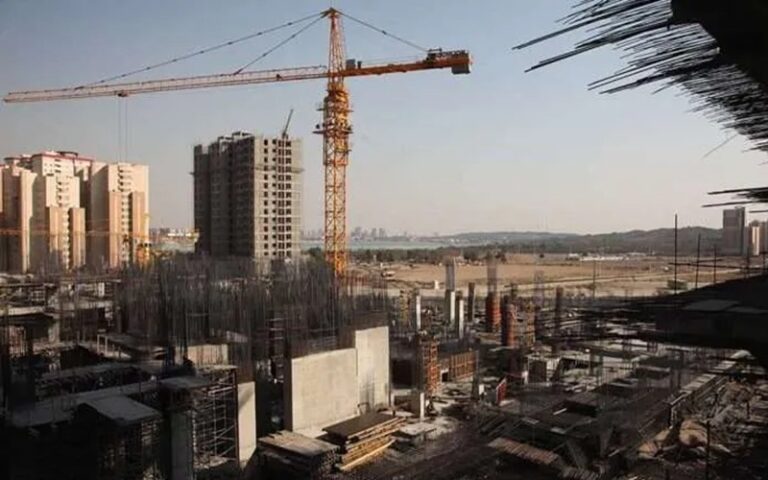
The state-run Rokna news website published remarks by Iraj Rahbar, head of the Tehran Association of Mass Home Builders, regarding Iran’s housing crisis. He reported an average 100% increase in construction material prices and said that some products linked to the petrochemical industry have more than doubled in price. In just 40 days, the price of rebar increased by about 230 million rials (approximately $123).
Under such conditions, no investor can plan for the future. The construction sector, which has long been a key driver of employment and investment in Iran’s economy, has itself become one of the main victims of instability.
Gas Shortage Casts Shadow Over Iran as Billions Wasted Through Gas Flaring
Before the summer has even ended and while the consequences of repeated power outages continue to weigh heavily on people’s lives and businesses, warnings have already emerged about gas shortages in the coming winter. In this context, Mohammad Jafar Ghaem Panah, executive deputy to Iranian regime president Masoud Pezeshkian, recently announced that Iran will face a daily natural gas shortfall of about 100 million cubic meters this winter. He emphasized that even if temperatures are not unusually cold, the country will still face an energy imbalance requiring careful management.
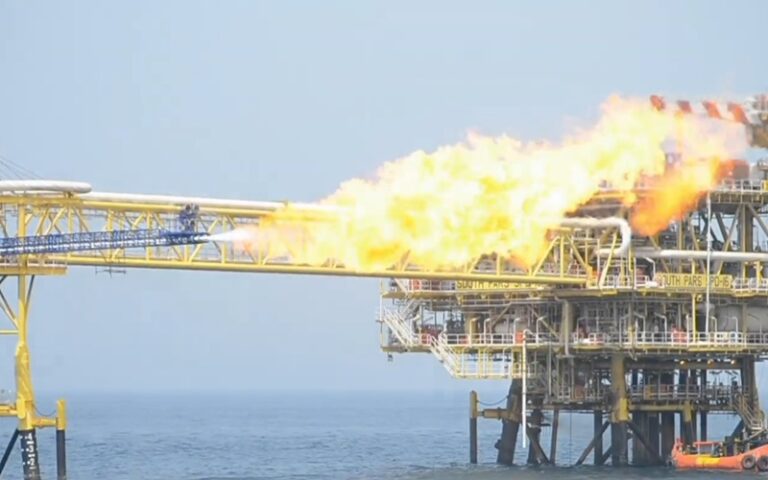
Factors such as aging infrastructure, declining pressure in gas fields, and a lack of investment have contributed to this situation. In addition, the burning of vast amounts of associated petroleum gas in flare stacks is one of the main causes of energy waste. According to the National Iranian Oil Company, about 80 million cubic meters of associated gas are produced daily in Iran, a portion of which is burned in flare stacks due to insufficient infrastructure.
Power Outages Plunge Iran into DarknessDomestic reports also confirm the scale of these losses. According to the Iranian regime’s Parliamentary Research Center, about 50.5 million cubic meters of flare gas were burned each day in 2022, a volume roughly equivalent to the production capacity of two phases of the South Pars gas field and close to Iran’s daily natural gas exports that year. The center estimated the opportunity cost of gas flaring over a decade at approximately $33.79 billion and noted that collecting and exporting the gas flared in 2022 could have generated about $4.6 billion in revenue.
Iran’s Position Compared to the World and the Region
During oil extraction, a quantity of “associated gas” is released. If it is not collected and processed, it is burned in flare stacks to prevent the risk of explosions. According to the World Bank’s Global Gas Flaring Tracker Report, Iran ranked second in the world for gas flaring in 2025, behind Russia. That year, Russia flared about 30.28 billion cubic meters of gas, while Iran flared about 29.93 billion cubic meters. In other words, Russia’s flaring volume was only about 1% higher than Iran’s, even though its oil production was estimated to be more than twice that of Iran. The gap is even more pronounced in the “flaring intensity” indicator, which measures the volume of gas flared per barrel of oil produced. According to World Bank data for 2025, Iran flared about 19.55 cubic meters of gas per barrel of oil, compared with about 0.69 cubic meters for Saudi Arabia, 0.98 cubic meters for the United Arab Emirates, and 2.43 cubic meters for Qatar. These regional countries have invested in infrastructure to convert associated gas into electricity, petrochemical feedstock, and liquefied natural gas (LNG).The Financial Cost of Gas Flaring
Research by the Iran Open Data Center shows that approximately 22.8 billion cubic meters of associated gas were flared in Iran in 2024, the highest annual volume on record. Based on European benchmark prices, the value of the wasted gas was estimated at about $9 billion, meaning an average of approximately $1.04 million worth of gas was burned every hour. Between 2012 and 2024, Iran flared a total of approximately 203 billion cubic meters of gas. Based on the same benchmark, the cumulative value of this wasted gas is estimated at about $85.6 billion, equivalent to nearly one-quarter of Iran’s $341 billion gross domestic product in 2025. These figures indicate that over the 13-year period, an average of about $750,000 worth of gas was burned every hour. Despite the passage of time, officials’ statements indicate that the trend continues. In February 2026, Iranian regime president Masoud Pezeshkian acknowledged that 50 million cubic meters of gas are flared each day in Iran, with an estimated daily value of about $17 million. According to him, every one million cubic meters of gas burned results in a loss of approximately $330,000. Experts attribute the continued practice of gas flaring primarily to inadequate infrastructure, sanctions, and insufficient investment. The World Bank also emphasizes that the technology needed to capture associated gas already exists, and that the main obstacles are limited investment, inadequate market and pipeline infrastructure, insufficient regulations, and ineffective governance.Construction Material Prices in Iran Increase by 100%
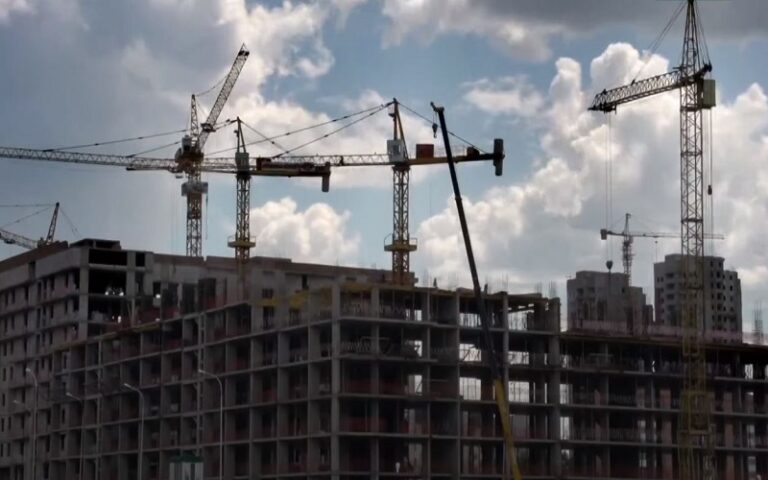
Iraj Rahbar, head of the Tehran Mass Builders Association, said that following the U.S. and Israeli attacks on Iran, the price of construction materials in the country has increased by 100%.
Rahbar added that under the current conditions, developers are unable to launch new projects and are only trying to complete projects that are already under construction.
According to him, since March 2026, the prices of construction materials, production inputs, and labor wages have risen at an unprecedented pace, sharply increasing construction costs.
The head of the Tehran Mass Builders Association emphasized that for some petrochemical-related products, the increase has exceeded 100%.
Iranian Citizens Struggle to Cover Expenses as Housing Crisis DeepensHe said the construction cost per square meter in Tehran is approximately 550 million rials (about $293) under the best conditions, while in some projects it ranges between 600 million and 700 million rials (about $320 to $373). It is worth noting that the minimum monthly wage for a worker with one child is approximately 240 million rials (about $128). In addition, in April and May, one month after the ceasefire in the U.S.-Israel war against Iran’s regime, domestic media reported a sharp surge in rents, followed by unprecedented pressure on tenants’ livelihoods. The state-run ISNA news agency reported that in the mid-2000s, rent accounted for 25% to 40% of household income in large cities and 15% to 25% in smaller cities. However, based on 2025 data, the figure has now reached 50% to 70% in large cities and fluctuates between 20% and 50% in smaller cities.
Unprecedented Surge in Water and Electricity Bills
The state-run Ettela’at newspaper, referring to the sharp increase in water and electricity costs during June and July, wrote that the bills of some ordinary subscribers have increased by as much as 300% or more. Electricity bills for some households have risen within a month from 3 million rials to between 8 million and 10 million rials. The newspaper wrote on Wednesday, August 4, that although higher consumption during the warm season is partly natural, the sharp increase in bills for households living in small and medium-sized homes—including subscribers who were previously considered “low-consumption” users—does not appear normal. The newspaper also suggested that lowering the consumption threshold may have classified more subscribers as high-consumption users. It warned that charging people higher utility costs under difficult economic conditions could lead to increased public dissatisfaction and a decline in social trust.Volker Türk Expresses Deep Concern Over Increase in Executions in Iran

The increase in executions in Iran has once again drawn reactions from international organizations. The United Nations says the implementation of death sentences has accelerated in recent months, and a growing number of defendants in national security and protest-related cases are at risk of execution. At the same time, concerns have increased over the lack of fair trial guarantees and reports of forced confessions.
The 132nd Week of the ‘No to Execution Tuesdays’ Campaign Across 59 PrisonsVolker Türk, the United Nations High Commissioner for Human Rights, said in a statement issued on Wednesday, August 5, that since the first executions linked to the protests earlier this year, at least 56 people have been executed on national security-related charges. According to him, 27 of those individuals had been convicted in cases related to the widespread protests earlier this year. The first executions in these cases were announced on March 19, 2026. Officials of the Iranian regime reported the execution of three men accused of killing police officers during the December–January protests. The case marked the beginning of a new wave of executions linked to nationwide protests.
UN Warns About Rising Executions
The UN High Commissioner for Human Rights said that more than 100 other people facing similar charges are also at risk of execution. He stressed that this trend has raised serious concerns about the human rights situation in Iran. Türk also said that executions in drug-related cases continue at an alarming rate. According to him, the increase in executions since March has coincided with a rise in death sentences in national security cases. The statement said that the death penalty continues to be carried out in various types of cases, while human rights concerns regarding judicial proceedings remain unresolved.Criticism of Judicial Proceedings and Executions
Volker Türk said that guarantees for fair trials and due process remain inadequate. He added that in some cases, confessions were likely obtained under torture or other forms of ill-treatment. According to Türk, a number of death sentences have been issued following very rapid judicial proceedings. He also referred to cases of public executions, describing them as another troubling aspect of the implementation of the death penalty. Another part of the statement said that the continued issuance and implementation of death sentences, along with the growing number of people convicted in national security cases, has drawn increased attention from human rights organizations to the situation in Iran.Iran and Global Execution Statistics
Human rights organizations, including Amnesty International, have repeatedly stated in their reports that Iran ranks second after China in the use of the death penalty worldwide. These reports identify the high number of executions in various cases, including drug-related offenses and national security cases, as one of the most significant human rights concerns. At the end of his statement, Volker Türk called for the immediate halt of all executions in Iran. He also urged officials of the Iranian regime to move toward abolishing the death penalty and complying with international human rights standards. The increase in death sentences, the warning that more than 100 condemned prisoners are at risk of execution, criticism of judicial proceedings, and allegations of forced confessions are among the report’s main points. In conclusion, the United Nations High Commissioner for Human Rights called for the immediate suspension of executions and progress toward abolishing the death penalty.The Pressure of Growing Cost of Living on Iranian Families
The livelihood challenges facing the Iranian people have forced what is described as a “survival economy” upon society. According to the state-run Entekhab news website on August 3, a survival economy is “an economy in which people monetize every small opportunity, not out of interest in a minimalist lifestyle or sustainable consumption, but in order to manage their daily expenses under the pressure of rising living costs.”
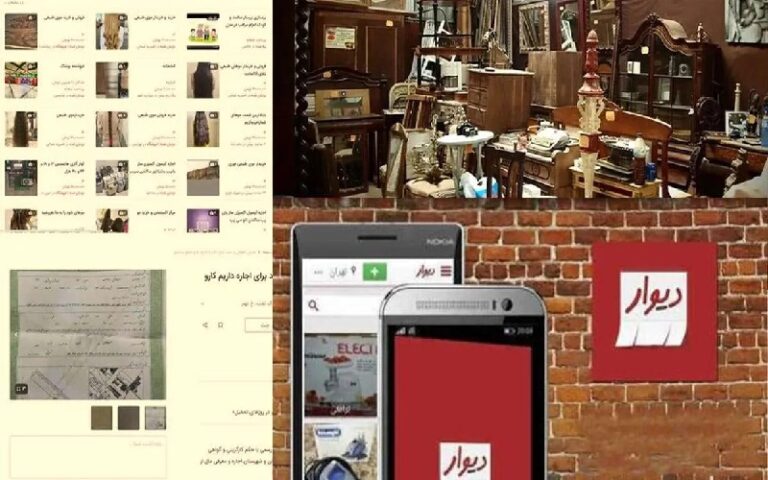
In previous years, online marketplaces were primarily used to buy and sell homes, cars, and investment assets. Today, however, browsing listings on these platforms presents a very different picture of the financial condition of Iranian households. These advertisements indicate changing consumption patterns and mounting economic pressures, reflecting the growing impoverishment of Iranian society.
Parliamentary Research Center Warns About Expansion of Poverty in IranOn August 4, the state-run Rokna news agency published a report titled “Unusual Listings on Divar (a website for classified ads): From Selling Hair to Renting Laptops!” stating: “The growing number of online listings featuring unusual items such as human hair, second-hand shoes, and empty perfume bottles reflects economic changes and financial pressures in society.” Similarly, on August 2, the state-run Khabarfarsi news website published a report titled “Unusual Advertisement for an Empty Perfume Bottle Draws Attention,” stating: “In such a market, three developments occur simultaneously. First, consumption shifts away from ownership, with people renting instead of buying. Second, goods retain value until the very end of their useful life, with even empty bottles and heavily used clothing entering the marketplace. Third, financial credibility and official documents themselves become marketable assets, meaning what was previously only an administrative or legal instrument now acquires a price through advertisements. This situation can be described as a form of survival economy.”
How Does a Survival Economy Develop?
Sociologists use the term “survival economy” to describe a situation in which families are compelled to turn every usable asset into a source of income to cover their daily expenses. Under such conditions, the distinction between consumer goods and investment assets disappears. Any item, even one with little economic value, becomes something that can be sold or rented.The Shrinking Value of Tradable Assets
One of the most significant changes reflected in these online advertisements is the declining value of the assets entering the marketplace. In the past, homes, cars, and gold were the primary indicators of household asset sales. This shift indicates that households are attempting to convert even their last remaining economic resources into cash. As a result, goods are used until the very end of their useful life before being resold and re-entering the market.Selling Personal Assets: A Sign of Financial Hardship
The sale of natural hair is another example of this trend. Although markets for buying and selling human hair exist in many countries, the increasing number of such advertisements in Iran, coinciding with worsening economic conditions, has attracted the attention of many observers. From a sociological perspective, this change suggests that during periods of severe economic hardship, people bring even their personal and unconventional assets into the marketplace.When Creditworthiness Becomes a Commodity
Perhaps the most striking aspect of these advertisements is the rental of property deeds, bail collateral, and salary statements, all of which have become part of the survival economy. In this case, the issue is no longer the sale of a physical product; rather, individuals’ financial and legal credibility itself has acquired economic value. From the perspective of the social sciences, this situation reflects growing economic uncertainty. When families face difficulties obtaining collateral, guarantors, or access to financial services, informal markets emerge for renting financial credibility. In addition to increasing economic vulnerability, this trend can create opportunities for exploitation and expand informal economic activity. From a sociological standpoint, such developments are typically observed during periods when the gap between household income and expenses widens, and an increasing share of income is devoted to meeting basic needs. The advertisements published on online platforms can therefore be viewed as an informal indicator of society’s living conditions and the emergence of what is referred to as a survival economy. Beyond their news value, these advertisements reflect profound changes in consumption patterns, household livelihood strategies, and everyday survival mechanisms—developments whose study is important for understanding the country’s social and economic conditions.Audio Message from Political Prisoner Parisa Kamali from Yazd Central Prison
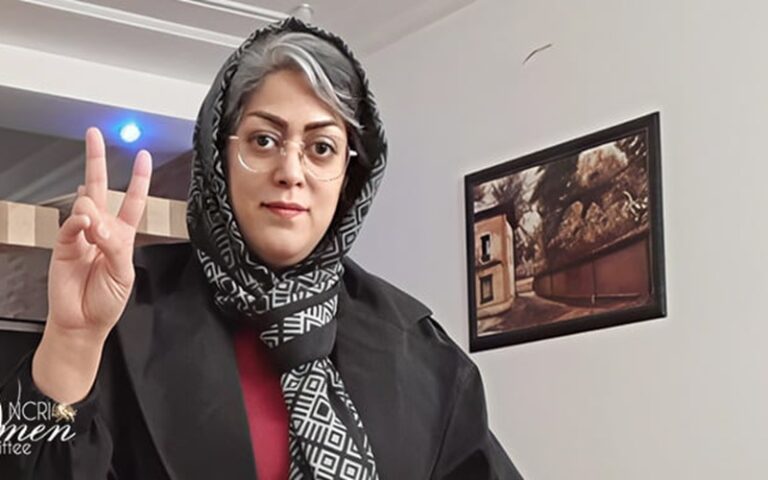
Parisa Kamali, a political prisoner held in Yazd Central Prison, sent an audio message referring to the continued crimes and successive executions carried out by the Iranian regime, from the 1988 massacre of political prisoners to the present. She stressed that the regime seeks to ensure its survival by creating fear and terror through executions, but that it has miscalculated. In her message, she called on the international community and human rights organizations not to turn a blind eye to the crimes committed by the executioner regime and to take appropriate action to stop its killing machine.
Parisa Kamali’s Message from Yazd Central Prison
We are people who are always in mourning. We have not yet recovered from the grief of the regime’s killings in the month of Dey when our wounds are opened once again. From 1988 to the present, blood has continued to flow. The fascist rule of the mullahs seeks to create fear and terror through repeated executions and massacres in order to prolong its survival, but it has miscalculated. We have moved beyond the fear of bitter death, and we are filled with anger. We believe that the day will come when execution will no longer have a place in our country’s Constitution. We call on the international community and human rights organizations not to turn a blind eye to the crimes and massacres that the executioner regime of the mullahs inflicts upon the people, and to take appropriate decisions and actions to stop this killing machine. No to executions. In hope of a free and prosperous Iran. Parisa Kamali – Yazd Central PrisonParliamentary Research Center Warns About Expansion of Poverty in Iran
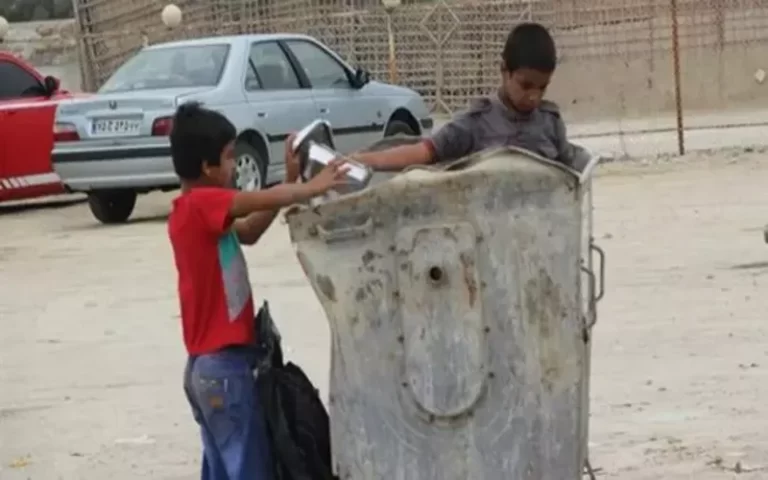
A new report by the Iranian regime’s Parliamentary Research Center paints an alarming picture of the future of livelihoods and the expansion of poverty in Iran. According to the state-run Siasat Rooz newspaper on July 27, “If the current trend continues, the poverty rate will increase from 41% in 2026 to 45.5% in 2028.” As a result, nearly half of the country’s population would be living below the poverty line. These figures are not merely economic indicators; they reflect conditions that many citizens experience through rising daily expenses, declining purchasing power, and increasing difficulty in meeting basic needs.
Poverty: From Official Statistics to People’s Daily Reality
The Iranian regime’s Parliamentary Research Center emphasizes in its report that the expansion of poverty is not limited to declining household incomes. It identifies deteriorating educational quality, the gradual removal of healthcare services from household budgets, malnutrition, rising school dropout rates, increased child labor, and the expansion of social harms as among the most significant consequences of this trend.The Value of the Rial on a Downward Slope: Direct Consequences of Pre-Crisis Policy FailuresThe report also points to declining social optimism. Many families have been forced to eliminate part of their food basket. Some young people have postponed starting families, while many retirees face difficult choices between purchasing medication and paying housing costs. These examples illustrate that the livelihood crisis has gone beyond statistics and has become part of everyday life.
Rural Areas: A New Epicenter of the Livelihood Crisis
One of the report’s key sections focuses on rural areas. The Iranian regime’s Parliamentary Research Center warns that poverty is increasing more rapidly in rural regions than in urban areas. This trend could have consequences extending well beyond declining rural incomes. According to the state-run Siasat Rooz newspaper, “The continuation of this trend increases the likelihood of large-scale migration to cities, the expansion of informal settlements, declining rural populations, and the weakening of the agricultural sector. These developments could have broad economic and social consequences for the country’s structure.”The Iranian Regime’s Parliamentary Report: A Critique of Policymaking
In another section, the report states that the roots of the livelihood crisis are not limited to sanctions or international conditions. The state-run Siasat Rooz newspaper writes: “In recent years, people’s livelihood and social issues have not been the top priority in policymaking, and no sustainable program has been implemented to curb poverty, strengthen the middle class, and improve public welfare.” The report also emphasizes that although security tensions and regional conditions may intensify economic pressures, problems such as chronic inflation, declining purchasing power, reduced investment, and rising poverty already existed in Iran’s economy and cannot be attributed solely to recent developments.The Erosion of the Middle Class and Growing Social Inequality
The report by the Iranian regime’s Parliamentary Research Center warns that if current trends continue, not only will the number of people living below the poverty line increase, but the middle class will also be weakened further. The shrinking of the middle class could deepen economic inequality, reduce social capital, and increase public distrust. The report concludes by emphasizing that if current trends persist, poverty will evolve from an economic challenge into a widespread crisis affecting social, cultural, and even security spheres. For this reason, the Iranian regime’s Parliamentary Research Center describes these figures as a serious warning about the future of livelihoods and public welfare in Iran. The report by the Iranian regime’s Parliamentary Research Center presents a picture of conditions in which economic indicators are closely intertwined with the daily realities of many citizens. According to the report, rising living costs, declining purchasing power, and expanding poverty could become even more widespread if current trends continue, with significant consequences for the country’s economic and social structure.Iran: At Least 26 Prisoners Executed in One Week
The National Council of Resistance of Iran (NCRI) announced that between July 28 and August 3, at least 26 prisoners were executed in prisons across Iran. The council stressed that the actual number of executions is higher than the reported figure and linked the increase in executions to escalating domestic and international crises, as well as the Iranian regime’s concern over the spread of protests.
According to the report, the Iranian regime’s Judiciary announced on Monday, August 3, that Omid Behzad and Pouria Safvat had been executed on charges of “espionage and intelligence cooperation with Israel.”
The 132nd Week of the ‘No to Execution Tuesdays’ Campaign Across 59 PrisonsThe NCRI also reported that political prisoner Arvin Kheirkhahan, who had been arrested during the Dey (December–January) protests, was executed in Shahrud in the early hours of Saturday, August 1. The council noted that three days after the execution, the Iranian regime’s Judiciary had still not released any official statement or details regarding his case.
Execution: The Iranian Regime’s Only Means of Survival
According to the published figures, six more prisoners were executed in various prisons on Saturday, August 1. Those identified were Mohammad Ali Narouei and Mohammad Bakhsh Shahbakhsh in Damghan, Farzad Feyzi and Hassan Mousavi in Shiraz, and Mohammad Davoudi and Esmaeil Aghaei in Semnan. The council also reported that Alijan Garavand had been executed at Ghezel Hesar Prison on Thursday, July 30. The report further states that on Wednesday, July 29, another 10 prisoners were executed in Ghezel Hesar, Taybad, Gorgan, and Urmia prisons. Among those identified were Seyed Ahmad Tabatabaei Zavareh, Hassan Khalili, Nader Abil, Ezzat Kazemzadeh, Sina Bahrami, and Farzad Sobhani. According to the council, Farzad Sobhani was 16 years old at the time of the offense attributed to him. The NCRI also reported that on Tuesday, July 28, in addition to the executed uprising prisoners Abolfazl Sepahi and Amirhossein Safari, four other prisoners—Amir Ali Soleimani, Mokhtar Alizadeh, Ali Rasouli, and one unidentified prisoner—were executed at Ghezel Hesar Prison. According to the report, in the preceding days, Eshagh Sistani was executed in Ferdows; Ehsan Marei in Mashhad; Shamseddin Afshari and Faraj Yahyaei in Zanjan; and Amir Abbas Hatami, Javad Mirhosseini, and Sardar Ghaderi in Gonbad-e Kavus and Urmia. At the end of its report, the National Council of Resistance of Iran called on the United Nations and other international organizations to take urgent action to halt executions in Iran. The council also called for the dispatch of an international fact-finding mission to visit Iran’s prisons and meet with prisoners, particularly political prisoners.The 132nd Week of the ‘No to Execution Tuesdays’ Campaign Across 59 Prisons
In the 132nd week of the “No to Execution Tuesdays” campaign, political prisoners in 59 prisons across Iran launched a hunger strike on Tuesday, August 4, 2026, once again expressing their firm opposition to the continued issuance and implementation of death sentences. Now in its third year, the campaign has become one of the most widespread, sustained, and influential protest movements inside the country’s prisons.
On this occasion, members of the campaign issued a statement. The full text of the statement is as follows.
Continuation of the “No to Execution Tuesdays” Campaign in Its 132nd Week Across 59 Prisons
A Call for Collective Solidarity Against Executions
As we have witnessed in recent weeks, the crisis-producing and crisis-dependent regime ruling over the lives of the people has expanded the use of executions. Since July 23, it has executed 35 people, including one juvenile offender and one woman. Twenty-eight of these individuals were executed between July 28 and now, including three protesters from the January uprising.Three Political Prisoners Subjected to Enforced Disappearance in Evin PrisonThe Iranian regime, which has made its survival dependent on the repression and exploitation of the people, especially the underprivileged and working classes, has used the pretext of war to intensify its assault on people’s lives and livelihoods. It has deployed loyalist groups to occupy the streets at night, filled public spaces with repression, stationed armored units and checkpoints along major roads, and made no effort to stop the war. This is because it does not fear war; rather, as during the eight-year Iran-Iraq War, it views external threats as a blessing. Despite their many internal disputes, all ruling factions fear the outbreak of a domestic uprising. They know that through their missile infrastructure they can buy time against the United States and Israel to secure their survival. No country or foreign power, despite the Iranian regime’s warmongering, brings peace, democracy, equality, or human rights to Iran or the region. As opponents of the death penalty, we are naturally opposed to war and foreign intervention as well, and we have repeatedly declared this position. Prosperity, equality, freedom, happiness, and the rejection of every form of exploitation and dictatorship can only be achieved through the people and collective power. That is why Mojtaba Khamenei, the unseen authoritarian leader, is carrying out his father’s will, reviving the methods of the 1980s by bringing execution cranes into the streets to publicly take the lives of Amirhossein Safari and Abolfazl Sepahi, and by executing 19-year-old Arvin Kheirkhahan in Shahrud, a young man full of hope for life, continuing the massacre of the January protesters in this manner to prevent any form of protest aimed at fundamental revolutionary change. Meanwhile, his representatives praise the benefits of executions during Friday prayers and on state-run radio and television, glorifying the executioners. Any awakened conscience must ask: if these protesting youths were truly criminals and murderers deserving of public execution, why were their trials not held publicly? Why were they secretly tortured and prosecuted? Inside the prisons, however, we are witnessing remarkable resistance. Courageous and determined prisoners continue to protest repression both inside and outside prison in various ways. They are sent to solitary confinement, exiled to other prisons, yet they appear silent only when they are taken to the gallows and become immortal. This resistance is not limited to political prisoners. Over the past two weeks, 1,500 prisoners in Unit Two of Ghezel Hesar Prison maintained a hunger strike for more than two weeks with unwavering determination, refusing to end it until prison and prosecutorial authorities committed themselves to halting executions. At the same time, the “No to Execution Tuesdays” campaign continues in solidarity across 59 prisons, and we, the imprisoned members of the campaign, have become even more determined as executions intensify. Given the current situation, in which one protester—including those arrested during the January protests—is executed almost every day, raising public awareness about executions is essential. Execution is the deprivation of life and a form of state violence, and in Iran every execution serves a political purpose: to spread fear and terror. Today, this inhumane practice threatens the entire Iranian society. We consider it necessary to thank all political parties and organizations, human rights, labor, and civil society groups, retirees, and domestic and international figures for opposing the death penalty in general and for supporting the “No to Execution Tuesdays” campaign. At the same time, with all humility, we expect all political, human rights, labor, and civil organizations that oppose executions to defend the “right to life” and “No to Execution” without reservation. Given that prisoners have carried forward the “No to Execution Tuesdays” campaign in unity for 132 weeks in row, fulfilling what they see as their minimum duty despite members being transferred to solitary confinement, beaten, and executed, opponents of the death penalty are expected to take effective steps to stop executions and use every available opportunity for practical action against them. The fact that prosecutors of the Iranian regime have threatened even those who merely speak out against executions with punishment demonstrates the growing influence and importance of the anti-execution movement. Therefore, opposition to the death penalty must become even broader and include all individuals sentenced to death, whether political prisoners of any affiliation or non-political prisoners regardless of the charges against them. As we have repeatedly declared, our strength lies in our solidarity, and through resistance and collective organization we will break the barrier of dictatorship and executions. Members of the “No to Execution Tuesdays” campaign are on a hunger strike on Tuesday, August 4, 2026, marking the campaign’s 132nd week across 59 prisons throughout Iran.
Iraq: Iranian Regime Violated Commitments Regarding Strait of Hormuz
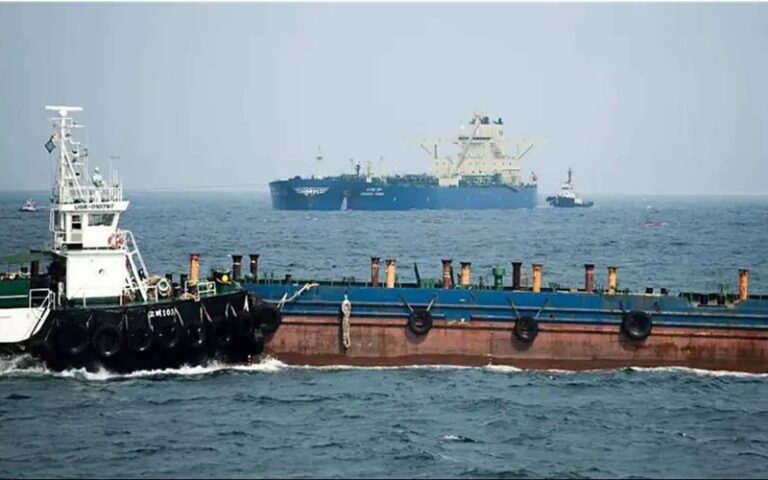
As tensions over maritime security in the Persian Gulf and the Red Sea continue, Iraqi officials said negotiations with the Iranian regime to ensure the safe passage of oil tankers through the Strait of Hormuz are still underway. However, Baghdad says Tehran has not fulfilled its previous commitments.
Bassem Mohammed Khudair, Iraq’s oil minister, told the Iraqi state-run news agency that Baghdad hopes to reach agreements with the Iranian regime in the coming days that will guarantee the security and smooth passage of oil tankers through the Strait of Hormuz.
The Importance of the Strait of Hormuz as a Vital Artery of the Global EconomyAccording to him, the negotiations have continued alongside the recent visits of Iraqi Prime Minister Ali Falih al-Zaidi as part of political and economic consultations between the two sides. The remarks came one day after Haider al-Aboudi, spokesperson for the Iraqi government, said Baghdad had previously received assurances from Iranian regime president Masoud Pezeshkian that Iraqi oil tankers would be exempt from the restrictions imposed in the Strait of Hormuz. However, al-Aboudi stressed that the promise has not yet been implemented, adding that Tehran continues to view the Strait of Hormuz as one of its most important sources of leverage in the current crisis. Meanwhile, Turkey also backed Saudi Arabia’s initiative to establish a multinational maritime defense coalition aimed at protecting international shipping routes and ensuring the security of global trade. Turkish President Recep Tayyip Erdoğan, during a phone call with Saudi Crown Prince Mohammed bin Salman, strongly condemned the attacks by the Iran-backed Houthi militia on commercial vessels in the Red Sea and reaffirmed Ankara’s full support for Riyadh’s efforts to ensure maritime security. The two leaders also discussed the latest regional developments, bilateral relations, and ways to expand political and security cooperation. Saudi Arabia proposed the formation of a multinational maritime defense coalition following the escalation of attacks by the Iranian regime-backed Houthi militia against commercial ships and oil tankers. Saudi officials describe the initiative as an international effort to protect freedom of navigation, energy security, and the continuity of global trade.
