Seventieth Week of the “No to Execution Tuesdays” Campaign in Iran’s Prisons
14 Men and Women Hanged in a Single Day in Iran
As Iran’s regime is trapped in a web of social, economic, and political crises, it has turned to executions to maintain its grip on power. In a single day, at least 14 prisoners—including four women—were executed in prisons across the country, including in Kermanshah, Damghan, Birjand, Kahnouj, Shiraz, Borujerd, and Zahedan. Since May 22, the number of executions has reached 20. Since April 21, the regime has executed 170 prisoners, marking the highest execution rate in recent years.
At dawn on Monday, May 19, Setareh Taherloo, a woman who had been arrested three years earlier on drug-related charges, was hanged in Damghan Prison. The rise in the number of women executed in recent months reflects the regime’s deep cruelty toward vulnerable segments of society.
Seventieth Week of the “No to Execution Tuesdays” Campaign in Iran’s Prisons
In the seventieth week of the “No to Execution Tuesdays” campaign, Fardis Prison in Karaj joined the movement. Currently, 45 prisons across the country are on hunger strike in protest the growing number of executions in Iran’s prisons.
In this week’s statement, the prisoners declared that the only solution is to raise their voices and rise against oppression and injustice. They wrote:
“Silence is not the solution”; one must shout and rise against this injustice and tyranny. As has been the case for weeks, several families of political prisoners sentenced to death—together with young people and freedom-loving citizens—have shouted “No to executions” in front of prisons across the country and even in cities around the world in support of the campaign.
The Sixty-Ninth Week of the “No to Executions Tuesdays” Campaign In 44 Prisons Across IranThe full text of the statement by prisoners participating in the “No to Execution Tuesdays” campaign is as follows: With deep sorrow and regret, the killing of prisoners in the prisons of the ruling tyranny has not only failed to stop, but the statistics of this “madness of government-sanctioned killing of imprisoned citizens” continue to rise. The repressive apparatus of the regime, between April 21 and May 21, sent over 170 imprisoned compatriots to the gallows—an unprecedented and horrifying statistic that shows every nine hours, two prisoners have been executed in Iran. Sadly, about 19% of these executions involve oppressed Baluch citizens, who are subjected to compounded discrimination and injustice. The “No to Execution Tuesdays” campaign sincerely calls on all human rights advocates and those who aspire to a free and equal Iran to stand with the victims of oppression during these difficult days and years. Iran’s regime, by violating fair trial rights and widely carrying out execution sentences, tramples on the “right to life” of ethnic and religious minorities and brazenly sends Baluch, Kurdish, and Arab compatriots, as well as prisoners of conscience, to the gallows.
1,164 Executions in Less Than a Year in IranHow just and necessary it is for those who care about Iran—especially those with access to international platforms—to echo the Iranian people’s cry of “No to executions” and expose the regime’s “madness for killing” to the world. This inhumane behavior by the dictatorial regime toward minorities and the Iranian people is a clear example of a “crime against humanity” and a flagrant violation of human rights. It is abundantly clear that every execution verdict in Iran carries a political dimension and is not merely the punishment of a defendant, because each defendant is a victim of the corrupt and dysfunctional structure of the regime. Moreover, there is no fair judicial process within the regime’s judiciary and security apparatus. The primary goal of these executions is to instill fear in society and prevent popular uprisings. As the crises in the country intensify, repression and executions have also escalated. In line with this, in a creative act, the women prisoners involved in this campaign at Evin Prison gather every Tuesday at the same time as the families’ gatherings and chant “No to executions.” This solidarity between those inside and outside prison is admirable, and it is fitting for the slogan “No to executions” to resonate in the streets and protests of various sectors of society. We are pleased to announce that this week, too, a group of prisoners at Fardis Prison in Karaj have expressed their solidarity with the “No to Execution Tuesdays” campaign and will join the hunger strike in protest of the wave of executions. Accordingly, political prisoners involved in the “No to Execution Tuesdays” campaign will be on hunger strike in 45 prisons on Tuesday, May 27, during the campaign’s seventieth week.
Spokesman Majlis National Security Commission: There Is No Hope for Negotiations
The spokesman for the Iranian regime’s Majlis (Parliament) National Security Commission told CNN that, given the U.S. stance requiring a complete halt to uranium enrichment, there is no hope for successful negotiations with the United States, and the regime is preparing an alternative plan.
Ebrahim Rezaei, spokesman for the regime’s National Security and Foreign Policy Commission, told CNN that given the American officials’ insistence on a complete halt to uranium enrichment inside Iran, “there is no hope” for successful negotiations with the U.S., and the regime is “preparing for Plan B” in the event talks collapse.
On Saturday, May 24, Rezaei told the outlet that the Iranian regime has become disillusioned with the nuclear negotiation process, explaining that the U.S. side continues to insist on zero enrichment, and the Iranian regime will never agree to zero enrichment. “That’s why we are exploring an alternative plan.” However, he did not specify what that plan would entail.
Nuclear Talks Resume Between Iranian Regime and U.S. Amid Stalemate and TensionsIn the interview with CNN, Rezaei stated that if the Americans’ goal is merely to prevent Iran from acquiring nuclear weapons, a deal might be achievable. But he added that if their goal is complete cessation of enrichment, then a deal will definitely not be possible. Despite this, the spokesman added that it is still too early to judge the outcome of the negotiations, but “so far we have not seen much seriousness from the American side.” Two sources from within the Iranian regime told CNN that since the United States insists on dismantling Tehran’s uranium enrichment program, it is unlikely that these talks will lead to an agreement. These statements echo recent remarks by Steve Witkoff, the head of the U.S. negotiation team, in an interview with ABC News, in which he said that uranium enrichment is a clear red line for the Trump administration. The negotiations between the U.S. and the Iranian regime, which began in April, represent the highest level of talks since the United States withdrew from the nuclear deal during Donald Trump’s first term. Trump, after returning to the White House, has revived his “maximum pressure” campaign against the Iranian regime. He supports the ongoing negotiations but has warned that if diplomacy fails, the option of military action remains on the table.
The Iranian Regime Has Used Contaminated Chemical Compounds in Gasoline Production
Iran Open Data Center, citing a confidential document from the Ministry of Oil, reported that in recent years, the Iranian regime has used hazardous and contaminated compounds to produce gasoline.
According to the report published on Sunday, May 25, the Iranian regime carried out a widespread and systematic campaign of “adding chemical compounds produced outside the refinery cycle” to compensate for the gasoline shortage in the country.
Iran Open Data Center wrote in its report: These compounds include methyl tert-butyl ether (MTBE)—a banned petrochemical additive—and other aromatic octane boosters, which are added to gasoline to increase its octane rating.
The Winners and Losers of Iran’s New Gasoline Pricing PoliciesData from a confidential report by the Ministry of Oil obtained by Iran Open Data Center indicates that between 2022 and 2024, the blending of these hazardous materials with refinery-produced gasoline increased by about four times compared to previous years. These compounds have been used even in refineries that claim to produce fuel according to Euro 4 and Euro 5 standards. Although official statistics suggest that one-third of Iran’s gasoline is produced in accordance with Euro 4 and Euro 5 standards, the confidential Ministry of Oil report shows that even these fuels are contaminated with hazardous chemicals. Javad Owji, the former oil minister of the Iranian regime, at the time announced the resumption of petrochemical gasoline production. Hamidreza Haji Babaei, the head of the 2024 Budget Consolidation Commission, also confirmed the signing of a $2.7 billion contract with petrochemical companies for gasoline production.
Statistics on additives produced outside refineries
Iran Open Data Center further wrote in its report that the Shazand refinery, which is considered the largest producer of Euro-standard gasoline in Iran, uses approximately 350,000 liters of the banned additive MTBE daily in its products. This figure is 325,000 liters per day for the Isfahan refinery, the second-largest producer of Euro-standard gasoline in Iran. Meanwhile, according to Iran Open Data Center, many countries have banned the use of this compound due to its “high potential for contaminating groundwater sources.” The report continues: “In 2023, the average daily production of base gasoline at the country’s refineries was 101 million liters. With the addition of about 20 million liters of additives produced outside the refineries, this figure reached 121 million liters; nevertheless, it still falls short of the domestic daily consumption by 2.5 million liters.” The production of petrochemical gasoline in Iran dates back to the presidency of Mahmoud Ahmadinejad. After gasoline exports to Iran were sanctioned in 2010, the then-government used petrochemical products as a substitute for gasoline in an emergency plan known as the “Rapid Gasoline Production Plan.” Rahmatollah Hafezi, then head of the Health Commission of Tehran City Council, stated in February 2014, referring to a daily increase of 22 deaths in Tehran during polluted days: “Non-standard petrochemical fuel emits 35 times the normal level of benzene into the air.”Severe consequences of using contaminated compounds
Iran Open Data Center wrote in its report that the confidential document from the Ministry of Oil did not clarify the “type, composition, or effects” of the contaminated chemical substances used in gasoline production and only used vague terms such as “materials received from petrochemical plants” and “octane boosters” to refer to these compounds. The report states that an analysis of official reports from the Ministry of Oil from 2019 to 2024 shows a consistent increase in the use of these substances. The only compound specifically mentioned is MTBE, which has remained a constant component in the final gasoline formula. Iran Open Data Center also warned that the increasing reliance on high-risk additives, in the absence of refinery infrastructure development, has become a fundamental part of the country’s fuel supply—an approach with severe economic, health, and environmental consequences. Previously, in January 2023, an official from the Environmental Protection Organization announced that only 38% of the gasoline produced in the country meets standard specifications.Truckers’ Strike in Iran Enters Fourth Consecutive Day
Truck drivers and operators of heavy vehicles in Iran went on strike for the fourth consecutive day on Sunday, May 25. Government agents attacked some of the protesters and arrested several drivers.
Images and videos shared on social media show widespread strikes in dozens of cities across the provinces of South Khorasan, Ardabil, Bushehr, Sistan and Baluchestan, Gilan, Fars, Isfahan, Qazvin, West Azerbaijan, Yazd, and Razavi Khorasan.
The Union of Truckers and Heavy Vehicle Drivers of Iran, in a statement on Sunday, May 25, reported that the police used pepper spray on some of their members and arrested several individuals.
The new wave of protests by truck drivers began on May 19 in the southern port city of Bandar Abbas, where the strikers blocked the port’s entry and exit points.
Continued Protests of Iranian Retirees and Workers on the Eve of International Workers’ DayBy May 22, the strike became coordinated, and truckers in the cities of Arak, Ilam, Bandar Abbas, Tabriz, Sirjan, Shiraz, and Kermanshah also stopped working. The protesting drivers stated that they are striking for one week in protest against the reduction of their diesel fuel quotas, high insurance costs, low freight rates, and other unmet industry demands.
Government Responses to the Strikes
Although state media in recent days attempted to portray freight transport in Iran as “normal and calm,” the widespread truckers’ strike drew reactions from Iranian regime officials. Mehdi Khezri, deputy of Iranian regime’s Road Maintenance and Transportation Organization, promised on May 25 that drivers’ basic fuel quotas would remain unchanged and that the issue of quota reductions would be reconsidered. He also pledged to resolve the truckers’ insurance issues, stating that meetings had been held with the Social Security Organization and the Ministry of Interior, and that the matter would be presented to the Cabinet to apply insurance discounts for the drivers. However, Mohammad Mohammadi, the Iranian regime’s deputy for insurance affairs at the Social Security Organization, stated that the government will continue to pay 50% of the 27% insurance premium for drivers as before, and that this arrangement has not changed. Fars News Agency, which is affiliated with the Islamic Revolutionary Guard Corps (IRGC), dismissed reports of truckers’ insurance premiums multiplying as “rumors.” It claimed that the only change since the start of this year is a limitation on government subsidies up to the minimum annual wage as defined in the regime’s Seventh Development Plan.Double the Price, None of the Promise: Corruption Behind Iran’s Aircraft Barter Deal
On Sunday, May 25, ILNA, a state-affiliated news agency, reported that officials from Iran’s regime Civil Aviation Organization had purchased two Airbus aircraft from China for $116 million. This comes despite the fact that the actual value of each plane is less than $30 million.
The receipt of significant kickbacks and personal profits by regime officials from secret deals under the pretext of bypassing Western sanctions has repeatedly been highlighted in both domestic and international media over the past decade. The most prominent example is the accumulation of legendary wealth by Ali Shamkhani—an advisor to regime leader Ali Khamenei—and his sons through covert sales of Iranian oil.
On Saturday, May 24, the official news of the arrival of two Airbus A330 aircraft into the fleet of Iran’s airline was published. In April, Mehrdad Bazrpash, the former Minister of Roads and Urban Development, had claimed on X (formerly Twitter) that the purchase of the two aircraft had been finalized under the previous administration.
Bloomberg: Shamkhani’s Son’s Influence in the International Banking SystemBut now, ILNA reports that “the preparations for adding these two aircraft to the country’s aviation fleet began two years ago by an obscure Chinese company called Hakan Energy through a barter deal involving Iranian oil,” adding: “The key point is that the Chinese traded these aircraft, each worth less than $30 million, for $116 million worth of Iranian oil!” The report continues, stating that the Chinese company Hakan Enerji has not settled a significant portion of its debt to Iran, because during the previous administration, in return for purchasing Iranian oil, the company became involved in projects such as the second-phase expansion of Khomeini Airport, valued at $2.5 billion. At the time, experts considered this figure astronomical for the outlined project. Hakan Enerji ultimately abandoned the project after the groundbreaking ceremony. It was also planned that Hakan Energy, through oil barter deals, would take part in rail projects, purchase wagons, electrify the Tehran-Mashhad railway, and buy aircraft, but none of these initiatives came to fruition. Meanwhile, the import of 55 various aircraft through Hakan Energy was another part of the agreement, but after two years, only two of those planes have been added to Iran Air’s national fleet—and at double the price. In recent days and weeks, Farzaneh Sadegh, the Minister of Roads and Urban Development in Iran’s regime, has faced widespread criticism for a 10 billion rial (approximately $12,000) trip she and her family took to Kish Island at government expense, as well as for signing a 610 trillion rial (approximately $734.9 million) contract with Babak Zanjani’s company. Zanjani is widely known as one of Iran’s most notorious economic criminals. However, ILNA reported that the Airbus aircraft import contract was signed during the tenure of Mehrdad Bazrpash as Minister of Roads and Urban Development, in the final days of his time in the previous (thirteenth) administration. In a recommendation to Farzaneh Sadegh, Bazrpash claimed that he had “opened the path for aircraft acquisition and the modernization of the aviation fleet so that, instead of the government importing planes, the private sector could import more aircraft using better methods.” Although senior officials of Iran’s regime claim that economic sanctions by the United States and its allies have plunged millions of Iranians into extreme poverty, reports like this reveal that a circle of regime-linked managers and brokers—affiliated with security and military institutions—have amassed astronomical wealth from the very heart of the sanction’s crisis. In the latest case of aircraft imports, a corrupt structure legitimized under the pretext of “circumventing sanctions” has once again turned into an opportunity to plunder Iran’s national resources. Experts say that under normal conditions, purchasing used Airbus aircraft for under $30 million each was entirely feasible. However, under sanctions and in the absence of transparency, the deal was executed through oil barter at double the price—meaning the main profits go into the pockets of intermediaries and power-linked institutions. Since the early 2010s, when oil sanctions on Iran intensified, institutions like the IRGC’s Khatam-al Anbiya Construction Headquarters, the Executive Headquarters of Khomeini’s Order (EIKO), and other quasi-private foundations have, under the guise of resisting external pressure, effectively become the main players in covert oil trade and foreign currency transfers. This process not only led to systemic corruption but also created a class of “sanctions profiteers” who benefit from the continuation of sanctions and use their influence within the country’s decision-making structure to prevent any cancellation or transparency of such operations.
Nuclear Talks Resume Between Iranian Regime and U.S. Amid Stalemate and Tensions
The Iranian regime and U.S. negotiators resumed a new round of talks in Rome on Friday, May 23, aiming to resolve the decades-long dispute over Tehran’s nuclear ambitions. This comes as the regime’s supreme leader, Ali Khamenei, has warned that reaching a new agreement may be unattainable due to conflicting red lines.
U.S. President Donald Trump seeks to curb Tehran’s potential capacity to produce nuclear weapons—a capability that could spark a nuclear arms race in the region.
In contrast, the regime is aiming for relief from crippling sanctions that have devastated its oil-based economy.
The Heavy Cost of Iran’s Nuclear ProgramAhead of the Rome talks, both Tehran and Washington publicly adopted hardline positions regarding Iran’s uranium enrichment program. Tehran and Washington remain deeply divided over several core red lines that negotiators must navigate to reach a new deal and avoid future military actions. U.S. Secretary of State Marco Rubio said on Tuesday, May 20, that Washington is seeking a deal that would allow Iran to maintain a civilian nuclear energy program but not permit uranium enrichment. He acknowledged that reaching such a deal would not be easy. Ali Khamenei, the regime’s ultimate decision-maker, has described Washington’s demand to halt uranium enrichment as “excessive and insolent,” warning that the chances of reaching an outcome from these negotiations are slim. Among the remaining obstacles to a U.S.-Iran agreement are Tehran’s refusal to send all of its highly enriched uranium stockpiles abroad and its unwillingness to enter negotiations over its ballistic missile program.
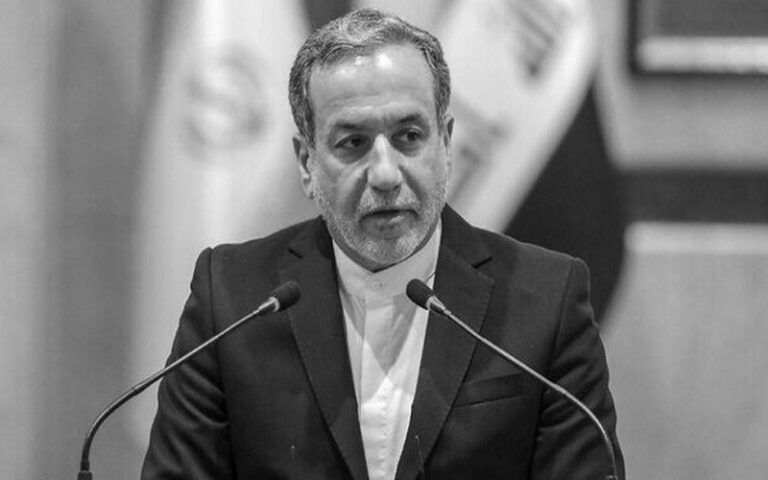
European Troika Holds Unproductive Nuclear Talks with Iranian Regime in IstanbulIran has stated it is ready to accept some limitations on its enrichment program but demands “firm and reliable” guarantees from Washington that the U.S. will not withdraw from a future nuclear agreement. The Trump administration, which revived the “maximum pressure” campaign against Tehran in February, had withdrawn from the 2015 nuclear deal between Iran and six world powers during Trump’s first presidential term in 2018, reimposing extensive sanctions that severely damaged Iran’s economy. In response, Tehran has significantly exceeded the uranium enrichment limits set by the 2015 agreement. According to Reuters, failure in the negotiations could carry heavy consequences. While Iran’s regime insists its nuclear program is strictly peaceful, Israel has repeatedly stated that it will not allow the regime to acquire nuclear weapons. On Thursday, Iran’s regime foreign minister Abbas Araghchi warned that if Israel attacks Iran’s nuclear facilities, the United States would be legally responsible.
Iran’s Regime Executes 165 Prisoners in One Month
With at least 165 executions recorded between April 21 and May 21, 2025, Iran experienced its bloodiest month in recent years. The figure includes four women and two juvenile offenders. On the final day alone, at least 18 prisoners were hanged in various prisons across the country. This translates to an average of more than five executions per day.
Among the victims were 29 Baluch citizens, making up 19% of all those executed during this period. Additionally, 77 of the executions (48%) were related to drug offenses—cases that, according to reports, are often linked to the clandestine and opaque operations of institutions like the Islamic Revolutionary Guard Corps (IRGC).
1,164 Executions in Less Than a Year in IranThe executions were carried out in various prisons across the country, including in Isfahan, Ghezel Hesar, Karaj, Tabriz, Hamedan, Zahedan, Birjand, Yazd, and Kahnuj. In the ten months since Masoud Pezeshkian became president of Iran’s regime, the number of executions has reached a horrifying 1,212—an unprecedented figure over the past three decades, pointing to an increasing reliance on executions as a tool for repression and intimidation. The National Council of Resistance of Iran, the country’s largest opposition group, condemned this wave of executions, calling it a sign of “the Iranian regime’s fear of the people’s mounting rage.” They stated that such repression will not prevent the regime’s downfall but will only deepen public hatred and outrage. The Resistance also urged the international community, particularly the UN High Commissioner for Human Rights, to take immediate action to stop the executions and refer the regime’s crimes to the UN Security Council. It is worth noting that in 2024 alone, more than 1,000 people were executed in Iran—figures that some human rights organizations describe as indicative of “a new wave of judicial violence and disregard for fundamental human rights” under the regime.
In Amnesty International’s annual report on the death penalty for 2024, Iran once again topped the list of countries with the highest number of recorded executions. According to the report, at least 1,518 executions were recorded globally last year, nearly two-thirds of which were carried out in Iran—placing the country far ahead of others in terms of capital punishment. While the United Nations and human rights bodies have for years called for the reduction and abolition of the death penalty worldwide, Iran’s regime has not only refused to follow this global trend but has intensified its execution practices, heightening concerns among international organizations and human rights activists.Appel de 300 personnalités internationales à l’arrêt de l’exécution de Behrouz Ehsani et Mehdi Hassani https://t.co/nJ9fqdEmDv pic.twitter.com/yKTWnXz8iK
— Iran Focus (@Iran_Focus) May 5, 2025
Critical Conditions of Political Prisoners in Iran
The Iranian Resistance has called on Ms. Mai Sato, the UN Special Rapporteur on the situation of human rights in Iran, to meet with and obtain information about the fate of five political prisoners.
Following a public appeal by the distressed mother of Bijan Kazemi—who has only managed a single two-minute phone call after 120 days of her son’s detention and has been denied any visitation despite repeated efforts—the Iranian Resistance has urged Ms. Mai Sato, the UN Special Rapporteur on human rights in Iran, and other international human rights bodies to secure immediate and direct access to political prisoners Bijan Kazemi, Mohammad Akbari Monfared, Amirhossein Akbari Monfared, and Maryam Akbari Monfared and to provide a report on the health conditions and treatment of each of them.
UN Special Rapporteur Warns About Transfer of Death Row Prisoners in Iran
Bijan Kazemi
Bijan Kazemi, born in 1981 in Kuhdasht, was arrested by agents of the Ministry of Intelligence in March 2020 and spent more than two years in Khorramabad Prison. After his release, he was placed under surveillance with an electronic ankle bracelet for one and a half years. His initial arrest had already been reported to the UN Special Rapporteur and Amnesty International. His re-arrest on January 20, 2025, took place without any legal justification or formal charges.Amirhossein Akbari Monfared
On January 19, 2025—just one day after the killing of two notorious regime judges, Ali Razini and Mohammad Moghiseh—a group of security agents wearing bulletproof vests and carrying military-grade weapons stormed the home of Amirhossein Akbari Monfared, 22 years old. They violently arrested him, and to this day, no information is available about his whereabouts or condition.Mohammad Akbari Monfared
Two days later, on January 21, agents returned to the family’s home and this time arrested Amirhossein’s father, Mohammad Akbari Monfared. Mohammad is a former political prisoner from the 2000s and was also arrested during the 2022 uprising. He too has been held in complete incommunicado detention. Subsequently, security interrogators have tried to coerce and intimidate the families in an attempt to uncover any ties to the People’s Mojahedin Organization of Iran (PMOI/MEK), launching a fresh wave of repression and pressure against them.Maryam Akbari Monfared
Maryam Akbari Monfared, a well-known member of this family, has now spent 16 years in Qarchak Prison in Varamin without a single medical furlough and is being held among common criminals. Her health is reported to be in critical condition. Three of her brothers and one sister were executed by Iran’s regime in the 1980s. Her only “crime” has been seeking justice for those loved ones. Thus, the Iranian Resistance has urged Ms. Mai Sato to visit and obtain information on the fate of these prisoners, whose families have been left in the dark for an extended period and whose lives are in serious danger.U.S. Sanctions Iran’s Construction Sector and 10 Military-Applicable Industrial Materials
The U.S. Department of State has announced sanctions on Iran’s construction and civil engineering sector, as well as on 10 industrial materials with potential military use. Any individual or entity that provides these materials to Iran will be subject to sanctions.
According to the U.S., these materials are used in the Iranian regime’s nuclear or military programs.
In a statement released on Wednesday, May 21, the U.S. Department of State announced that it has sanctioned 10 strategic materials used in connection with Iran’s nuclear, military, or ballistic missile programs.
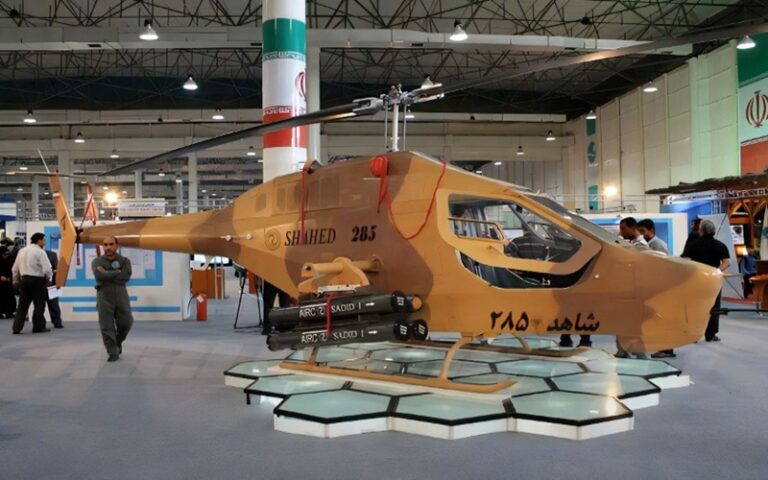
According to the statement, the newly sanctioned materials include austenitic nickel-chromium alloy, magnesium ingots, sodium perchlorate, tungsten-copper composite, and certain aluminum sheets and pipes.
The U.S. State Department, pointing to the expansion of sanctions, emphasized:
- identifying Iran’s construction sector as being controlled directly or indirectly by the Islamic Revolutionary Guard Corps (IRGC)