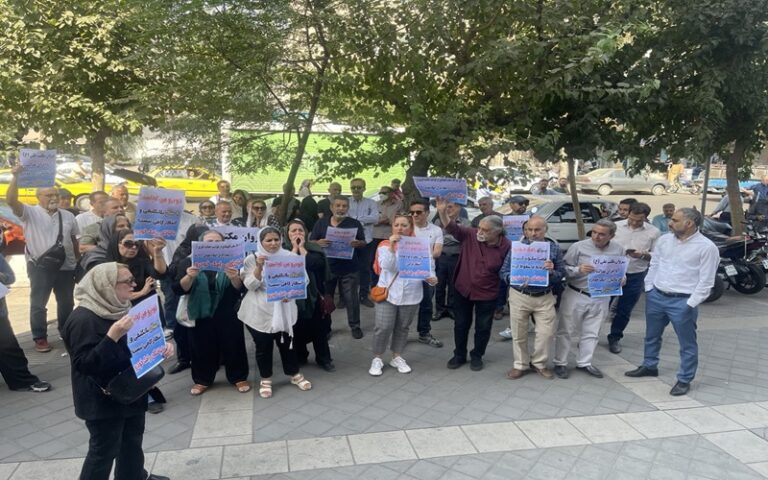
On Sunday, September 7, Iran witnessed a series of widespread protests in different cities. Retirees, workers, students, border residents, and young doctors each held separate demonstrations to voice their objections.
Protest of Steel Retirees and Social Security Pensioners
Dozens of steel retirees and teachers gathered in front of the Social Security Organization in Tehran. They chanted against the trampling of their rights: “Steel worker, cry out! Shout for your rights — we will not live under oppression; we sacrifice our lives for freedom — Social Security must be freed from government monopoly.”
Retirees’ Protest in Front of Social Security in Kermanshah
Retirees from various pension funds in Kermanshah also gathered in front of the Social Security Organization. They chanted: “Retiree, rise up, this is no time to sit — without water, without electricity, life is destroyed — worker, teacher, victims of inflation.”
Social Security Retirees’ Protest in Shush, Haft Tappeh, and Karkheh
Social Security retirees from Shush, Haft Tappeh, and Karkheh held a protest march. They chanted: “Only on the streets can we claim our rights — neither the parliament nor the government care for the people — retirees’ pensions only last a week — from Khuzestan to Tehran, death to these managers.”
Gathering of Retirees and Teachers in Ahvaz
Social Security retirees in Ahvaz also gathered, like other retirees, to pursue their demands.
Protest of Contract Oil and Gas Workers in Gachsaran
A group of contract workers from the Gachsaran Oil and Gas Company gathered in front of the company’s headquarters. They protested against meager wages, discrimination, and the atmosphere of repression.
Protest of Tarbiat Modares University Students
Students at Tarbiat Modares University gathered to protest against the very poor quality of food in the cafeteria and the disorder in its distribution.
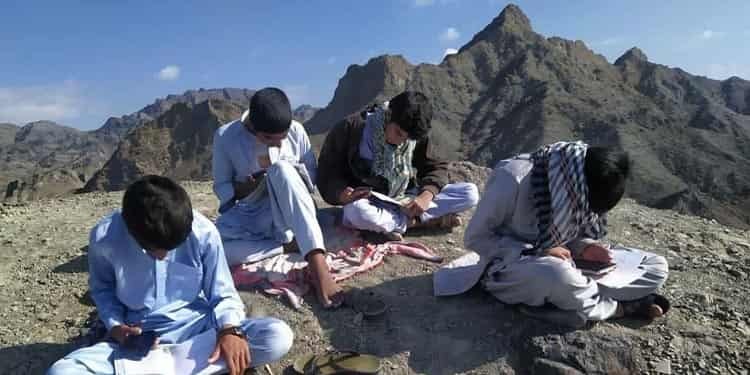
Baluch Citizens’ Protest in Front of the Repressive Salman IRGC Unit
Baluch citizens gathered in front of the Salman IRGC unit to demand the reopening of the border crossing. They described the IRGC’s “tanker plan” as a source of corruption and profiteering that has destroyed the livelihoods of border residents.
Young Doctors’ Protest in Tehran
Volunteer participants of the medical specialty board exam gathered for the second consecutive day in front of the Ministry of Health in Tehran. Their main slogan was: “Employment justice is everyone’s right, not a special privilege for a few!”
Protest of Farhan Diesel Fraud Victims in Tehran
Victims of the fraudulent company “Farhan Diesel” gathered in front of Tehran’s Economic Crimes Court. They asked: “Are there any officials in this country who are not thieves or accomplices of thieves?!”
The Iranian regime has failed to provide even the most basic livelihood needs. The protests of different segments of society show that any change in people’s lives under this regime is nothing but an illusion.
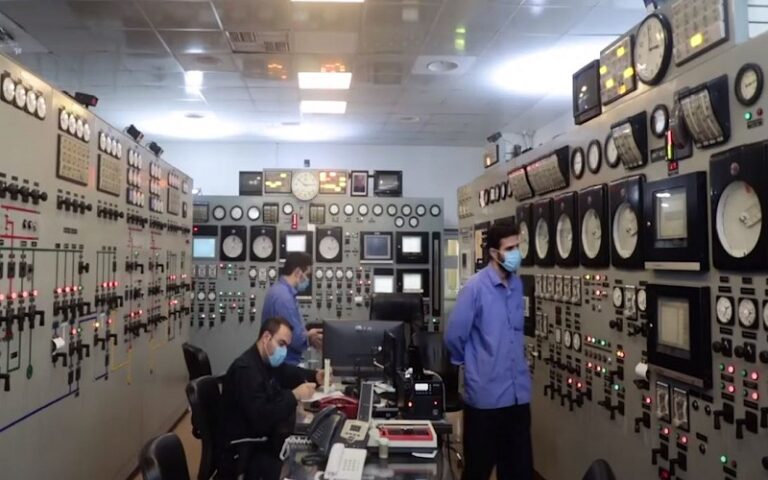
The Iranian regime’s failure in providing electricity has set the Ministry of Industry and the Ministry of Energy against each other
Ebrahim Sheikh, deputy minister of Industry, Mining, and Trade of Iran’s regime, criticized the Ministry of Energy’s policies on cutting electricity to industries, saying that despite a sixfold increase in electricity costs for industrialists, the “imbalances” have not been reduced.
On Saturday, September 6, Sheikh said in a meeting: “We have serious disagreements with our brothers in the Ministry of Energy, and we have completely lost our trust in this ministry’s policies and do not accept their words.”
He added that the Ministry of Energy should provide stable electricity for industries, but not only has this not happened so far, the problems have worsened every year.
Sheikh criticized electricity pricing for industries, saying this process should be based on guarantees, but in the past six years, the cost of electricity for industrialists has increased sixfold, and despite all these costs, the “electricity imbalance” has not decreased.
According to a study by the Institute for Trade Studies and Research published on August 24, industrial electricity prices in 2025 compared to 2018 officially increased about 12 times and, in practice, about 30 times.
Contrary to the regime officials’ common comparisons about Iran’s lower electricity rates compared to other countries, the study showed that electricity prices for energy-intensive industries in Iran are about three times higher than the average of the Persian Gulf countries.
Deputy Minister of Industry: Instead of industries, cut electricity in “other places”
The deputy minister of Industry further said that with the continuation of electricity outages, the Ministry of Energy should not expect payments from industrialists and should not increase industrial electricity tariffs.
Referring to the “disruption of industrialists’ plans due to blackouts,” Sheikh asked the “brothers in the Ministry of Energy” to “also consider other places for power cuts.”
In addition to industries, power and water outages in households across Iran began earlier this year than in previous years, starting in May.
The continuation of power outages and fluctuations in recent months has claimed the lives of at least five citizens.
In addition to constant blackouts, some citizens have reported receiving electricity bills amounting to tens of millions of rials for their homes and businesses.
In recent months, officials of Iran’s regime have portrayed the people as responsible for the energy shortage in the country and, in dealing with the crisis, advised citizens to “consume less” and “turn off lights.”
For years, Iran has faced an energy crisis due to mismanagement, but the crisis has been worsening every year.
The spokesperson of the Presidium of Iran’s regime Majlis (parliament): The triple-urgency bill on withdrawal from the NPT will be reviewed without delay
Abbas Goudarzi, the spokesperson of the Presidium of Iran’s regime Majlis, said that the report of the National Security Commission regarding proposals and bills on Iran’s withdrawal from the Nuclear Non-Proliferation Treaty (NPT) will be reviewed in the Sunday session of the Majlis.
On Sunday, September 6, Goudarzi stated that this bill carries a triple-urgency status and will be placed on the Majlis’ agenda without delay, and if approved, both its general framework and details will be reviewed in the same open session.
Goudarzi added: “During the review of the bill, members of the Guardian Council will also be present in Majlis so that, in case of final approval, they can review and declare whether or not it contradicts Sharia law and the constitution.”
Tehran MP Kamran Ghazanfari had earlier, in an interview with the state-run Hamshahri Online website, announced that the bill would be discussed in the Sunday session. He had said: “Some suggest that if the Majlis’ triple-urgency bill is approved, the endorsement of the Supreme National Security Council must also be obtained; however, such a requirement does not exist. Majlis’ approvals become enforceable after being passed and confirmed by the Guardian Council.”
According to Ghazanfari, the bill includes withdrawing from the Nuclear Non-Proliferation Treaty and cutting off cooperation with the International Atomic Energy Agency (IAEA). Since it is presented as a triple-urgency bill, it does not require separate submission to the Guardian Council, and the council’s members will give their opinion during the same session.
On August 28, the European Troika — France, the United Kingdom, and Germany — announced in a letter to the UN Security Council their decision to begin the process of activating the snapback mechanism and reimposing UN sanctions against Tehran.
Following this move, officials of Iran’s regime have adopted a dual stance: on the one hand, raising the possibility of withdrawal from the NPT, and on the other, declaring Tehran’s readiness to continue the diplomatic path.
Ali Akbar Salehi, former head of the Iranian regime’s Atomic Energy Organization and former foreign minister, stated that the Majlis cannot make decisions on measures such as withdrawal from the NPT without the opinion of regime supreme leader Ali Khamenei.
He considered withdrawal from the NPT to be within the “authority” of regime leader Ali Khamenei and added: “Governmental bodies like the Majlis, as a rule, cannot express their opinion in such matters without consulting the leader.”
Also, on September 4, Ismail Kowsari, a member of the Majlis’ National Security Commission, announced that the issue of withdrawal from the NPT had been raised in Majlis, but “the final decision in this regard rests with the Supreme National Security Council.”
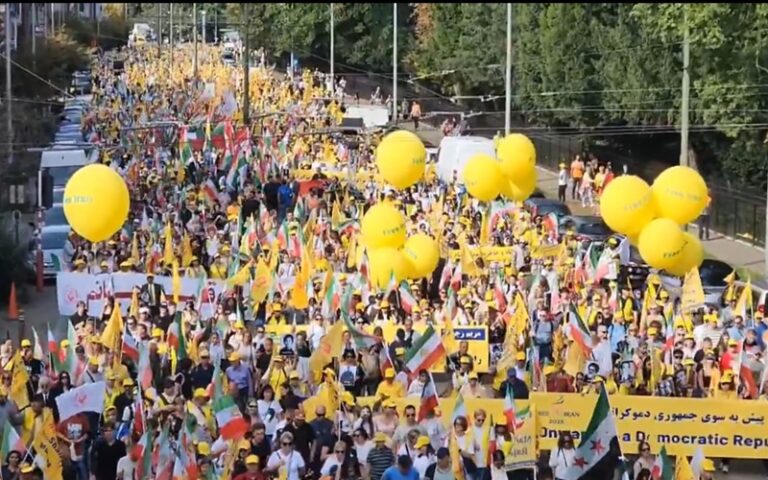
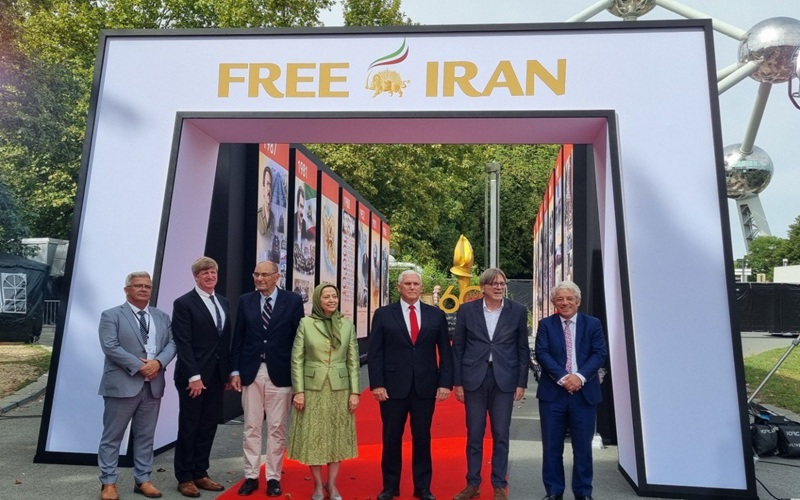
On September 6, 2025, tens of thousands of Iranians and NCRI supporters rallied in Brussels, Belgium, to celebrate the PMOI’s 60th anniversary. The event, organized by the National Council of Resistance of Iran (NCRI), gathered international dignitaries including:
Mike Pence – Former U.S. Vice President
Guy Verhofstadt – Former Belgian Prime Minister
John Bercow – Former Speaker of the UK Parliament
Kris Van Dijck – Belgian MEP
Patrick Kennedy – Former U.S. Congressman
Alejo Vidal-Quadras – Former Vice President of the European Parliament
Maryam Rajavi’s KeynoteNCRI President-elect Maryam Rajavi called sixty years of PMOI struggle “sixty years without a single day or even an hour of pause.” Despite torture and executions, she declared: “The Shah fell, the mullahs will fall too.”
Tens of thousands of Iranians and NCRI supporters rallied in Brussels, Belgium
She said the movement “wants nothing for itself” but seeks “freedom and the transfer of sovereignty to the people of Iran,” stressing that “there is an alternative — well-organized, fully prepared, and perfectly qualified.”
Presenting her vision, she called for democracy, gender equality, secularism, and a republic based on human rights. Highlighting women’s leadership as “the foundation for the Iran of tomorrow,” she urged the West to “designate the IRGC as a terrorist organization, enforce UN resolutions on the regime’s nuclear program, and support the Resistance Units.” She ended: “The time for uprising has arrived. You will liberate Iran. It can be done — and it must be done.”
Mike Pence
Former U.S. Vice President Mike Pence praised six decades of PMOI’s resilience: “Today, that movement — the PMOI — is stronger, more inspired, and more powerful than ever.”
Addressing Iranians inside the country, he said: “You are not alone. You are not forgotten. The day of your freedom is closer than ever.” He hailed the Resistance Units as “the driving engine of change, igniting uprisings and sustaining protests.”
Pence warned: “The greatest threat to this regime is not America, not Israel — it is the Iranian people themselves. We will not be silent. We will support the Resistance with everything we have.”
Guy Verhofstadt
Former Belgian Prime Minister Guy Verhofstadt said the massive rally proved “there is effectively a democratic alternative to the cruel and criminal mullahs’ regime.”
He condemned decades of appeasement: “Talking to the regime about everything, even nuclear weapons, has only made things worse.” He urged Europe to adopt a new strategy based on three steps: designate the IRGC as terrorist, expand sanctions, and engage with the democratic opposition using Rajavi’s Ten-Point Plan.
John Bercow
Former UK Parliament Speaker John Bercow called claims of “no alternative” to dictatorship “an abominable insult.” He dismissed monarchy: “We don’t mean some baby Shah… Not needed, not wanted, not of any use whatsoever.”
He praised NCRI’s strength, saying its Resistance Units are “greater in number, bigger in scale of activity, and superior in reach… than at any time.” He described Maryam Rajavi as one who has “sacrificed everything to serve the cause of a free Iran.” Closing, he pledged: “For as long as I have breath in my lungs, I will support the cause of freedom for Iran.”
Kris Van Dijck
Belgian MEP Kris Van Dijck praised Iranians fighting for freedom: “Wherever people have the courage to fight for human rights, I stand on their side.” He demanded release of political prisoners, condemned hostage-taking, and said, “We are pushing the EU to blacklist the IRGC.” He added: “My dream is your dream: a free Iran.”
Patrick Kennedy
Former U.S. Congressman Patrick Kennedy praised decades of sacrifice: “Every single year, MEK members have been tortured, jailed, and murdered — but have they stopped? No, they haven’t.”
He warned: “Appeasement never gets us security. Appeasement invites fascism to prevail.” Framing the struggle as universal, he declared: “This isn’t just an Iranian issue. This is a human rights issue.” He closed: “President Kennedy said, ‘Ich bin ein Berliner.’ Today… I proudly say, ‘Man Irani hastam’ — I am Iranian.”
Alejo Vidal-Quadras
Former European Parliament Vice President Alejo Vidal-Quadras told the crowd: “You are not a fringe… You are the heartbeat of a nation.”
He praised Rajavi’s Ten-Point Plan, rejected monarchy, and highlighted the Resistance Units: “I have seen them inside Iran — fearless, challenging.” He pledged loyalty despite surviving an assassination attempt: “I will remain a proud soldier in your ranks all the way to a free Iran.”
Iranian Voices
Young supporter Andrin Mohseni said: “Sixty years later, the organization is stronger than ever. Today, it terrifies the regime.”
Farzaneh Hosseini honored her family’s sacrifices, saying, “Under Maryam Rajavi’s motto, ‘we can and we must,’ generations of women have risen to lead a movement daring to challenge the world’s most misogynistic regime.”
Vida Niktalean, an Iranian-German community leader, called PMOI “the national treasure of 90 million Iranians… poised to break every bond of this regime.”
The Brussels rally underscored growing international recognition of NCRI and PMOI as the democratic alternative to Iran’s regime. From global leaders to young activists, participants echoed Maryam Rajavi’s declaration: “Uprising and overthrow are on the way. You will liberate Iran. It can be done — and it must be done.”
Amid ongoing warnings about the growing wave of school dropouts among children and teenagers in Iran, the regime’s minister of education announced that the number of children deprived of education in the country has reached 950,000.
Alireza Kazemi, in an interview with the state-run ILNA news agency, said that according to official system records and documents, around 950,000 students are considered either deprived of education or school dropouts.
Kazemi stated that the Ministry of Education has individual-level data on students deprived of education and dismissed the claims of some officials that two million students are out of school as “false.”
In October 2024, Farshad Ebrahimpour, a member of the regime’s parliamentary education commission, revealed hidden statistics on children deprived of education, saying that in the 2024-2025 academic year, around two million students were not registered for school, largely due to economic problems preventing families and students from completing the enrollment process.
Regarding claims that students drop out of school to join the workforce, the education minister insisted that this is not true.
In May, the state-run daily Donya-e-Eqtesad reported that financial hardship and child labor to support household income were among the main causes of the rising number of children deprived of education in Iran.
In recent years, repeated warnings have been issued regarding the wave of school dropouts among Iranian children and teenagers, mainly due to family economic hardships.
In November 2024, Kazemi identified family, economic, and social factors as the main reasons students are deprived of education.
He said that dropping out of school for about 3% of the 950,000 deprived students was related to educational conditions.
Data from Iran’s Statistics Center, published in July 2024, showed that the dropout rate among elementary and lower secondary students increased in the 2023-2024 academic year compared to the previous year.
Declining student performance
Continuing his interview, Kazemi stressed that part of the decline in educational quality directly relates to the Ministry of Education itself. He cited “overcrowded and substandard classrooms, dependency on smartphones, disconnection between families and schools, language gaps in bilingual areas, and inadequate preschool coverage” as causes of declining student performance.
The minister of education, noting the drop in students’ average grades, added that “academic decline” must be seen as “multi-causal”: “Try teaching in a class of 50 students with no standards and see what results you get. Our teachers work with all their effort, but many factors are simply beyond their control.”
In November 2024, Gholamali Afrooz, a professor at Tehran University, stated that only 70% of Iranian students who enter elementary school eventually graduate from high school.
He added that 30% of students in the country fail to obtain a high school diploma, leaving the education system before graduation and joining the labor market instead.
The conflicting reports—ranging from 950,000 to 2 million deprived students—alongside declining learning quality, clearly reflect that the education crisis is serious and will not be solved through denial.
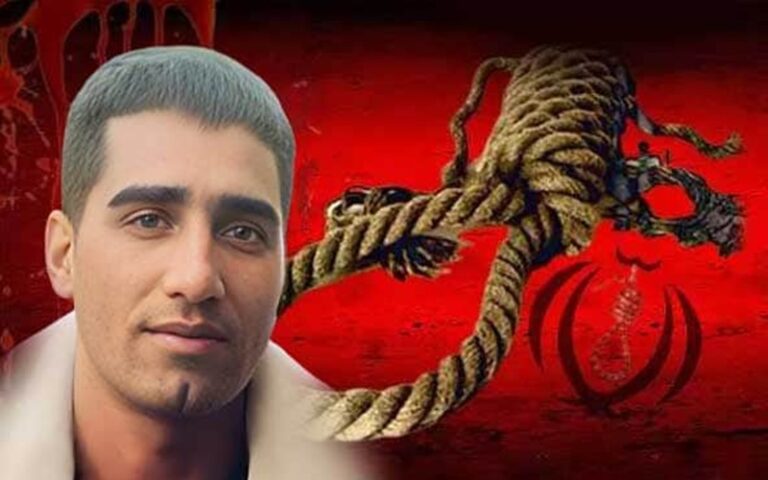
Mizan news agency, affiliated with Iran’s judiciary, announced that the execution of Mehran Bahramian, one of the detainees from the nationwide 2022 protests in Semirom, Isfahan, had been carried out. Just hours earlier, the Iran Human Rights Society had reported that Bahramian’s family was summoned to Isfahan for a final visit.
This citizen, after spending several years in prison and enduring torture, had been released on heavy bail but was later rearrested and sentenced to death.
In February 2024, the Semirom Revolutionary Court of Appeals, presided over by Judge Tavakoli, upheld the death sentences of Mehran and Fazel Bahramian, two brothers arrested during the 2022 protests.
In the same case, Younes Bahramian and Dariush Saedi were each sentenced to 16 years in prison, and their sentences were upheld on appeal. Additionally, Bahareh Shiri, the mother of Ali Abbasi, a protester killed during the demonstrations, was sentenced to eight years in prison.
At that time, the atmosphere in Semirom was heavily securitized. Families of prisoners were pressured to refrain from speaking out. Many relatives of the detainees even feared posting simple messages on social media, as they could be arrested immediately.
The daughter of Morad Bahramian disabled her Instagram account, while Ali Abbasi’s mother, despite limited activity, was sentenced to prison in absentia.
On November 16, 2022, during widespread protests in Semirom, three citizens — Ali Abbasi, Morad Bahramian, and Moslem Houshangi — were shot dead by security forces. Their 40th-day memorial on December 31, 2022, turned into a large anti-regime protest. During the clashes that day, a member of the Basij paramilitary force, Mohsen Rezaei, was killed, which immediately triggered a wave of arrests.
Special forces were deployed throughout the city and raided the homes of the victims’ families. Ali Abbasi’s sister and two of Morad Bahramian’s brothers were arrested at that time.
Ten days later, Mehran and Fazel Bahramian were transferred to the IRGC intelligence detention center in Dolatabad, Isfahan, where they were tortured in solitary confinement until March 2023. They were later moved to Dastgerd Prison in Isfahan but were only allowed brief phone calls.
From these calls, it became evident that Mehran had suffered broken ribs and a ruptured eardrum due to torture, while Fazel sustained severe head and facial injuries.
In March 2023, Dariush Saedi was arrested while returning from Boroujen, and Younes Bahramian was detained at the same time. Both were held in IRGC intelligence solitary cells and denied access to lawyers. Their families were only allowed one short visit in June 2023.
After the news broke that Mehran and Fazel had been sentenced to death on charges of “enmity against God” (moharebeh), shopkeepers and merchants in Semirom went on strike.
In a statement issued on Wednesday, September 3, Amnesty International warned about the escalation of political and legal repression in Iran following the recent clashes with Israel. The human rights organization said that Iran’s regime, under the pretext of “safeguarding national security,” has implemented widespread and systematic repression across the country, intensifying international concerns over gross human rights violations in Iran.
Amnesty International reported 20,000 arrests in Iran
According to the data provided, since June 13, 2025, more than 20,000 people have been arrested in Iran. Those detained include a wide range of civil rights and political activists, human rights defenders, journalists, social media users, families of protest victims, as well as foreign nationals. In addition, ethnic and religious minorities such as Baluch, Kurds, Baha’is, Christians, and Jews have also been targeted.
Repression and violent security practices
Amnesty International, in another part of its report, pointed to the violent behavior of security forces and cited incidents of shooting at cars at checkpoints — one of which led to the death of a three-year-old child. At the same time, some regime officials and state-run media have openly called for accelerating executions and even referred to replicating the mass execution patterns of the 1980s. According to documented reports, at least nine people have been executed in recent weeks on political charges or accusations of spying for Israel. Meanwhile, Iran’s parliament is reviewing a bill to expand the use of the death penalty.
Criminal accountability for human rights violators
At the end of its statement, Amnesty International condemned the ongoing repression and called for the immediate halt of executions, the release of all arbitrarily detained individuals, an end to torture and enforced disappearances, and the international prosecution of Iranian regime officials under the principle of universal jurisdiction. Amnesty stressed that the international community must establish effective and concrete mechanisms to ensure the criminal accountability of those responsible for these violations.
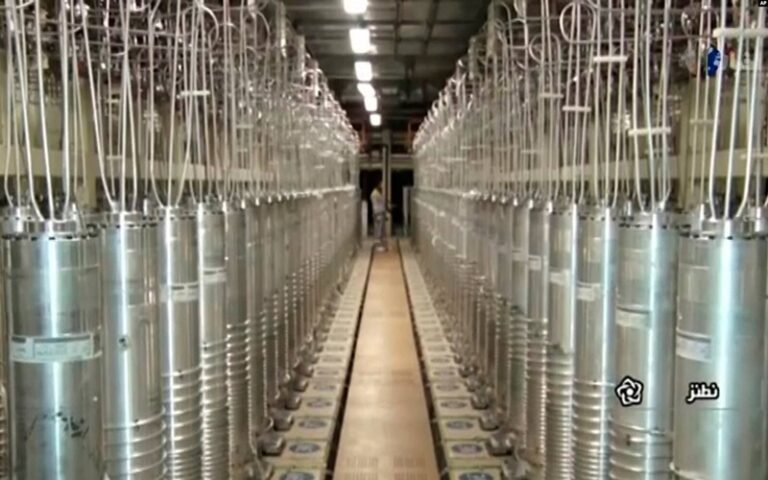
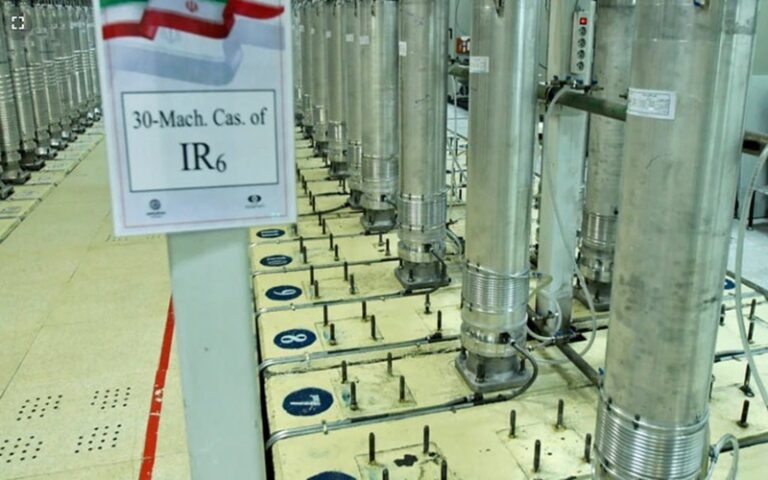
The International Atomic Energy Agency (IAEA) submitted two new quarterly reports on the Iranian regime’s nuclear program to member states. The reports show that Tehran’s uranium stockpile enriched up to 60%—close to the level needed for building a nuclear weapon—had increased shortly before Israel’s strikes.
According to the first report, published by Reuters on Wednesday, September 3, since June 13—the day Israel began its strikes on nuclear facilities—the IAEA has been unable to carry out necessary on-site verification of enriched uranium stockpiles.
The report estimated Iran’s uranium stockpile at 9,874.9 kilograms as of June 13, an increase of 627.3 kilograms compared to the previous quarterly report.
According to the report, the stockpile of uranium enriched up to 60% in the form of uranium hexafluoride (UF6) stood at about 440.9 kilograms—32.3 kilograms more than the previous period.
It is worth noting that the world was unaware of Iran’s nuclear program until the National Council of Resistance of Iran (NCRI), the main Iranian opposition group, exposed it.
According to the IAEA, about 42 kilograms of uranium enriched to 60%—if further enriched—would be enough to produce one nuclear bomb.
On May 31, two weeks before the start of the 12-day conflict, the IAEA stated in a confidential report that Iran had previously carried out secret nuclear activities at three sites long under investigation.
According to that report, the three sites—Lavizan-Shian, Varamin, and Marivan—and possibly others were part of an undeclared structured nuclear program that Iran carried out until the early 2000s, using undeclared nuclear material in some activities.
Enough Stockpile for 10 Nuclear Bombs
According to the new IAEA report, Iran’s current stockpile enriched to 60% theoretically equals the capacity to produce about 10 nuclear bombs.
In contrast, the stockpile of uranium enriched up to 20% was estimated at 184.1 kilograms, down 90.4 kilograms from the previous period. According to the IAEA, 125 kilograms of uranium enriched to 20% could, if further enriched, be sufficient to build one nuclear bomb.
IAEA Second Report: Dispute Over Inspectors
The IAEA’s second report refers to a dispute last May when two inspectors, after a mission in Fordow, took several pages containing notes about the facility to Vienna instead of leaving them at the IAEA office in Fordow.
The Iranian regime responded by revoking the accreditation of the two experienced inspectors—an action the IAEA deemed “unjustified,” stating that the incident did not involve any breach of confidentiality.
The second report emphasized that while the notes contained descriptions of the facility’s interior, they had no content that could endanger its security.
The report also warned that until Tehran fully resumes implementing safeguard measures, the IAEA cannot provide any conclusions or assurances regarding the Iranian regime’s nuclear program.
The report described Iran’s stockpile of highly enriched uranium as a “very concerning issue” that must be addressed.
IAEA Director General Rafael Grossi warned on Wednesday that the agency’s negotiations with the Iranian regime over resuming inspections at nuclear facilities targeted by U.S. and Israeli strikes should not take months.
He called for reaching an agreement as quickly as possible, even within this week.
Grossi said in an interview with Reuters: “We are trying to have another meeting, perhaps within a few days now, here in Vienna, to conclude this and to start the inspections.”
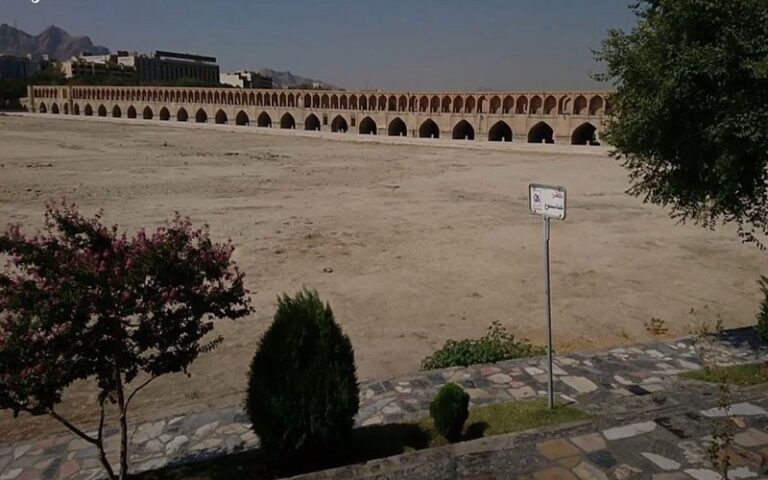
With the intensifying water crisis and the Iranian regime’s failure in resource management, official reports indicate a serious decline in reservoir levels behind the dams. Three dams in the country have completely dried up, while eight other important and large dams are on the brink of drying out.
According to data from Iran’s Water Resources Management Company, since the beginning of the current water year (September 22, 2024, to August 30, 2025), the total inflow into the country’s dams has been recorded at 24.19 billion cubic meters, which represents a 42% decrease compared to 41.56 billion cubic meters during the same period last year.
During this period, Shamil and Niyan Dam in Hormozgan province, Voshmgir Dam in Golestan province, and Rudbal Darab Dam in Fars province were recorded with zero water reserves, thus categorized as completely dried-up dams.
Additionally, eight other major dams across the country are on the verge of drying out.
25% decrease in the volume of water in dams
The state-run IRNA news agency reported that by August 30, the volume of water stored in the country’s major dams had reached about 20 billion cubic meters, showing a 25% decrease compared to 26.53 billion cubic meters during the same time last year.
IRNA noted that this year, water release from dams was limited to manage the summer months and wrote that since the beginning of the water year, only 28.53 billion cubic meters of water has been withdrawn.
According to this report, the figure was 36.97 billion cubic meters last year, meaning water withdrawals from dams have dropped by 23% this year.
The drying of dams has intensified in recent months and years, and with continued decline in rainfall and the regime’s inability to manage resources, the reserves of several dams have reached zero while eight major dams are on the verge of drying out.
Earlier, on September 1, the state-run ISNA news agency reported that the 15 Khordad Dam in Qom province was taken out of the water supply system. The report said this 200-million-cubic-meter dam currently holds only 16 million cubic meters of water, of which 15 million cubic meters is “dead volume” and unusable.
On August 28, Mehdi Daneshgar, deputy head of Iran’s Water Resources Management Company, announced that rainfall in the current water year was 41% lower than last year, and dam inflows had decreased by 42%.
On July 20, Banafshah Zahraei, a professor of water resources management at the University of Tehran, said that four main dams supplying water to Tehran would dry up by late September.
This crisis is worsening because there are no sources available to compensate for the lost water.
Ali Khezrian, an Iranian regime MP, recently revealed that one of the airlines has only one active airplane but pays salaries to 2,500 people. In one provincial office alone, 500 people clock in and out daily without doing any actual work. Khezrian described this situation as the result of factionalism and lobbying within Aseman Airlines.
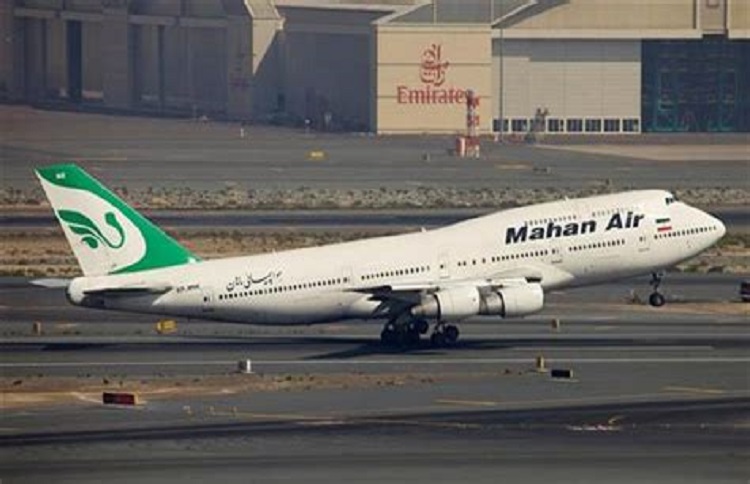
Mahan Airlines was run under the supervision of Hossein Marashi, the cousin of the widow of former regime president Akbar Hashemi Rafsanjani. This airline later became a tool for transporting weapons and equipment for the Quds Force of the Islamic Revolutionary Guard Corps (IRGC).
In recent years, the uncontrolled establishment of new airlines in Iran has accelerated. The fleet is in poor condition both in terms of number and age, yet the number of Iranian airlines is several times higher than the global average.
For example, Iran’s population is one-fifteenth that of China, but the number of airlines in Iran is nearly five times higher than in China.
Some of these airlines employ thousands of staff, yet have only one or two active airplanes. Why have so many airlines been established? What benefits does this bring for their founders and for the people?
Analysis and comparison of airline statistics
Reports vary on the number of active versus grounded airplanes, ranging from 70 to 140 active planes. The average age of these planes is reported to be 28 years, with some still flying after 30 to 40 years of service. By contrast, the global average fleet age is 15 years.
Iranian airlines on average operate between 2 to 5 planes, each around 28 years old. In comparison, Qatar Airways operates 201 planes with an average age of just 5 years, making it one of the youngest fleets in the world.
In China, the average airline fleet has 323 planes. Despite having a population of 1.4 billion, the country has only five passenger airlines. This means that China, with 15 times Iran’s population, has less than one-fifth the number of airlines Iran does.
India, with a population of 1.5 billion, has only four airlines—just 15% of the number in Iran. Turkish airlines have an average fleet of 148 planes, while UAE airlines average 162 planes. In developed countries such as…
Drivers behind the establishment of new airlines
Several key factors drive the establishment of new airlines in Iran. One of them is the rent-seeking and profits from fuel quotas. Jet fuel in Iran is heavily subsidized and therefore very cheap.
Airlines can sell part of their fuel quotas on the open market, generating huge profits, especially for newly established airlines that operate very few flights.
In March, the domestic fuel price rose from 6,000 rials to 113,000 rials per liter. However, the current price is still only 30% of its real value, with 70% of the cost still paid as subsidies.
The real purchase and refinery price of jet fuel is 300,000 rials per liter. This means airlines make a profit of 190,000 rials per liter when selling it. Currently, the price of one U.S. dollar in Iran’s market is 1.05 million rials.
This heavy subsidy costs the government $1 billion annually. Such an amount creates a strong incentive for the establishment of airlines with minimal flights.
The second factor is increased revenue from the liberalization of ticket prices. With ticket prices freed while fuel subsidies remained in place, profit margins rose, attracting more people to establish airlines.
Maghsoud Asadi Samani, secretary of the Association of Iranian Airlines, has pointed to this increase. Before liberalization, ticket prices were government-controlled. Critics argue that if companies can sell tickets at free-market rates, they should also buy fuel at market prices. But in the end, the subsidies were not removed while ticket prices rose, dramatically increasing airlines’ profits.
The third factor in the mushrooming growth of airlines
The third factor is cheap banking facilities. Banks provide low-interest loans for establishing airlines. In a country with inflation above 40%, even loans at 25% interest are profitable for borrowers.
Examples of such special conditions include foreign currency loans with zero interest for purchasing airplanes and large loans with single-digit interest rates. Even resources from the National Development Fund have been used for a $2.5 billion loan to Iran Air.
The fourth factor is budget exploitation and fake employment. Paying salaries to 2,500 people for operating a single airplane is an example of rent-seeking and unnecessary hiring. Regime MPs and governors lobby to secure licenses for airlines.
Exploitation of sanctions in the expansion of airlines
Heavy sanctions have restricted direct access to aircraft manufacturers, making it impossible to procure spare parts or purchase new airplanes. This problem is especially critical given that the average fleet age is 28 years.
In such conditions, the demand for small and micro airlines increases, particularly those not yet directly sanctioned by the United States.
As a result, Iran’s regime has been eager to issue numerous licenses for establishing new airlines, often without considering proper standards.
According to Esmaeil Rabani, executive deputy of the Civil Aviation Organization, license issuance has been facilitated. Any application submitted in the licensing portal is accepted, with no scrutiny of the aviation background of board members.
Consequences of the proliferation of airlines
Newly established airlines often face shortages of airplanes and experienced staff. This leads to a decline in service quality, frequent delays, and increased flight risks. Issuing multiple licenses without expertise fuels rent-seeking and financial corruption, resulting in weak and substandard airlines. The waste of massive loans and heavy government subsidies adds to this financial burden.
In the long run, this situation undermines the aviation industry and flight safety. If continued, it could become a major challenge for the future of air transportation in Iran.