


 PolicyMic: The Iranian presidential elections in 2009 remain a landmark event, with an unprecedented uprising shaking the theocracy in Tehran to its core and capturing the world’s attention for weeks. PolicyMic.com
By Firouz Mahvi
The Iranian presidential elections in 2009 remain a landmark event, with an unprecedented uprising shaking the theocracy in Tehran to its core and capturing the world’s attention for weeks. Few can forget the haunting images of Neda Agha Soltan in her last moments in the streets of Tehran. Now four years later, the legacy of that uprising is felt throughout Iran, as new elections on June 14 approach.
The Supreme Leader Ayatollah Ali Khamenei’s ruling faction is doing all it can to conduct a quiet race, hoping to avoid any unrest at all costs. Despite the focus on the candidates participating in the election, the real story remains the hidden opposition bubbling under the surface, waiting for an excuse to explode.
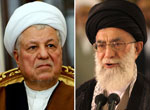
The disqualification of Ali Akbar Hashemi Rafsanjani serves as a reminder of the desperation of Khamenei and the theocracy to quell opposition in any form. The move against Rafsanjani comes as somewhat of a surprise. After all Rafsanjani was once second in line behind Khamenei as a figurehead of the Islamic Republic, serving eight years as president, nine years as the speaker of the parliament, and 24 years as chairman of the Expediency Council. In fact Rafsanjani was instrumental in elevating Khamenei from political obscurity to the role of supreme leader after Ayatollah Khomeini’s death.
No doubt the move is the direct result of the lessons he learned following the fiasco in 2009, when Khamenei put forward the illusion of choice in the elections, while intending to commit fraud from the outset. The results blew up in his face, as the split between Khamenei’s then-favorite candidate Ahmadinejad and Mousavi was used by the masses to voice their displeasure over 30 years of corruption and repression.
Today the regime has taken every precaution imaginable to limit dissent and maintain control over the elections. All eight of the candidates who were approved are unquestionably loyal to the supreme leader. There has been a massive crackdown on all forms of dissent, including limiting expression on the internet and social media, the intimidation and harassment of dissidents, and severe restrictions placed upon the press months in advance of the elections.
This stands in stark contrast to the relatively open climate the regime created in 2009 in order to stir up fervor over the elections. In 2009 the debates leading up to the elections were notable for their fireworks, including the open accusations by candidates revealing crime and corruption amongst the various factions of the regime. This time around the regime turned the debates into what looked more like a scripted talk show, in effect gagging candidates from spewing dangerous venom. The resulting debates have bordered on absurdity and have been ridiculed by all, including the candidates.
In January, Ali Saeedi, the supreme leader’s representative to the Revolutionary Guards, made headlines by claiming it was the duty of the guards to “engineer reasonable and logical elections”. This comes as no surprise, as Khamenei and the guards have long been involved in “electoral engineering” through the use of voter fraud, intimidation, and repression, tightly controlling the discourse surrounding the elections.
The current state of affairs, including a bleak economic outlook, international isolation, and barbaric repression at home, has disillusioned most Iranian voters. They too have learned their lessons from 2009. Many have found unconventional ways to express their dissent, including graffiti seen in Tehran reading “My vote is for the overthrow of the regime.” The coals of dissent have remained hot over the last four years, and are waiting for a spark, as evidenced by the shouts of “down with the dictator” that became a rallying point during the funeral of a dissident cleric.
It appears that Khamenei intends to use the candidacy of Saeed Jalili, the nuclear negotiator who was a key member of Ahmadinejad’s ruling circle during his presidency, to neutralize Ahamadinejad’s supporters.
There is a chance that Mullah Hassan Rohani, one of the eight candidates running, may be backed by Rafsanjani and former President Khatami, in a bid to undermine Khamenei’s hegemony. If so Khamenei will be forced to ensure that his defeat is “engineered” through the ballot box. This move may stir dissent and cause enough of a split within the regime to allow popular protests to take form, much as they did in 2009.
Tehran is simultaneously attempting to tightly control the elections in every phase, while drumming up fanfare to an appeal to a cynical and disinterested population.
Meanwhile outside of Iran, the resistance and supporters of PMOI and the political coalition of NCRI led by Mrs. Maryam Rajavi, are planning their largest gathering in Paris. Their slogan is clear: “Our vote is regime change”. This will coincide with the final announcement of the election results on 22 June, if there will be a second round.
The regime will no doubt be ready to use any means necessary to crush dissent. Most Iranians and in fact much of the world can see through this ploy. What remains to be seen is whether the situation will blow up in Khamenei’s face. If it does, we may be witnessing the last act of the farce that is elections in Iran.


