Home Blog Page 449

Rouhani Warns, the Tough Days Are yet to Come

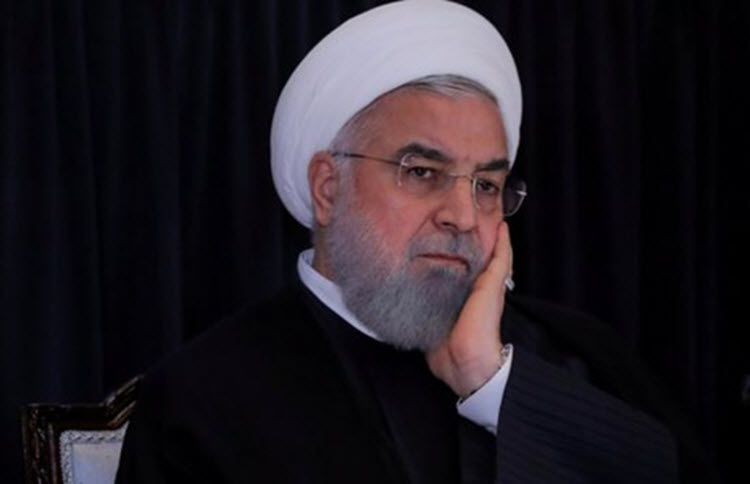
Iranian President Hassan Rouhani with head in hands

London, 21 May – Iran’s President Hassan Rouhani met on Saturday with a group of officials who are described by state media as “the possessors of culture and art”. Rouhani
warned of the “back bending situation” that will surely follow, if the critical status quo continues as it is.

Rouhani said, “What we are missing today is the social resources. Our social resources have weakened. That is why we have so many problems. Otherwise, the government is the same.” He also acknowledged the weak morale within the administration and repeated defections among government officials.

Supreme Leader Ali Khamenei has also warned about such outcomes.

Rouhani confirmed, “We have some problems. Sometimes these problems increase and sometimes they decrease. And sometimes they bend our backs, and we have to rise up to be able to govern the country again.”

Portraying a grim future, Rouhani warned that a worse situation was still to come. “We have a tough year ahead of us. A difficult year. Yes! We are under pressure now. We are facing difficult economic circumstances and a difficult road ahead. We have tough days before us, more than what you might think.”

The rival Khamenei faction has been pressuring Rouhani over his endeavors to keep alive the nuclear deal, also known as the Joint Comprehensive Plan of Action (JCPOA). “It was the JCPOA that paved the way to complete the star of the Persian Gulf because this project started before the signing of the nuclear deal. But why was it not inaugurated? If it wasn’t for the JCPOA, the completion of this project would probably take another 10 to 20 years,” he said. Rouhani also claimed that Phase 15 of the South Pars oil and gas field project was launched only because of the JCPOA.

On his Wednesday meeting with heads of government, Khamenei’s comments focused on rejecting any dialogue with the United States, especially with the Trump administration. He called a move such a this, “double poison.”

According to Rouhani, the dialogue is “education” and “art”. Iran’s president insisted that is was necessary and negotiations were needed. This is what the US has been trying to accomplish by re-imposing sanctions – that Iran understands that change and compromise regarding the JCPOA are required.

But, the rift between the factions allied with Khamenei, versus those who follow Rouhani shows how deep the split at the top of the system goes.

Still, there’s a certain amount of obstinacy on Rouhani’s part, as well. “We are ready for a dialogue,” he said, “We welcome a dialogue. However, we do not negotiate with someone who says we pull you to the negotiating table.”
Iran: Political Prisoner Sentenced to Death for Supporting the PMOI/MEK

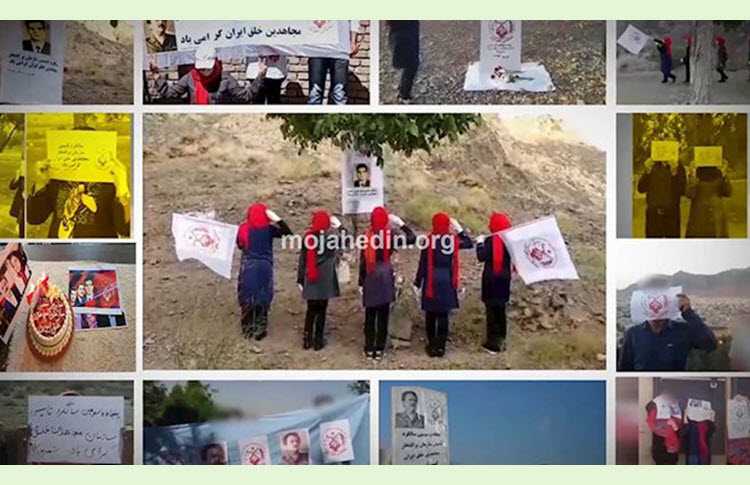
arrests of 116 teams associated to the MEK in the past year

By Jubin Katiraie

34-year-old Abdullah Ghasempour was arrested on May 21st, 2018 for setting fire to a Revolutionary Guards (IRGC) Basij base, filming the event, and sending it to the MEK media. On Sunday, the notorious judge, Mohammad Moghiseh, sentenced Ghasempour at branch 28 of Tehran’s Revolutionary Court, to death, plus eight years in prison, on charges of “waging war on God”, “assembly and collusion,” and “membership in the MEK.”

Iran Must Be Held Accountable for Endangering Regional Security

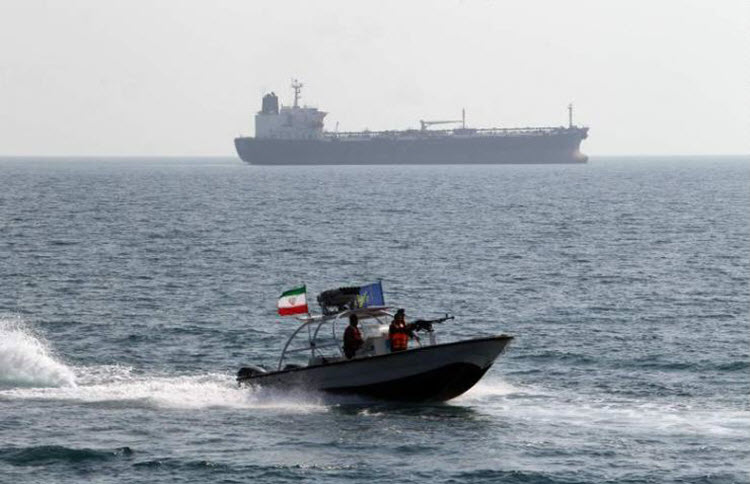
A picture of a radar boat of the Revolutionary Guard and a tanker vessel in the Strait of Hormuz

By Mehdi

Since the U.S. administration left the Joint Comprehensive Plan of Action a year ago, the Iranian leaders have been under significant pressure.

In a short period of time, the ruling mullahs have seen a significant loss in revenues, since the US has imposed sanctions on the Iran’s energy and financial sectors. According to the International Energy Agency (IEA), Iran’s oil exports may this month plunge to the lowest level in decades.

Iranian Mullahs’ Policy of Hiding Behind Proxy Terrorist Militias

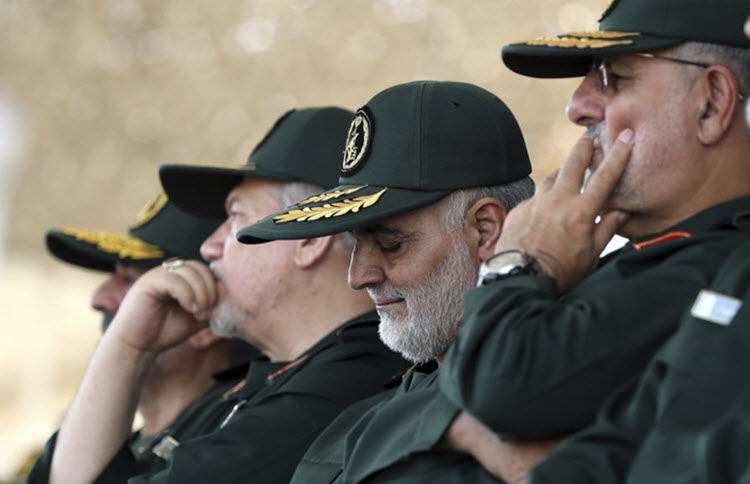
Commanders of the Revolutionary Guard Corps-IRGC

By Jubin Katiraie

The increasing US military buildup in the Arabian Gulf Region has caused spectators to expect the breakout of a fierce war, most observers expect a small-scale strike against Iran’s proxy militias in Iraq or against the its Islamic Revolutionary Guard Corps (IRGC).

Amnesty: Proposed Iranian Law Restricting Access to Lawyer Would Be Crushing Blow for Justice

Laws in Iran

A contemptible amendment to Iran’s code of criminal procedure could effectively strip detainees who are facing punishments such as the death penalty, life imprisonment, and amputation, of the right to access a lawyer while they are under investigation, Amnesty International announced on Thursday, May 16.

An analysis of the bill published by the organization Thursday details how, if passed, the amended law would permit the prosecution to immediately deprive individuals arrested on “national security” and certain other serious criminal charges of access to a lawyer for 20 days, which could be extended to cover the whole investigation phase. In Iran, those charged with “national security” offenses include human rights defenders, journalists, and political dissidents targeted solely for the peaceful exercise of their human rights.

“This is a regressive piece of draft legislation which would effectively remove the right to a lawyer in a wide range of criminal investigations and contravene Iran’s obligations under international law. If passed by MPs it would be a crushing blow to Iran’s already deeply defective justice system and could further consolidate patterns of torture and other ill-treatment against detainees to extract forced confessions during interrogations,” said Philip Luther, Research and Advocacy Director for the Middle East and North Africa at ‎Amnesty International.

“Denial of prompt access to a lawyer is a serious violation of the right to a fair trial in all circumstances, but it is particularly shocking in cases where individuals are at risk of being sentenced to severe or irreversible punishments such as execution, amputation, and life imprisonment.”

For decades, Iranian authorities have failed to ensure that the right to access a lawyer is respected, particularly during the investigation phase.

The proposed amendment is intended to replace an already flawed provision in the Note to Article 48 of the Code of Criminal Procedure. This provision requires individuals facing charges related to “national security” and certain organized crimes to select their lawyer from a list of names approved by the head of the judiciary.

Iranian lawmakers involved with the legal and judicial parliamentary commission had announced in June 2018 that they would look into reforming this law to grant detainees access to a lawyer of their choosing, but instead, they have taken a huge step backward, Amnesty said.

“Iranian lawmakers should focus their attention on introducing legal reforms that would strengthen rather than further undermine the right to a fair trial. The Iranian parliament must urgently revise this proposed amendment to bring it into line with Iran’s obligations under international human rights law and guarantee the right of all detainees to access a lawyer of their choice from the time of arrest and at all stages of judicial proceedings, including pre-trial detention, questioning, and investigation,” said Philip Luther.

The Iranian regime’s legal and judicial parliamentary commission announced on 6 May 2019 that it had prepared a draft amendment to the Note to Article 48 of the Code of Criminal Procedure, which came into force in its current form in 2015. The proposed amendment is expected to be scheduled for a vote in Iran’s parliament in the coming weeks.

Iran Terror Chief Tells Militias to Prepare for ‘Proxy War’

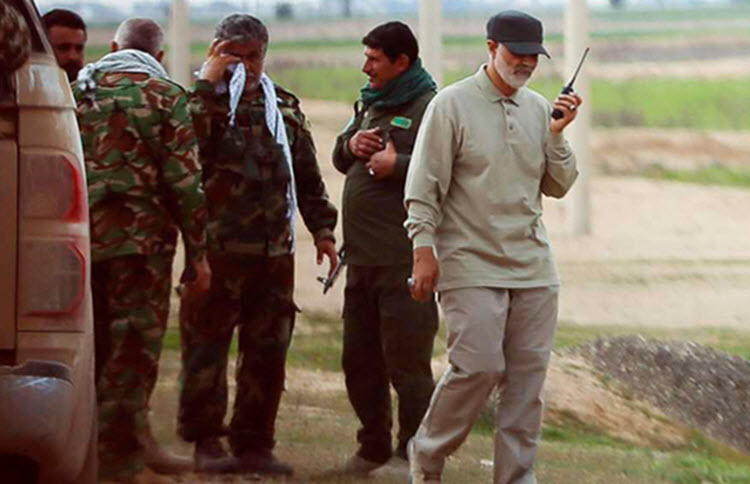
Qassem Suleimani, leader of the Revolutionary Guards Quds Force in Iraq

The head of Iran’s extra-territorial military force recently met Iraqi militias in Baghdad and told them to “prepare for proxy war”, according to a report on Friday in Britain’s Guardian.

Two senior intelligence sources told the Guardian that Qassem Suleimani, leader of the Revolutionary Guards Quds Force, summoned the militias under Tehran’s influence three weeks ago, amid a heightened state of tension in the region.

This year, the U.S. State Department added Iran’s Islamic Revolutionary Guards Corps (IRGC) Quds Force to its list of Foreign Terrorist Organizations (FTO).

The move to mobilize Iran’s regional allies is understood to have triggered fears in the US that Washington’s interests in the Middle East are facing a pressing threat, the report said. The UK raised its threat levels for British troops in Iraq on Thursday.

While Suleimani has met regularly with leaders of Iraq’s myriad Shia groups over the past five years, the nature and tone of this gathering were different. “It wasn’t quite a call to arms, but it wasn’t far off,” one source said.

The meeting has led to a frenzy of diplomatic activity between US, British, and Iraqi officials who are trying to banish the specter of clashes between Tehran and Washington and who now fear that Iraq could become an arena for conflict.

The gathering partly informed a U.S. decision to evacuate non-essential diplomatic staff from the US embassy in Baghdad and Erbil and to raise the threat status at US bases in Iraq. It also coincided with a perceived separate risk to US interests and those of its allies in the Persian Gulf and led to a heightened threat that more than a decade of proxy conflicts may spill over into a direct clash between Washington and Tehran, the Guardian wrote.

Leaders of all the militia groups that fall under the umbrella of Iraq’s Popular Mobilization Units (PMUs) were in attendance at the meeting called by Suleimani, the intelligence sources claimed. One senior figure who learned about the meeting had since met with western officials to express concerns.

As the head of the IRGC Quds Force, Suleimani plays a significant role in the militias’ strategic directions and major operations.

The British Foreign Secretary, Jeremy Hunt, appeared to align the UK on Thursday with U.S. claims that Tehran’s threat posture had changed. “We share the same assessment of the heightened threat posed by Iran,” he said on Twitter. “As always we work closely with the USA.”

The US has ordered a naval battle group and a squadron of B-52 bombers to the region, in response to the perceived increased threat.

57 Million Below the Poverty Line: Iran Regime Parliament Predicts

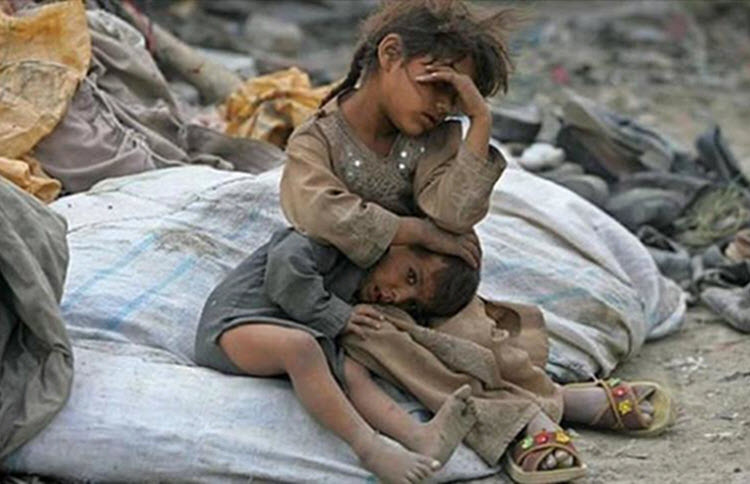
A picture of poverty in Iran

By Jubin Katiraie

The Iranian Parliament’s Research Center published a report in which figures for the next 12 months show that between 23 and 40 percent of Iran’s population will soon be living under the absolute poverty line.

This report displays the damage that runaway inflation has caused the Iranian economy over the last couple of years. In fact, the Iranian calendar year, which began March 21st, 2018, and ran through March 20th, 2019, saw the inflation rate reaching 47 percent, and the economy dropping to a negative growth rate.

Iran Cyber-Threat Must Not Be Pushed to the Side Amidst Issues That Appear Bigger

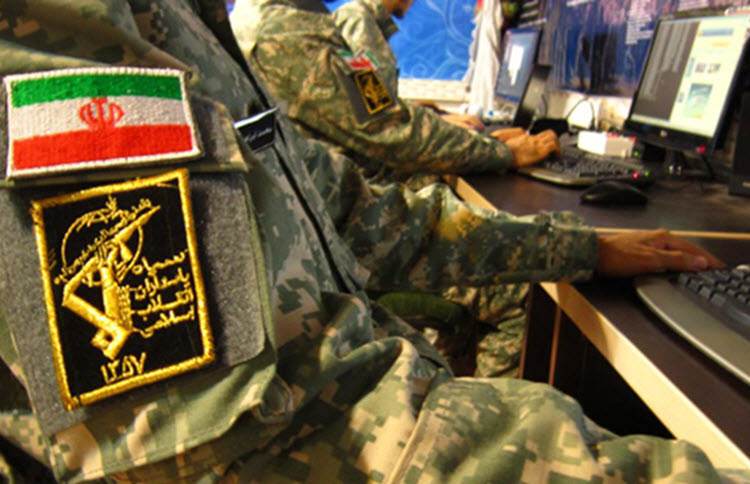
Iran's cyber army

By Mehdi

Iran has been meddling in the affairs of other nations for years. It has been responsible for one of the most serious humanitarian crises in recent times in Yemen and it has contributed to the prolonging of a very bloody war in Syria.

The Iranian ruling theocracy has a network of proxy groups and militias the whole way across the region and beyond and it has been involved in countless terrorist attacks and assassinations of political opponents.

Iran Must Be Held Fully Accountable

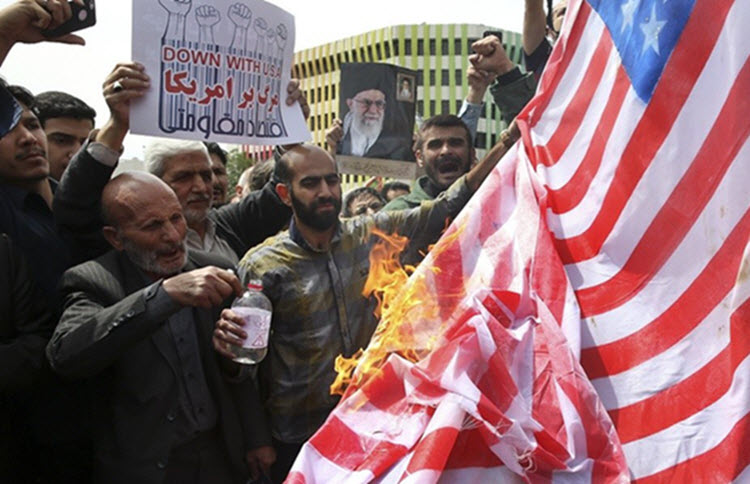
Fire the American flag in Tehran

By Pooya Stone

Tensions between Iran and the United States have escalated in recent weeks. Now, U.S. regional ally Saudi Arabia is being dragged into the middle of it by Iran after the ruling theocracy and its proxies decided to carry out armed drone attacks on Saudi oil-pumping stations.

Iranian officials have made no secret of the fact that they are attempting to subvert the world economy and the attacks on the Saudi oil pumping stations should be taken for the threat to global stability that they are.

The Dire Effects of Sanctions on Metal for the Iranian Economy

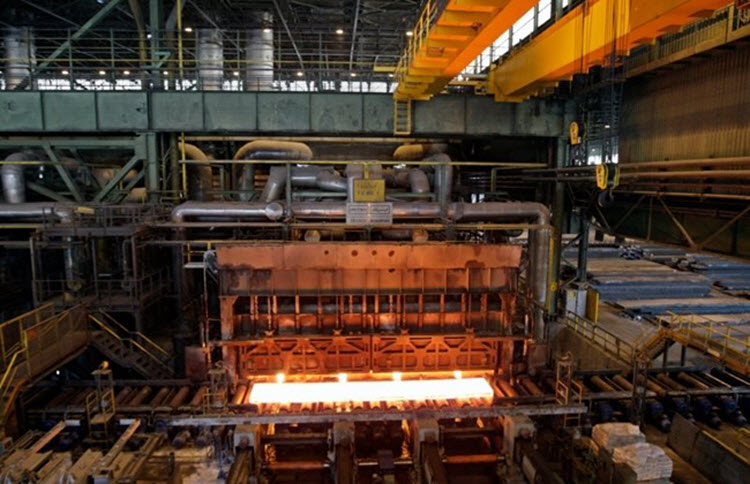
sanctions with respect to Iran’s iron, steel, aluminum, and copper sectors

Iran Focus

London, 16 May – US President Trump issued an executive order on Wednesday, May 8th, “to impose sanctions with respect to Iran’s iron, steel, aluminum, and copper sectors, Iran’s largest non-petroleum-related sources of export revenue.” These new sanctions take aim at “Iran’s revenue from the export of industrial metals — 10 percent of its export economy — and puts other nations on notice that allowing Iranian steel and other metals into [their] ports will no longer be tolerated.”