

Sharp Increase in Suicide Rate in Iran’s Medical Community
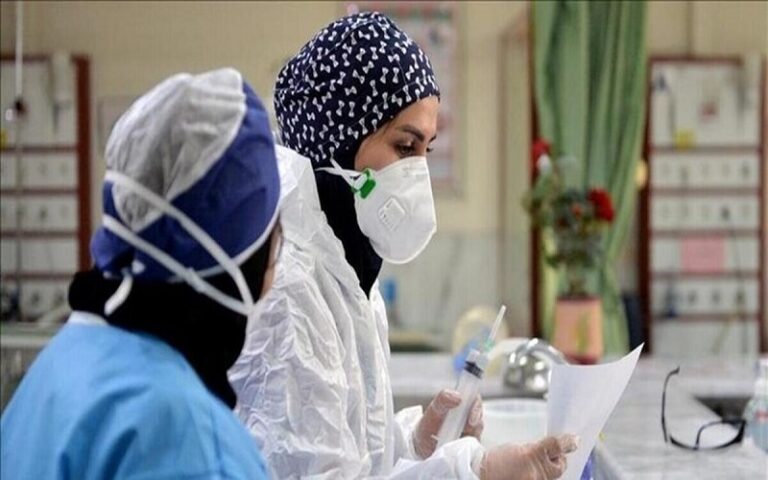
The repercussions of professional and economic issues within the medical community in Iran continue to persist. Following extensive emigration within this profession, the suicide rate in the medical community has now increased fivefold, resulting in at least 13 suicides leading to death among the resident population in Iran annually.
According to the regime’s Khabaronline website, quoting Nima Shahriarpoor, an emergency medicine specialist at Baharloo Hospital, “The high volume of work, numerous responsibilities, low salary, and lack of job security are factors that discourage a resident from continuing their activities and make them feel disheartened.”
According to Shahriarpoor, suicides among residents have now become more of a “crisis,” and on average, 13 suicides leading to death occur annually among the 14,000-resident population in the country.
Referring to a study conducted by the Medical Association of the University of Tehran, this emergency medicine specialist stated that, according to this study, in a community of 204 residents, more than 93 percent of them, or 188 individuals, experienced “burnout” or occupational fatigue and entertained thoughts of suicide.
The economic and social conditions of the healthcare workforce in Iran are such that according to the statistics of the “Migration Observatory,” 74 percent of doctors and nurses had the intention to migrate from the country until the summer of 2022.
In this regard, statistics indicate that 4,000 physicians have migrated from Iran in the past year.
The migration wave of healthcare professionals in Iran has also attracted the attention of international organizations. According to the latest report of the World Health Organization, despite having 8,000 Iranian surgeons in the United States, Iran ranks seventh in terms of physicians with different nationalities as a destination.
Critics believe that instead of addressing the professional and economic issues within the healthcare workforce to reduce suicide rates and emigration, the government is taking provocative actions. According to many activists in this field, it seems that the government deliberately seeks to provoke the current healthcare workforce and empty universities of those interested in this field.
Critics refer to a new directive issued by the government, according to which the Ministry of Health, on January 14, conditioned the continuation of education on the provision of a deposit to prevent the emigration of residents. Consequently, some individuals were prevented from pursuing their education due to the lack of a deposit. This means that the regime is effectively taking the medical workers as hostages and forcing them to pledge to work under harsh conditions for a long time.
Based on this, the media reported that the candidates accepted in the nationwide examination of 2023 are required to deposit property-based bonds.
This is happening while on January 15, Ali Jafarian, the former president of Tehran University of Medical Sciences, announced in an interview the continued trend of the migration wave of medical and healthcare professionals from Iran to other countries and stated that one of the consequences of this trend was the vacancy of “800 positions” in this year’s residency examination.
Low income, high expenses and inflation, existing social inequalities, the need for professional advancement, lack or shortage of welfare facilities, lack of job security and safety and various social and political restrictions are among the motivating factors for physicians to consider suicide and emigration.
Grossi: Iran Holding IAEA “Hostage” on Nuclear Program
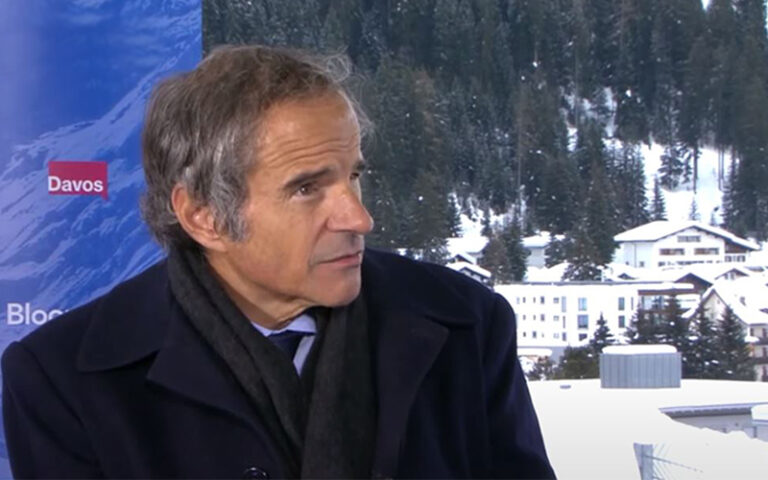
During the World Economic Forum in Davos, an alarming disclosure was made by Rafael Grossi, the Director General of the International Atomic Energy Agency (IAEA), regarding Iran’s uncooperative stance towards the agency. Grossi expressed his grave concern, emphasizing that the agency felt it was being held “hostage” amidst Iran’s ongoing disputes with Western nations.
He cited as an example Iran’s denying inspectors access to nuclear sites because of their nationalities.
Rafael Grossi, by criticizing the “rejection of inspectors” by Iran due to their nationality, added: “Iran hardly cooperates with the International Atomic Energy Agency. The situation is very frustrating; they limit cooperation in a very unprecedented way.”
He emphasized the need for visibility commensurate with Iran’s ambitious nuclear goals. Despite Tehran’s consistent denial of any intention to produce nuclear weapons, the agency has been faced with the challenge of monitoring Iran’s expanding nuclear program.
He added, “When there’s something that France, the UK or the United States says that they don’t like, it is as if they were taking the IAEA hostage to their political disputes with others. This is unacceptable for us.”
Iran reduced the pace of its uranium enrichment last year as informal talks with the United States commenced. However, in late 2023, the regime resumed and accelerated its enrichment activities once again.
“The Iranians are accumulating [uranium]. They say it is for civilian purposes, but we haven’t seen much of that in use. It is, in fact, being stored. We have to divide carefully activities that may have future implications,” Grossi said on Iran’s lack of transparency and failure to provide clear explanations on crucial matters.
Grossi reiterated his commitment to a diplomatic solution and said, “Diplomacy, diplomacy, diplomacy, this is what we need. We need to continue talking, we need to prevent the situation deteriorating to a degree where it would be impossible to retrieve it.”
This is the latest of a series of recent warnings about the Iranian regime’s nuclear program. In an interview with the English-language newspaper The National published on January 16, Grossi said that Iran is “galloping ahead” with its program of enriching uranium at a high level.
“Iran is the only non-nuclear weapon state, which is enriching uranium at this very, very high level – very close to weapons grade.”
According to the agency, the amount of 60% enrichment by Iran, which had previously decreased to 3 kilograms per month, has increased again.
The International Atomic Energy Agency confirmed that Iran had increased the production of 60% enriched hexafluoride uranium to approximately 9 kilograms per month at the Fordow and Natanz sites since the end of November 2023.
The United States, France, Germany, and the United Kingdom condemned Iran’s acceleration of the speed and quantity of enriched uranium in a joint statement.
Mohammad Eslami, the head of the Atomic Energy Organization of Iran, referred to the reactions to the IAEA report as “media frenzy” aimed at “diverting public attention” from Gaza.
Pakistan Launches Attacks On Iranian Soil, Killing 9
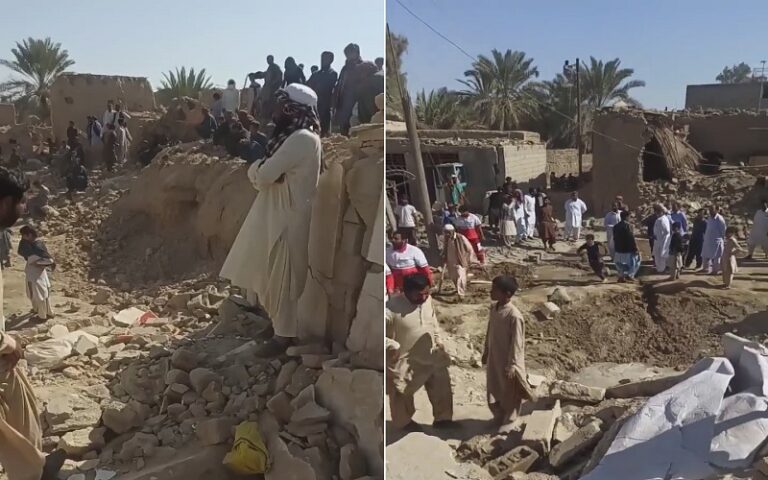
On January 18, a Pakistani security official told CNN that the country has targeted seven points inside Iran in retaliatory attacks.
Reuters news agency, citing a statement from the Pakistani Ministry of Foreign Affairs, reported that Pakistan has targeted separatist militants through a series of coordinated and precise military attacks on Iranian soil, killing a number of terrorists.
The ministry described the objective of the attacks as ensuring the security and national interests of Pakistan while fully respecting the sovereignty and territorial integrity of Iran.
On the other hand, news agencies in Iran reported on Thursday morning, citing Alireza Marhamati, the security and law enforcement deputy of Sistan and Baluchestan Governorate, that in the missile attack from Pakistan on the area of Saravan County, nine people were killed, including two men, three women, and four children.
According to Marhamati, they were non-Iranian. Minister of Interior Ahmad Vahidi confirmed these figures and emphasized that the victims were non-Iranian as well.
Marhamati also told the Young Journalists Club that several missiles from Pakistan hit a border village in Saravan.
“An explosion also occurred near Saravan County, but we have had no casualties there,” Marhamati added.
Photos posted on social media confirm that civilians were killed in the attacks. Users also reported that the civilians were locals and the victims included women and children.
Meanwhile, Naser Kanaani, the spokesperson for the Iranian Ministry of Foreign Affairs, while “condemning” Pakistan’s actions, stated that the chargé d’affaires of the Pakistani Embassy in Tehran will be summoned to the Ministry of Foreign Affairs.
An informed source, in an interview with the Iranian regime’s state TV, strongly condemned these attacks and said that the Iranian government demands an immediate explanation from Pakistani authorities regarding this incident.
Shortly before Iranian authorities confirmed the attacks on Iranian soil, a page affiliated with the Pakistani army on X posted a message announcing that the terrorist bases in Sistan and Baluchestan, Iran, had been targeted, causing heavy damage.
Saravan is located in Sistan and Baluchestan, 347 kilometers southeast of the province’s capital, Zahedan, and is adjacent to Pakistan.
These attacks took place two days after the missile and drone attack by the Islamic Revolutionary Guard Corps on Pakistani soil, claiming to target positions of the armed group Jaish ul-Adl in that country.
In a statement on January 16, the Pakistani government condemned Iran’s attack on its territory and announced that two innocent children were killed and three girls were injured in the attack.
Pakistan also recalled its ambassador from Tehran as a protest and canceled all meetings between high-ranking officials of Pakistan and Iranian authorities.
On Wednesday, January 17, the Public Relations Office of the Quds Base in southeastern Iran’s Islamic Revolutionary Guard Corps announced in a statement the killing of one of its members named Hossein Ali Javdanfar due to gunfire in Sistan and Baluchestan Province.
The Quds Base of the Revolutionary Guards introduced Hossein Ali Javdanfar as one of the “cultural experts of the Quds Base” with an “administrative mission” to “follow up on cultural activities” during his trip to Saravan County.
The Haalvash website, which covers news related to Sistan and Baluchestan, referred to the killed member of the Revolutionary Guards as the “deputy of the Saravan Quds Base” who was killed by armed individuals on the Saravan-Khash route.
So far, no individual or group has claimed responsibility for these attacks.
The Iranian regime resorts to terrorist activities in the region as a cover-up for its internal problems. These terrorist acts are mostly carried out by proxy groups of the Iranian regime, such as the Houthis and Hezbollah. After the October 7 attack and the ensuing war in Gaza, the Iranian regime has intensified such actions, and in recent weeks, it has conducted attacks in northern Iraq and Pakistan, resulting in the killing of non-combatants.
In all cases, civilians are caught in the crossfire of the regime’s warmongering activities in the region.
Pakistan to Bar Entry to Iran’s Ambassador Following Missile Attack
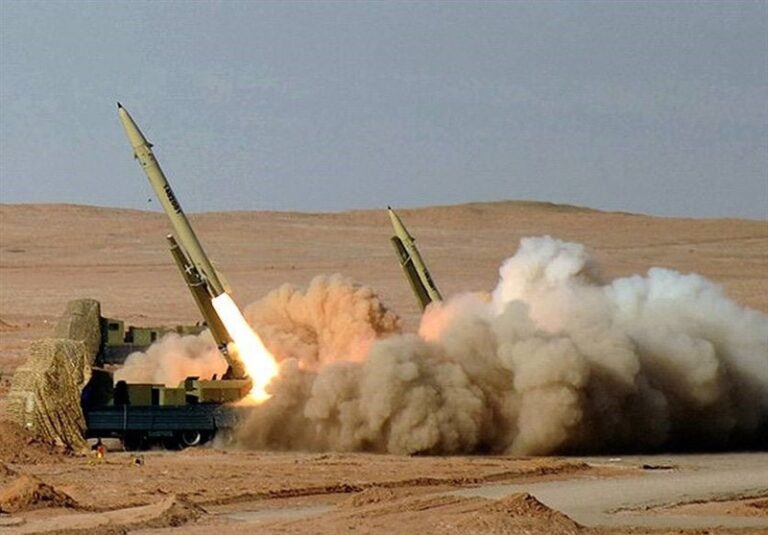
The Pakistani Ministry of Foreign Affairs announced on Wednesday, January 17, that it has summoned Iran’s representative in Islamabad following a missile attack by Iran on Pakistani territory, which resulted in the death of two children. The ministry stated that the Iranian ambassador has been summoned for the “unjustified violation” of Pakistan’s airspace. The ministry stated that the violation of Pakistan’s sovereignty is completely unacceptable and may have serious consequences.
According to the latest reports, the Pakistani Ministry of Foreign Affairs, in its first statement, announced on the same day that Pakistan has summoned its ambassador from Iran and is preventing the return of the Tehran ambassador to Islamabad.
However, users on online platforms reported explosions in the Balochistan province in western Pakistan, which shares a 1,000 km border with Iran. Pakistani media mentioned the city of Panjgur.
Iran’s state-run news agency, Nour News, reported on social media that this attack targeted two important headquarters of the “Justice Army (Jaish ul-Adl)” group in the neighboring country. It was stated that these headquarters had been destroyed by missiles and drones.
The Jaish ul-Adl movement confirmed the drone and missile attack on its own positions through a statement.
The Pakistani Ministry of Foreign Affairs stated on Thursday that the unlawful actions of Iran are particularly concerning because there are multiple communication channels between the two countries.
The statement mentioned that such unilateral actions are not compatible with the spirit of good neighborly relations and can severely undermine bilateral trust.
The Islamic Revolutionary Guard Corps (IRGC) had previously bombed locations in Iraq and Syria. The IRGC claimed to have destroyed a Mossad spy service “command center” on the outskirts of Erbil, the capital of the autonomous Kurdistan Region of Iraq. The target, however, was a civilian home and resulted in the death of civilians. In addition, the regime claimed to have fired rockets at the meeting place of forces of the Islamic State (ISIS) in Syria.
Mohammed Shia al-Sudani, the Prime Minister of Iraq, described the IRGC’s attack on Erbil as a clear hostile act against Iraq.
The Iraqi Ministry of Foreign Affairs issued an official statement on Tuesday, January 16, complaining to the United Nations Security Council and the United Nations about the missile attack by the Iranian regime, which targeted civilian individuals in the city of Erbil and resulted in the loss of innocent lives, injuries to other individuals, and damage to public and private property.
Masrour Barzani, the Prime Minister of the Kurdistan Region of Iraq, described the missile attack on Erbil as unjustifiable and expressed his concern about the killing and injury of at least 10 innocent civilians.
Amir Saeed Iravani, the Ambassador and Permanent Representative of the Iranian regime to the United Nations, wrote a letter to the UN Secretary-General and the French Ambassador as the rotating President of the Security Council, stating that a spy center used by anti-Iranian terrorist groups affiliated with the Israeli regime was targeted in Erbil, the Kurdistan Region of Iraq. The regime claimed that the facility has been used as a base for intelligence and sabotage operations against Iran.
Iraqi authorities have rejected these claims by the regime and have formed a committee to prove the falsehood of the Islamic Republic’s allegations.
According to the latest reports, Masrour Barzani, has canceled his meeting with Hossein Amir-Abdollahian, the Iranian regime’s Foreign Minister, at the World Economic Forum in Davos, Switzerland, in protest against the missile attacks by Iran on the city of Erbil in the Kurdistan Region of Iraq.
Iran’s Pharmacies Nearing Bankruptcy Due to New Government Regulation
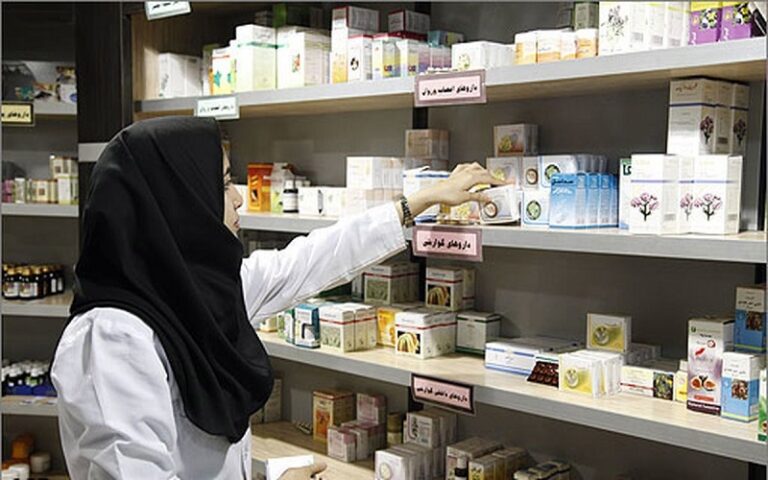
According to Shahram Kalantari, the head of the Iranian Pharmacists Association, the uncontrolled increase in the establishment of new pharmacies has pushed older pharmacies to the brink of bankruptcy. Experts attribute this phenomenon to the commercialization and the dominance of economic aspects over the therapeutic function in this profession.
Kalantari emphasized that the uncontrolled increase in the number of pharmacies by 30% in one year has put pressure on the economy of older pharmacies. This has led to some older pharmacies reaching the verge of bankruptcy, while others have attracted investors or changed their profession.
The commercial outlook on this profession is evident in the dispersion of pharmacies. According to Kalantari, in some provinces, there is one pharmacy for every 11,000 people, while in certain areas in the northern part of Tehran, there is one pharmacy for every 1,500 people.
The regime’s Mehr News Agency confirmed the commercialization of pharmacies in a report published on December 22, 2023, stating, “The reckless issuance of pharmacy establishment licenses in the past year has led pharmacies to turn to the sale of cosmetics, hygiene products, and supplements in order to avoid bankruptcy.”
Statistics also show that after the implementation of the new regulations for establishing pharmacies, between 250 to 300 pharmacies are established monthly in the country. Based on these statistics, Mehr stated that the number of pharmacies has increased by 30 to 40 percent in different provinces over the past two years.
One criticism of the pharmacy establishment system is the elimination of geographical distance and the removal of the monopoly on issuing establishment licenses. Critics argue that this has led to competition among pharmacies, despite the fact that according to the rules of the Medical Council, medical institutions such as pharmacies do not have the right to compete with each other.
On the other hand, supporters of this new policy believe that the existence of a competitive environment and the elimination of monopolies will lead to increased access for people to their pharmaceutical and healthcare needs, as well as an improvement in the quality of goods and services provided by pharmacies.
This comes at a time when in the past year or two, the crisis of drug shortages and the uncontrolled increase in drug prices have put Iranian families in a healthcare and medication crisis.
Iran: Spike in Death Caused by Suicide with “Rice Pills”
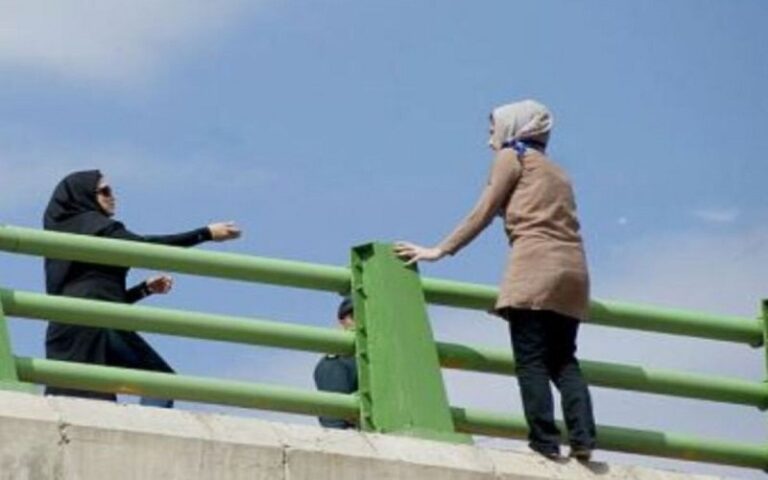
Salim Khani, the director general of forensic medicine in Kermanshah province, announced an increase in the number of deaths caused by the consumption of “rice pills” based on statistics from the past nine months.
According to Salim Khani, at least 49 individuals lost their lives by using these pills in the past nine months, indicating an increasing trend compared to the same period last year when the number was 46. He told the regime’s Mehr news agency that this year, 14 women and 35 men have lost their lives “so far” due to the consumption of these pills.
According to the director general of forensic medicine in Kermanshah province, “aluminum phosphide” is a group of pest control agents used to eliminate pests in warehouses and homes due to its high effectiveness and low cost. However, due to an increase in its usage, it has led to an increase in incidents resulting in long, painful, and avoidable poisoning and death.
The director general of forensic medicine in Mazandaran province also reported 113 deaths due to poisoning with “rice pills” in the past eight months. It has been stated that individuals between the ages of 21 and 30 have the highest number of cases (23), while those under 16 years old have the lowest number of fatalities (four) due to poisoning with “rice pills.”
Recent economic problems and the threat to household livelihoods have had various social consequences in recent years, including an increase in suicide rates, an increase in crime rates, an increase in dropout rates, and even a concerning trend of organ trafficking.
Recorded statistics in the Ministry of Health system indicate that around 120,000 individuals committed suicide last year.
On December 31, 2023, the state-run Jahan Sanat newspaper reported 6,000 suicide cases resulting in death. The report focused on the prevalence of suicide in the country and wrote, “There is a meaningful relationship between the lack of job security and the suicide rate.”
Many experts attribute a significant portion of these social problems to the governance methods and inefficiency of the Iranian regime in providing welfare and guaranteeing basic rights, which have been deeply rooted in Iran over the past four decades.
Iran’s Regime “Galloping Ahead” With Its Nuclear Program, IAEA Chief Warns
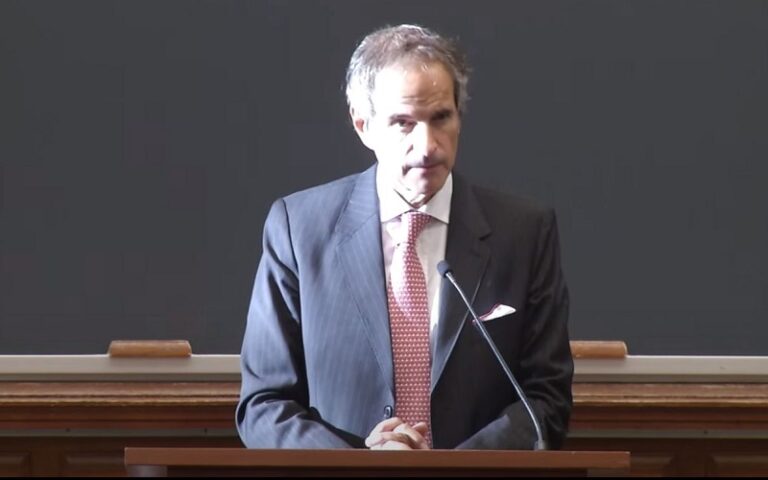
Iran is “galloping ahead” with its program of enriching uranium at a high level, according to Rafael Grossi, the Director-General of the International Atomic Energy Agency (IAEA). Grossi said that the Iranian regime is pushing forward with its uranium enrichment program and continues to hinder the agency’s inspections.
In an interview with the English-language newspaper The National published on January 16, Grossi said, “Iran is the only non-nuclear weapon state, which is enriching uranium at this very, very high level – very close to weapons grade.”
The latest report from the IAEA shows that Iran has increased the speed of uranium production to a level close to weapons-grade.
Grossi said that Iran’s insistence on enriching uranium to a high level occurs in a tense Middle East region, with the conflict in Gaza adding to hostilities against Israel and its allies.
However, the head of the IAEA emphasized that the path of dialogue with Iran, which claims to be advancing its enrichment program for non-military purposes, remains open.
He stated that the overall picture indicates that Tehran is advancing its nuclear program with ambitious goals. While he does not oppose this development, he emphasized that the level of international inspectors’ supervision should be commensurate with these activities.
Grossi said that even if Iran’s nuclear program is for non-military use, the Iranian regime has not adhered to its commitments. He pointed out that Iran has acceded to the Treaty on the Non-Proliferation of nuclear weapons and must abide by that commitment.
In this interview, Grossi stated that Tehran continues to deny certain inspectors access to its facilities based on their nationality, which contradicts the nature of the agency’s activities.
On December 26, 2023, the International Atomic Energy Agency announced that the Iranian regime had once again increased the speed and quantity of its production of 60% enriched uranium.
According to the agency, the amount of 60% enrichment by Iran, which had previously decreased to three kilograms per month, has increased again.
The International Atomic Energy Agency confirmed that Iran had increased the production of 60% enriched hexafluoride uranium to approximately nine kilograms per month at the Fordow and Natanz sites since the end of November 2023.
Uranium enriched to 60% is close to weapons-grade.
The United States, France, Germany, and the United Kingdom condemned Iran’s acceleration of the speed and quantity of enriched uranium in a joint statement.
These countries considered Iran’s recent decisions as evidence of its lack of goodwill towards de-escalation and described it as a reckless move in a turbulent regional situation.
They further called for an immediate halt to these actions and the de-escalation of Iran’s nuclear program, as well as full cooperation with the International Atomic Energy Agency as a guarantee of the peaceful nature of Iran’s nuclear program.
Mohammad Eslami, the head of the Atomic Energy Organization of Iran, referred to the reactions to the IAEA report as “media frenzy” aimed at “diverting public attention” from Gaza.
Iran’s IRGC Launches Missiles At Northern Iraq
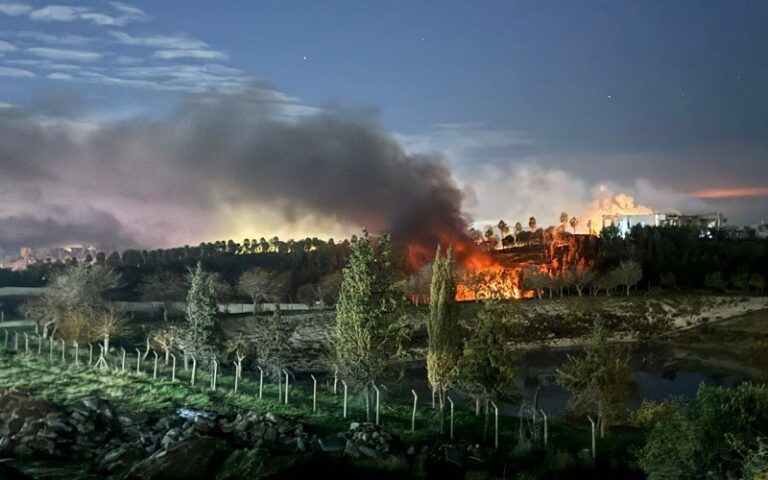
In a statement, the Revolutionary Guards Corps (IRGC) claimed responsibility for a ballistic missile attack on Erbil, Iraq, stating that the objective was to “destroy espionage headquarters” and “target anti-Iranian groups.” Al-Hadath reported, citing security sources, that Iranian regime missiles fell near the U.S. consulate in Erbil.
Following the confirmation of the missile attacks by the Iranian Revolutionary Guards Corps on positions in Erbil, Iraq, Matthew Miller, spokesperson for the U.S. Department of State, condemned the attack and offered condolences to the families of the victims.
Adrienne Watson, spokesperson for the White House National Security Council, also referred to some claims made regarding the targeting of U.S. positions by the Revolutionary Guards missiles, stating that the United States has tracked the missile attacks by the Guards in northern Iraq and northern Syria and confirmed that no American personnel or facilities were targeted in these attacks.
The news networks Kurdistan 24 and Rudaw reported that the Revolutionary Guards’ missile attacks on Erbil on the evening of January 15 resulted in the destruction of properties and homes of civilians, as well as the killing of non-combatants and children.
In a statement, the Kurdistan Regional Security Council stated that four civilians were killed and six others were injured in these attacks. Among the victims were a merchant and several members of his family.
The organization called the IRGC‘s statements regarding the missile attacks “baseless claims” and described the repeated attacks as a violation of the sovereignty of the Kurdistan Region and Iraq. They called on the Iraqi government and the international community not to remain silent in the face of “this crime.”
The IRGC issued three separate statements after these attacks. In the first statement, they claimed responsibility for the attack on Erbil but asserted that they targeted “espionage headquarters and terrorist groups” with ballistic missiles. The IRGC did not mention the names of these “espionage” or “terrorist” groups in this statement, but a Telegram channel attributed to the IRGC posted videos and photos of these attacks, stating that the “American Al-Harir base” was targeted in the attack on Erbil.
In their second statement, the organization announced that they targeted “locations where commanders and key elements associated with the recent incidents in Kerman and Rask in Sistan and Baluchestan” in separate missile attacks on Syria. However, international or regional media did not react significantly to these claimed attacks by the IRGC and did not publish any pictures or images of these attacks.
In their third statement, the IRGC claimed to have destroyed the “intelligence headquarters of Israel’s Mossad” in the missile barrage around the U.S. consulate in Erbil, Iraq.
Iranian Political Prisoner Saeed Masouri: We Are Not Afraid of the Sea of Blood
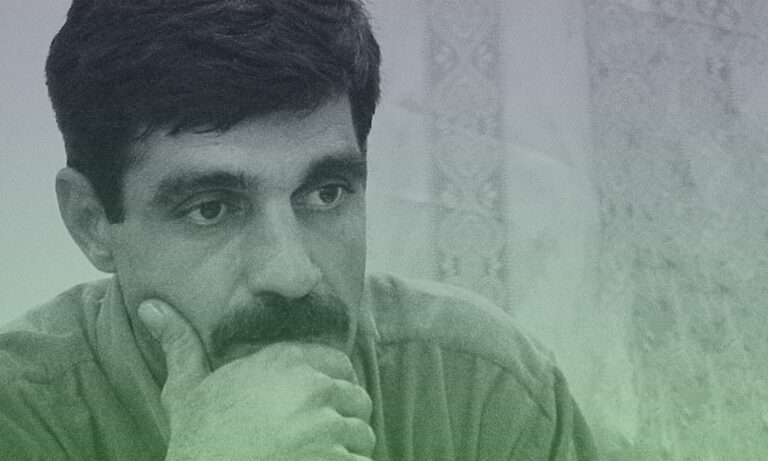
Saeed Masouri, Iranian political prisoner serving a life sentence, has written a letter titled “Oh Lovers, Oh Lovers, Today We and You Are Here.”
The letter is written from Qezel Hesar Prison in Karaj to commemorate the beginning of his twenty-fourth year of uninterrupted imprisonment, and it reflects on the painful experiences in the prisons of the Iranian regime.
In the letter, Saeed Masouri emphasizes, “They cannot scare us with this sea of blood.”
He writes that for twenty-four years, he has endured the weight of the oppressive walls and bars like the child of Mary carrying his cross, and he has lived moment by moment in the terrifying atmosphere of the prison.
Describing his twenty-third year of imprisonment, which coincided with the uprising of the Iranian people and the suppression of the protesting masses by the regime, Masouri refers to it as a “bloody” and “bloodiest” year of his imprisonment. Commemorating political prisoners executed by the regime, he writes, “I still feel the warmth of breath and the yearning of beloved ones like political prisoners Mohsen Shekari, Mohammad Mehdi Karami, Mohammad Hosseini, Milad Zohraevand, or Ghasem Abesteh, Ayoub Karimi, and Davoud Abdollahi (Aso) on my cheeks, who were slaughtered in this very slaughterhouse of Ghezel Hesar.”
Masouri also mentions the names of Khosrow Basharat, Anwar Khodaverdi, Farhad Salimi, Kamran Sheikh, Mojahed Kourkour, Reza Rasai, and several other political and prisoners of conscience who are in danger of execution.
He points to regime’s supreme leader, Ali Khamenei, as the orchestrator of recent crimes in Iran and writes, “The blood of our martyrs has not yet satisfied his thirst for blood, and the god of crime and slaughter, not the merciful God, continues to issue orders for these crimes.”
The longest-standing political prisoner in Iran describes the prison as the “cemetery of human beings and humanity” and writes about the transfer of prisoners from public wards for the implementation of death sentences and the aftermath in the cells. He says, “When the slaughter and execution agents take one person from beside you every day for execution, with handcuffs and chains, and their last gaze is locked onto you, and there’s nothing you can do, every moment you become the hanged and executed one after him. I have been executed with them every moment throughout this whole year.”
Masouri then asks his audience, “How long and how far does this situation continue?” and he answers, “Certainly, until we reclaim, drop by drop, the freedoms taken from our people, and this, of course, is a very bloody price that we pay every moment, and we are supposed to pay even more than that. Perhaps this is the fate of lovers of freedom and Iran.”
In conclusion, this political prisoner expresses hope that “swimming in this sea of blood” will eventually lead to the “shore of freedom, justice, and equality.”
Saeed Masouri, born in 1965 in Khorramabad, Lorestan, is one of the longest-standing political prisoners in Iran.
On January 8, 2001, he was arrested by Ministry of Intelligence agents in Dezful on charges of “membership in the People’s Mojahedin Organization of Iran.” After 14 months of detention in a solitary cell at Ahvaz Intelligence Office, he was transferred to Ward 209 of Evin Prison.
In 2002, this political prisoner was sentenced to death on charges of “waging war,” but later his sentence was commuted to life imprisonment. Since his arrest, Masouri has spent his years of imprisonment without a single day of furlough in Ahvaz Intelligence Detention Center, Evin Prison, Rajai Shahr Prison in Karaj, and currently in Ghezel Hesar Prison in Karaj.
Why Iran’s Regime Will Not Go to War with the West
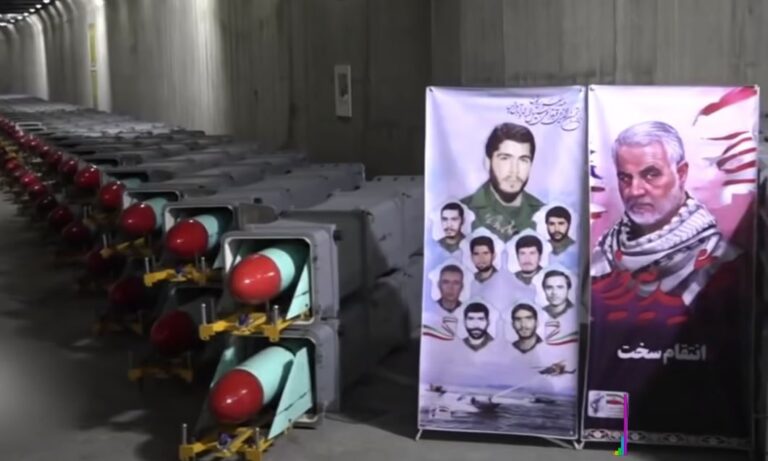
The recent attacks orchestrated by Tehran-backed militias have raised concerns about the Iranian regime’s enduring terrorist agenda and its potential to spark a full-blown conflict in the volatile Middle East. However, countering the regime’s aggressions does not necessarily lead to war, contrary to the narrative woven by the Iranian regime itself, as highlighted by the National Council of Resistance of Iran (NCRI) in a recent article.
The Iranian regime’s survival hinges on two critical pillars: suppressing dissent at home and spreading terrorism and warmongering abroad. By supporting proxy militias, the regime aims to expand its influence strategically in regions such as Lebanon, Syria, Yemen, Iraq, and North Africa, while maintaining plausible deniability. However, this reliance on proxy forces reveals an intrinsic weakness and vulnerability.
“The regime’s true military capabilities are constrained, and its dependence on proxy forces underscores an intrinsic weakness and vulnerability,” states the NCRI. Despite its grandiose displays of military might and rhetoric, the regime has not retaliated against attacks on its forces and commanders in Syria and Lebanon, suggesting a reluctance to engage in direct confrontation.
Moreover, the Iranian regime’s rhetoric often contradicts its actions. While it spends billions of dollars on nuclear weapons and ballistic missile programs, its response to attacks on its forces has been notably restrained. This lack of retaliation has fueled frustration within its ranks, interpreting it as a sign of weakness.
The regime’s Supreme Leader Ali Khamenei emphasized in 2018 that war is not in Iran’s interest, stating, “Because war involves two sides: we, who do not initiate conflict, and the Americans, who also refrain from starting a war as they know it would be entirely to their disadvantage.” Khamenei’s words reflect a calculated understanding that direct confrontation with Western nations would not favor the Iranian regime.
The regime’s lobbyists say that a decisive confrontation with the regime would exacerbate the crisis and push the regime into war. This is a baseless claim. In fact, historical instances have shown that wherever decisive action has been taken against the regime, it has retreated. In contrast, when confronted with a softer approach, the regime becomes more assertive, intensifying its destructive behavior.
In the face of Tehran’s provocations, the international community has occasionally demonstrated resolute action, forcing the regime to recalibrate its approach. The UK’s robust response to the seizure of Royal Navy personnel in 2007 resulted in Iran releasing the sailors after 13 days. Similarly, when Iran was suspected of attacking commercial oil tankers in 2019, the US and its allies deployed additional warships and conducted military exercises, compelling Iran to deny involvement and de-escalate tensions.
The most notable example of resolute action was the US military’s killing of Quds Force commander Qasem Soleimani in 2020. Despite the regime’s vows of severe revenge, it refrained from directly striking US forces and instead carried out symbolic retaliatory attacks through its proxy forces. This pattern of behavior indicates the regime’s aversion to risking a direct confrontation with Western nations.
As the NCRI aptly summarizes, “The regime’s true military capabilities are constrained, and its dependence on proxy forces underscores an intrinsic weakness and vulnerability.” It is through resolute and decisive policies that the international community can force the Iranian regime to reconsider its approach and ultimately back down from its aggressive stance.
By understanding the regime’s nature and history, the international community can address the Iranian regime’s enduring terrorist agenda without igniting a full-blown conflict in the volatile Middle East. Firm and strategic actions will not herald war, but rather compel the regime to reassess its path and seek alternative means to preserve its rule.
