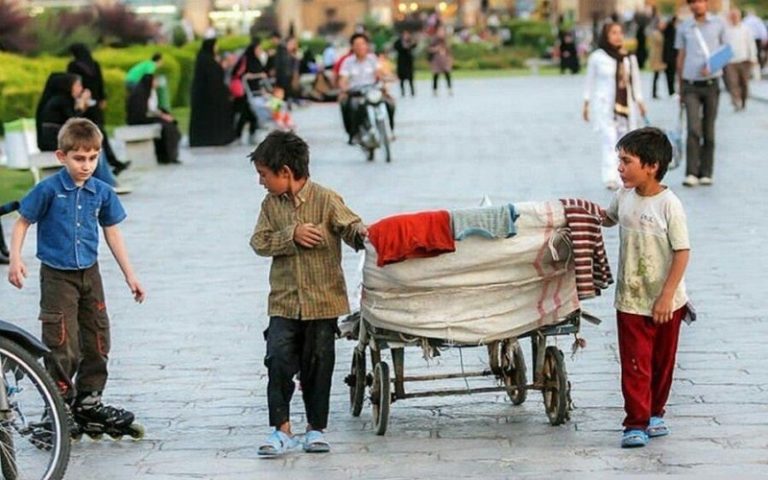
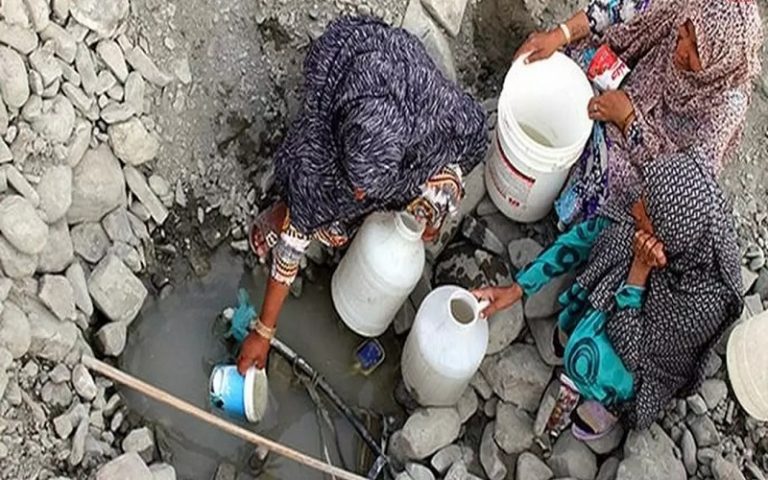
More Than 260 Cities In Iran Are In Water Stress
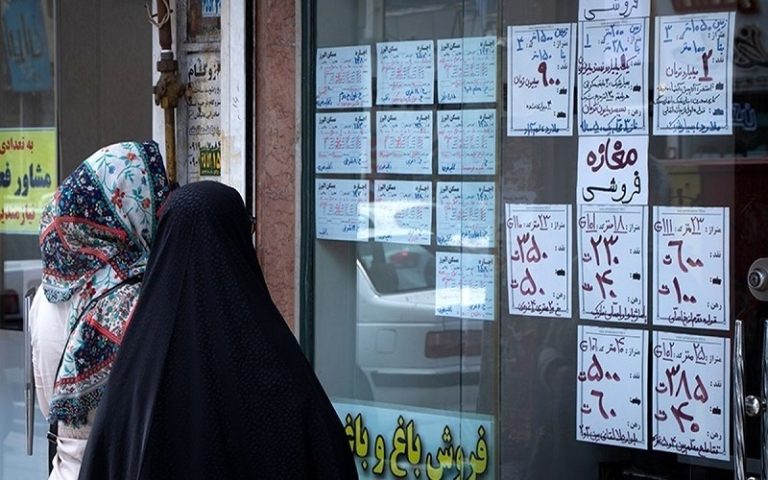
Majlis Research’s Center: 60% of Iran’s Population Has Lost Access to Housing
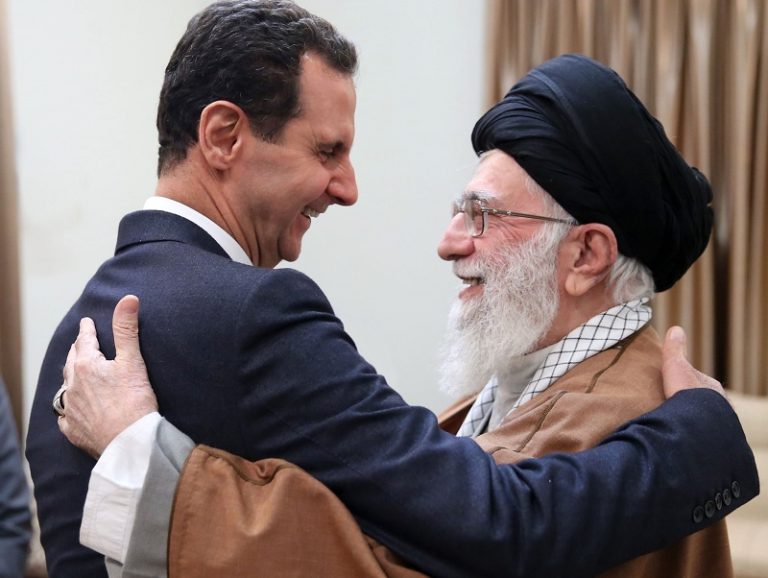
Iran’s Regime Has Spent $50bn In Syria, Leaked Documents Show
- Out of the eight projects listed in this “confidential” report from the Iranian regime’s presidency, the timing of three projects is not specified, and two projects are still uncertain. For the other four projects, Iran is expected to spend $947 million to collect its dues from the Syrian government after 50 years.
- For example, the list includes a phosphate mine with a capacity of 1.05 billion tons, which was agreed upon in 2015.
- Iran needs 530,000 tons of phosphate rock annually in the agricultural sector, some of which is supplied through imports. According to the agreement, Iran is supposed to receive part of its dues over 50 years by investing $125 million in this mine, which will be completed over a period of three years.
- Apparently, this contract was implemented in 2018, and by the end of February, 2.05 million tons of phosphate have been extracted from this mine.
- Another “definite” contract is related to Block 21 oil field with a reserve of 100 million barrels of oil in the city of Homs. Iran is supposed to invest $300 million over a 30-year contract starting from 2020 to receive $3.4 billion of its debts from Syria over 30 years.
- Another definite contract is Block 12 in Bukamal, which is a 30-year contract with the Syrian government. According to this report, no action has been taken regarding this contract yet, but it is predicted that with a $300 million investment over five years, it will bring a total income of $3 billion to Iran over 30 years.
- The other project is the launch and operation of the third mobile operator in Syria, a project for which the execution time is not even specified. It is only announced that Iran is supposed to spend $222 million to launch the third mobile operator in Syria so that this project can be operational after three years. On paper, the duration of Iran’s operation in this project is stated as 20 years, and a projected revenue of $1.5 billion is also announced.
- The fifth listed project is the “payment of a five-year share of Lattakia Port’s revenue.” According to this document and the agreement reached with the Syrian government, Iran’s share has been received in 2019 and 2020, and apparently, the process of these payments should continue for 20 years.
- The sixth project is related to the port of Hamidieh, the fate of which is not specified, and it is only mentioned in this report that the project is under negotiation.
- “Five thousand hectares of agricultural land” is the title of the seventh project agreed upon by the governments of Iran and Syria. The report states that the draft contract for this project has not yet been signed. This project apparently intends to repay $25 million of Syria’s debt to Iran over 25 years.
- Finally, the seventh project is called “Zahed Livestock Farm.” The start date of the operation of this project is unknown; however, it is stated that through this project, $7 millions of Iran’s claims from Syria will be repaid over a period of 25 years.
Risky and ambiguous negotiations
In the continuation of the analysis of this document, there are other interesting points. According to the report from the Deputy for Economic Coordination and Supervision of the Office of the Vice President, these projects have been selected from a list of 130 projects presented by the Syrian government, and the other projects are currently under review and site visits. However, the report emphasizes that these “main projects” are the ones mentioned, indicating that despite Iran’s $50 billion expenditure in support of Bashar al-Assad during the 10-year war in Syria, only a few secondary projects have been allocated to Iran. Moreover, these projects require significant investment and time for their operation, and according to the same confidential report, they do not have significant capacity for the reimbursement of Iran’s claims. The most important point in this report is the uncertainty regarding the guarantee status for these projects. The report explicitly states that the Syrian government’s guarantees are not valid and approved, and Syrian banks do not have the ability to issue guarantees. According to this document, Iranian banks also cannot provide guarantees to private sector for their activities in Syria due to the lack of banking relations and the high risk associated with guarantees issued by the Syrian side. This means that the risk for private sector activities in Syria, to which promises of investment were made, is high, and only the government and the Khatam-al Anbiya Central Headquarters can accept such project risks. This document also states that the “Khatam-al Anbiya central Headquarters,” the economic arm of the Islamic Revolutionary Guard Corps, is expected to pursue the receipt of economic claims from Syria.Unquantifiable Military Claims
Part two of Iran’s demands from Syria in the “confidential” report from the Vice President’s office pertains to military claims. The report explicitly states that there is no information available regarding the specific amount of Syria’s military debts to Iran. The report emphasizes that military claims, in addition to being subject to significant considerations on the part of the Syrian government, have not yet been finalized by domestic entities, and there is no definitive figure to rely on. The report does not provide further explanation regarding the “considerations,” which could potentially involve disagreements between the two parties. Additionally, the responsibility for pursuing military claims has been assigned to the Quds Force of the Islamic Revolutionary Guard Corps. An examination of Iran’s budget laws over the past ten years reveals that a portion of the resources required for the Quds Force of the Revolutionary Guards’ military section has been defined under a category called “Noor Rabi” (Light of Spring) in the annual budgets. This budget category is only identifiable in the annual budgets of Iran between the years 2019 and 2021, while in the budgets preceding and following this period, it has been consolidated under other sections of the Revolutionary Guards’ budget. According to reports by the United Nations, during the first ten years of the Syrian civil war, in which the Quds Force of the Revolutionary Guards also participated, over 307,000 civilians were killed. This war also resulted in 12 million displaced individuals, leading to the destruction of cities and the economic foundations of the country. According to some reports, approximately 80 percent of the population of Syria fell below the poverty line. Nevertheless, Assad’s military performance did not yield the desired outcome for the Iranian regime. It is now evident that it will take 50 years for a portion of Iran’s $50 billion in public wealth, which could have been the foundation for Iran’s development, to be repatriated to the country. Furthermore, even this amount is not certain and is subject to the conditions and contingencies outlined in the same document. The presence of the Quds Force of the Revolutionary Guards in the Syrian civil war and its support for Bashar al-Assad were carried out on the orders of the regime’s supreme leader Ali Khamenei, under the command of Qasem Soleimani.Iran: University Entrance Exam Controversy Continues

Iran’s Regime Using Germany-Made Surveillance Cameras
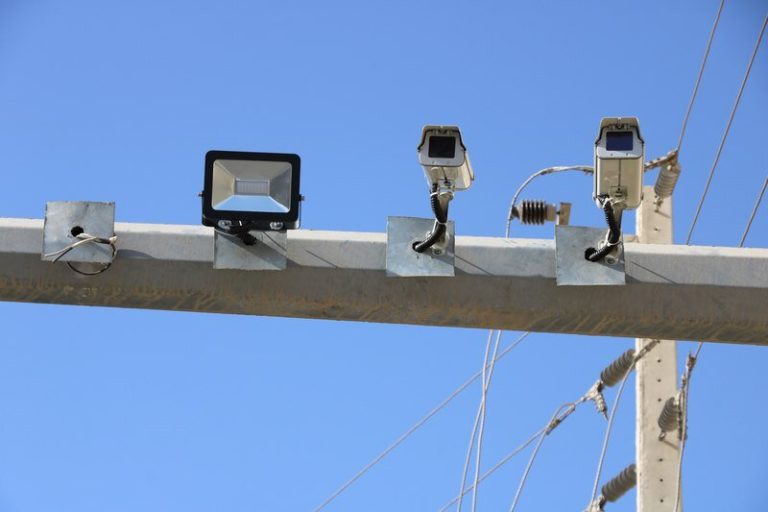
Surveillance with European technology
Iranian dissidents have told reporters that cameras manufactured by companies in the Netherlands, Sweden, and Germany are being used on Iranian streets. The network of CCTV cameras in Iran is very dense. A map of Tehran’s city center, prepared by activists and made available to this television network, shows that there is almost a camera in every corner of the streets. The cameras from the Chinese company “Tiandy” are the most common. According to these activists, cameras from the German company Bosch, which are used for traffic monitoring, have also been identified numerous times. Bosch confirms in response to a question from Germany’s ARD television channel that the model of the camera seen in the leaked videos was delivered to Iran between 2016 and 2018, with a total of 8,000 cameras. However, Bosch did not directly participate in the traffic monitoring project. Iranian opposition activists told ARD that with such tracking technology, the Iranian regime can determine whether people are gathering for protests or not. They say, “If more than five or ten people appear in the camera’s view at the same time, an alert is sent to the nearest police station, and then security forces appear. The regime is currently using this technology.”Bosch Technology Training at a University in Tehran
ARD has obtained a document outlining the holding of a Bosch Security training course and an Iranian representative of Bosch products at Khatam University in Tehran in 2017. The topics of these training courses included “facial recognition” and intelligent object tracking. According to this document, the instructor of this training course was a Bosch sales manager in the Middle East. Bosch also stated in its response that their cameras cannot be used for fully automatic facial recognition because the biometric facial recognition software is not pre-installed on the cameras. In its response, Bosch further states, “So far, none of Bosch’s employees have conducted facial recognition training at Khatam University.” However, the company points out that all photos or recorded videos from a camera can be analyzed live or afterwards using server-based facial recognition software. Iranian activists claim that such video analysis software has been sent to Iran by Milestone Systems, a Danish security company. In response to a question from ARD, this Danish company confirmed that software solutions were sold to the Iranian regime until 2019. This includes the XProtect video management software, which is an open platform that can be used for various purposes. The company’s website states that XProtect’s “tracking and monitoring functions not only assist investigations, but they also allow you to keep a virtual eye on objects and people.” The software from this Danish company can be combined with surveillance cameras from various manufacturers, including Bosch cameras.Bosch: Sanctions have not been violated
The Bosch company states in its response that it has not exerted any influence on how the cameras are used because it has never directly supplied its products to end users in Iran. Bosch says it has severed all its business ties with Iran since 2019 and has complied with export regulations regarding camera sales. However, Raha Bahreini, who is also an international human rights lawyer, believes that companies like Bosch have a responsibility: “Companies are obliged to exercise due diligence and ensure that the technologies they sell are not used to commit human rights violations.” According to the Tagesschau website belonging to Germany’s One TV channel, women in Iran continue to suffer from oppression and suppression, and there is a possibility that they may also be subjected to harassment and abuse with the help of smart technology. In the Iranian parliament, which is dominated by hardliners, there is currently a debate on a bill called the “Chastity and hijab” law, which includes severe punishments for non-compliance with mandatory hijab for women.The “Chastity and Veil” bill: Any citizen can take photos and videos
This legislation has brought surveillance and monitoring of unveiled women to the point where anyone has the right to take photos and videos of women who violate regulations and send them directly to authorities. These submitted documents can be used as evidence in court. This bill imposes severe punishment, such as “imprisonment of more than five to ten years” or “a fine of up to 360 million rials (approximately $720),” for those who defy mandatory hijab. It is worth noting that the minimum monthly salary of wage earners in Iran is approximately 80 million rials, meaning a mere $160. Among the provisions and clauses of this bill, there is an emphasis on “gender segregation” in universities, “hospital treatment departments,” educational and administrative centers, parks, and tourist sites. One of the strange provisions proposed in this bill is that municipalities and rural councils are required to allocate 10 percent of their “cultural advertising billboards to promoting the Islamic family-centered lifestyle and the culture of chastity and hijab.” This is happening while in the Iranian regime, 26 institutions are involved in the issue of hijab and controlling and overseeing the enforcement of mandatory hijab, and measures such as installing billboards have so far not achieved the desired results of the government.Iranian FM rejects sending drones to Ukraine despite undeniable evidence
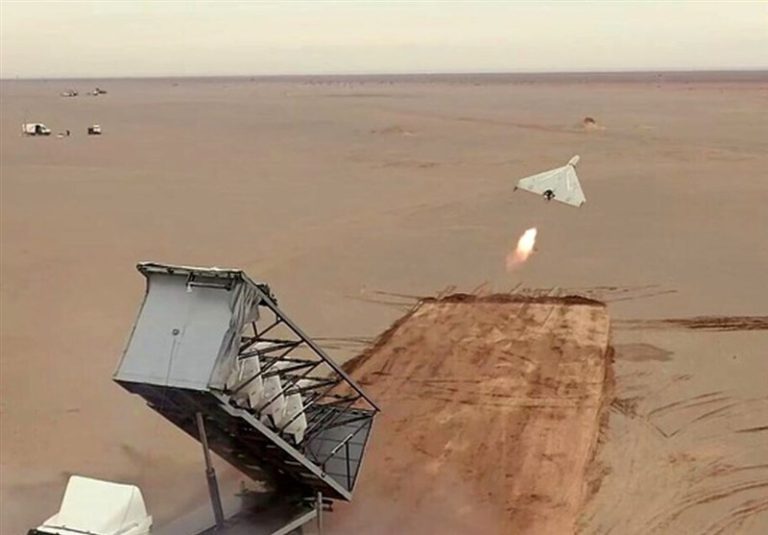
In a press conference in Japan on August 7, Iranian regime Foreign Minister Hossein Amir Abdollahian reiterated the previous statements of regime’s officials about Russia’s invasion of Ukraine. He claimed that NATO and NATO provocations were the main cause of the Ukraine war.
Amir Abdollahian claimed that the Iranian regime has taken “active measures at the highest level to stop the war and engage in negotiations” and emphasized that it will continue these efforts to “stop the war and focus on a political solution to end this crisis.”
Sending suicide drones to Russia
In response to a question about sending drones to Russia, Amir Abdollahian once again refuted the claim saying, “We have never provided Moscow with the capabilities to use Iranian drones or weapons in the Ukraine war.”
This claim is made while the published photos and videos of downed Russian drones in Ukraine confirm their Iranian origin.
With the revelation that the drones used by Russia in the war against Ukraine are of Iranian make, the regime initially denied the whole issue, but after a while, it confirmed the sale of drones to Russia but claimed that this sale took place before the Ukraine war.
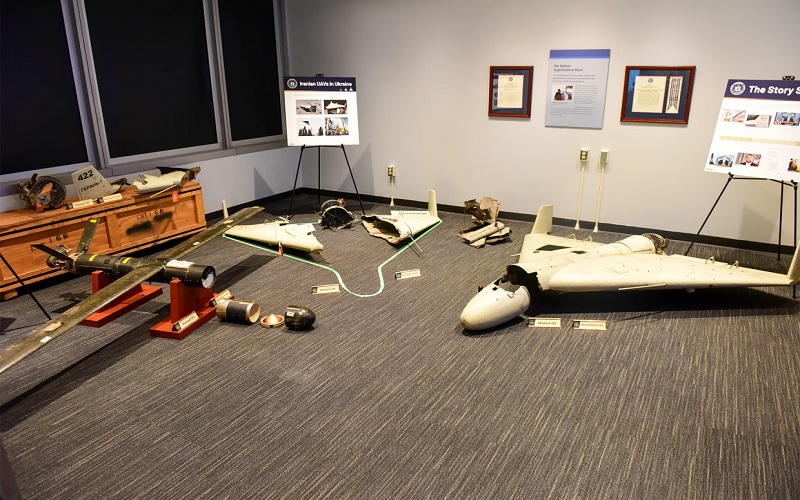
On August 4, the US Defense Intelligence Agency unveiled the remains of Iranian-made drones downed in Ukraine in an exhibition. In the exhibit, the remains of the wings and engine of the downed Shahed-131 drones in Ukraine were compared to an intact drone of the same type obtained last year in Iraqi Kurdistan.
Hossein Amir Abdollahian continued his statements by claiming that last year, he personally asked the Ukrainian Foreign Minister to provide evidence of the downed Russian drones’ Iranian origin. He stated that a meeting between delegations from both countries was arranged to address this issue in Warsaw, Poland. However, according to Amir Abdollahian, the Ukrainian side did not show up at the meeting.
He also claimed that during the next meeting between Iranian and Ukrainian delegations, which took place in Muscat, Oman, no acceptable evidence was presented by Ukraine regarding the raised allegations. These statements again contradict the facts that have been previously reported.
English-language Amwaj Media reported in February about the meeting between Iranian and Ukrainian delegations in Oman in November 2022, quoting a high-ranking Iranian source as saying, “These negotiations were very preliminary, and the Ukrainians presented evidence of the use of Iranian-made drones in the war in Ukraine.” The source then explained, “Tehran accepted the evidence and stated that the equipment was sold much earlier than the time of the war.”
The Iranian regime’s Foreign Minister made these statements during his trip to Japan.
In April, after the two-day meeting, G7 foreign ministers issued a statement confirming their intention to ask the Iranian regime to halt its provision of military assistance to the Russian army in its aggressive war against Ukraine.
It has been reported that the Iranian regime also uses Chinese components in drone production.
The Wall Street Journal reported that Western researchers said they made an important discovery after examination a downed drone. One of drone’s components was made in China this year.
This shows that despite increasing pressure from the United States to close global supply chain routes, China has continued to send manufacturing components for its unmanned aircraft program to Iran.
This research also shows how quickly Iran can assist Russia in the war against Ukraine and that it only needs three months to build the requested equipment for Moscow. It also refutes the claims by the regime that it had provided drones to Moscow prior to the beginning of its invasion of Ukraine.
The Chinese component was manufactured in January, sent to Iran, installed, and then sent to Russia, where it was used against Ukraine in April.
The Chinese component discovered in 2023 by this research group was part of the navigation system of the highly destructive V-shaped drone known as Shahed-136.
Money Printing Soared by 83%, Liquidity 73% during Raisi’s Tenure

The “worse” state of Iran’s economy during the Hemmati era
Although Iran’s economic situation has been severely critical during Ebrahim Raeisi’s era, the country’s economic and financial indicators during Hemmati’s tenure as the governor of the Central Bank in previous government, led by Hassan Rouhani, were even worse than the past two years. Hemmati was the governor of the Central Bank of Iran from August 2018 to June 2021, a period in which the exchange rate reached its peak from less than 70,000 to 220,000 rials, meaning that the Iranian rial lost two-thirds of its value. Additionally, during this period, liquidity reached nearly 40,000 trillion rials from 16,460 trillion rials. Various regime’s authorities, from different spectrums, have always taken power over the past four decades with promises of improving the economic situation. However, during this period, the country’s economic indicators have consistently been on the decline. Meanwhile, Iranian citizens have lost many of their cultural, social, and individual freedoms. According to World Bank statistics, Iran’s share of the global economy has decreased from 1 percent at the beginning of the 1979 revolution to less than four-tenths of a percent in the past year.Environmental Destruction and Forced Migration in Iran Are Reaching Alarming Levels

Mass migration
The population of Iran has increased from around 35 million people in the time of the 1979 revolution to 88 million today, with approximately 70 percent of this population residing in cities. Over the past two decades, Tehran has witnessed an average annual influx of 250,000 people. However, due to water scarcity and the rapid expansion of deserts in the country, it is feared that a large portion of the population will soon have no choice but to completely flee the country. Former Minister of Agriculture Isa Kalantari, who in 2015served as an advisor to the then-president in water and agricultural affairs, stated, “If we continue with the current situation, about 70 percent of Iranians, which is equivalent to 50 million people, will be forced to migrate from the country in order to survive.” In the summer of 2021, simultaneous with protests in Khuzestan province, which began with public outcry over water shortages in the city of Ahvaz, then- Interior Minister, Abdolreza Rahmani Fazli, described the water situation as a “major social crisis” and warned that within the next five years, climate migration would change the face of Iran. This deadline has now arrived, and grim predictions and failed policies in dealing with this crisis continue. The Global Resources Institute has recently ranked Iran among countries with water stress in the world, where water scarcity can lead to conflicts. This outlook became a reality earlier this year with cross-border clashes between Taliban forces and the Iranian regime. These clashes occurred after Tehran asked its neighboring country to release more water upstream to feed endangered wetlands in southeastern Iran. Within the country, renewed anti-government protests due to drinking water shortages, similar to what happened in Khuzestan in the summer of 2021, have become a challenge for the religious fascism ruling Iran. The United Nations Convention to Combat Desertification has always warned about land degradation in dry, semi-dry, and semi-humid areas. But these areas are not exclusive in Iran and they are also at risk. Vahid Jafariyan, the Director-General of the Desert Affairs Office at the Department of Environment in Iran, estimates that the country loses one million hectares of its land annually due to desertification. He also warned that with the drying up of underground reservoirs and the continued development of water-intensive industries, even Iranian wetlands are at risk of becoming centers of dust storms. Isa Kalantari also stated last year that the drying up of a lake that was once one of the largest lakes in the Middle East could lead to the displacement of four million people in the country. The Iranian regime claims to have taken many measures to address this problem, however if any actions have been taken, they have all been overshadowed by the consequences of chronic mismanagement and widespread government corruption. Forty years ago, Iran had 19 dams. Now, state media reports 172 dams. These are the dams that have largely caused water tensions in downstream areas and have themselves led to environmental problems. As a result, any action taken to address this problem ultimately yields no results due to widespread corruption.Iran: Sale of Body Organs Spikes as Poverty Increases
15 Percent of Iranian Children Are in The Labor Market