

Severe shortage of medical facilities in Iran’s Baluchestan
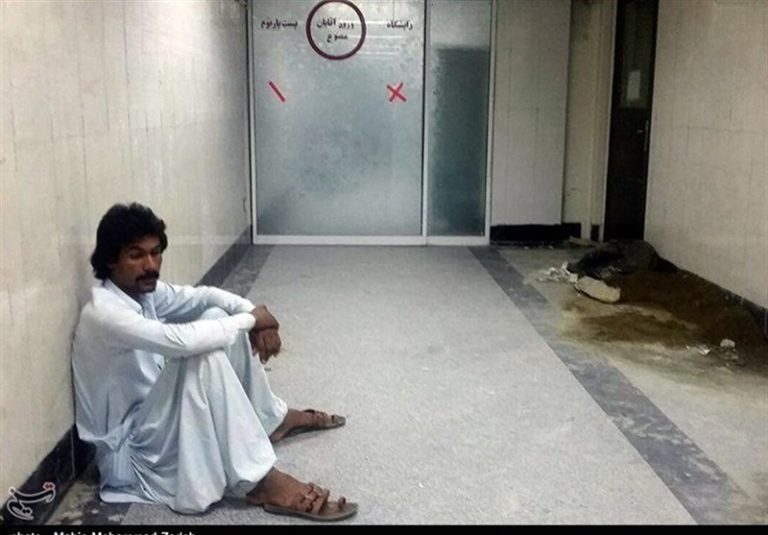
Some Iranian regime media outlets report on the severe shortage of medical facilities in the Baluchestan region, the southern part of Sistan and Baluchestan province, and say that some Baluch citizens have to “sleep for eight days in front of the hospital” just to get an appointment for an ultrasound scan.
On August 1, Asr-e Iran website published a video about the shortage of medical facilities in this area, showing an elderly woman from the Kafeh Baluchi village who says she has been waiting for eight days in front of a medical center in the city of Saravan to get an appointment for an ultrasound scan.
According to this report, in this vast area, which is more than 400 kilometers from its westernmost point to Zahedan (the provincial capital) and about 700 kilometers from its southernmost point, and where each city is far from another, there are “fewer hospitals than the fingers of one hand.”
The report adds that in some areas there are no dentists available, and citizens have to travel about 100 kilometers for dental treatment.
In the same vein, the regime’s semiofficial ISNA news agency announced in a report in May that health and medical problems in Baluchestan are “more severe than other parts of Iran,” adding that Imam Ali Hospital in Chabahar is not only unsuitable for patients because it does not have a central air conditioning system, but also the hospital is so dilapidated that part of it is held up by iron jacks.
The video released by Asr-e Iran shows images of the Minister of Health’s visit to the basement of this hospital and its “iron jacks”. The report continued that “people are forced to risk sleeping in this hospital because there is no closer medical center.”
Nevertheless, many patients who have the chance to be hospitalized at Imam Ali Hospital in Chabahar are kept in the hospital corridors.
in an interview with Asr-e Iran, Moeineddin Saeedi, a member of the Majlis (parliament) from Chabahar, said that due to the severe shortage of medical centers, long lines of people from this region can be seen in cities such as Mashhad, Shiraz, and Yazd, who have gone to these cities for treatment.
According to Saeedi, some Baluch citizens even go to Pakistan for treatment due to the shortage of hospitals in Iran’s Baluchestan.
This member of parliament added that the six coastal cities of Makran region, namely Chabahar, Konarak, Nikshahr, Qasr-e Qand, Dashtyari, and Zarabad, only have access to one equipped hospital in Chabahar.
Saeedi had previously criticized the Rohani government in an interview with ISNA, saying, “The hospital bed ratio per thousand people in the south of the province is 0.6, which is much lower than the national average of 1.8.”
The representative of Makran also said that “there should be 1,500 hospital beds in this area, but only one-seventh of this figure exists.”
Baluchestan not only lags far behind domestic standards in terms of the number of hospital beds but is also one of the most deprived areas of Iran in terms of the shortage of doctors.
Statistics released by the semiofficial ISNA news agency in September of last year show that there are only 6.5 doctors per 10,000 citizens in Sistan and Baluchestan province.
This is while, for example, in northern Tehran, there are nearly 70 doctors per 10,000 people, which is ten times more than Sistan and Baluchestan province.
Baluchestan region needs allocation of budget for the construction of medical centers and increasing the number of active doctors.
In an interview with the regime’s ILNA news agency, Saeed Karimi, the treatment assistant to the health minister said that 155,000 hospital beds in the country are worn out.
According to Karimi, ensuring the safety of the country’s hospitals also needs around 180,000 billion rials (equal to $360 million). However, the Planning and Budget Organization has not earmarked any credit for this issue so far.
The negligence of the Planning and Budget Organization, to which this government official has referred, is happening while in numerous documents obtained from the official website of the Iranian regime’s presidency by Iranian dissidents’ group “GhyamSarnegouni” (meaning “Rise to Overthrow” in Farsi), show that heavy expenses have been allocated directly to military and security institutions by this organization for the direct suppression of protests at the order of senior government officials.
Sistan and Baluchestan province, along with its health and medical deprivation, has also faced extensive suppression of popular protests in recent months, and the problem of water scarcity has recently made the situation in this region “enter the super-crisis phase,” a situation that has sparked fresh protests.
Owning a home In Iran Has Become Nearly Impossible
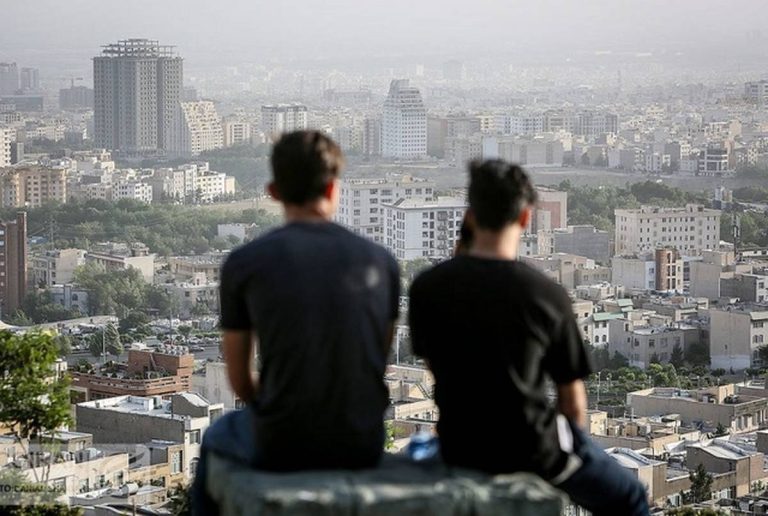
According to a report published in the regime’s Tehran-based newspaper Donya-e-Eqtesad, young adults aged 25 to 26 in Tehran will have to wait “166 years to become homeowners” as long as housing prices remain stable. The report is based on a field survey about the prospects of homeownership for those born in the 1990s and are in their mid-20s.
According to global definitions, those born between 1997 and 2010 are known as “Generation Z.” The newspaper conducted its survey among a sample of 100 individuals from this demographic who had worked for one to two years in an organization.
Based on the report, the average monthly income of Generation Z employees in the surveyed organization ranges from 113 million to 120 million rials (approximately $226 to $240), and they can save up to 10 million rials (approximately $20) per month “at best.” Given current housing prices, they would have to wait 166 years to become homeowners, assuming a fixed income and housing price.
The report notes that the waiting time for the previous generation to become homeowners was 70 years under current conditions, based on the price index and average income level.
This figure was obtained assuming a 20% annual income savings rate and the average price of a 50-square-meter apartment in Tehran.
The newspaper reports that Generation Z respondents are not optimistic about the possibility of becoming homeowners. One group stated that they do not think about housing or homeownership at all, and as a result, they do not think about marriage or having children either. Another group, whose members are over 30 years old, said they have no chance of becoming homeowners and have entered a state of “permanent bachelorhood.”
The newspaper also quoted another group of young adults who said they cannot even afford to buy a bicycle for commuting to work and home, and they consider homeownership conditional on a “fundamental” change in Iran’s economic conditions. Otherwise, they said they would consider migration to other countries.
On July 25, a member of the majlis (parliament) announced that the number of people “below the poverty line” has reached 28 million and warned about the social damages caused by “the economic downturn affecting some segments of society in the past decade.”
Previously, Ali Agha Mohammadi, the head of the economic group of the Office of the regime’s President and a member of the Expediency Discernment Council, had reported on May 18 that at least 19.7 million people in Iran are deprived of basic living facilities such as housing, employment, education up to 12 years, health, food, and clothing.
Following the increase in foreign exchange rates since 2018, the average price of every square meter of housing in Iran has been on the rise, and in the capital, the price of every square meter of housing has increased from 60 million rials in 2018 to over 600 million rials (approximately $1,200) in the spring of 2023.
The government has tried to adjust the plan to build “one million houses annually” by increasing the amount of “housing loans.” However, the regime’s media and social network users have revealed that the monthly installment amount of this loan is so high that ordinary people cannot afford to repay it.
On July 1, Shargh newspaper reported that the conditions for granting this loan are such that only wealthy individuals and those who do not need to borrow for housing can take advantage of these facilities.
The report also stated that the loan for purchasing and repairing a house has doubled and reached 9.6 billion rials (approximately $19,200), but not only can this amount only buy a 20-square-meter house, but the monthly installments for the 12-year repayment plan set by the government are 200 million rials (approximately $400), while the basic salary of an employee is 70 million rials ($140).
Social media users also wrote that citizens who receive this 9.6 billion rials loan must return about 28 billion rials, and a housing economist told Shargh newspaper that considering commissions, the profit of this bank loan reaches 28 percent.
Iran’s Poverty Line Soars, Sending More People Into Misery
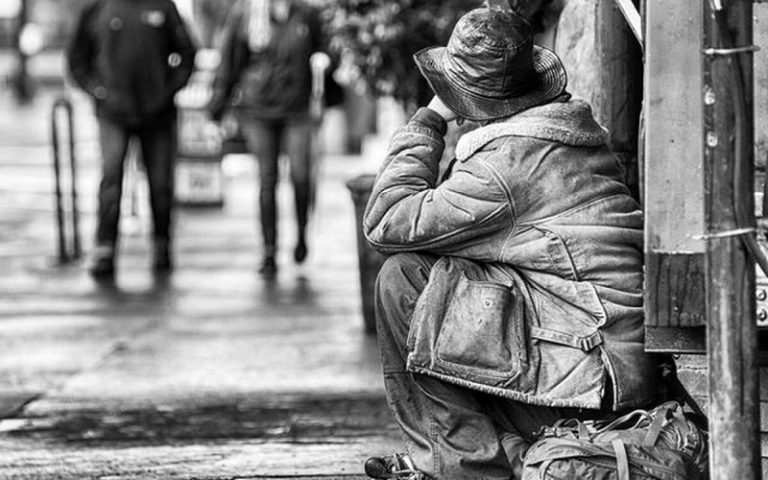
The latest statistics on poverty in Iran indicate that one of every three Iranians is below the poverty line. According to reports, Mehdi Bagheri, a member of the regime’s Majlis (parliament), has stated that the poverty line in Tehran has reached 300 million rials (approximately $600), while some of the regime’s economists have said it is 320 million rials (approximately $640).
On June 19, the state-run newspaper Setareh Sobh quoted a labor activist as saying that the rent for a small 60-square-meter apartment in central Tehran is less than 15 million tomans (approximately $300) per month. A family with two employed individuals is unable to provide for basic needs such as food, housing, and education, and cannot sustain their life on normal wages alone.
The regime’s parliamentary research center has announced that “the poverty line has increased from 19 percent to over 30 percent in a decade, and in fact, more than 30 percent of the population is below the poverty line.”
The minimum wage for the year 1402 (21 March 2023 to 21 March 2024) has been set at 53,073,300 rials (approximately $106), which is 27 percent higher than the minimum wage in 1401 (21 March 2022 to 21 March2023). This minimum wage with all benefits is 85.800 million rials (approximately $171). This means that the minimum wage earner is close to four times below the poverty line.
Mohammad Mehdi Mirbaqeri, a member of the regime’s Assembly of Experts, has stated that the number of people below the poverty line has tripled while the top ten percent of society has become three times richer.
These skyrocketing prices, especially in the food sector, are so high that the regime’s officials are terrified about the potential consequences. Although these figures are much lower than reality, regime officials recommend that people should spend less instead of addressing their most basic needs.
Lotfollah Dezhkam, Friday prayers leader of Shiraz, southwest Iran, said, “We each have an income, more or less. Now they say the majority are below the poverty line, don’t you hear? Even those who are above the poverty line, don’t have much room to spend money, do they? Money always runs short. This is the rule.”
Iran ranks 19th in on the Misery Index among 157 countries, according to a June 2 report by the state-run Tejaratnews daily.
Many food items have disappeared from people’s tables, and the consumption of meat for low-income households is 3 kilograms per year, according to a March 4, 2022, report by the Toseeirani newspaper.
According to the statistics of the Food and Agriculture Organization of the United Nations (FAO), both the production and import of dairy products in Iran have declined significantly in the past year. In contrast, dairy exports have grown by 42 percent and have reached 1.58 million tons, indicating a sharp decline in domestic dairy consumption. (Source: Radio Farda, June 17.)
Meat production in Iran has also seen a significant decline in the past year, and meat imports have decreased. On the other hand, meat smuggling, especially livestock, has increased significantly by regime-affiliated gangs.
The average meat consumption in Europe is between 80 and 90 kilograms. In the United States, New Zealand, Argentina, and Australia, meat consumption ranges from 100 to 150 kilograms per year.
The average per capita meat consumption in the world is 41 kilograms.
The minimum amount of meat needed annually per person is 25 kilograms, while the amount of meat consumed by millions of Iranians is between one and three kilograms per year.
Nevertheless, the consumption of meat of the affluent ranges from 67 to 93 kilograms.
Another effect of poverty in Iranian society is the decrease in the consumption of dairy products in households, which has put the health of the society at risk. The per capita consumption of dairy products in Iran has dropped below 70 kilograms, while in developed countries, the annual per capita consumption of milk is close to 200 kilograms. (Source: Javan newspaper, June 1.)
Donya-e-Eqtesad newspaper, an Iranian regime outlet, reported on May 21 that the average bread consumption in Iran is up to three times the global average, which is due to poverty, and bread accounts for 63 percent of the daily food intake of each Iranian household. Wheat is the main food item consumed in Iranian households. Studies on the amount of wheat consumption among different countries in the world show that Iran ranks seventh with an annual per capita consumption of 194 kilograms.
The global per capita wheat consumption is 67 kilograms, while in developed countries it is 60 kilograms.
Iran ranks seventh on the World Bank’s list of the top 10 countries experiencing food insecurity due to inflation.
According to this report, Iran, with an 84 percent inflation rate on food items, ranks after Sri Lanka and before Rwanda. Zimbabwe ranks first with a 321 percent inflation rate.
One of the effects of poverty on the Iranian people is malnutrition, especially among children. According to official statistics from the Ministry of Health and Medical Education, in Iran, around 16 percent of children under the age of six suffer from malnutrition, and 800,000 children in their growth years face energy and protein deficiencies. Statistics also show that 11 percent of children in Iran are underweight and 5 percent suffer from severe malnutrition. (Source: Ham-Mihan newspaper, January 30.)
Mohammad Mehdi Nasahi, the CEO of the Health Insurance Organization of the regime, stated that two expensive tests, thyroid testing (thyroid stimulating hormone, TSH) and vitamin D measurement, are not necessary in the country, despite the fact that more than 85 percent of people in Iran suffer from vitamin D deficiency, no need to measure their level or follow them up based on the opinion of endocrinology specialists.
Rouydad24, a state-run website, wrote on September 14, 2018, that one of the effects of poverty is on the dropout rate of students. In 2022, nearly 800,000 children were unable to attend school due to financial constraints.
This has led to an increase in child labor, with official statistics indicating that 2 million children are engaged in child labor, while unofficial statistics indicate that 5 to 8 million children are involved. (Jahan-e Sanat daily, June 13, 2021.)
Therefore, the poverty line of 300 million rials is a result of the destruction and looting of the Iranian economy by the regime, but this cycle of poverty also leads to popular protests.
Mohammad Reza Ghalamreza, the political deputy of the Minister of Interior of the regime, stated that “the current situation is sensitive and difficult.
Do you and I really feel it? Have we felt the level of danger that we suddenly enter into a new battle during the reopening of universities and schools and the anniversary of last year’s protests, and they drag us towards a direction where your priority will no longer be elections…”
Negative Growth In The Exports Of The Iranian Regime
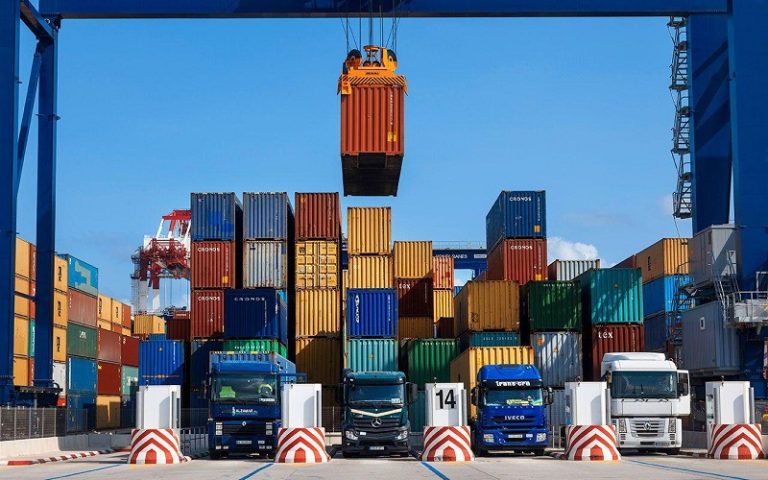
Iranian regime President Ebrahim Raisi claimed that the regime’s exports had increased by 30-40 percent in the past year and reached $53 billion in 2022. However, in the spring of this year, the regime’s customs office announced that it had $14 billion in imports against $12.5 billion in exports. According to Saeedi, a member of the regime’s Majlis (parliament), “Raisi only presents statistics in such a way that many suspect these statistics are being made up in another country. Is this statistic related to our economic situation or are they creating them from elsewhere?” according to a report by the state-run Etemad newspaper on June 27, 2023.
Ebtakar, another state-run newspaper, wrote on June 6 that according to statistics from the World Bank, which was estimated by doctored data provided by the regime, the real economic growth of Iran in 2022 was 2.9% and this figure would decrease to 2.2% for 2023.
However, the exports that Raisi boasts about are mostly petrochemical and mining exports, most of which are sold as raw materials and, of course, at low prices. According to regime statistics, the most profitable export commodities are petrochemicals and oil-based goods, and the second rank is mining industries, which are essentially under the control of the Islamic Revolutionary Guard Corps (IRGC). In June 2013, regime linked outlets reported that 99 percent of petrochemicals had been privatized. Some of the petrochemicals were transferred to the “Execution of Imam Khomeini’s Order”, an economic foundation tied to regime supreme leader Ali Khamenei, but the bulk of the petrochemicals were taken over by the “Ghadir Investment Company,” which is also part of Khamenei’s financial empire.
The “Persian Oil and Gas Development Co”, which belongs to Ghadir holding, alone has nine petrochemical plants and two refineries. “The Parsian Oil and Gas Group” is involved in circumventing international sanctions and, for example, regime outlets reported in 2018 that $30 billion earned from the sale of petrochemical products had not returned to the country’s currency resources, according to an August 17, 2018, report by the Rouydad24 website.
According to regime statistics, exports of minerals and mining industries amounted to $12 billion last year, and some of these minerals are exported to China at low prices.
The situation is the same in the steel industry. Iran’s most important steel company is “Mobarakeh Steel Company”, which produces nearly 50percent of Iran’s steel. This company is under the control of the “Basij Cooperative Foundation”, a subsidiary of the IRGC.
“Khuzestan Steel Company” is the second largest steel production hub in Iran, and the main shares of “Khuzestan Steel Company” are owned by the “Yas Holding Company”. Yas Holding is the main organization of the Basij Cooperative Foundation in the field of services, intermediation and housing, and has been involved in numerous corruption cases in the past three years.
Iranian Zarand Steel, Iranian Sirjan Steel, and Zagros Steel are among the important steel production companies, all of which are owned by the Basij Cooperative Foundation.
Therefore, the majority of the steel produced in Iran is under the control of the IRGC and Khamenei’s financial institutions. The regime’s steel companies produce steel with free water, cheap raw materials, very cheap energy, and by paying workers a quarter of the money required to stay above the poverty line.
On November 6, 2020, Alireza Salimi, a member of the Majlis, stated, “We had earned at least about $5 billion through steel exports in 2019. The question is whether this money has entered the domestic cycle and returned.”
The regime sells steel at significant discounts to find customers and circumvent sanctions. Mohammad Reza Shahidi Tabar, a representative of the Ministry of Industry, Mine, and Trade in the Iran Chamber, said that “Turkey makes a $170 profit for each ton of Iranian steel, and we are forced to sell steel cheaply. This is among the costs of sanctions,” according to the official Jomhouri-e Eslami newspaper, posted on November 18, 2021.
According to a May 19, 2022, report by the state-run Khabaronline website, the regime sells steel at a discount of almost 25 to 29 percent compared to the global market price, between $600 and $650.
Another product that the regime exports is dairy products. Due to the high cost of dairy products, consumption has significantly decreased in Iran. However the regime exports the dairy products produced in the country. In 2022, demand for dairy products decreased by 16.3 percent. The reason was an 80 percent increase in dairy prices. In contrast, due to the high prices, per capita consumption of dairy products in Iran has fallen below 70 kg, while in advanced countries, annual per capita consumption of milk is close to 200 kg. This was reported by the regime- linked Javan newspaper on June 17, 2023.
Another product that the regime exports is agricultural produce. For example, the regime exports approximately one million tons of apples annually. The export price of apples was 34 cents last year, and in 2021 it was 28 cents, but the same apples are sold in the Iranian market for about 70 cents, and the purchase price of apples from farmers is about 1 cent. When it reaches the customers in the fruit and vegetable markets, it becomes 30 times more expensive.
To harvest 1 million tons apple, 700 million cubic meter water are needed, which costs approximately $700 million. The regime will pay for this amount of water, farmer’s labor, poisons, fertilizers and transportation costs, to get $215 million.
The situation is similar for other agricultural products.
However, an important point to note about the regime’s product exports is that the prices of these products have decreased in recent years. For example, in 2012, the average price of each ton of export goods was $520, but this figure dropped to $307 in 2020 and reached $434 last year, which is almost a 20-percent decrease and shows the regime’s willingness to sell at a lower price.
The main export of the regime is crude oil. For this year, the regime has considered selling 1.4 million barrels of oil at a price of $85 in its budget, which is equivalent to a revenue of $43.5 billion. However, the regime sells its oil to China at a 44-percent discount and receives payment in yuan. In addition to the yuan, it also uses the currencies of Angola, Zambia, and Kenya for payment.
“In the 25-year agreement, China has estimated Iran’s oil and gas prices to be at least 30 percent lower than relevant benchmarks. According to a source from the energy security of the European Union, since Russia’s attack on Ukraine in February 2022, China has been asking for a 30-percent discount from Iran. This could also guarantee China’s ability to buy Russian oil,” according to regime’s Faraz Daily reported on May 10, 2023.
The amount of income from Iran’s oil exports is not clear, but according to regime newspaper Toseeirani on June 1, 2023, the regime earned $14 billion in oil income in six months.
Between 2005 and 2021, Iran’s foreign exchange earnings were $1.488 trillion, which is a significant amount, but there has been no economic growth during this period.
Therefore, since the cost of maintaining the regime on power is very high, Khamenei uses any means necessary to secure his hold on power, including coercion and plundering. Actually, exports are also used to serve the survival of the regime. The regime takes everything from the people of Iran so that it can earn income for warmongering, terrorism, and suppressing people. Inflation in Iran has broken the record in the past 80 years, and under the rule of the mullahs, Iran is among the 5-6 most inflationary countries in the world.
14 Provinces Including Tehran Are Under a Dust Storm Siege; Markazi Province Declared Closed Again
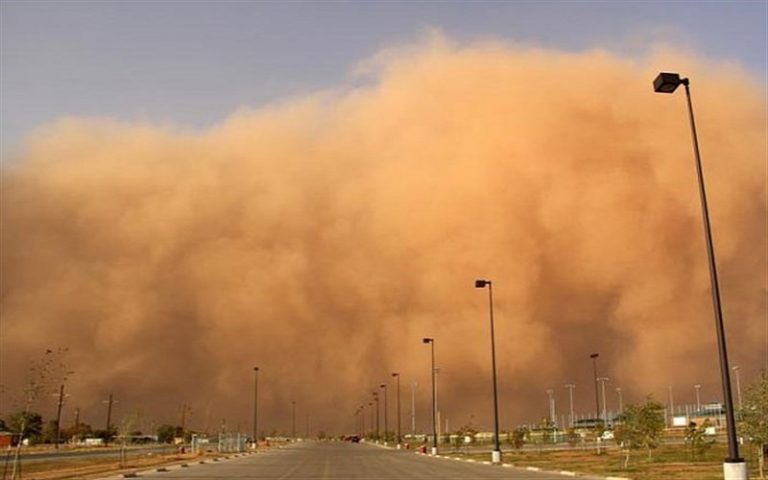
14 provinces in Iran are currently under the siege of a dust storm, and the continuation of air pollution in Markazi Province has led to the closure of offices and educational institutions.
The country’s Meteorological Organization announced that on July 24 and 25, 14 provinces are in a yellow weather condition due to strong winds, dust storms, and decreased air quality.
According to the organization’s report, these provinces include South Khorasan, North Khorasan, Razavi Khorasan, Kerman, Sistan and Baluchestan, Yazd, Charmahal and Bakhtiari, Isfahan, Semnan, Qom, Markazi, Tehran, Khuzestan, and Bushehr.
The Meteorological Organization advised respiratory patients, the elderly, children, and desert travelers in these provinces to avoid non-essential commute.
Earlier, Sahar Tajbakhsh, the head of the country’s Meteorological Organization, told the regime’s official IRNA news agency about the cause of the recent increase in sandstorms, especially in the eastern part of the country: “One of these serious hazards could be climate change, which, in case of strong winds, turns into very damaging sandstorms.”
In Markazi Province, the Emergency Dust Task Force, decided to declare the offices in this province closed on July 24 due to the prediction of continued air pollution and the persistence of particles less than 10 microns.
According to this decision, all classes of institutions and schools are also closed, and selected branches of banks are also on limited service on this day, according to the announcement of the Commission for Coordination of Banks and Insurances.
35,000 hectares of dust centers in Tehran province
In Tehran Province, offices and schools have not been closed, but environmental officials have also warned of an increase in dust storms in this province. Zahra Ebadati, the human environment deputy of the Tehran Environmental Protection Agency, told the state-run ILNA news agency: “There are about 100,000 hectares of desert areas in Tehran Province.” She added, “Some of these areas, about 35,000 hectares, are considered critical centers of wind erosion.” According to the government official, in conditions of strong winds, these centers inside Tehran Province also affect the increase in dust concentration in the province, like the centers outside the province and the cross-border centers. “Although the conditions of rainfall were better this year compared to last year, the amount of rainfall in Tehran Province and neighboring provinces has still significantly decreased in comparison to the long-term average,” Ebadi continued. The difficulty of supplying water to reforestation and vegetation planted in desert areas of Tehran Province is a factor that, according to the deputy of the Tehran Environmental Protection Agency, has caused the implementation of stabilization plans for dust centers in the province to proceed slowly. On July 18, Abbas Shahsavani, the head of the air and climate health department at the Ministry of Health, told the regime’s ISNA news agency that in addition to eastern, southeastern, western, and southwestern provinces facing dust storms, this problem has also arisen in central regions such as Fars, Qom, and Arak. “In general, almost half of our country’s population is facing dust storms that have a detrimental effect on people’s health.” He added. The fact that half of Iran’s population is affected by dust storms comes as on July 13, the director general of natural resources and watersheds in Isfahan province announced that 50,000 hectares are added annually to the “critical dust centers” in this province located in central Iran. The head of the air and climate health department at the Ministry of Health also stated that dust storms lead to an increase in the number of hospitalized cases and heart and respiratory diseases, as well as having a negative effect on human vision. On June 17, the director general of desert affairs at the Department of Natural Resources also announced that one million hectares are added annually to Iran’s deserts. Vahid Jafariyan had previously stated that the drying of wetlands and their transformation into “micro dust centers” is one of the factors contributing to desertification in Iran. This comes as the acting head of the Department of Natural Resources and Watersheds in Iran announced in July 2022 that desert provinces in the country had increased by 66 percent, and that areas of crisis for dust had also expanded by about 43 percent. This official said that the number of desert provinces in Iran had increased from 14 at the beginning of the 20-year vision plan to about 21 provinces by last year.Global Concern Over Death Sentence of Iranian Political Prisoner

The Iranian regime’s judiciary has sentenced political prisoner Mohammad Javad Vafa’i Sani to death on charges of “supporting the MEK”, “spreading corruption on earth”, and “burning and destroying regime facilities”, after enduring two years of imprisonment and torture the verdict was delivered to his lawyer.
Mohammad Javad Vafaei is a 26-year-old boxing champion from the city of Mashhad. He was arrested in this city in March 2020. The regime’s judiciary set a bail of 300 billion rials (approximately $600,000) for his temporary release, which his family could not afford.
The Iranian regime is trying to prevent the spread of social protests by increasing executions and repression. This sentence is part of the regime’s continued pressure on political prisoners and its efforts to further suppress society to prevent the possibility of future fiery protests.
The National Council of Resistance of Iran (NCRI) called on the UN Secretary-General, the UN Human Rights Council and Commissioner, all human rights defenders, as well as the European Union and its member states, to take urgent action to save the life of this political prisoner.
In a letter released on July 20, dozens of human rights activists, prominent lawyers, and former prosecutors asked the UN Human Rights Chief to intervene to prevent the execution of this prisoner.
96 international NGOs, current and former United Nations officials, human rights and legal experts including Judge Sang-Hyun Song, President of the International Criminal Court (ICC) (2009-2015), and Nobel laureates that sent an urgent letter to the UN High Commissioner for Human Rights Volker Türk, requesting his urgent intervention to prevent the imminent execution of Mohammad Javad Vafa’i Thani.
The spokesperson for the UN High Commissioner for Human Rights, said, “We have received information about this case and are in the process of following up and gathering further information.”
The full text of the letter follows:
Dear High Commissioner,
We request your urgent public intervention to save the life of Iranian political prisoner Mohammad Javad Vafa’i Thani.
According to information received from Vakil-Abad Prison in the city of Mashhad, earlier this morning a prison judge went to the political prisoners’ ward, where he informed Vafa’i Thani that his execution verdict had been finalised.
Vafa’i Thani was then summoned and taken by a prison guard to an unknown location. There is no further information about his current whereabouts.
Vafa’i Thani, 27, is a local boxing champion in Mashhad and a supporter of the main opposition group People’s Mojahedin Organisation of Iran (PMOI or MEK).
He was arrested in March 2020 (Persian calendar month of Esfand 1398) for taking part in the November 2019 anti-government protests. He was tortured for several months and eventually handed down an execution sentence for “efsad-fil-arz” (“corruption on Earth”) by Branch Four of the Mashhad Revolutionary Court.
In recent months, the Iranian authorities have executed at least seven other protesters on similar bogus charges with total impunity. These political executions are a callous attempt by the authorities to frighten and silence an increasingly restive population no longer willing to accept their corrupt and oppressive rule.
We ask that you make an urgent public call for the Iranian authorities to halt Vafa’i Thani’s imminent execution sentence.
Sincerely,
Iran’s stock market crisis; where did billions of tomans of hot money go?
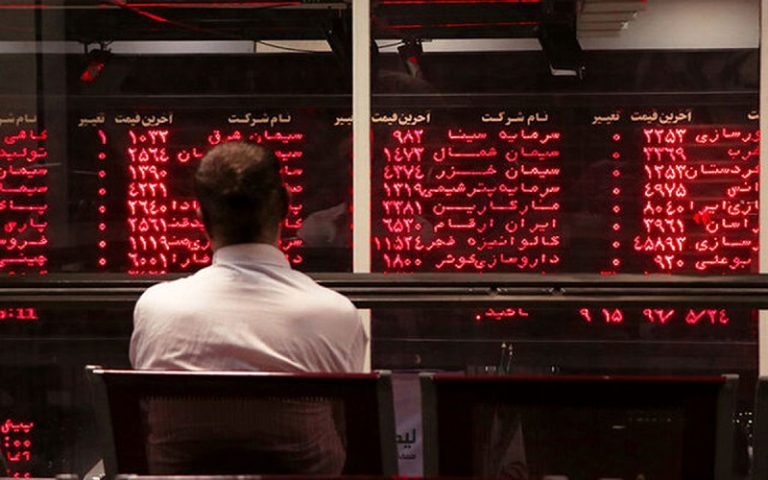
Investigations into the flow of money in and out of the Iranian stock market show that over the past 50 days, more than 300 trillion rials (approximately $6 billion) have been withdrawn from this market since the historic fall of the Tehran Stock Exchange. During these 50 days, the stock market has experienced a continuous downward spiral, and the number of days that the index has been positive is barely in the single digits.
Market players and many managers of private company attributed the repeated decline in the index to lack of knowledge until the government’s decision to increase the price of gas for industrial usage was announced. They only found out about the underlying reasons for the serial declines in the stock market when the letter attributed to Vice President Mohammad Mokhber was sent to companies, revealing the government’s secret decision regarding the increase in price of gas for industries and petrochemicals.
Since that day, the outflow of money from the stock market has continued unabated. Retail investors (small shareholders who are independently active in the stock market) are trying to withdraw their remaining capital from this market to avoid further losses.
The emergence of new rent-seekers
The term “rentier state” is used for governments similar to the regime in Iran; a government that has independent financial resources other than society’s taxes and can implement government policies and demands with greater independence. Over the past four decades, rentier governments in Iran have created rent-seeking groups that have widened the class divide and resulted in the emergence of a group called “white-collar ” in Iran’s economy, which formed a new class and rooted itself in all economic sectors. This emerging group is either close to centers of power or behind the scenes of corrupt economic movements and creates economic rent directly for its subordinates. The secret decision the government made on May 7 to increase the price of gas for industries is an obvious example of rent and corruption that has destroyed the capital of many small shareholders. A similar incident occurred on August 21, 2020, when the Tehran Stock Exchange index dropped by 51,000 points, destroying the capital of many small shareholders. This decline occurred with the exit of government-affiliated shareholder entities from the market, and it later became clear that the government’s advertising campaign to encourage people to invest in the stock market with the aim of collecting cash to cover the budget deficit. Behind the scenes of every economic decision that disrupts the markets, a group of emerging “white-collar ” rent-seekers is always forming, just like what happened this year and the Black Monday that hit the Tehran Stock Exchange.Where does the hot money go?
Examination of the inflow and outflow of money from the stock market over the past 50 days shows that $6 billion of hot money has been withdrawn from the market, which can cause turbulence in any market it enters. Although the dollar has been on a downward trend and fluctuating between 480 to 500 thousand rials in the past month, analysts believe that this fluctuation will be temporary, and the market awaits a political news or economic decision from the government to quickly redirect the flow of money in that direction. In addition to the 300 trillion rials withdrawn from the stock market, money printing continues unabated. According to statistics from the Central Bank, liquidity grew by 3.9 percent in the first three months of this year. The latest statistics on liquidity volume announced in May was 64.680 trillion rials (approximately $129.360 billion). With 1.390 trillion rials (approximately $2.780 billion) in facilities paid in June, according to Central Bank statistics, it can be expected that liquidity in Iran reached over 66 trillion rials (approximately $132 billion) by the end of June. Taking into account the outflow of money from the stock market and the growth of liquidity in recent months, it seems that hot money is heating up for movement towards non-productive parts of the Iranian economy. This money, which the “white-collar” people will manage, can move towards the gold and coin market, real estate, and ultimately affect goods, services, and people’s lives, while the government, as a rentier state, holds their affairs in hand while they pay taxes. This is a practical and prominent example of a rentier state’s administration.Political prisoners protest “fabricated charges” against Maryam Akbari Monfared

The opening of a new case against Maryam Akbari Monfared, who has been in prison without furlough for 14 years, has been protested by current and former women political prisoners. These women consider the new case as “revenge of the judiciary because she was seeking justice.”
Forty-four current and former women political prisoners have protested in a letter the “fabricated charges” against Maryam Akbari Monfared and the opening of a new case against her by the judiciary.
The letter refers to Maryam Akbari Monfared’s 14 years of imprisonment without even a day of furlough and her exile to Semnan Prison in central Iran.
She has been in prison since 2009 and was held in Evin, Gohardasht, and Qarchak prisons before being exiled to Semnan in February 2022.
The authors of the letter have written: “We are witness to Maryam’s struggle and resistance, witness to her passion and concern for the people’s suffering.”
One sister and three brothers of Maryam Monfared were executed in the 1980s on charges of supporting the People’s Mojahedin organization of Iran (PMOI), and she is part of a large family of plaintiffs and advocates who demand clarification of the reasons for the executions and the burial sites of political prisoners executed by Iran’s regime.
The authors of the letter stated: “We know that the new case is not only against Maryam but is a plan for the judiciary’s revenge against her complaint.” They have considered this fabrication of charges as “torture of Maryam and her family.”
The letter concludes: “The sound of those who seek justice is not only heard from Maryam’s throat but also from all over Iran.”
Maryam Akbari Monfared was arrested during the Ashura protests in 2009 and was sentenced to 15 years in prison. During this time, she has not been granted a furlough.
While her imprisonment is nearing its end, on July 1, 2023, she was transferred from Semnan to Evin Court and was informed of five new charges. She was then returned to Semnan.
The charges include “propaganda against the Iranian regime, assembly and collusion against national security, spreading lies, insulting the leader, and inciting people to disrupt public order.” These charges are based on letters, statements, and reports published in the media and social networks. After serving five new charges, she was returned to Semnan Prison. The goal is to prevent her release after completing her sentence.
Two brothers and one sister of Maryam Akbari Monfared’s were executed in the 1980s, and one brother were executed during the mass executions of political prisoners in the summer of 1988.
Her husband says that their repeated requests for medical furlough have remained unanswered, despite heavy bail payments, and they have been told that the Ministry of Intelligence and the prosecutor’s office are against granting furlough.
The Precarious State of Iran’s Retirement Funds: Budget Deficits and Resource Shortages
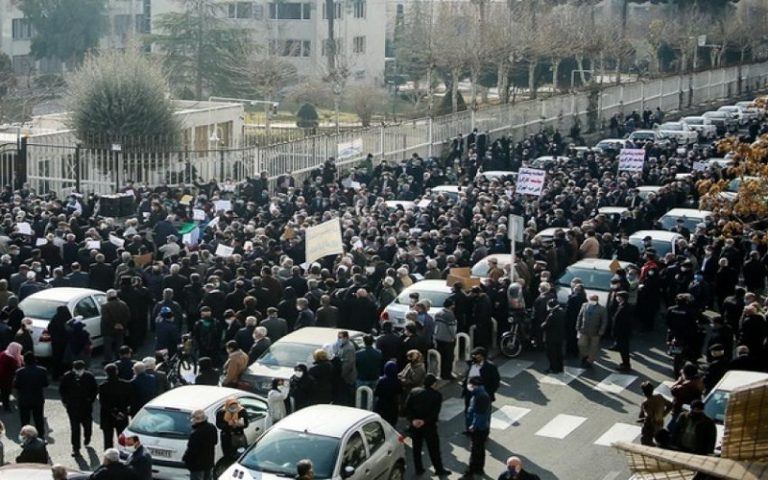
The Iranian government has decided to merge 18 retirement funds in response to a budget deficit of 3,000 trillion rials (approximately $6 billion) and its increasing debt to these funds. Retirement funds in Iran are called “time bombs,” not because they are all considered bankrupt, but because they can lead to the destruction of both the economy and the Iranian society, along with bankruptcy.
For more than a decade, the Iranian regime has been dealing with the retirement fund crisis through tricks such as assigning shares, transferring factories and even lands to the funds to pay off their debts. Nevertheless, official reports show that out of a total of 18 retirement funds in Iran, 17 are bankrupt or on the brink of bankruptcy.
Recently, it has been suggested in the Seventh Development Plan that the retirement age for women in difficult and hazardous jobs be reduced to 45 years and for men to 50 years. According to experts, this proposal could be a countdown to the explosion of retirement fund time bombs.
In many countries, retirement policies are aimed at increasing the retirement age, but in Iran, the retirement age is between 45 and 53 for women and 50 to 56 for men. The low retirement age in Iran is one of the most important factors that increases the financial burden on the funds year after year.
Another dangerous factor is the decrease in the support ratio to working individuals; that is, the ratio of retirees to working individuals is decreasing. Currently, the support ratio in the national retirement fund is 0.65 percent, and in the armed forces, it is 0.83 percent, while the global average is 6 percent. (In simple terms, in a standard fund, six people must work to support one retiree.)
According to the Iranian Statistical Center, in the spring of this year, the number of employed individuals was reported as 23,577,638. With a population of nearly 88 million in Iran, the lives of approximately 64,340,000 people are dependent on the work and activities of these employed individuals.
The population-to-employment ratio in Iran is 3.7 percent, meaning that each employed person, except for themselves, must provide for an average of 3.7 other individuals’ living expenses.
Hard times for retirees
Inflation and increasing poverty threaten retirees more than any other group in Iran. Although this year retirees under the coverage of the Social Security Organization saw a 27 percent increase in their pension, and those under other funds received a 20 percent increase, this group is still under pressure due to inflation and economic difficulties. According to unofficial reports, the poverty line in Iran has reached 300 million rials (approximately $600), while the minimum pension in 2023 was announced to be around 55 million rials (approximately $110). There are 18 retirement funds in Iran, covering a total of 25 million retirees and pensioners. Due to the low population-to-employment ratio (3.7%), the resource crisis in these funds can affect the lives of 50 million people. This year, a budget deficit of about 3,000 trillion rials (approximately $6 billion) has been estimated for these funds, and it is predicted that by 2026, their resource deficit will reach 8,000 trillion rials (approximately $16 billion). The government is legally required to provide 8 to 10% of the resources of some of these funds, while some others receive funding from the general budget. In the current year’s budget bill, the government has allocated 3,300 trillion rials (around $6.6 billion) to compensate for the budget deficit of retirement funds, which is 1,130 trillion rials (around $2.26 billion) more than the previous year. The annual budget figures from the past decade show that the share of retirement funds in the general budget has increased from about 12% in 2014 to over 15% in the current budget. When combined with budget deficits and the government’s debts to these funds, the severity of the retirement fund crisis becomes evident. If the current trend continues, it can be expected that within three years, five retirement funds will account for more than half of the government’s budget.From selling islands to merger proposals
The proposal to merge retirement funds has been raised since two years ago, but due to the potential social crises, the decision to implement this plan has been delayed. In May of this year, the controversial statement of a Ministry of Labor official that resulted in his dismissal raised concerns about the severity of the retirement fund crisis. Sajjad Padam, the director-general of the Ministry of Labour’s insurance, had said, “We will soon have to sell Qeshm and Kish islands and Khuzestan province to pay retirees’ pensions.” His reference was to the sale of 120 islands in Greece in response to the retirement fund crisis in Iran. Although such statements are considered a form of dissent for officials in the Islamic Republic, the speed of action to dismiss this Ministry of Labor official indicates a cover-up of a crisis that is intensifying every day. This is happening while protests by retirees, which had somewhat subsided in the shadow of last year’s nationwide uprising, have intensified since the beginning of this year. These days, the government is looking for a solution to cover the budget deficit of retirement funds while also considering their merger. Among the letters found in a series of leaked documents from the Presidential Institution website, a letter dated December 26, 2022, signed by the deputy minister of intelligence and addressed to the vice president, stated that due to the “inability” of the Special Retirement Fund of the Ministry of Intelligence to pay its pensioners, “another 10 billion rials (around $20,000) should be allocated to this fund in the 2023 budget law.” In recent years, some government officials have repeatedly reported the bankruptcy of some retirement funds. Nevertheless, this letter from the Ministry of Intelligence is another testament to the precarious situation of retirement funds in Iran.Iranian Regime President Ebrahim Raisi Orders to Relaunch Morality Police Patrols
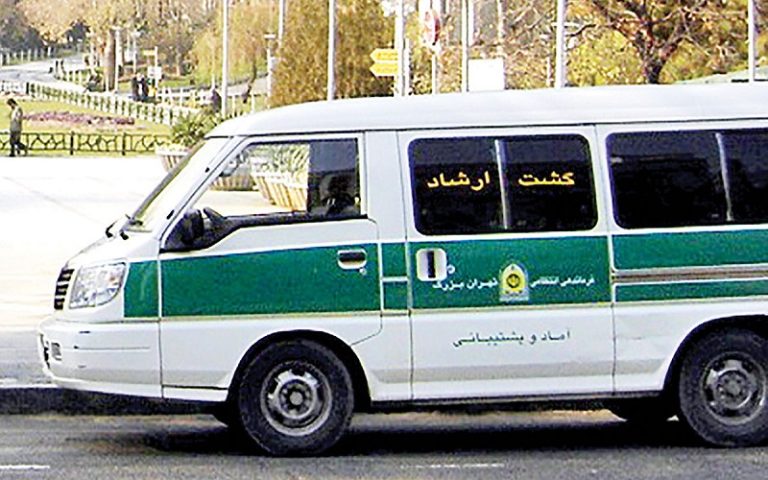
According to state-run media outlets on July 16, Saeed Montazer al-Mahdi announced on behalf of the State Security Forces (SSF) that as of today, July 16, the police will conduct mobile and foot patrols throughout the country to deal with individuals who continue to violate social norms by wearing non-conforming clothing. The police will give warnings and if non-compliance continues, they will take legal action and refer the individuals to the judiciary.
The SSF also stated that this action is in response to the demands of the people, various social groups, and the emphasis of the President and the judiciary.
This official announcement of the morality patrols, known as “Ershad”, comes after clips and photos were circulated on social networks in the past three days depicting the patrols in action, including the arrest and threat against women and the issuance of sentences against those arrested.
In one of these clips, a police officer addresses women, saying “Either wear a headscarf or get in the van. If you believe in freedom, I will let all the thieves and thugs go unpunished so they can settle with you.”
Social media outlets have also released court documents in the past three days. In one of these documents, a woman was sentenced to washing dead bodies in a Tehran cemetery for a month and a fine of 31 million rials (approximately $62) for not wearing proper Hijab.
The Iran newspaper, linked officially to the office of the president, admitted to one of these documents, stating, “The publication of a sentence against a woman for her hijab, sentenced to one month of work in a Tehran cemetery and washing the dead corps, has surprised observers.”
At the same time, Mohammad Taqi Naghdi, a member of the regime’s Majlis (parliament), said, “The maximum level of restraint has been imposed in the hijab bill so that there is no need for further action. We cannot submit the religious verdict to a referendum.”
However, Vali Ismaili, the head of the parliamentary social commission, emphasized that the decision to restart the repressive Guidance Patrols is the decision of Raisi’s government. He said it seems unlikely that coordination has taken place with the parliament to relaunch these patrols, and the government is taking action based on the law.
Meanwhile, Mohammad Bagher Ghalibaf, the speaker of the parliament, stated that the violation of hijab must be considered a crime, and the hijab bill will be passed in two months, with its contents increasing to 60 articles so far, according to a July 16 report by the Entekhab daily.
“Improper hijab”, which is a woman not wearing the mandatory veil or even having it adjusted to show part of her hair, is considered a security threat by the mullahs and has been since they took power 40 years ago. The names of the so-called morality police have changed since 1979, from the “Sarallah Patrols” during the 1980s to the “Guidance Patrols” that were launched in 2005 to the “Ansare Hezbollah” launched by the IRGC in 2013, but their purpose has remained the same: the suppression of women.
Senior officials always mention the importance of the veil in their speeches and it is the most obvious way for the mullahs to suppress women.
With such repressions, mullahs ruling Iran aim to prevent the formation of popular uprisings like what happened last September. The sudden death of Mahsa Amini in the custody of the morality police led to months-long protests across Iran. The Iranian regime killed at least 750 people and arrested 30,000 during this uprising.
