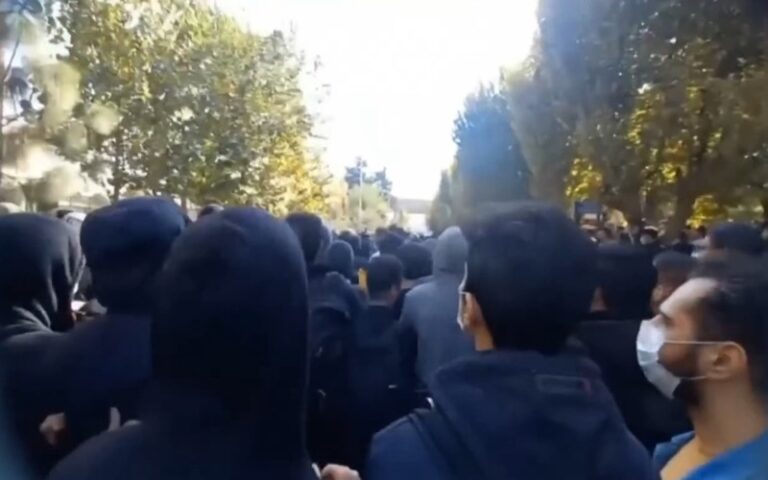
Coinciding with Student Day on December 7, student and labor activists in Iran emphasized that the student movement cannot be silenced and stressed the need to continue and intensify political struggles aimed at overthrowing the mullahs’ regime.
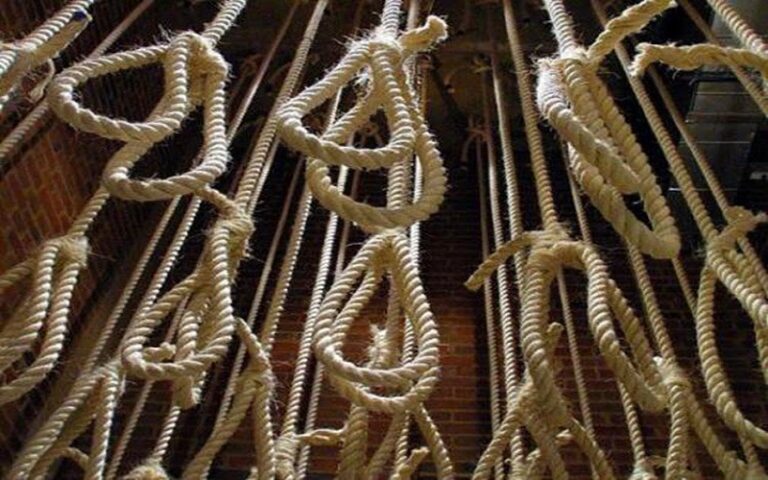
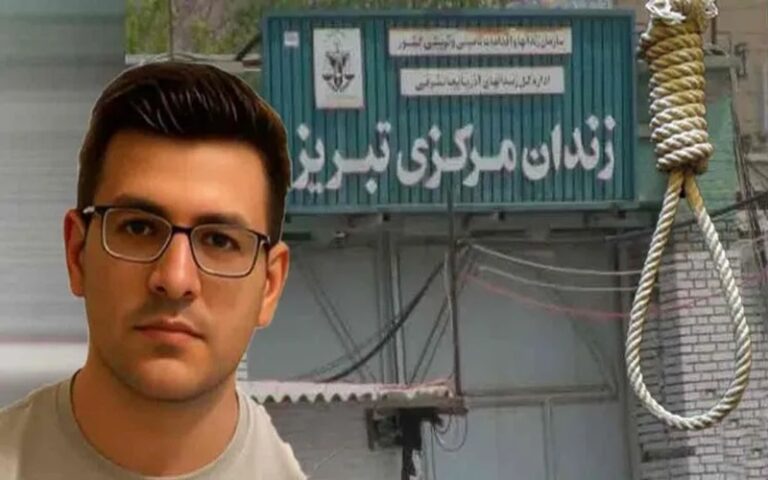
A group of students from Tehran University of Medical Sciences wrote in a statement published on Telegram channels: “The arrest of our classmates, including Pouya Ghobadi and Vahid Bani-Amrian, and the placing of Ehsan Faridi under a death sentence, is a symbol of the alarming situation that has disrupted the natural functioning of the university.”
UN Rapporteur Warns About Execution of Six Iranian Political Prisoners
They said: “We do not accept Pezeshkian (the president of Iran’s regime) on our campus. What does he want to come here to talk about? Student Day belongs to us, the students… Pezeshkian has no place at the university and has no right to use the university platform for his usual lies.”
The Islamic Students Association of Khajeh Nasir Toosi University reported last month that between September 2022 and September 2024, more than 5,000 disciplinary cases were opened in Iranian universities, of which around 500 resulted in final verdicts including suspension, loss of academic terms, educational exile, and expulsion.
Since its establishment in Iran, the Iranian regime has consistently arrested, tortured, or expelled students and professors who criticized the government.
Security and judicial crackdowns, along with disciplinary punishments against students, have intensified across universities in Iran since the nationwide protests following the death of Zhina (Mahsa) Amini in the custody of the morality police in September 2022 and the expansion of student protests thereafter.
Iranian Political Prisoner Sentenced to Death as Regime Authorities Force His Family Into Silence
Since then, numerous reports have documented coercive actions against students, including expulsions, suspensions, and academic bans.
According to reports, more than 12,000 students were arrested, suspended, expelled, subjected to educational exile, or stripped of their dormitory accommodation during the nationwide protests.
After the mullahs took power in Iran following the 1979 revolution, universities effectively became venues for political, ideological, and even personal purges by ruling authorities and regime loyalists against dissenting professors, students, and even university staff.
The regime sought to use organizations such as the Student Basij, Academic Jihad, the Office for Strengthening Unity, and the Supreme Council of the Cultural Revolution to systematically and deliberately purge and expel many independent or dissenting students and professors from universities, and to prevent any opposing voice from entering academic spaces.
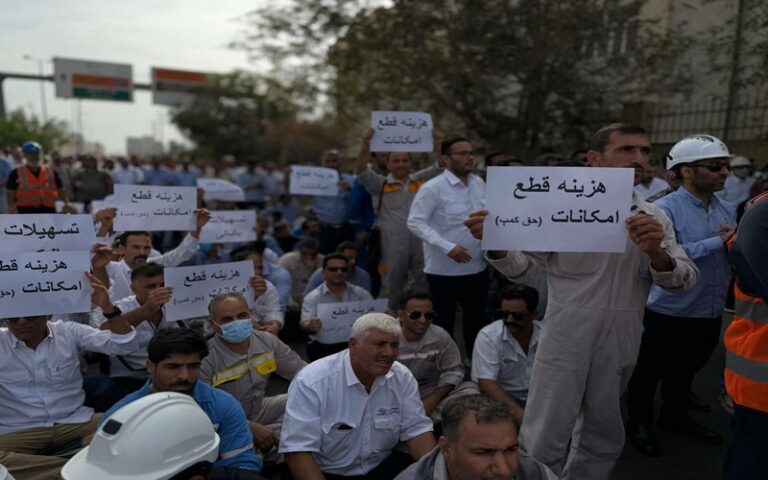
The student movement, along with workers, teachers, nurses, retirees, women, and others, has its own demands, many of which fundamentally overlap. The connection among these demanding and protesting groups is the Achilles’ heel not only of the Iranian regime but of all authoritarian and dictatorial systems.
“The student movement cannot be silenced”
The Retirees’ Union, a labor-based organization, wrote in a statement on Saturday, December 6, commemorating Student Day — marked annually by students since 1953 — that: “After the 1979 revolution, despite the systematic repression of the Cultural Revolution, the expulsions, the purges, and the attempts to control the university environment, the student movement has repeatedly shown that it cannot be silenced — not by closures, not by censorship, and not by creating an atmosphere of intimidation.”
The Retirees’ Union referred to the July 9, 1999, student protests, the 2009 protests, the student presence in the 2017 and 2019 uprisings, their “leading role” in the 2022 nationwide uprising, and dozens of other civil and labor actions, calling them “proof that this tradition of struggle is alive.”
This labor group added that despite the regime’s various measures to permanently halt the “heartbeat of the student movement,” students’ resistance “showed once more — precisely on the day when they thought the university no longer had the strength to protest — that the student movement is not only alive but, in these critical moments of Iran’s history, is once again demonstrating its capacity for renewal in the face of the current tyranny.”
The Retirees’ Union emphasized that students, alongside workers, women, teachers, retirees, and other social groups, are an inseparable part of the people’s struggle for a free, just, and humane society.
The Iranian regime attempts to sideline this leading segment of society by expelling dissenting students from universities and imprisoning them. Yet Iranian students, despite facing imprisonment, torture, and even execution sentences, have not abandoned their protests and have demonstrated their defiance at every opportunity.