


 AFP: The International Federation for Human Rights on Thursday raised the alarm over what it termed the deliberate denial of medical care to sick political prisoners in Iran.
Nicosia (AFP) — The International Federation for Human Rights on Thursday raised the alarm over what it termed the deliberate denial of medical care to sick political prisoners in Iran.
“Iranian authorities deny prisoners access to medical care on purpose,” Karim Lahidji, president of the Paris-based FIDH, said in a statement.
“They punish prisoners of conscience twice: first by arbitrarily arresting and imprisoning them, then by creating unbearable conditions of detention, including deprivation from medical treatment for sick prisoners, that aggravates further their bad health and physical conditions.”
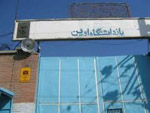
The FIDH said several prisoners held at Tehran’s Evin jail had written an open letter on Sunday to the Iranian judiciary head over a lack of access to adequate medical treatment and facilities.
It cited the example of Hamidreza Moradi-Sarvestani, a dervish website manager, whose arteries are blocked but who was sent back to jail from hospital before receiving open heart surgery.
The man, a member of the dervish religious minority, was reportedly jailed for 10 years and six months in July 2013 for “propaganda against the state”.
And women’s rights activist Bahareh Hedayat, serving a nine-year term imposed in 2009 on the same charge, “could be deprived from the possibility to have children, by denial of the right to pursue treatment out of prison,” said the FIDH.
The United Nations and several NGOs have regularly condemned Iran’s human rights record, especially over its repression of a protest movement after the disputed 2009 re-election of hardline president Mahmoud Ahmadinejad.
But the election of his successor, the moderate President Hassan Rouhani, in June 2013 has stirred hopes for change, especially after several prisoners of conscience were released last September.
But the UN human rights commissioner in February raised concern over the rising number of death sentences being carried out in Iran, especially of political prisoners and members of minority groups.


