Home Blog Page 262

Suicide Has Become Ordinary in Iran’s Society

0

Suicide is a function of a series of economic, social, political, and cultural issues in society. In Iran, everyone in the community is directly or indirectly affected by the coronavirus and its problems.

Sometimes children or the elderly are more likely to be harmed, although the damage is different, many social experts in Iran believe that the psychological effects of the coronavirus, such as suicide, are just beginning.

Although over the past one-and-a-half years, the coronavirus has affected psychological problems such as escalating violence, social isolation, domestic violence, and suicide, like many other events such as earthquakes, social cohesion is formed in times of crisis.

Unfortunately, in this period this cohesion is not formed, and we may imagine that in this situation society is alive and everyone helps each other, but the coronavirus not only causing a pandemic is also a social crisis and its effects on the people’s will become clear even after the pandemic crisis.

In recent times, Iranian society has been destroyed and the livelihoods of many people have been disrupted and social relations and occasions have been destroyed.

People’s resilience in society is decreasing and the level of social tolerance and tolerance of individuals has decreased too.

We need to consider that the coronavirus alone is not effective and on its own does not increase violence and suicide, but economic problems, inflation, and unemployment are also influential in these processes.

The Impact of Multiple Coronavirus Peaks on Suicide Rise in 2020

In 2020, the death toll from suicide increased compared to 2019, showing that the many peaks of the virus have had an impact on this statistic.

In the social emergency, during this period, the country is witnessing an increase in violence, indicating that the tolerance threshold of society is lower and that people who have a predicated incidence of suicide in the pandemic conditions of the coronavirus are deciding sooner to commit suicide.

If government policies fail to find a way to infuriate this collapsed situation, the country will certainly face many problems, as deaths from the coronavirus are not natural deaths, but a type of death involving economic, political, and government conditions.

It is famous that the western provinces of the country face more suicide cases due to poverty and the government’s discrimination than other provinces, but the latest studies made by the regime have revealed that the suicide center is changing from western Iran to the center and other parts of the country, including Kohgiluyeh and Boyer-Ahmad provinces, Bandar Abbas, Markazi Province, Gilan, Tehran and other regions such as North Khorasan.

If in the past there were some western areas of Iran witnessing suicides, now many parts of the country are involved.

Iranian women are more likely to commit suicide than other women in the world

Among women, approximately 71 percent of suicide victims are under 40, and among men, 80 percent are under 40. So, these statistics show that suicide is specific to the young people in Iran’s society, ranging in age from 15 to 40 years old. In Iran, as in the rest of the world, men commit more suicide than women, but compared to other countries in Iran, women are more likely to commit suicide than women elsewhere in the world.

Suicide penetration from the lower classes to the social classes with scientific expertise

Suicide from the lower classes of society, which had psychological problems, infiltrated the social classes with scientific expertise and this is a symptom of a crisis in society, and this is dangerous for society because these people are role models and references in society and these cases increase hopelessness and despair and death of social vitality.

Corruption in financial and administrative systems plays a major role in frustration and suicide

Corruption in the financial and administrative systems plays a large role in frustration and ultimately suicidal thoughts, where hope dies suicide will be raised. Where feeling good, philanthropy and advocacy die, suicide will replace it.

Iranian Government Impunity Overshadowed by Failed Nuclear Deal Negotiations

Regarding Iran’s nuclear deal, formerly known as the Joint Comprehensive Plan of Action (JCPOA), the Iranian policymakers have stated that in the face of pressure from Western powers, they are unlikely to resume negotiations.

The regime has the ultimate goal of obtaining a nuclear weapon, but meanwhile, it tries to drag its feet with the negotiations and use extortion to pressure the western power. The regime’s new President Ebrahim Raisi has underlined his government’s intention of pursuing the same nuclear extortion as his predecessor.

Following Raisi’s inauguration on August 5, within a month all of the ministers in his new administration had been confirmed by the regime’s parliament. Many of the influential government positions were given to candidates that he had handpicked himself. Many candidates are associated with the notorious Islamic Revolutionary Guard Corps, while others are currently under sanctions or international arrest warrants.

Iran observers opposite to the regime referred to the new cabinet as ‘the embodiment of four decades of mullahs’ religious dictatorship and terrorism’ and alluded to the notion that they will likely continue to plunder national wealth, expand their nuclear program activities and step up their acts of terror.

The appointment of Mohammad Eslami as the new head of the Atomic Energy Organization of Iran increases the expectations of stepped-up nuclear activities.

Eslami was sanctioned by the United Nations in 2008 for ‘being engaged in, directly associated with or providing support for Iran’s proliferation-sensitive nuclear activities or for the development of nuclear weapon delivery systems’.

Raisi, himself, holds responsibility for his role in the 1988 massacre. He was one of four officials chosen to be on a ‘death commission’ in Tehran which oversaw the massacre of 30,000 political prisoners in the summer of 1988, many of whom were members of or supported the People’s Mojahedin Organization of Iran (PMOI/MEK).

Last month, a virtual conference regarding the 1988 massacre was held by the NCRI. Among the participants were many Western experts of human rights and international law, as well as over 1,000 former political prisoners.

In speeches, those experts described how the religious edict underlying the massacre was clearly intended to prompt the execution of any adherent to a brand of Islam that is at odds with the regime’s theocratic fundamentalism.

British human rights barrister, Geoffrey Robertson, who has studied the massacre extensively, stated in his speech that according to the Genocide Convention, countries who adhere to it are obligated to take action against perpetrators who are known or suspected, to have committed genocide.

Since Raisi’s appointment to the presidential role, governments around the world have remained silent on the issue of impunity that is rife throughout the regime, leaving many regime officials free from being prosecuted for their crimes against humanity. By giving concessions to the regime and placing too much focus on the not-fit-for-purpose nuclear agreement, they have only managed to reinforce the regime’s impunity.

And while Raisi’s central legacy remains the 1988 massacre, the international community’s tacit embrace of his administration has implications for the full range of malign activities that stand poised to accelerate under his leadership.

Iran: The Alarming Livelihood Basket of the People

0

Compared to previous years, the Iranian government is looting the population more, at higher levels, and in new ways. So brutal that even the basket of the middle class has become empty, and the people are searching for their daily bread.

The low living standards, unemployment, and social problems caused by it and the inflation and other economic affairs have the main role in this situation and the truth is that the livelihoods of the majority of the society are critical.

We are now faced with the phenomenon that in addition to those who are in poverty or are below the poverty line, the middle class is getting worse day by day, and 90 percent of people in society are stressed by livelihood.” (State-run daily Resalat, September 1, 2021)

All the signs of Iran’s economy, such as the decline of the economic boom, are indicating that the welfare of the Iranian people is waning away.

Compared to the 2000s, the Iranian people are consuming less food and are paying more for goods such as meat, dairy, rice, and sugar. And that in a situation while after the attack of the coronavirus the health expenses are increasing but the incomes did not increase in line with the increase of the inflation.

The fate of the looted 100 trillion tomans is just a small example of this corruption as Massoud Khansari, Head of the Chamber of Commerce, said:

Of the approximately $15,000 billion in imports in the first four months of 2021, nearly one-third of that is related to the government’s currency. Thus, by the end of July, 100 trillion tomans of currency will be allocated to the basic goods in this way.”

Then pointing to the statistics of the statistic center that announced the inflation rate of basic goods at 58 percent during the same period he added:

“In this way, it is unclear what the 100 billion tomans brought for the economy other than the destruction of the economy rent-seeking and corruption.” (Hamdeli, September 1, 2021)

The inflation of the basic goods is saying the reality of the people’s situation and reveal the truth about the corruption in the government. Bread and grain with a 56 percent increase, fish with a 43 percent increase, milk, cheese, and egg with a 66 percent increase.

About the imbalance of the distribution of wealth and even the distribution of subsidies Masoud Mirkazemi head of the Planning and Budget Organization said:

“A few who have a favorable financial situation and have a lot of property win the largest share, but a rural person has a very small share of subsidies. “(Shargh, September 9, 2021)

While the government is thinking of cutting off the people’s subsidies, one of the MPs warned the government and said:

“In the current situation, the threshold for people’s tolerance about this issue is lower than the past days, and officials should pay special attention to this issue.” (Abolfazl Torabi, Etemad, September 8, 2021)

What officials like him are scared of is clear, a situation like the anti-government protests of 2017 and 2019.

The IRGC’s ‘Gold Mafia’ Is One of the Causes of the Economic Crisis in Iran

0

Iran is currently undergoing its worst economic period at the hands of the Iranian regime. The cause is widely considered to be a result of the corruption that is rife throughout the clerical dictatorship.

The state-controlled mafia controls the country’s imports and exports. One of these mafias is the gold mafia.

According to the Jahan-e Sanat daily, people working in the Jewelry field are aware of ‘the presence of an invisible mafia network’ but are reluctant to expose it for fear of losing their businesses.
They published a statement from the Chairman of the Cooperative Board of the Jewelry Guild, who said, “Unfortunately, the well-known groups have formed triangles in the Jewelry Guild that are in harmony with each other, and if an activist in this field does not coordinate with them or does not act according to their system, they hinder their work.”

Jahan-e Sanat explained that Iran has its own gold reserves, and its gold industry ‘is a long-standing art among its people’. However, the regime would rather import gold from other countries.

Iran was one of the world’s largest gold exporters. The organized mafia, connected to the Revolutionary Guards (IRGC), has practically stopped gold export and is importing gold on a large scale.

As a result of the regime importing gold, around 2,000 domestic jewelry factories in Iran have been forced to close. At the same time, the Iranian economy is freefalling at a considerable rate. In order to compensate for the budget deficit, the regime decided to start desperately printing banknotes which have caused subsequently caused inflation.

Globally, the Iranian currency currently has the lowest value due to the regime’s corruption and other malign activities. However, due to the declining value of the Rial and the levels of inflation, the prices of gold have risen due to the large quantities of gold being bought by investors. This has led to the IRGC, among other institutions owned by the regime, importing considerable amounts of gold to fund their activities.

As the value of imports and exports is linked to the value of a country’s currency, if there are more imports than exports, currency value goes into a decline, and vice-versa, more exports than imports boost the value. Regardless of this, the regime still continues to import gold from abroad.

A country’s demand for gold to meet the needs of government, consumers, investors, and industry can only be determined by offsetting gold imports by exporting gold.

In their publication, Jahan-e Sanat said, “The silent embezzlement of gold results in the unemployment of thousands of workers and their families. In the last one or two years, 1,800 workshops in this field have been closed, and no one has been held accountable.”

There is no surprise that like many other national resources in Iran, the IRGC heavily dominates the gold and jewelry industry. The regime has more than enough means to support Iranian citizens who are suffering from the economic pressures that the former has caused, but rather than rectify the problem, they would rather make pursuing malign activities their priority.

The state-controlled mafia is controlling people’s lives. As long as the regime stays in power, these mafias continue devouring Iran’s national wealth and ruing Iranians’ lives.

The Painful Reality of COVID-19 Vaccinations in Iran

0

The coronavirus outbreak officially started in Iran in February 2020, while signs of the outbreak were visible from a month before. According to the Director of the World Health Organization Medical Emergency Program, the situation of the coronavirus outbreak in Iran changed from white to yellow just in a month.

In March 2020, the regime’s then-President Hassan Rouhani said that the virus has spread in all provinces. In the middle of the same month, Iran was the second most involved country with the virus after China. This expansion trend has continued until today.

Despite this situation, the regime’s official not only tried to stop the expansion of the virus but used it as a tool to prevent the people’s protests with its help and the fear caused by it.

Because of this decision, more than any other country in the world Iran is witnessing continuously new peaks of the virus.

Now we are witnessing the darkest days in Iran, so bad that even officials are confessing the death toll has exceeded the death toll of the Iran-Iraq war.

The state-run Aftab News agency wrote on Friday, September 10, quoting Bahram Ainollahi, the regime’s health minister, “Today, unfortunately, due to coronavirus, we are witnessing bad scenes and 600 families are mourning every day, which is more than eight years of war with Iraq.”

Many officials are confessing that the real number is seven times more than the official statistics. The official death toll is now more than 110,000 people.

According to the head of Iran’s Red Crescent Karim Hemati, some 22.62 million vaccines have been imported. But out of this number, 4.45 million were donated by China and Japan.

The interesting part of the vaccines story in Iran is that many of its officials claimed that they would make Iran a pole in vaccine production while introducing about 7 kinds of vaccines, but what in reality happened is that now Iran has the highest mortality rate, and none of the domestic vaccines become operational.

The first vice president Mohammad Mokhber recently claimed that until the end of August the government would distribute 50 million doses of the Barkat vaccine, but this didn’t happen. Even such a thing was to happen in the coming months, no one would trust and use any of the vaccines because they do not have any international credibility.

Now the country is entering the sixth peak and since the start of the new government led by the infamous Ebrahim Raisi, about 17,000 people have lost their lives with an increasing trend.

Speaking about a disaster in Iran when entering the sixth peak, Mohamad Reza Mohbub Far, an expert in the field of health, said:

“The sixth peak of the coronavirus is now on its way, and if the current situation is not taken seriously, we will soon see a more terrible humanitarian catastrophe in Iran than the fifth peak.”

He added that now more than 70 percent of the people of the Middle East have been vaccinated.

Below is the latest situation of the vaccination in the Middle East at the time when is text was prepared:

  • Qatar; 67.46% of the two doses, 13.11% of the first dose, total: 80.57%
  • Turkey; 41.62% of two doses, 12.85% of the first dose, total: 54.47%
  • Bahrain; 63.34% of the two doses, 3.27% of the first dose, total: 66.61%
  • Jordan; 26.89% of two doses, 5.99% of the first dose, total: 32.88%
  • Lebanon; 14.93% of two doses, 3.65% of the first dose, total: 18.58%
  • Oman; 15.58% two doses, 26.64% first dose, total: 42.22%
  • Palestine; 8.43% two doses, 4.28% first dose, total: 12.71%
  • Saudi Arabia; 36.38% of two doses, 25.20% of the first dose, total: 61.58%
  • United Arab Emirates; 74.10% of the two doses, 10.10% of the first dose, total: 84.20%
  • As for Iran; 5.22% of the two doses, 13.25% of the first dose, total: 18.47%

Iran’s Nuclear Program Is Shrouded in Mystery

With the latest tensions between the Iranian government and Western countries on the side of the Board of Governors of the International Atomic Energy Agency, it remains to be seen where the Iranian government’s nuclear case will go.

Tensions over Iran’s nuclear program escalated after the release of two classified IAEA reports and after it was announced that the Iranian government had qualitatively restricted IAEA inspectors’ visits to sites.

The French and US Foreign Ministries issued warnings to the Iranian government, and the Iranian government reciprocally called the IAEA’s actions ‘disruptive’ to the negotiations, stating that it was seeking negotiations for a result, not negotiations for negotiations.

The certainty of these words of the Iranian government expresses its inability to withstand the crushing pressure of international sanctions, but what we are witnessing in practice is not a step towards reducing the number of violations of the Joint Comprehensive Plan of Action (JCPOA) agreement by the Iranian government but increasing it.

Nevertheless, as Iran is violating the JCPOA, otherwise known as the 2015 nuclear deal with world powers, and is expanding its nuclear program, member states of the Board of Governors and world powers are expected to issue a resolution against the Iranian government next week’s meeting of the Board of Governors.

This has frightened the Iranian government, prompting Kazem Gharibabadi, the government’s permanent representative to the IAEA, to announce that ‘we hope rationality will prevail at next week’s meeting of the Board of Governors.’

Russia mediates over Iran’s nuclear program

Meanwhile, Russia’s representative to the UN, Mikhail Ulyanov, who is also chairing the Vienna talks, said that it was better for the Iranian government and the IAEA to resolve their differences and that the Board of Governors did not need to take action.

Ulyanov’s remarks come at a time when, despite the IAEA’s insistence, the Iranian government has not only taken any constructive steps to resolve its disputes with the IAEA but has intensified its conflicts with the international body.

US dual policy on Iran’s nuclear program

In addition to Russia’s position, the United States has in recent days adopted a relatively dual policy regarding the Iranian government’s nuclear program.

On the part of the US, Secretary of State Anthony Blinken recently announced that the process of Iran’s nuclear program is approaching a point where a return to the JCPOA will no longer meet the expected benefits, and implicitly threatened the Iranian government.

But on the other hand, US State Department spokesman Ned Price immediately responded that the United States still wants a quick resumption of the Vienna talks and that Washington is not at a stage where it wants to leave the talks.

While adopting these dual policies in complex international cases is not surprising, the performance of the Iranian government, which has repeatedly violated the provisions of the JCPOA since the end of the sixth round of negotiations, has certainly led the United States and its European allies to escalate the conflict. A solution other than the Vienna talks will be to resolve the dispute over Iran’s nuclear program, meaning that the debate is only about time and not its process.

US-Russia consultations on Iran’s nuclear program

At the same time, despite the conflicting positions of the United States and Russia on some aspects of Iran’s nuclear program, consultations continue.

In this regard, Robert Malley, the US Special Representative for Iran, who is chairing the US delegation to the Vienna talks, paid a visit to Moscow on Thursday, September 9, meeting with Sergei Ryabkov, Russia’s Deputy Foreign Minister, to discuss the JCPOA talks, describing them as positive and constructive after the consultations.

Request for a resolution by the Board of Governors against Iran’s nuclear program

Simultaneously with these developments, some politicians in the United States demanded that the Iranian government be reprimanded by a resolution of the IAEA Board of Governors.

Sen. Jim Rish, a member of the US Senate Foreign Relations Committee, called on September 9 that the IAEA Board of Governors should reprimand Iran for what it called ‘non-cooperation’ with the IAEA’s investigation and obstruction of its oversight activities.

Threat to prevent the Iranian government from becoming nuclear

Beyond all the consultations and statements that are being made about the Iranian government’s nuclear program, one issue should not be overlooked, and that is the threat posed by Israel to the Iranian government.

In recent months, there have been deterrent attacks attributed to Israel to the Iranian government’s nuclear facilities. In the latest example, after increasing tensions and the growing development of the Iranian government’s nuclear program, Israel’s foreign minister threatened for the second time that if the world did not prevent Iran from becoming a nuclear power, we would take action ourselves.

This worries the Iranian government because it has so far shown little to say in the face of Israeli threats.

Recent comments on the Iranian government’s nuclear case

However, the latest comment on Iran’s nuclear program concerns the Iranian foreign minister, which was made clear on September 10.

In a conversation with UN Secretary-General Antonio Guterres on Thursday, the Iranian foreign minister called for the negotiating parties to come to Vienna with a ‘realistic understanding.’

Although Amir Abdullahian did not make a direct reference to the Iranian government’s decision to return to the Vienna talks and its possible timing, behind his remarks lies the fact that the Iranian government seeks to lift sanctions at all costs.

But what is on the other side of the table undermines the Iranian foreign minister’s ideas and demands, as the result of six rounds of Vienna talks with explicit statements by US officials against the lifting of all sanctions is that if the Iranian government complies with all the provisions of the JCPOA 2015 and do not return to them, it will not lift any sanctions, and so far this claim has been proven to be true.

This is now becoming a start while the western power seeks to push a new agreement to the regime’s desk including the regime’s missile program, human rights violation, and its regional ambitions, which has become famous as the JCPOA+, a program that the European countries are more serious about in its implementation.

Iran Drug Mafia: 80 Percent of Drugs Are Not Observable

0

As the spokesperson for Iran’s Anti-Trafficking Headquarters has recently said, out of the 34 trillion tomans of the annual turnover of the drug in the country, about 25 trillion tomans, which is equivalent to 80 percent, is not observable and there is no control over its distribution, and this is creating extreme losses for the country’s economy.

The main holes of this leak are the drugstores, the hospitals, and the supply, distribution, and consumption network.

However, as the healthcare officials said if the information about the drugs were recorded in the Titak system, the withdrawal of the drugs from the network does not happen that easily.

But it seems that the deputy of health has no interest in cooperating to record the distribution of the drugs in the Titak system which is raising the skepticism that the health ministry is easing the way of drug smuggling. This skepticism is affirmed because the health deputy is showing no interest to join the meetings to investigate the drug leakage.

The drug mafia and the golden signs are an old story in Iran and looking to the past its trace is visible. For a long time, ago Nasser Khosrow Street is the black market for smuggled and fake drugs which has become the last hope for patients who cannot find their drug in any drugstore.

And none of the officials are denying this event while most of these are fake and endangers the people’s lives. As Saeed Namaki, former minister of health emphasized and unveiled the corruption in the Food and Drug Administration and the existence of drug mafia and golden signatures, widespread violations in the support system of the Food and Drug Administration (Titak). A system that Namaki later claimed that they must make reforms in it, but this did not happen.

Now Mohammad Reza Dehghaninia confessed about the drug mafia and corruption and said: “Currently, only about 6.5 trillion tomans of medicine are monitored due to registration in the Titak system, but about 25 trillion tomans are not observed and it is possible to get these items out of the chain.”

The roots of this widespread corruption can be found in the Food and Drug Administration (Titak) support system, which, according to Mohsen Jalavati, deputy managing director of the NGO Transparency Watch, is possible to manipulate and import the desired information to it, so that even those who do not receive the 4200 tomans import currency has been able to get the currency by importing banned drugs.

The surprise is that this system is in the hands of the so-called private mainly controlled by the Revolutionary Guards (IRGC), and the regime’s health officials have no control over it.

Another system that is helping the smugglers and this corrupt drug chain is the country’s custom controlled by the IRGC. Seyed Heidar Mohammadi, Director General of Drug Affairs under the control of the Food and Drug Administration said that the custom never accepted to give the inventory information of the goods which are stored in the public depots to the specialized institutions such as the Ministry of Health, Ministry of Agriculture Jihad, Ministry of Communications and Ministry of Industries and Business.

Iran’s Banks Are a Major Source of Corruption

0

The main job of the banks in Iran is money laundering and circumventing the global sanctions in favor of the supreme leader’s goals, Iran experts say.

And how they are completing this target is by robbing from the people’s pockets to fill the government’s budget deficit hole. Of course, at the cost of the large interest, they receive from the government.

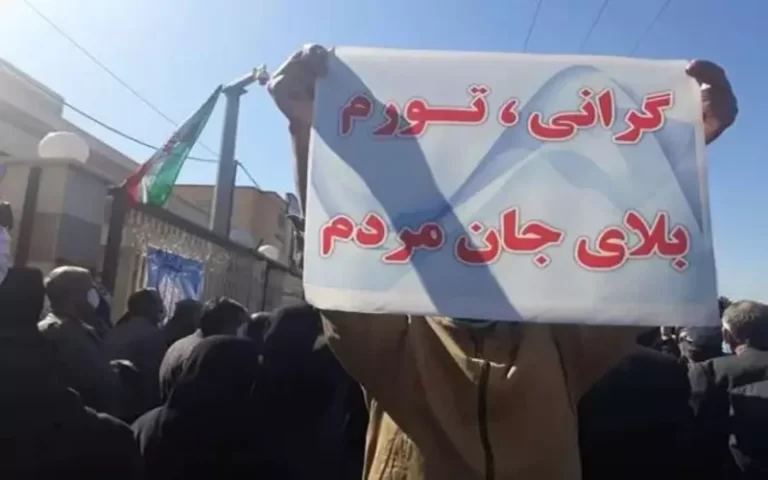
The protests of the people in front of the banks speak volumes about this situation. And this reality has been reflected even in the reactions and the speeches of the officials.

Ehsan Khandouzi, the economy minister, on August 31 while criticizing the banking system said: “The banking system prefers the collateral of the rich to the poor. And it cuts financial resources from those who need it most. Because, as a rule, those groups do not have the necessary documents to obtain facilities. The current form of the banking business is not only indifferent to inequality, rich and poor but it can be said that it prefers the rich to the poor.”

Unfortunately, he fails to reveal the real identity of those 10 percent which are the regime’s elements and officials who are preferred to the 90 percent, which are the people, by the banking system.

He does not say that while according to the government’s statistics center, the number of homes in the country is almost equal to the number of households, why should more than half of the Iranian households be tenants. And many are becoming homeless such as the cardboard sleepers, the grave sleepers, and finally the rooftop sleepers.

He does not speak about the role of the banks in the housing crisis. More importantly, what is the share of the regime’s leaders and repressive institutions in the banks? From the police force to the Revolutionary Guards, the Basij, the army, and the infamous Ministry of Intelligence, in addition to those with their independent banks, they share many banks.

Ahmad Naderi, an MP, on September 1, in an interview with the state-TV Channel One, said: “Yes, some of the briberies were approved and became public. For example, a bag full of (gold) coins was given to the former director-general of the Central Bank. And there are many such examples.”

Again, this official does not reveal the rest of the corruption by the officials, too. To have a vision about the amount of corruption and looting in Iran, it is enough to mention the speeches of Agha Ali Eslami, one of the first commanders of the regime’s terrorist IRGC Quds Force, as he in a gathering called ‘Islamic Banking’ said:

“Iran’s national net income growth in 2020 has decreased by about 34% compared to 2007. Iran’s GDP is currently $300bn.”

In this way, such a devastating reduction, or better said looting and destruction, provides a clear vision of the amount of looting in more than four decades of the disgraceful rule of the mullahs, while the banks had the leading role in this loss.

Iranian Citizens Political Confidence in Government Is in Rapid Decline

0

Earlier this week Iran’s state media published acknowledgments of Iran’s current crises and warned Iran’s government of the reactions of frustrated Iranian citizens.

The state-run Setare-Sobh daily wrote on September 6 that Iran is currently facing a large shortage of vaccines, with many large vaccination centers being closed. Those that are still open only have enough stocks for the first doses of the Covo-Barakat vaccine.

Hamdeli daily said, “While we were discussing the matter, other countries built and exported vaccines. They succeeded in reducing the Covid-19 fatalities, and the life [in those countries] is close to becoming normal as before the pandemic. Yet, we thought we would produce 50 million doses of Covid-19 vaccines by September.”

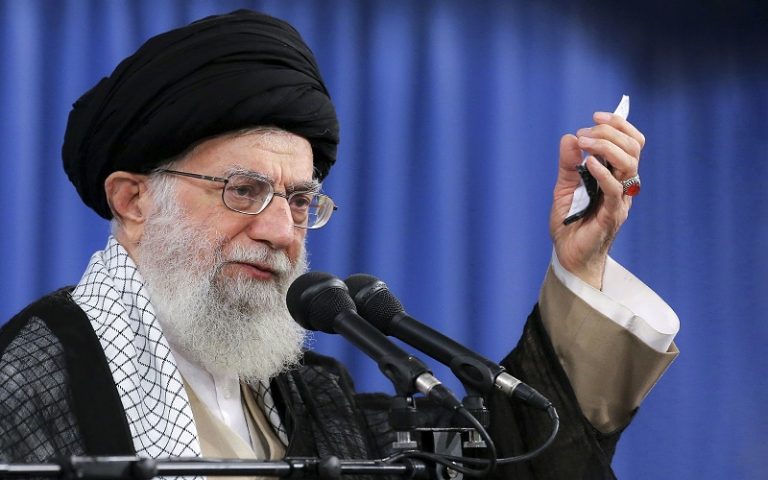
According to the Iranian opposition, over 412,700 people have died as of September 8. The Iranian regime supreme leader Ali Khamenei banned credible Covid-19 vaccines in January 2021 and persisted in producing the so-called domestic vaccines.

By banning the vaccines from abroad, Khamenei persisted in the production of domestic vaccines as many financial institutions in charge of producing and distributing them are under his supervision. One such institution is the Execution of Imam Khomeini’s Order (EIKO) which is at the center of Iran’s economic power.

State-run daily, Jahan-e Sanat wrote on September 8 that regime officials have killed thousands of infected people with their ‘false promises and deadly mistakes about providing the required vaccine and neglecting the vital precautions in controlling the coronavirus’.

Iran’s economy is plagued with crises, such as inflation and skyrocketing prices. The regime’s new president, Ebrahim Raisi, has only given hollow promises to resolve these issues. The regime’s inability to address economic crises and Raisi’s hollow promises were also a subject discussed in Iran’s state media in recent days.

The Resalat daily reported that the regime will face a budget deficit of 400 trillion Tomans if Raisi continues with the plundering policies of the regime’s previous governments.

Increasing dairy prices for households mean that such items are, on average, 57.1 percent more expensive compared to last year, according to the Setare Sobh daily in reviews of the regime’s statistics center reports.

The two previous major Iran protests in 2018 and November 2019 are testaments to the explosiveness of Iranian society. The nationwide boycott of the regime’s sham parliamentary and presidential elections also shows that the regime is illegitimate.

Published by the state-run Etemad daily on September 6, their article outlined that the ‘reducing political trust’ and ‘the downward trend of social capital’ are some of the challenges that the regime is currently facing. The low voter turnouts of the 11th parliamentary election and the 13th presidential election have thus confirmed just how the Iranian peoples’ confidence in the regime has declined rapidly.

While Iranians suffer from poverty and the Covid-19 crisis, the regime continues its malign activities and spreading terrorism under the pretext of helping other nations.

Iran: Social Collapse or a Ticking Timebomb Waiting To Explode?

“The totalitarian attempt at global conquest and total domination has been the destructive way out of all impasses. Its victory may coincide with the destruction of humanity; wherever it has ruled, it has begun to destroy the essence of man.” (Hannah Arendt)

‘Destroying the essence of man…’, this is what is happening now in Iran under the totalitarian rule of the mullahs. Experts describe Iran’s clerical leadership as enemies of freedom and the main source of global fundamentalism, which has now destroyed the entire Middle East, especially over the past 40 years. As an example, the origins of what we are now witnessing in Afghanistan is not in this country itself, rather it stems from Iran.

Having a look at this picture will explain everything. The question raised here is what are we witnessing in Iran? The answer is simple: social collapse. And what is the social collapse? The death of morality and the rise of modern slavery by destroying the identity.

Iran’s state broadcaster and state-run websites and media, Friday prayers leaders, the Revolutionary Guards and the Basij, its government, and finally the supreme leader are nothing but a mixture of ideological vulgarity and moral decay, dissidents say.

All the political and economic efforts of the mullahs’ Islamic system are to spread this ideological vulgarity and morality death into the deepest level of the social life. The goal, however, is to neutralize all impulses, energies, and kill the hope of change.

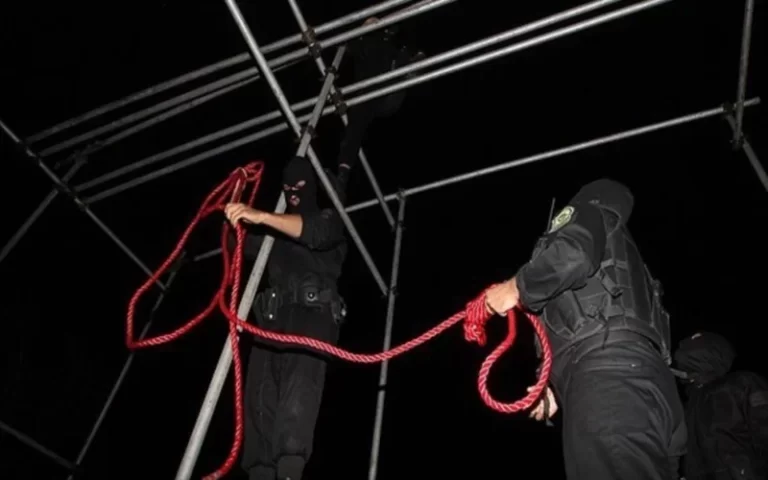
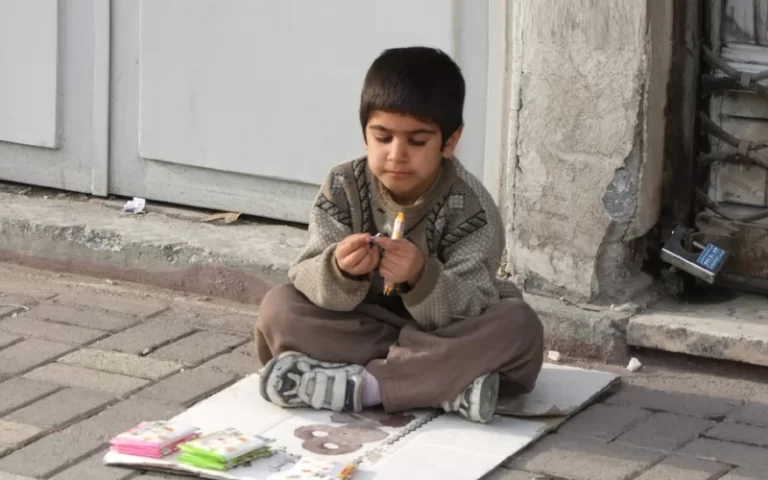
Getting people used to watch street execution scenes, getting used to the growth of poverty, becoming indifferent to each other, promoting numbness in the face of political and economic corruption of the ruling class, getting used to organ sales, getting used to garbage collectors, getting used to homeless people, getting used to not realizing their demands, etc., this is the macro policy of Iran’s regime.

The goal is to neutralize the human conscience and morality by repeating these habits. The goal is to kill the shame that is one of the most transcendent senses of man so that the continuation of domination, tyranny, and exploitation is effortlessly guaranteed.

The social collapse in occupied Iran by the mullahs is so openly advanced that even its state media point to this catastrophic event.

“Iran is suffering from a social collapse. The alarm is ringing where the collapse exceeds 50 percent and enters a critical phase where I believe our society is in this situation.

“One of the big signs of social collapse is when we see someone leaning down to the waist inside the trash can and passing by. The more people feel helpless, submit, think about their livelihood, or wait for the savior, the collapse in that society is much more.” (State-run daily Hamdeli, on September 7, 2021, quoting a social expert.)

The only barrier that has stopped Khamenei and his system from gaining full supremacy and inevitably turning to the policy of contraction and the selection of a criminal and mass executioner as the president is the existence of a vigilant resistance, along with a resilient and rebellious people who have read the mullahs’ hands and responded with several uprisings over the past decade.

It can be said that the mullahs are not able to kill the hope for a free and democratic Iran.