

By Jubin Katiraie
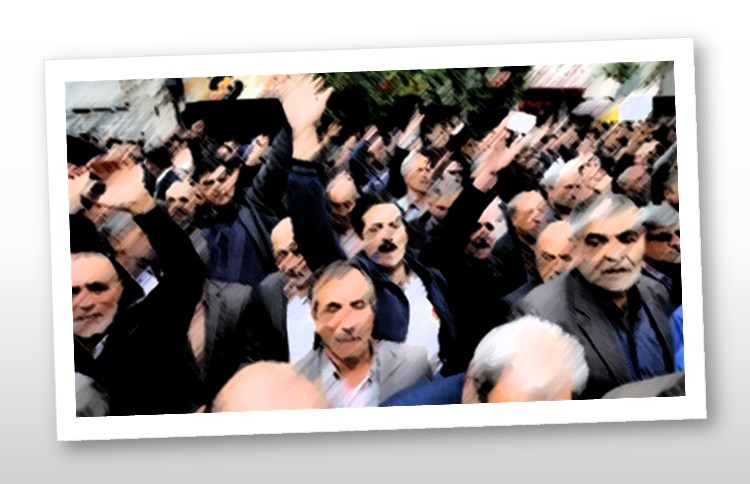
Iran saw an increased number of large protests over the past few days with people from all occupations and social classes demanding their rights.
By Jubin Katiraie
Iran saw an increased number of large protests over the past few days with people from all occupations and social classes demanding their rights.
By Pooya Stone
Recently, the Central Bank of Iran (CBI) acknowledged its goal to reduce the inflation rate to 22 percent in the current year. In other words, it intends to reduce the 41-percent inflation, which was announced in March, by 20 percentage points.
By Pooya Stone
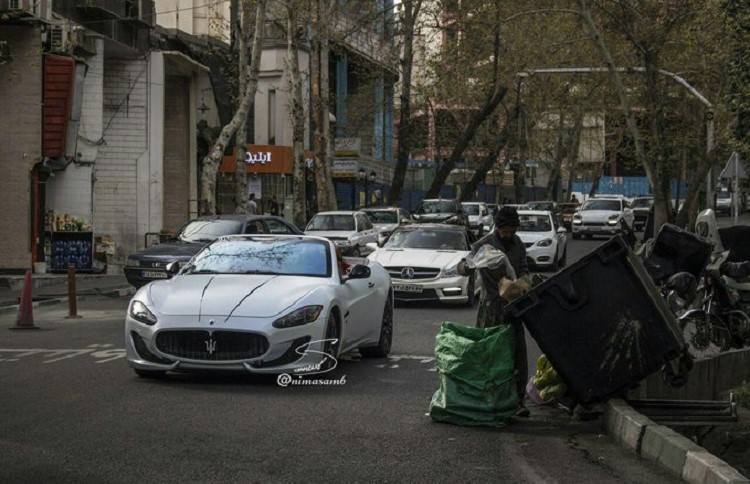
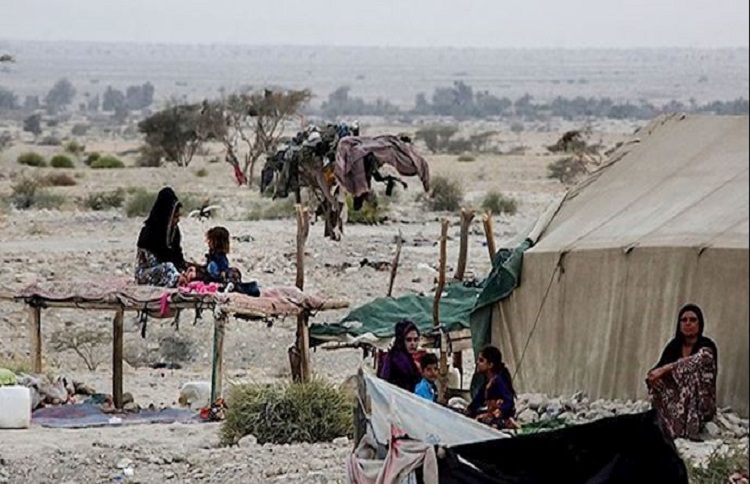
In Iran, the gap between economic classes is widening every day. A few citizens with close ties with the government are becoming richer as the rest of the society is rapidly moving below the poverty and misery lines. Due to the government’s economic failures and systematic corruption, poverty and high prices continue to grow.
By Jubin Katiraie
Iran’s economy is getting smaller and sinking into a quagmire as the ayatollahs persist on their costly provocative projects like testing ballistic missiles and illicit nuclear activities.
By Jubin Katiraie
Iranian state media these days constantly carry news about the officials admitting to the crimes and the corruption by the regime’s elements.
By Pooya Stone
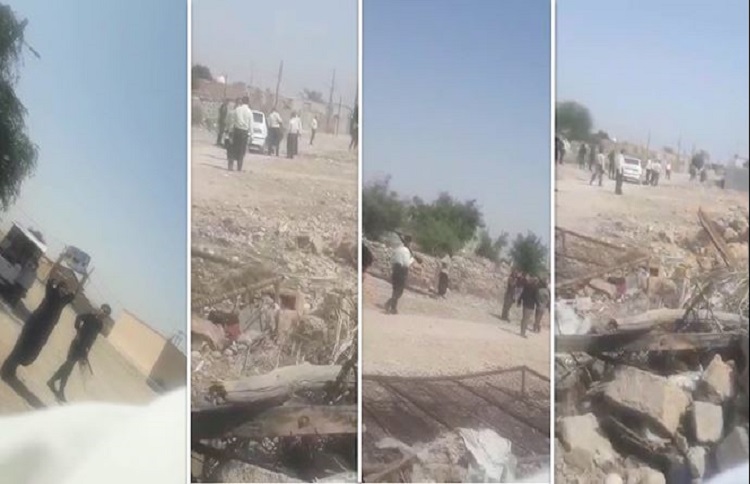
One of the crimes of the Iranian government in recent years has been the destruction of homes of poor people, who are not able to buy or rent any place for living.
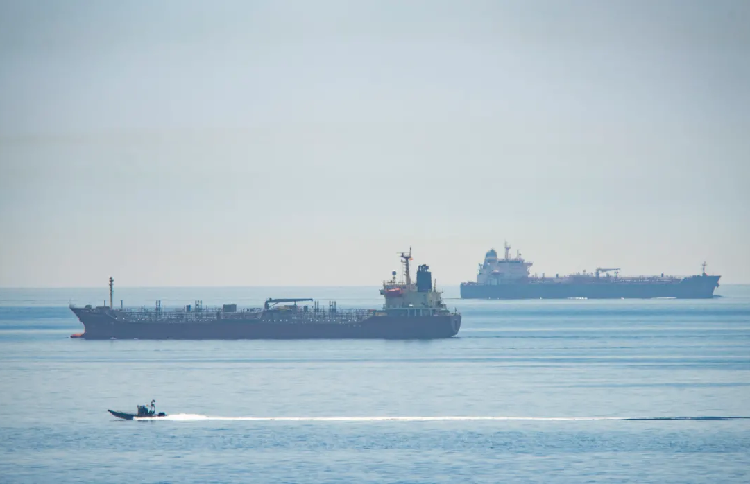
On March 23, the first Iranian tanker flotilla carrying 43 million liters of gasoline and refinery equipment departed Bandar Abbas port in southern Iran toward Venezuela. It was supposed to arrive at Venezuelan state-run PDVSA’s ports on May 24, after a 14,000-kilometer trip within 45 days.
According to its schedule, Iran’s first oil tanker must remain in the Venezuelan ports till four other tankers join it through the same marine route. The total value of these gasoline shipments is $45 million, which has previously been paid with gold bars.
Evidence shows that the decision-makers of this adventurous naval voyage of Iranian flotillas are not ordinary individuals or entities. Given the political and international consequences of this act, an organization with extrajudicial power is improving this mission.
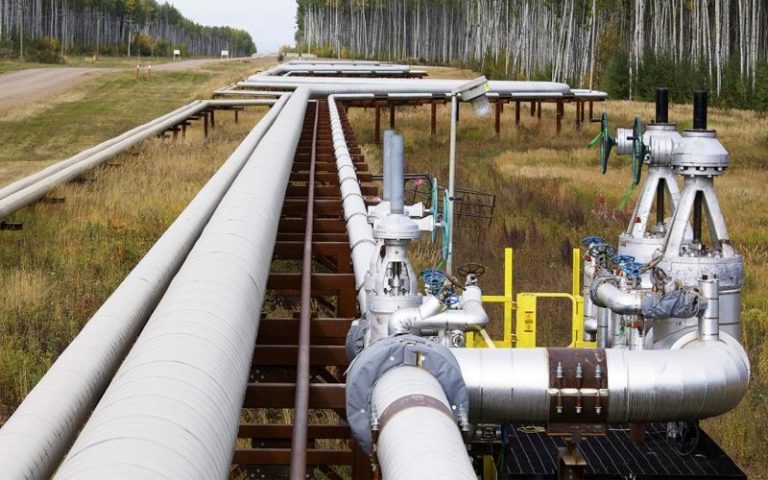
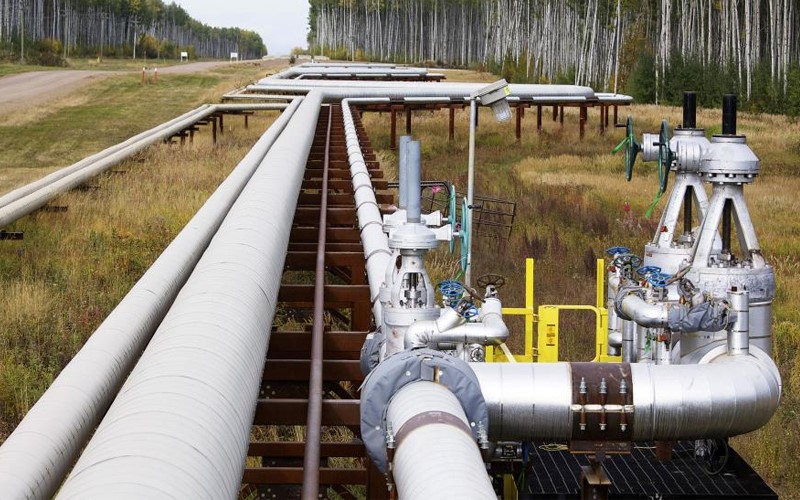
Furthermore, Iran’s Revolutionary Guards (IRGC) is the most important shareholder in the Iranian oil industry. According to official sources, institutions affiliated with the IRGC controls most refineries, wells, and wharves in Iran’s oil-rich provinces. In this respect, this voyage is directly connected with the IRGC’s interests, which is a key player in Iran’s political and economic scene.
On the other hand, the IRGC manages the most important gasoline refinery in Iran. The outbreak of the coronavirus along with international sanctions contributed to a decline in requests for gasoline. In such circumstances, Iran’s influential figures, who are generally veterans and retirees of the IRGC, looked for a customer due to money shortage and surplus gasoline that was difficult to store.
“The first phase of the Setareh Khalij-e Fars refinery with the 360,000-barrel gas condensate capacity has been put into operation,” IRNA news agency quoted Ebadollah Abdollahi, the head of the Khatam al-Anbiya Construction Headquarter, as saying on April 30, 2017.
In the exploitation ceremony of the refinery’s first phase, Abdollahi said, “The operation of refinery’s first phase enables us to daily produce 12 million liters of Euro-4 gasoline, 4.5 million liters of Euro-4 diesel, 1 million liters of Euro-4 kerosene, and 1.3 million Euro-4 of liquefied petroleum gas (LPG).”
He added, “Iran will join the league of gasoline exporters with complete exploitation of the Setareh Khalij-e Fars refinery. In addition to cutting off gasoline imports, we will be able to export this product and increase domestic fuel quality. The country’s gasoline production will reach more than 100 million liters per day by producing 36 million liters of Euro-4 and Euro-5 gasoline.”
According to Iranian media outlets, there is an argument over the project’s advantages between the Hassan Rouhani administration and the IRGC. However, the IRGC seems to be able to push the administration back regarding the recent pressures on President Rouhani and his failure in political and economic sectors, especially in containing the coronavirus disease.
“The Setareh-e Khalij-e Fars, honor of one base [referring to the Khatam al-Anbiya Headquarters] in two administrations. Politicians! Do not take a memorial photo, please,” Tasnim news agency affiliated with the IRGC-Quds Force wrote on April 23, 2017.
However, the main problem is a large volume of gasoline that has no customers neither inside the country nor abroad. Also, the IRGC cannot bear the results of shut down the refinery. Given the depots are full, it is unable to store more gasoline.
“Due to the outbreak of the coronavirus and a decline in a request for gasoline, consumption in the country was halved and is down to around 50 million liters per day. Therefore, we’re faced with a surplus of gasoline. On the other hand, our storage tanks are also being filled. In this respect, the option of gasoline exporting to Venezuela was accompanied by appropriate economic advantages in addition to consolidating the political relationship between two countries,” Miz-e Naft website quoted Mohammad Ali Khatibi, the former director of international affairs of the National Iranian Oil Company, as saying on May 26.
Read More:
Iran Exploits Venezuela’s Crises
Earlier, Oil Minister Bijan Zanganeh affirmed that Iran’s gasoline tanks are full and there is no place to store gasoline. Also, the Organization of Petroleum Exporting Countries (OPEC) reported that in April, Iran’s capacity for oil refining has decreased by about 120,000 barrels per day compared to March.
“Iran is also seeing a drop in gasoline use because of the coronavirus outbreak, said analyst Sara Vakhshouri of SVB Energy International, compounding the impact of sanctions on supply. ‘Iran’s oil production has dropped to below 2 million BPD,’ she said. The survey average put Iranian output at 2.02 million BPD, down 70,000 BPD,” Reuters reported on March 31. Notably, domestic gasoline consumption is estimated at around 1.8 million crude oil BPD.
Furthermore, given the spread of the coronavirus in different sectors like hygienic and therapeutic areas, and unprecedented recession in financial activities, the domestic gasoline consumption in March dropped from 65 million liters per day to 49 million liters in April. All these facts show the government’s shortage of monetary sources.
Iranian officials, of course, should have made efforts to avoid intensifying the unbearable crises of the country. Particularly, while they have been pushed on the brink of collapse due to their isolation in the region and the world. However, they suffer from a most hazardous problem, which has coerced them to leave preemptive calculations.
The gasoline production chain at the Setareh Khalij-e Fars refinery is connected to the production of gas condensate from gas extraction from South Pars oilfield. In this respect, the South Pars complex will be glued in many problems if it cannot deliver condensate to the refinery. This issue will impose considerable financial disadvantages.
“Due to sanctions Iran cannot export gasoline like the past and faces surplus fuel production. The country also cannot store excess gasoline and has to sell it. The Setareh Khalij-e Fars refinery produces a large amount of gasoline, and gas condensate must be used to produce gasoline. Now, the South Pars complex will contract difficulties to extract gas condensate if the refinery cannot produce gasoline. This issue can even disrupt the production of gas condensate,” BORNA news agency quoted as energy expert Nersi Qorban as saying on May 26.
Additionally, Iranian authorities face a downfall in petrol or non-petrol exports. They also owe billions of dollars to different institutions. For instance, in its May 25 report, the research center of the Iranian Parliament (Majlis) announced that the National Iranian Oil Company (NIOC) owes $34 billion to the country’s banking system including the Central Bank of Iran (CBI).
Also, China’s Customs Office has declared that the value of Iran’s petrol and non-petrol exports to this country has declined from $6 billion in March 2019 to $2.34 billion in March 2020.
The systematic corruption, nepotism, and costly foreign policies are the main reason for ruining Iran’s economic sectors, including the oil industry. In this condition, government apparatuses still attempt to circumvent global restrictions rather than refrain from their horrible policies, which have imposed difficulties on Iran’s ordinary people.
However, the Iranian people have grasped the weakness and inability of the government. In this respect, as they spontaneously aided impoverished people amid the coronavirus crisis, it is expected that they take the wheel in economic affairs and rescue their country after bringing down the ayatollahs and the IRGC who are the first responsible for 41 years of economic failures.
Read More:
Under Sanctions, Iran Is Fast Losing Its Share of Non-Oil Export Markets
By Pooya Stone
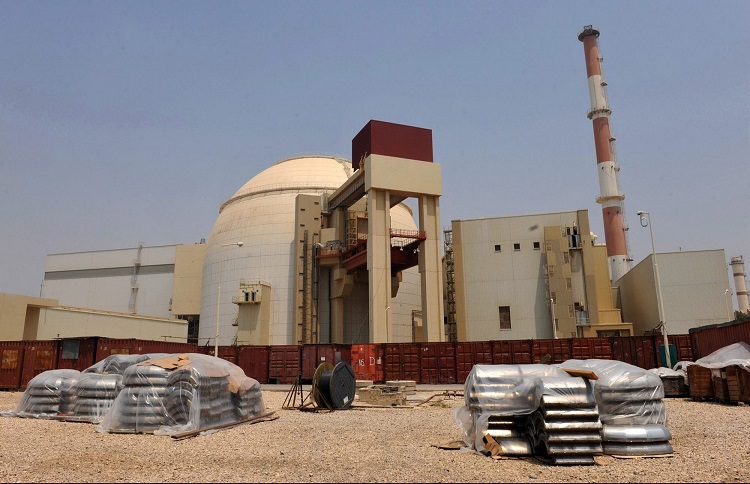
The United States’ State Department has now announced the end of the sanctions waiver that covers all Iranian nuclear projects created under the Joint Comprehensive Plan of Action (JCPOA) and sanctioned two Iranian nuclear officials in a statement on Wednesday.
By Jubin Katiraie
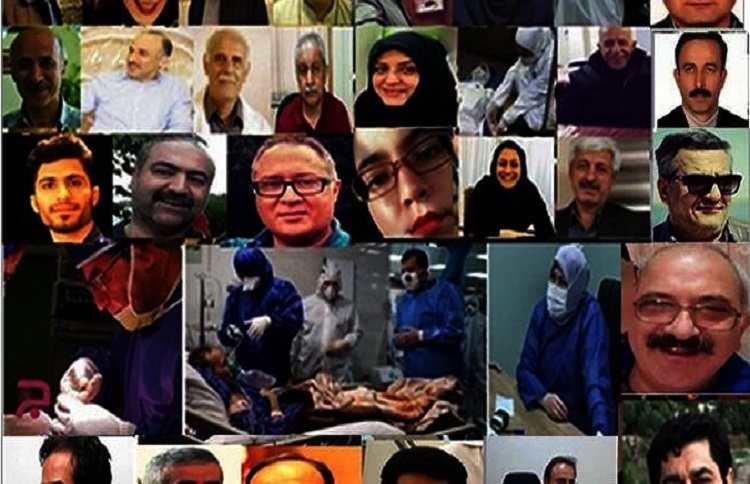
Some 38 medical workers were fired in one southwestern Iranian city after they held a protest rally to demand their wages that had not been paid for three months.
By Pooya Stone
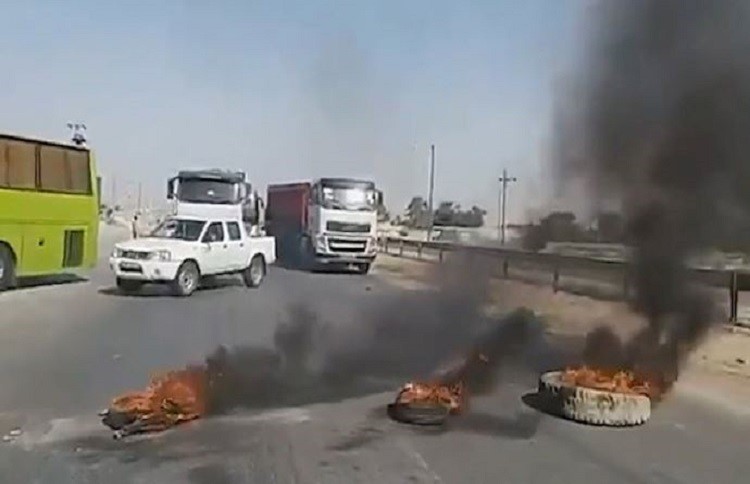
Following the protests of the oppressed and poor people of Gheyzanieh in Ahvaz to the water lack and the rise of popular anger and hatred because of the brutal repression of the people’s protests on this subject, government officials and state media confess about the suffering and the anger of the people and express their fears about the possibility of the expansion of the protests.
