The Most Stringent Restrictions on Women’s Rights in Iran

Iran Focus

London, 6 Jan – Some of the most powerful media coverage surrounding the protests against the Iranian Regime are of ordinary Iranian women defying the chauvinist laws of the Regime whilst protesting the Regime as a whole.

Amnesty International provided a details report on severe restrictions on women’s rights in Iran.

British Labor Politician: Change UK’s Iran Policy

0

Iran Focus

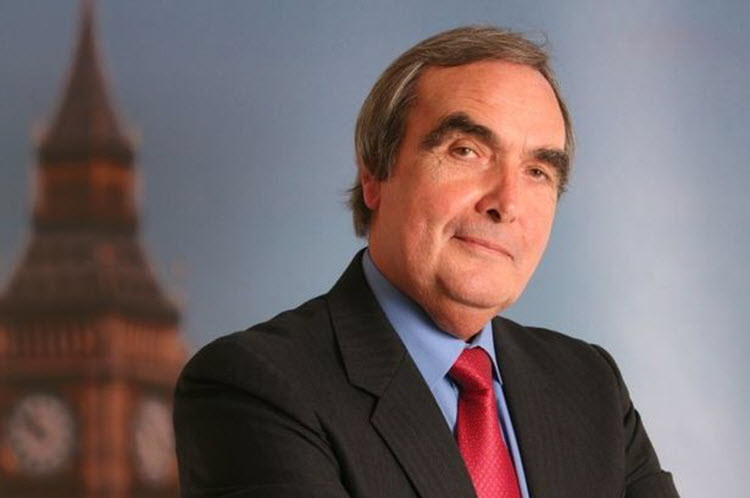
London, 6 Jan – January 5, 2018. Roger Godsiff MP calls on the government to sanction the IRGC because the “hard-line paramilitary force” is not a legitimate security force of the Iranian nation. His article titled: “Roger Godsiff MP: Change UK’s Iran Policy and stpp feeding the mouth that bites us.” The article is as follows:

In late October, I sponsored a motion in the British Parliament, along with colleagues from other political parties, urging the government to recognize the Iranian Revolutionary Guard Corps (IRGC) as a terrorist organization and to designate it as such. The motion also called for appropriate punitive measures, including comprehensive economic sanctions, and for the pursuit of a strategy aimed at expelling IRGC operatives and counter destructive Iranian influence in other areas of the Middle East, chiefly Syria and Iraq.


What the US Should Do in Response to Iran Protests

Iran Focus

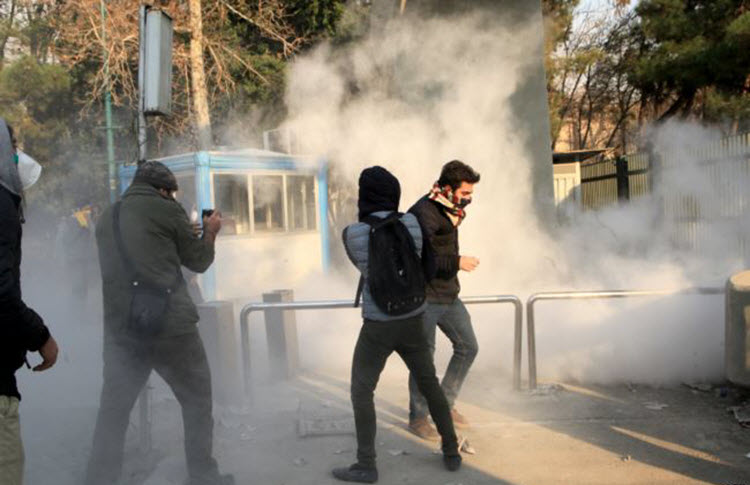
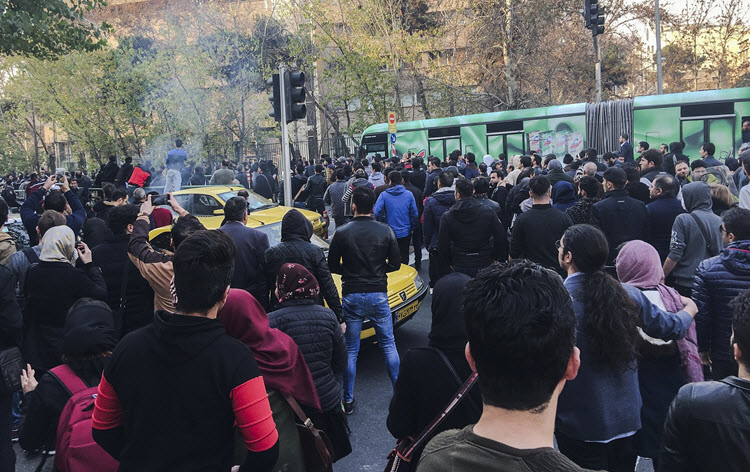
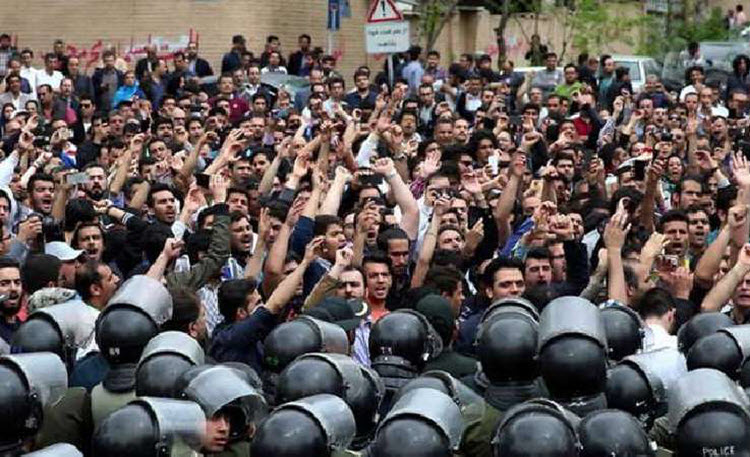
London, 5 Jan – As the protests against the Iranian Government continue into their second week, many are speculating on what the world should be doing to support the Iranian people in their struggle for a free Iran.

Many US politicians- including Donald Trump- have tweeted their support of the Iranian people but there is much more they can do from imposing sanctions on the Government to arming the Iranian people.

Protests

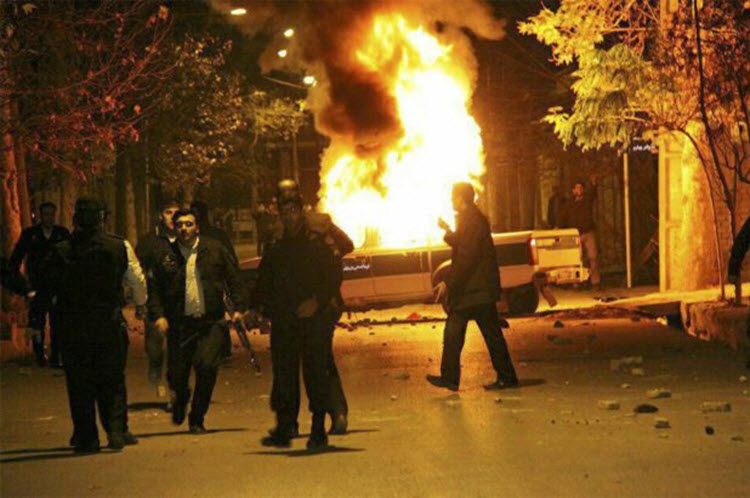
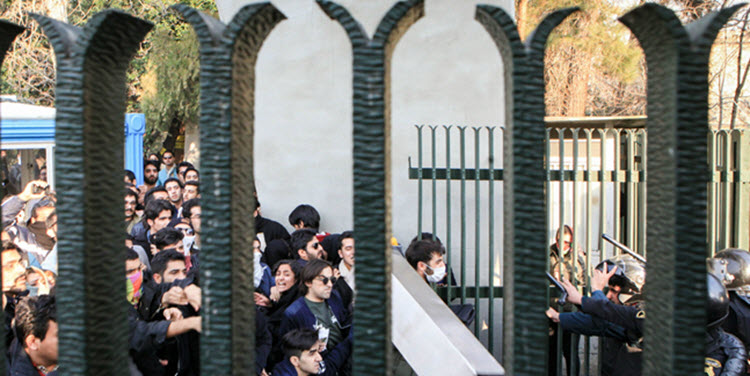
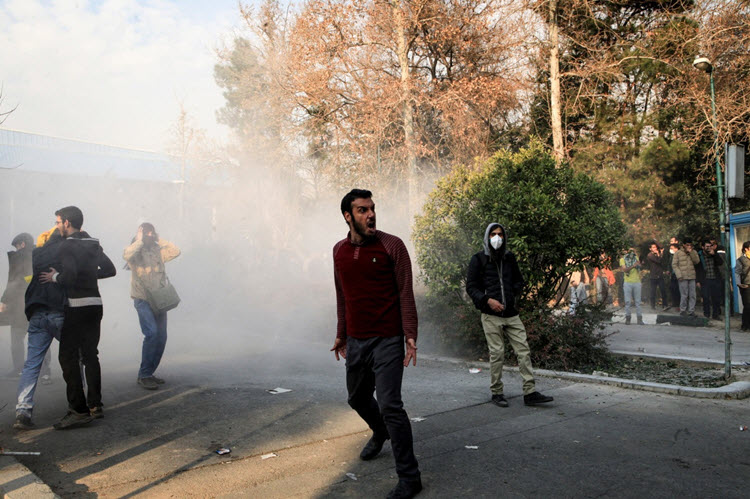
The protests, which began on December 28 in response to a sharp increase in the cost of living, soon took on a general anti-Government sentiment with many calling for the resignation (or even the heads) of the Government’s key figures, including Supreme Leader Ali Khamenei.

Despite Censorship, social Media Is Vital in Iran Protests

Iran Focus

London, 5 Jan – Social media is playing an ‘extremely important’ role in the current Iranian protests, despite censorship efforts by the Iranian Regime. The fact is that internet access has grown significantly over the last ten years, which is why social media is playing such a big part in these protests in a way that it didn’t in the 2009 uprising over the disputed election result.

Experts believe, that it has made a tremendous difference between now and then. One difference between now and 2009 is that almost the whole nation is now plugged online. Which for these protests it’s extremely important.”

A Look at the Real Stories Behind Iran’s Protests

Iran Focus

London, 5 Jan – As deep-seated unrest among the citizens risks Iran becoming the next Syria, let’s take a look at how those on the ground have been affected by the disastrous decisions of the Iranian government.

These protests initially began because of a sharp increase in the cost of living, but soon turned into a wide-ranging demonstration against everything that this wrong with the Regime.

Mohsen, 20, a protester in Karaj, expressed despair at the state of the economy- which has been horrendously mismanaged- and the high unemployment rates.

A Political Scientist’s View on the Iran Protests

Iran Focus

London, 5 Jan – As Iran’s nationwide protests entered their sixth day on Tuesday, Supreme Leader Ali Khamenei finally spoke about them publically for the first time.

Unsurprisingly, he blamed “enemies” of the Regime for instigating the protests and controlling the demonstrators in over 60 cities. Now, he probably meant to insinuate that the US or the West is directing tens of thousands of Iranian people out into the streets to protest- as ludicrous as that sounds- but in a way he is correct.

Strike in Iran’s Southern Pars Oil & Gas Refinery

Iran Focus
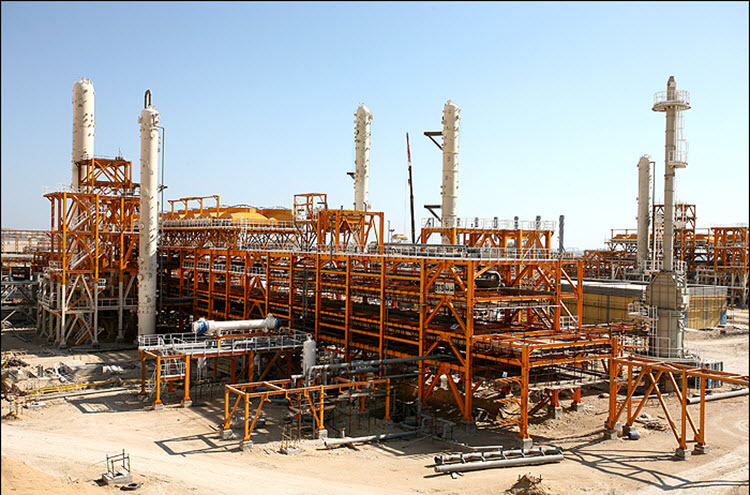
London, 4 Jan – January 4, 2018. The staff and workers of the Iranian Oil & Gas field of Southern Pars refinery in the city of Asaluyeh, the capital of Asaluyeh County, in Bushehr Province Southern Iran, went on Strike.

It is noteworthy that on Monday January 1, 2018 , consistent with the nationwide protests against Iranian clerical regime, the social headquarter of the people’s Mojahedin Organization of Iran (PMOI/MEK) had called for strike in the oil industry in addition to military and ammunition production industries as an essential and vital step to cripple the Iranian regime.

Can Iran’s Regime Survive 2018?

Iran Focus

London, 4 Jan – Those who have been watching Iran for long enough have experienced many moments in which they thought that the Iranian Regime would certainly collapse, but the recent protests have renewed hope that the brutal clerics will not celebrate 40 years in power.

As Saudi writer Mohammed Al-Shaikh points out in an op-ed for Al Arabiya, all revolutions must transform into a civil state if they have any hope of long-term power. The Iranian Regime has refused to do this and so they will certainly fall. It is just a question of when.

Should the US Back Iran’s Protesters?

Iran Focus

London, 4 Jan – The US should not be debating whether to tweet support for the protesters in Iran or just keep quiet until it all blows over. The US needs to take direct action and fast.

When the US was removing Saddam Hussein from Iraq and looking for the Al-Qaeda terrorists responsible for planning 9/11 (who were as it turns out be sheltered by the Iranian Regime), the Iranian Regime did not simply express its disapproval via the internet: it killed a lot of American troops.

Iran Protests Bring Regime’s Evil Allies Crawling out of Woodwork

Iran Focus

London, 4 Jan – As protests in Iran continue to grow in size and strength, many around the world are supporting the Iranian people’s call for freedom from a brutal regime but a select few are concerned about the survival of the mullah’s regime in Iran and are releasing fake news to malign the Iranian people.

The latter includes the Syrian Regime and its dictator, Bashar al-Assad, who owe their very survival to the Iranian Regime. The Regime sent their Revolutionary Guards and one of its key commanders Qassem Soleimani into Syria with mercenaries, terrorist proxies, and arms to suppress the Syrian people’s organised resistance on behalf of Assad. This prolonged the war well past its natural end, cost countless lives, and kept a Regime that poisoned its own people in power.