Iran has once again dismissed calls to release a British aid-worker imprisoned on vague spying charges, even though UK Foreign Office minister Andrew Murrison personally delivered the request.
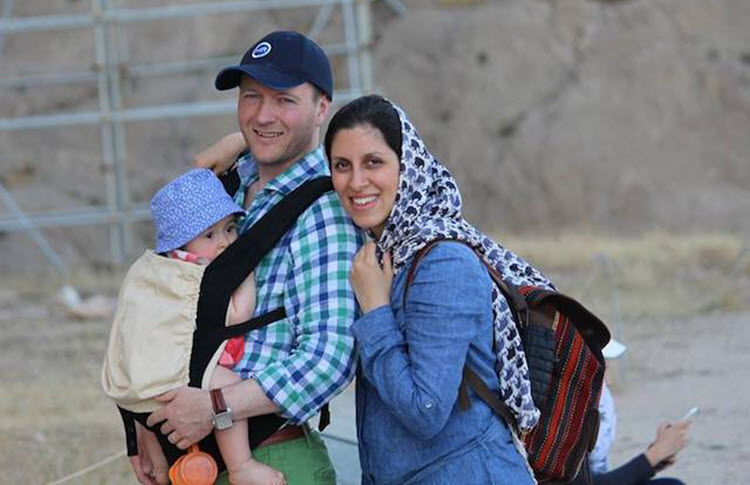
Seyed Abbas Araghchi, Iran’s deputy foreign minister, said Nazanin Zaghari-Ratcliffe would have to serve her full sentence and denounced the hunger strike by her husband, Richard Ratcliffe, outside the UK’s Iranian embassy as “blackmail”.
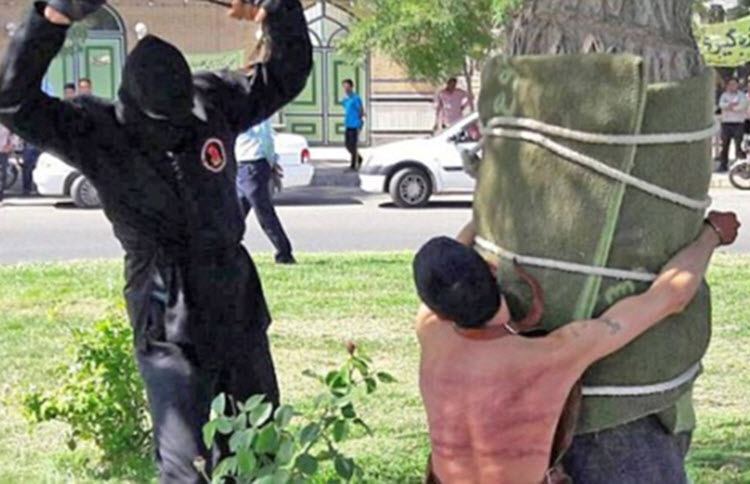
The head of the Arak Veterinary announced over the weekend that an Iranian citizen was sentenced to 148 lashes.
The defendant also received a one-year suspension of employment in the city, situated in central Iran, on the charge of medical misconduct, the official IRNA news agency reported on Sunday, June 23.
The US military’s cyber forces launched a digital strike against Iran’s military computer systems on Thursday, at roughly the same time that Donald Trump cancelled a conventional military strike in retaliation for Iran’s takedown of a US surveillance drone.
Two US officials said that the cyber strikes were approved by Trump, while a third provided the outlines. The trio spoke anonymously because they are not authorized to speak publicly about the action.
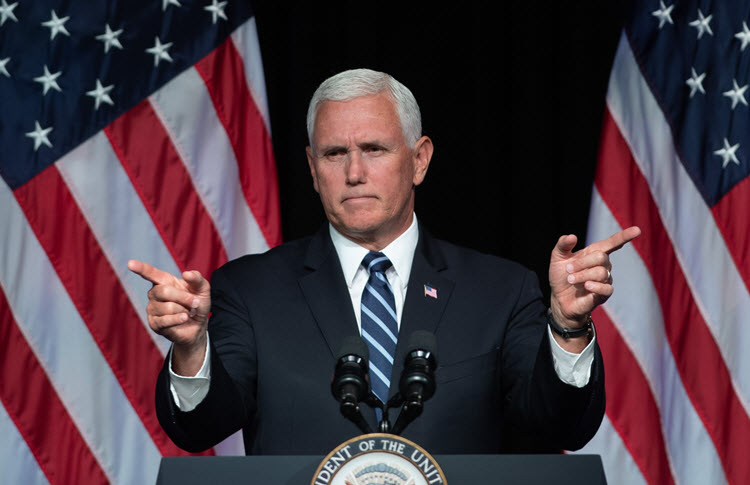
Over the weekend, US Vice President Mike Pence appeared on CBS’s “Face the Nation” to talk about the threat posed by the Iranian government and the Free Iran rally that took place in Washington DC on Friday.
Journalist Margaret Brennan asked Pence if the US had conducted cyber operations against Iran in response for shooting down a US drone last week, but Pence declined to comment as it was a covert operation.
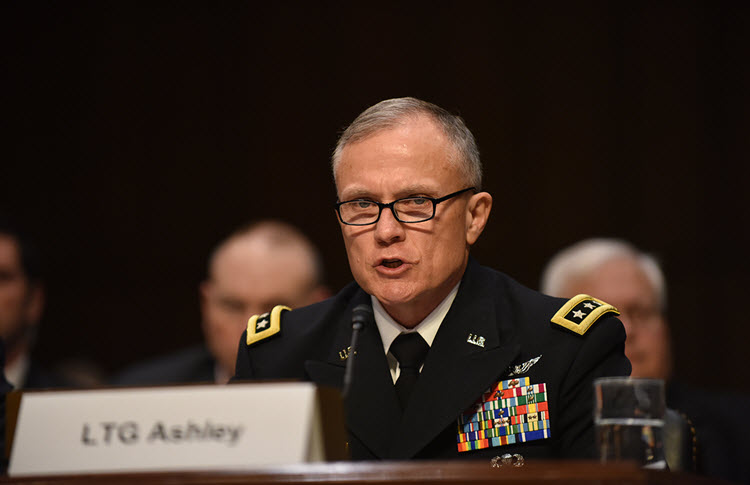
Iran is likely at “an inflection point” and is trying to change the “status-quo” with its recent attacks on tankers and shooting down of a US surveillance drone, according to Lt. Gen. Robert Ashley Jr., the director of the Defence Intelligence Agency (DIA).
Director Ashley said that Iran probably believes that they are in a “favourable” position because of their influence over the Iraqi government and the probability that their ally Syrian President Bashar al-Assad will stay in power after the civil war ends.
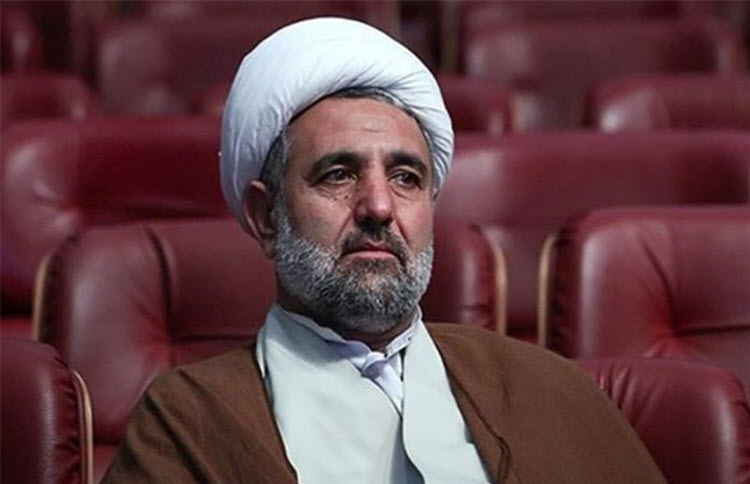
Mojtaba Zolnoor, a Member of the Iranian Parliament from the city of Qom and a hardliner figure close to the Iranian Revolutionary Guards Corps (IRGC), was appointed as the president of Parliament’s National Security Commission.
Zolnoor had previously served as the Supreme Leader’s deputy representative in the IRGC. He was behind the crackdown on protesters in 2009, following popular uprisings that erupted in objection to the rigged results of the presidential elections.
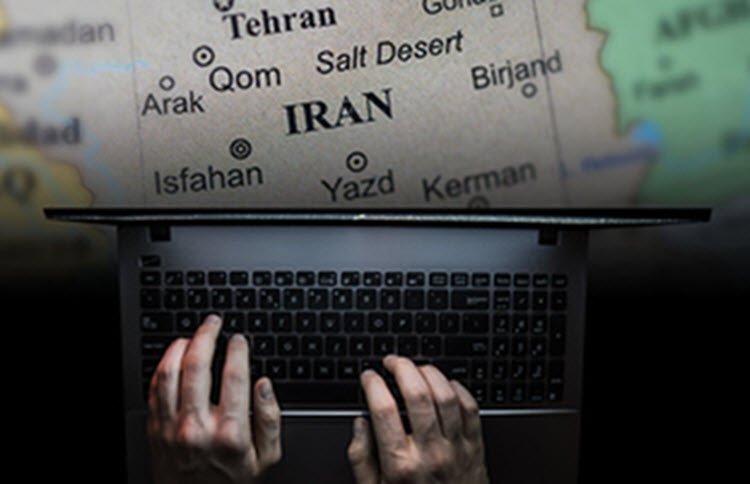
Three cybersecurity firms have said that they’ve seen Iranian hackers try to infiltrate a number of US organizations over the past few weeks, as tensions between the two nations continue to rise.
It is not yet known whether the hackers were trying to gather intelligence, aiming to create disruptive cyber attack or both. It is not even known if the Iran hackers managed to successfully infiltrate their targets.
Iran is intolerant, warmongering, fundamentalist, paranoid, corrupt, suppressive, and violent. It is made up of only the worst kind of people; those who do not respect the rights of others, who would do anything for power, who believe that their lives matter more than those of the millions they hurt on a daily basis.
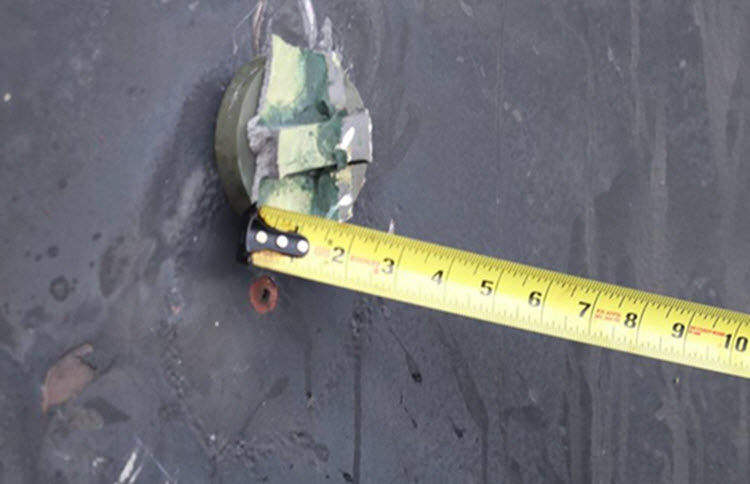
The US produced on Wednesday limpet mine fragments that it said came from one of the oil tankers attacked in the Gulf of Oman last week, claiming that the mine looks to be Iranian.
In Fujairah, the United Arab Emirates, the US Navy exhibited pieces of limpet mines and a magnet that American personnel took off one of the tankers – the Japanese Kokuka Courageous – that the US says were left behind by the Iranian Revolutionary Guards Corps (IRGC).
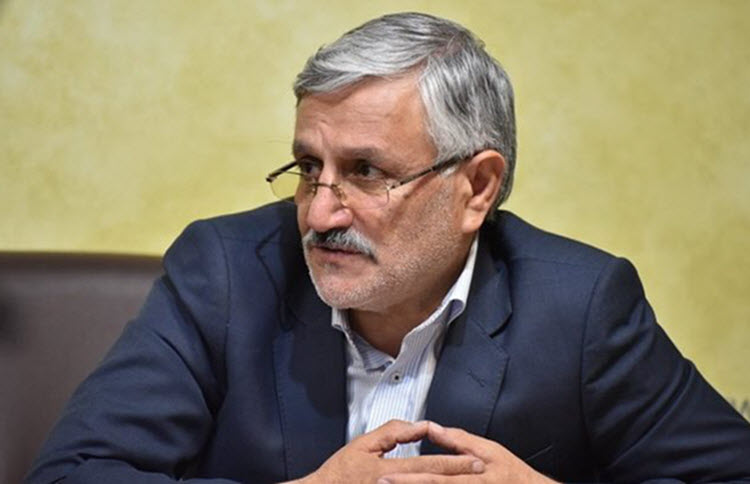
Ghasem Mirza Neko, a Member of the Iranian parliament
London, 20 June – On Monday June 17, Ghasem Mirza Neko, a Member of the Iranian parliament, called the “export of revolution” and “waging war against the world” as reasons for the tough situation faced by ordinary Iranians inside the country. Apparently, this was a reaction to the critics of hard conditions inside Iran.
“When you want to live in a cave, when you want to fight the whole world and export the revolution to everywhere, you have to accept hardships, not just for 14 years, but for much longer than that.”
The word “export of revolution” is a reference to a speech by regime founder Ruhollah Khomeini in the first year of the 1979 revolution, which overthrew the Shah’s monarchy. Iranian officials, especially the Islamic Revolutionary Guards Corps (IRGC) commanders use this term to justify Tehran’s export of terrorism and fundamentalism to neighboring countries, according to Iran experts.
According to both domestic and international institutes, this year, Iran’s economy growth reached minus five percent and the inflation rate increased by 30 percent.
On the other hand, tensions between Iran, the U.S. and regional states have increased after Iranian forces sabotaged oil tankers in the Gulf of Oman. Meanwhile, Instex, a European financial instrument that was supposed to allow Tehran to circumvent U.S. sanctions on its banking and oil sector, has not yet become operational.
U.S. president Donald Trump offered unconditioned negotiations with Tehran, but Supreme Leader Ali Khamenei refused this offer during a meeting with Japanese Prime Minister Shinzo Abe in Tehran.