

Alarming Rise in Suicide Rate Among Iranian Physicians
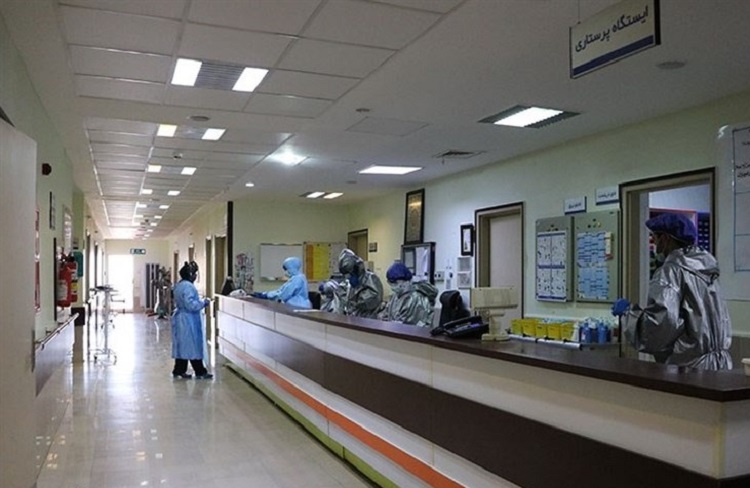
Mohammad Mirkhani, a social consultant of the Medical Council Organization, considered the difficult working conditions of physicians in Iran as one of the reasons for the significant increase in the suicide rate among this group.
Mirkhani said, “At one time, the medical field was very popular and had a good financial position, but unfortunately, financial problems have increased in recent decades. Physicians usually become more sensitive in family and emotional matters due to work conditions and frequent awakenings severely affect the individual.”
He described the working environment of physicians in hospitals as “barracks” and added that these conditions are especially harder for medical interns.
According to Mirkhani, medical residents “sometimes cannot sleep for 72 hours, and these conditions are extremely dangerous. Usually, these conditions make them depressed.”
He referred to the decline in the status of physicians in society and harsh treatment by patients and their companions towards physicians, saying that the security of this group has decreased in the work environment.
In recent days, following the news of the suicide of Samira Al-e-Saeedi, a rheumatology lecturer and member of the Rheumatology Research Center at Tehran University of Medical Sciences, the danger signal about the lack of mental security among members of the medical staff sounded again.
In response to the self-inflicted death of Al-e-Saeedi, physician Mohammad Abdous wrote on the X social network: “Physicians are more exposed to work-related tensions and stresses than other segments of society.”
Abdous added that Al-e-Saeedi had intended to discuss this matter with her colleagues the day before her suicide, but they did not take the issue seriously.
In January, Nima Shahriarpoor, an emergency medicine specialist, announced that, according to conducted research, the suicide rate among members of the medical community has increased 3.1-5 times.
He added, for example, from among 14,000 medical residents in the country, an average of 13 people commit suicide annually.
In mid-March, the suicide of Parastoo Bakhshi, a specialist heart surgeon, led to many reactions. She, who was only 35 years old at the time of her death, ended her life by taking medication.
Hadi Yazdani, a media activist in the medical field, on March 31, called the events leading to the suicide of this physician an example of “systematic injustice and humiliation” of members of the medical staff at the Ministry of Health.
Iran Begins Spring with Shock in Food Prices

Figures in the most recent report by the Iranian regime’s Statistical Center on Inflation in March 2024 show that inflation in the food sector experienced a shock in the first month of the year.
According to a April 25 report by the regime’s Donyay-e-Eghtesad newspaper, “onions, oranges, lemons, bell peppers and pomegranates” with the highest inflation rates in a month “saw more than 10 percent increase in prices,” based on the statistical center’s report.
The newspaper also noted that infant formula and red meat were important commodities that had been hit by “more than 60 percent price growth” in a single year.
According to Iran’s Statistical Center, “in the point to point inflation sector, canned tuna with a price increase of 109 percent became the only commodity that has experienced more than 100 percent price increases over the past year.”
Another notable point in the statistics provided by the Statistical Center on food point to point inflation in March 2024 is that it is the lowest in two years.
However, the state-run Etemad newspaper on April 24, stating that Iran’s annual inflation rate reached 38.8 percent, quoted by Morteza Afghah, economist and professor at Ahvaz Chamran University, wrote: “Although the decline in liquidity has caused a drop in inflation, it has also brought a recession, which has led to the closure of some small and medium-sized factories and enterprises that have suffered due to reduced liquidity.”
Inflation in Iran above 30 percent since 2018, and according to the International Monetary Fund forecast, inflation in Iran will be 37.5 percent this year.
Iran is one of the few countries in the world with hyperinflation over the past few years.
The International Monetary Fund warned in late February that even if Iran was dragged “narrowly” into the Israeli-Hamas war, the country’s economy would not only grow less this year but shrink by 5 percent.
The international body warned that Lebanon would shrink by 20 percent this year if Lebanon was dragged into the war due to attacks by Iran-backed group Hezbollah, and that the Yemeni and Iraqi economies would worsen.
US Slaps New Sanctions on Iran’s Drone Program
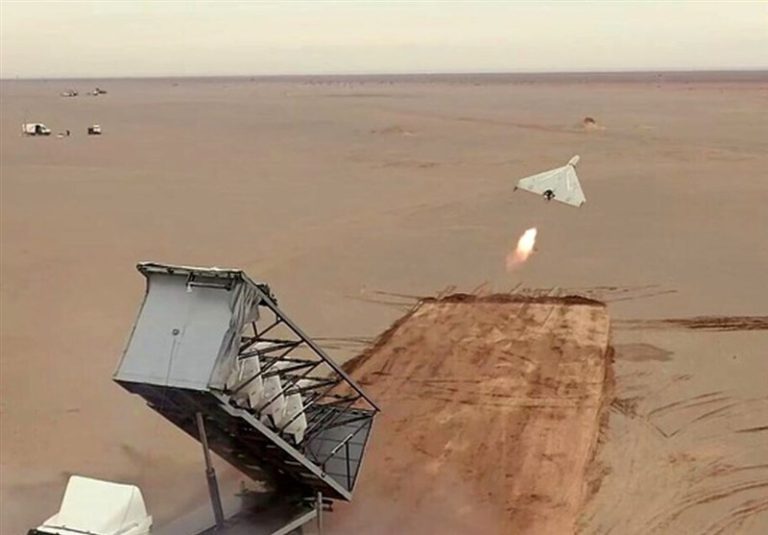
On Thursday, April 25, the United States imposed new sanctions on the regimes of Iran and Russia.
According to a statement from the Office of Foreign Assets Control of the US Treasury Department, these new sanctions affect Pouya Air company, eight individuals, five ships, and 15 entities.
The US Treasury Department stated that these individuals, entities, and ships have played a central role in facilitating and financing the clandestine sale of drones to the Ministry of Defense and support for the armed forces of the Iranian regime, which itself supports the Revolutionary Guard Corps (IRGC) and Russia’s war in Ukraine.
According to this statement, the company Sahara Thunder is the primary entity overseeing the promotion of Iran’s Ministry of Defense and support for these efforts.
This company has also played a major role in the design, development, manufacture, and sale of thousands of drones, many of which were ultimately transferred to Iran for use in Russia’s war against Ukraine.
The foreign ministers of the European Union also agreed on April 22 to expand sanctions against Iran’s missile and drone programs. Josep Borrell, the EU’s foreign policy chief, said a political agreement had been reached to expand sanctions against Iran’s drone program and extend these sanctions to its missile program and potential transfer of missiles to Russia.
The US Treasury Department stated that the Iranian Ministry of Defense, by supporting Russia’s war in Ukraine, unprecedented attacks on Israel, and the proliferation of drones or other dangerous military tools to its proxy terrorist groups, continues to contribute to instability in the region and the world.
Brian Nelson, Deputy Secretary of the US Treasury, said the United States will continue to use all available tools, in close coordination with its British and Canadian partners, to combat those who finance Iran’s destabilizing activities.
Pouya Air cargo aircraft has been sanctioned for transferring drones and related cargo from Iran to Russia on behalf of the Revolutionary Guards, one of the sanctioned companies. This airline was sanctioned by the United States 12 years ago for transferring weapons to Iranian proxy groups in the Middle East.
Another company sanctioned by the US, the private company Bonian Danesh Sharq, is a producer of drones, quadcopters, engines, and electronic and digital components involved in a wide range of commercial activities in both public and private sectors and acts as a commercial intermediary for the “Research and Self-Sufficiency Jihad Organization of the IRGC.”
Meanwhile, Britain has placed four businesses and two directors in a network of drone companies on its sanctions list with the aim of limiting the Iranian regime’s ability to launch drones.
Iran’s Regime Sentences Singer Toomaj Salehi to Death

Amir Reisian, Toomaj Salehi’s lawyer, says the so-called “Revolutionary Court” in an “unprecedented” move has sentenced this dissident singer “to the death penalty on charges of corruption on earth, the harshest punishment.”
Amir Reisian stated on Wednesday, April 24, in an interview with Shargh Network that the death sentence for his client was issued for charges brought against him in the 2022 case.
“But the stranger thing here is that the preliminary court, in addition to the death penalty, has also considered a supplementary sentence and has sentenced Toomaj Salehi to two years of travel ban, two bans on artistic activities, and participation in behavioral management and skill classes at the Isfahan Knowledge and Justice Court. This court has also declared the suspended sentence for Toomaj Salehi to be enforceable”, Reisian added.
Reisian denied reports of “pardon” or “sentence reduction” for him, stating that “we will definitely object to the issued sentence for Toomaj Salehi.”
In mid-March, a session was held in Isfahan Criminal Court to hear the 2023 case of Toomaj Salehi on charges of “inciting violent acts through computer systems” and “spreading falsehoods through computers.”
In July 2023, it was announced that the Isfahan Revolutionary Court had sentenced Toomaj Salehi to six years and three months in prison for the charge of corruption on earth in the case filed in 2022.
The Supreme Court revoked the previous sentence issued for Toomaj Salehi, but his lawyer announced last year that even after the revoking of this sentence in the Supreme Court and the necessity of removing two of his charges, the Revolutionary Court referred the case back to the Isfahan Prosecutor’s Office.
Reisian also announced in February that two new charges had been added to his client’s “previous indictment,” and this protesting singer had faced charges of “sedition,” meaning armed uprising and group against the system, as well as “conspiracy and collusion to commit crimes against security” in the 2022 case.
In response to the issuance of the death sentence for Toomaj Salehi, Ye-One Rhie, a member of the German Parliament and Salehi’s political sponsor, stated that he was “shocked and angry” to hear this news.
In a video message, he said that issuing a death sentence for this singer is not even logical according to “Iran’s procedures,” and added: “How is it possible that the accusations for which Toomaj received six years of imprisonment last year have become so great that he receives such a heavy sentence.”
Toomaj Salehi, a rap singer, was released on bail on November 18, 2023, “after enduring 252 days of solitary confinement and a total of one year and 21 days of imprisonment,” but only 12 days later, after releasing a video describing his torture in prison, he was detained again with “forceful arrest.”
This singer supported the protesters for a long time during the 2022 protests, and for this reason, he was detained by security forces and then tried in the Revolutionary Court.
“The Iranian regime’s judiciary has orchestrated a farcical and vulgar scenario by playing with the criminal execution verdict for the Iranian artist and political prisoner Toomaj Salehi. This verdict is wholly unwarranted, even within the framework of the regime’s own laws. It serves as a crude attempt to divert public attention from the McCaul Act and the six accompanying bills, which represent a significant step against the regime of execution and massacre. It is evident that the regime is using this scenario not only to threaten the life of Toomaj but also to overshadow a recent surge in executions, which includes 19 executions carried out on Sunday and Wednesday of this week alone. Over the last two weeks, there have been 39 announced executions,” said PMOI Spokesperson on the criminal execution verdict for Iranian artist and political prisoner Toomaj Salehi.
Iran Faces Severe Medicine Shortage and Lack of Government Funding

The Health and Treatment Commission of Iranian regime’s Majlis (parliament) recently released a report highlighting the dire situation of medicine availability in the country. According to the report presented on April 23, nearly 150 essential drugs are facing shortages and severe limitations, with approximately 65 of them experiencing acute scarcity.
The commission urged for legal action to address its findings, but members of the regime’s Majlis opposed referring the matter to the judiciary, with the majority preferring to keep it within the legislative branch.
Another aspect of the report addresses the failure of the Organization of Planning and Budget to reconcile the preferential exchange rate (42,000 rials) with the NIMA system rate (the currency allocated for managing and promoting the country’s imports and exports) over the past two years, resulting in a staggering debt of 840 trillion rials (approximately $1.3125 billion) to the Central Bank. Currently, the exchange rate for the dollar in Iranian markets stands at 640,000 rials.
Furthermore, the report states, “The Central Bank, under the pretext of effective cooperation in allocating foreign currency and providing the necessary liquidity for the pharmaceutical industry through facilities, has avoided such cooperation.”
Nevertheless, with 67 votes in favor, 137 against, and 8 abstentions out of 225 representatives present, the regime’s parliament rejected the application of Article 234 (referring government violations to the judiciary).
Over the past two years, numerous reports have highlighted the challenges in securing foreign currency for importing raw materials for medicine production or medicine itself. On April 22, a member of the Tehran Chamber of Commerce stated that economic actors have been awaiting currency allocations for over five months, but the Central Bank has not provided them.
The Central Bank’s refusal to provide foreign currency for importing medicine comes at a time when, despite promises from the regime’s President Ebrahim Raisi to halt borrowing from the Central Bank, official statistics show that the government’s debt to this institution increased by approximately 27% in 2022 and surged again by 56% in 2023.
Kaveh Zargaran, a member of the Tehran Chamber of Commerce’s representatives, stated on Monday, April 22, that economic actors have been waiting for currency allocations for over five months, yet the Central Bank has not granted them.”
The Iranian regime has often attributed the country’s medicine crisis to U.S. sanctions, claiming that the sanctions target “ordinary people.” However, imports of humanitarian items, including medicine, are exempt from sanctions.
Trading and smuggling pharmaceutical and medical items remain highly profitable, with regime-linked entities selling drugs at exorbitant prices in the free market while medicines are scarce in pharmacies, leaving people struggling to access essential medication.
U.S. House of Representatives and Senate Approve Measures Targeting Iran’s Regime
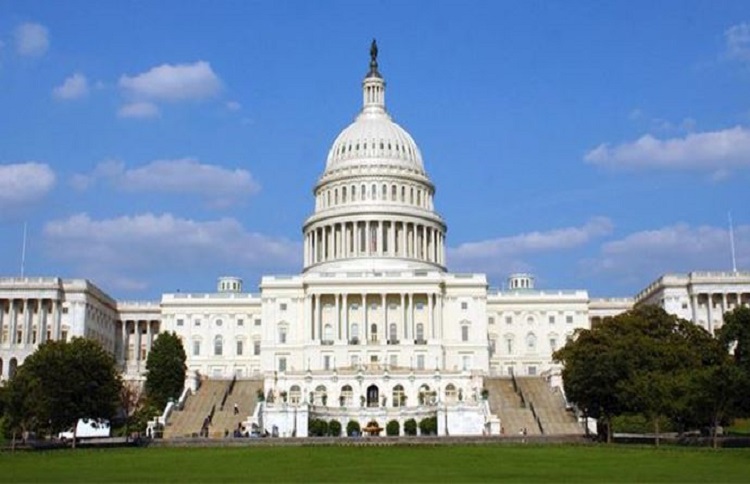
In a resolute move showcasing bipartisan unity towards addressing the Iranian regime’s actions, the United States House of Representatives has endorsed the “21st Century Peace Through Strength Act,” spearheaded by Chairman Michael McCaul of the Foreign Affairs Committee. The bill, endorsed with a commanding majority of 361 votes in favor and 57 against, was subsequently passed in the Senate with a vote of 80 to 19.
The “21st Century Peace Through Strength Act” encompasses 15 sections, with a particular focus on countering the malign activities of the Iranian regime. If ratified by the Senate and endorsed by the U.S. President, this legislation will impose legally binding measures aimed at constraining the Iranian regime’s behavior.
-
Stop Harboring Iranian Petroleum Act (SHIP Act):
-
Fight and Combat Rampant Iranian Missile Exports Act (Fight CRIME Act):
-
Mahsa Amini Human Rights and Security Accountability Act (MAHSA Act):
-
No Technology for Terror Act:
-
Hold Iranian Leaders Accountable Act:
-
Iran-China Energy Sanctions Act Of 2023:
Grossi: Iran Weeks Away from Having Enough Enriched Uranium for Atomic Bomb
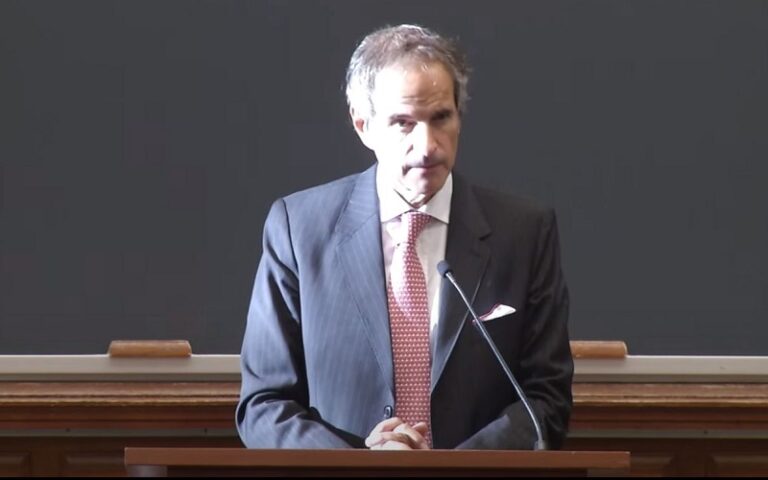
Rafael Grossi, the Director General of the International Atomic Energy Agency (IAEA), has stated that Iran is just weeks rather than months away from possessing enough enriched uranium to produce a nuclear bomb.
According to Grossi, while uranium enrichment at levels close to weapons-grade is concerning, it does not directly imply that Iran currently possesses nuclear weapons.
In an interview with Deutsche Welle published on Tuesday, April 23, Grossi stated that a “functional nuclear warhead requires many other things independently from the production of the fissile material”.
The IAEA Director General referred to Iran’s actions as fueling these speculations and stated that the agency does not have satisfactory access to monitor Tehran’s nuclear program, leading to increased speculation about Tehran’s program.
Grossi has repeatedly warned Iranian counterparts about sensitivities arising from the agency’s lack of access to Tehran’s activities.
“I have been telling my Iranian counterparts time and again […] this activity raises eyebrows and compounded with the fact that we are not getting the necessary degree of access and visibility that I believe should be necessary,” he said.
Referring to the discovery of enriched uranium materials in unrelated locations, Grossi said that this issue has also intensified doubts about Tehran’s transparency.
Grossi, noting that he will soon travel to Iran for a new round of talks, stated that his message to Iranians is that they should cooperate more with the agency.
There have been many speculations about whether Iran’s nuclear facilities are one of Israel’s military targets, and even Grossi recently stated, referring to Israel’s targeting of Iraq’s nuclear facilities in 1981, that the agency does not want to repeat the Iraq experience and if Iran continues to resist transparency and inspection, the IAEA might reach a point where it will refrain from providing credible assurance that it is absolutely certain Iran’s nuclear activities are entirely peaceful.
In the past two years, 8 million people added to Iran’s poor population
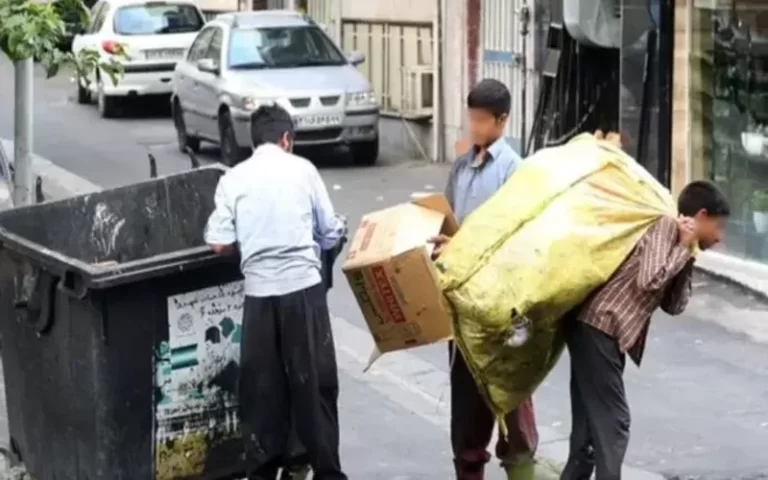
According to information analyzed by the state-run Etemad newspaper regarding poverty rate data, a 10% increase in the poverty rate over two years translates to approximately 8 million more people falling into poverty in the country.
Etemad notes the likelihood of middle-class families falling below the poverty line has increased, and the capacity to finance budget resources has decreased among the middle-class population.
In its Tuesday edition, Etemad, in an article titled “Budget 2024: Incapable of Obliterating Poverty,” citing analysis from the regime’s Majlis (Parliament) Research Center on the budget’s capabilities to combat poverty, states that approximately 50% more people have been added to the poverty population since 2017.
Referring to the calculations of the Parliament Research Center, which estimated the absolute poverty line per capita in 2022 to be around 25.610 million rials (approximately $40), Etemad writes that based on inflation data from the past year, the estimated per capita poverty line for the first quarter of 2024 is around 37.40 million rials (approximately $58). The poverty line for a three-member household was estimated at around 56.34 million rials (approximately $87.5) for 2022 and 82.32 million rials (approximately $128) for 2023.
Etemad points out that middle-class individuals have had an average income of about 1.6 times the poverty line since 2018 and have approached the poverty line. It emphasizes the increasing likelihood of non-poor individuals falling below the poverty line, reducing the capacity to finance budget resources among the non-poor population.
In March 2024, the regime’s Eghtesad 24 website reported on the poverty situation in Iranian society, stating, “Almost one out of every three Iranians is below the poverty line, and when 30% of the population is below the poverty line, by March 21 (the beginning of the Iranian new year), this figure reaches 37 to 40 percent, because of high inflation and fixed wages.”
Etemad’s report, referring to the decreasing efficiency of government budgets to combat poverty, stated that what emerges from the image of poverty among Iranians in the 2010s is a decrease in the general welfare of society.
Etemad describes the established taxes in the country as undesirable and writes that the imposition of an undesirable tax can exacerbate poverty and increase the population of poor people in the country.
Another issue addressed in this report is the decrease in per capita public budget of the country. It notes that when the per capita public budget decreases, naturally, allocations for all budgetary matters decrease to some extent.
When the per capita general budget decreases in 2024 to the level of 2011, which has around 10 million more poor people than in 2011.
Based on statistics indicating that 30% of the country’s population has fallen below the poverty line and that the middle class has also significantly approached the poverty line, Etemad wrote: “After 2020, the budget had an expansionary approach relative to the population, so that ultimately, based on estimated data, it will reach the level of 2011 by 2024. The per capita public budget for each Iranian will be around 50 million rials (approximately $77.5) in 2024.”
However, in terms of policy-making for poverty reduction, while the per capita public budget in 2024 will reach the level of 2011, the population of those living in poverty in the country is approximately 10 million more than in 2011.
In recent years, under the inefficiency of the Iranian regime in managing the country’s economy, many reports have been published on the significant increase in poverty and the inappropriate economic situation of the people in Iran.
On April 7, Ham-Mihan newspaper, quoting trade union units, reported an increase in food theft from Iranian stores and stated that rising prices and increased hunger among the people are among the reasons for this.
On March 26, Tejarat News wrote in a report that teenagers and 20-year-olds are selling their kidneys, livers, and bone marrow to meet their financial needs.
Iran: 9 Prisoners Executed in One Day
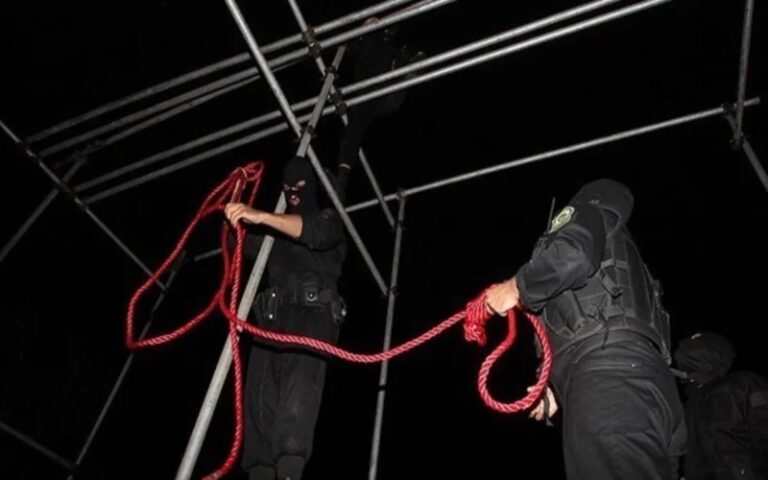
The Iranian regime executed five prisoners in Kerman prison and two prisoners in Chabahar prison on April 21. At the same time, two other prisoners were executed in Ghezel Hesar prison in Karaj. These nine prisoners had been sentenced to death separately on charges related to drug trafficking.
Seven prisoners were sentenced to death for drug-related charges and were transferred to solitary confinement on April 19 for execution.
They met with their families for the last time on April 20 in Kerman and Chabahar prisons and were executed on Sunday morning.
In another case, the Iranian regime executed two prisoners in Ghezel Hesar prison in Karaj.
The identities of these two prisoners are stated as Alireza Shahbaz, 38, from Tehran, and Ali Jafar Taheri from Delphan.
These two prisoners were transferred to solitary confinement for execution on April 20. They were sentenced to death for drug-related charges.
In the past 10 days, an alarming wave of executions has begun in Iran, and it seems that the Iranian regime has increased the execution of prisoners under the shadow of news related to its war with Israel and the world community’s distraction from the executions.
According to reports from human rights sources, between April 11 and 19, at least 19 prisoners were executed in Urmia, Karaj, Mashhad, Ahvaz, Tabriz, Hamedan, Isfahan, and Zanjan prisons.
Amnesty International reported on April 4 in an investigative report entitled “Don’t Let Them Kill Us” that 853 people were executed in Iran in 2023, calling it unprecedented in the past eight years.
According to this report, 481 executions, more than half of the total registered executions, were related to drug crimes.
This figure represents an 89% increase compared to 2022, when 255 people were executed for drug-related crimes, and a 264% increase compared to 2021, when 132 people were executed for these crimes.
Iran’s Regime Publishes Misleading Information About Unemployment Rate
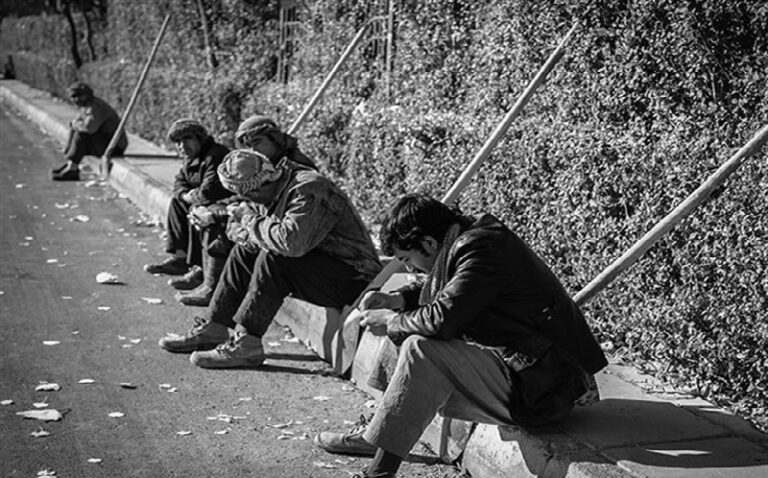
The state-run Donya-e-Eqtesad newspaper has criticized the “statistic manipulation” employed by Iran’s regime in its economic reports, stating that the inaccurate data presented by the government regarding the reduction in unemployment will not change anything.
The newspaper emphasizes that the claimed reduction in the unemployment rate has had no impact on the country’s economic growth and is not tangible in people’s lives.
This report refers to the latest report from the Employment Assistant of the Minister of Labor, which announced a 41.3 percent labor force participation rate in autumn 2023 and an 8.1 percent overall unemployment rate in 2023.
Donya-e-Eqtesad writes that statistically and based on the formula provided, the unemployment rate can decrease for two reasons: if individuals searching for jobs eventually find employment or if individuals become discouraged from job searching and withdraw from the process.
In this context, the report mentions “official statistics” published by the government’s Statistical Center and emphasizes that “educated individuals who have been seeking suitable employment corresponding to their qualifications or at least somewhat related to them to the extent that they have officially ceased their job search” are considered by the government as exiting the actively seeking employment population, which affects the employment statistics.
The newspaper also addresses the crisis of unemployment among educated women, stating that more than 40 percent of the unemployed population in the country hold university degrees. Currently, only about 11 percent of the labor force participation rate consists of women, meaning approximately 89 percent of Iranian women over the age of 15 are unemployed.
The report stresses how, in the current economic conditions witnessing such figures in the labor market, it is implausible for the unemployment rate to have perceptibly decreased.
In this regard, the Tasnim News Agency, linked to the Islamic Revolutionary Guard Corps (IRGC), announced on April 2 in a report that the share of graduates in unemployment in winter 2024 was 39 percent and stated that the examination of the unemployment rate among the population aged 15 and over with higher education showed that 11.6 percent of the actively seeking graduate population were unemployed.
Tasnim also emphasized that this rate was higher among women compared to men and in rural areas compared to urban areas.
Tasnim stressed that the unemployment of university graduates has reached a deadlock, and even those with doctoral degrees have been forced to take jobs unrelated to their qualifications to escape unemployment.
Additionally, the regime’s Tajarat News website wrote on January 13 that reports from the Technical and Vocational Organization indicate that 40 percent of skill-seekers are university graduates.
Eghtesad News also reported on March 22 that data from Iran’s Statistical Center shows that the youth unemployment rate in the age group of 15 to 24 is higher than the country’s overall unemployment rate, with one of the reasons being the constraint of reconciling work hours and education.
Furthermore, the Eco Iran website stated in a report that in spring 2005, the unemployment rate among youth aged 15 to 24 was equivalent to 24 percent, and in winter 2010, the unemployment rate among this age group exceeded 31 percent, marking the highest unemployment rate recorded in the past 19 years.
Eco Iran also wrote in October 2023, based on official statistics, that the active population in summer 2023 had reached nearly 26.8 million people, and investigations showed that this summer, 2.115 million individuals were unable to find employment and were considered unemployed.
Iranian regime President Ebrahim Raisi has been promising to create “a million jobs a year” since early June 2021 during his presidential campaign, a slogan that has been repeated by his labor minister, Sowlat Mortazavi, and has faced considerable criticism.
Experts have repeatedly emphasized that governments in Iran manipulate indicators or shift temporal bases, effectively resorting to statistical manipulation to “achieve success.”
