How Are Iran-Backed Militias Still Receiving Weapons?

0
Iran-backed militias still receiving weapons

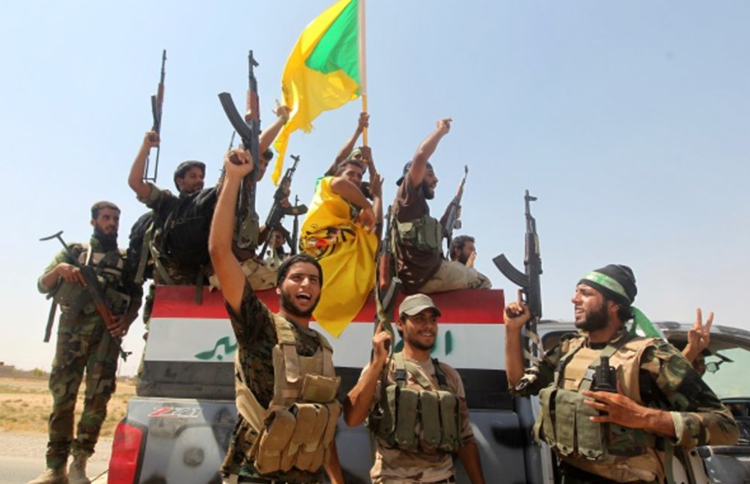
London, 05 Jul – Recent US sanctions on the South Wealth Resources Company (SWRC) in Iraq have revealed how Iranian-backed militias are still managing to legally receive weapons despite sanctions.

The SWRC, sanctioned for smuggling hundreds of millions of dollars worth of weaponry to Iranian Revolutionary Guards Corps (IRGC)-linked militias in Iraq, is only one of the hundreds of Iraq-based companies circumventing US sanctions.

These companies follow all legal procedures in order to set up and run a business, according to a source that specializes in the affairs of Iraqi extremist groups and Islamic factions, and are able to operate due to collusion between Iraqi politicians, security apparatuses, political parties, and the Central Bank. The Iraqi state institutions are being pressured by Abu Mahdi al-Mohandes, the commander of the Iranian-backed Popular Mobilization Units (PMUs) militias.

Many of these companies are the same ones sanctioned by the US but are legally different because they register with a different name. For example, the Al-Bilad Islamic Bank for Investment and Finance and its director Aras Habib Karim was able to evade sanctions by changing its name to Ataa and appointing a new board of directors. In other cases, the Iraqi courts allowed the new companies to operate because they did not have bilateral agreements with the US regarding economic sanctions on Iran.

There are four men who play a major role in this arms trafficking:

• Shibl al-Zaidi, the secretary general of the Iraqi Imam Ali Brigade, who smuggles weapons under the cover of furniture firms and chicken eggs imports

• Sheikh Mohammed Kawtharni, a Lebanese national, invests in weapons using Hezbollah funds

• Sheikh Hussein al-Safi, an Iraqi who works for Qassem Soleimani, the commander of the IRGC – Quds Force

• Mohammed Jaber Abu Jaafar, a Syrian who invests in the arms trade using the money of Syrian President Bashar al-Assad

Between them, these four men manage funds worth eight to nine billion dollars that are used in the arms trade between Iraq, Iran, Syria and Lebanon. Roughly three billion dollars of weapons were smuggled to Iraqi militias between March 2015 and August 2017.

The smugglers use the Shalamcheh, Khanaqin, and Zurbatiyah border crossings to avoid inspection because of the IRGC’s relationship with a strong Sunni tribe and a local Shiite group in East Iraq.

This weapons smuggling allows Iran to circumvent US sanctions on Iranian exports, introduced after the US pulled out of the nuclear deal last year, and Iraqi militias are paid by Iraq’s government so they are unaffected by US sanctions on Iran.

Matthew Zweig, a senior fellow at the Foundation in Defence of Democracies (FDD), said that the US has not yet determined the precautionary measures they will take to prevent Iran from money laundering, which suggests that the US does not want to “implicitly” isolate Iran from the global financial system.

He said: “The administration may have decided to initially prioritize expanding both the scope of the sanctions and the number of designated entities over revising this rule given the amount of time and effort that would have to go into updating it.

Taking actions such as revising the 311 Draft Rule, updating the evidentiary basis, and promulgating a Final Rule should now be easier due to the amount of work that the administration has now completed in terms of both designation packages and administrative guidance with respect to Iran.”
Iran Defence Chief Advocates for Increased Military Ties With Iraq, Potentially at Risk of US Troops

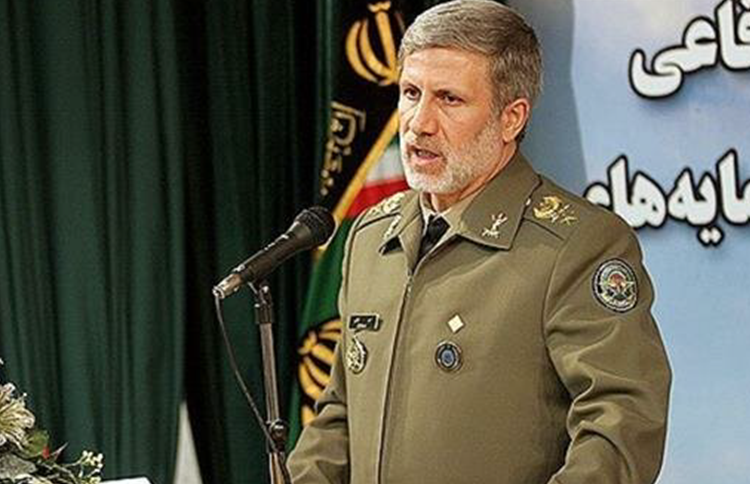
Iran defence chief, Brig. Gen. Amir Hatami

By Pooya Stone

Iran’s defence chief reportedly advocated on Thursday for the country to increase military and defence ties with Iraq, where Iran-backed Shiite militias and roughly 5,000 American service members are located.

Iran defence chief, Brig. Gen. Amir Hatami, told his newly-appointed Iraqi counterpart, Najah Hassan Ali Al-Shammari, that “Iraq [is] a friend of Iran with age-old religious, social and civilizational commonalities”, during a phone conversation on July 4 that was reported by Iran’s state-run Tasnim News Agency.

Iranian Security Forces Arrest Eight Newly Converted Christians

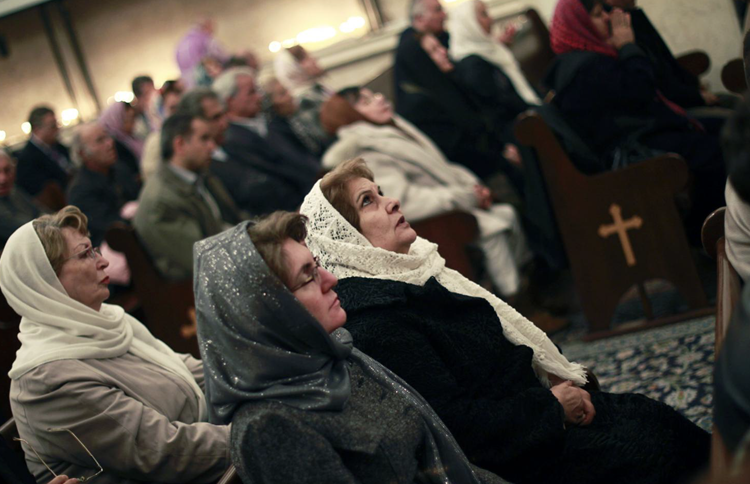
On Monday, July 1, eight newly converted Iranian Christians were arrested in the southern city of Bushehr at their houses;

By Jubin Katiraie

On Monday, July 1, eight newly converted Iranian Christians were arrested in the southern city of Bushehr at their houses; some of them were members of the same family. Security forces raided and searched their houses and confiscated their Bibles, Christian statues and signs, wooden crosses, paintings, laptops, cellphones, ID cards and credit cards. The children witnessed all of these events as well as the cruelty by security forces in arresting their parents.

A Primer on Iran’s MEK

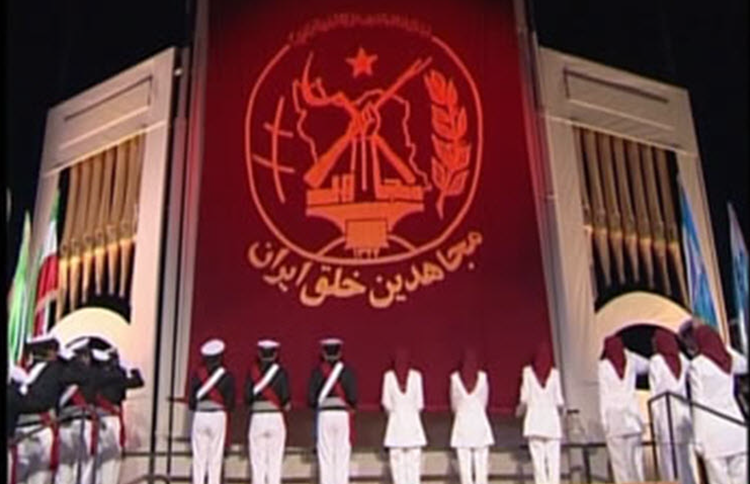
The Iranian opposition group, the People’s Mojahedin Organization of Iran/Mujahedin e-Khalq (PMOI/MEK)

By Pooya Stone

The Iranian opposition group, the People’s Mojahedin Organization of Iran/Mujahedin e-Khalq (PMOI/MEK), is the largest, most organized, and best alternative to the Iranian Regime, as it seeks and will deliver a democratic, secular Iran.

Unfortunately, it is often misunderstood by international policymakers because of the Regime’s demonization campaign against them.

Republican Senators Urge Trump to Get Tougher on Iran

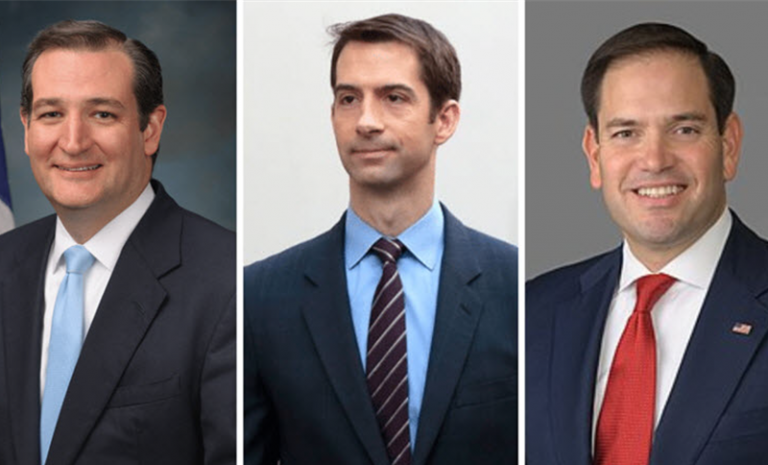
Three Republican Senators Ted Cruz (Texas), Tom Cotton (Arkansas) and Marco Rubio (Florida)

By Jubin Katiraie

Three Republican Senators have urged the Donald Trump administration to get tougher on Iran in response to the country’s recent violations of the 2015 nuclear deal and threats of further violations in the coming weeks.

Ted Cruz (Texas), Tom Cotton (Arkansas) and Marco Rubio (Florida) wrote a joint letter to Trump following confirmation by the International Atomic Energy Agency (IAEA) that the Iranian Regime has indeed violated the nuclear deal, formally known as the Joint Comprehensive Plan of Action (JCPOA), by stockpiling over 300 kgs of low-enriched uranium.

Sanctions on Iran Are the Right Way to Go

images/2019/July/Ayatollah-Ali-Khameini-750.png

By Pooya Stone

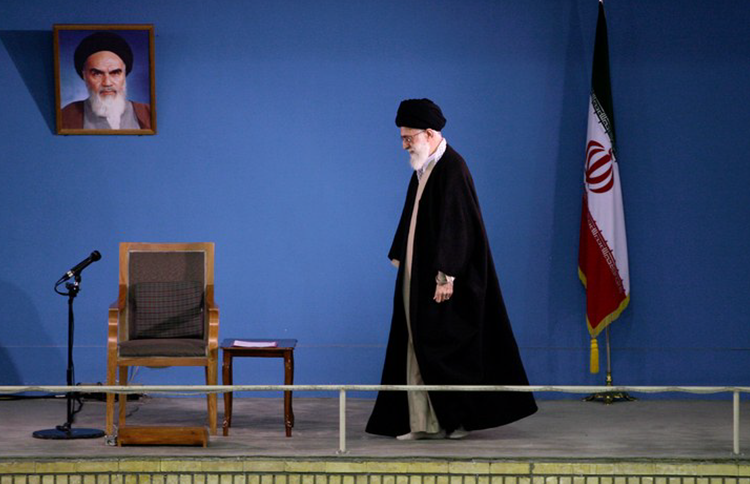
Donald Trump recently imposed sanctions on Iran’s Supreme Leader Ayatollah Ali Khamenei, foreign minister Javad Zarif and eight senior commanders of the Revolutionary Guards Corps (IRGC), an elite military unit that was designated as a foreign terrorist organisation by the US earlier this year.

Iran TV Criticised for Admitting Iran Still Exporting Oil to China

Iran still exporting oil to China

By Jubin Katiraie

The Iranian authorities criticised the country’s state television on Wednesday for airing a program about ongoing oil sales to China in violation of US sanctions, claiming that the report went “against national interests”.

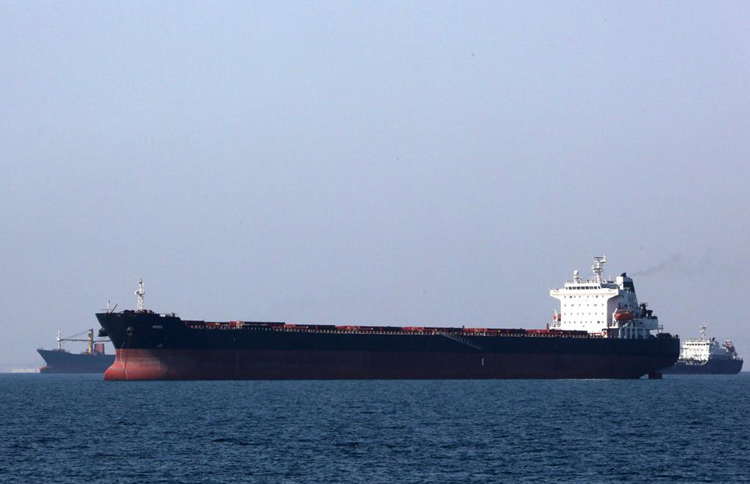
The Tuesday episode of the “Hello, Good Morning” talk show featured a segment on Iranian-flagged tanker, the Salina, which reportedly transported 1 million barrels of crude oil to China’s Jinzhou port in late June.

Increase Sanctions on Iran and Support Resistance Forces – Opinion

0
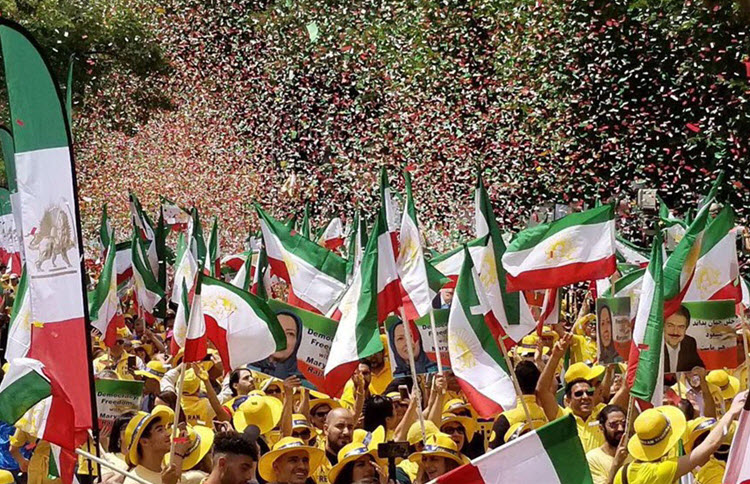
Iranian Americans rally in Washington DC for Free Iran

By Pooya Stone

Late last month, Donald Trump decided not to bomb Iran following the downing of an unmanned American drone, citing civilian casualties. This was a smart move because a war with Iran would be costly, deadly, and would be the worst way to ensure that Iran became a peaceful nation.

US ‘Maximum Pressure’ Campaign Having an Effect on Iran – Analysis

US ‘maximum pressure’ campaign having an effect on Iran

By Jubin Katiraie

Over the past 30 years, America has been involved in several conflicts in the Middle East and the last thing that anyone needs is for the US and Iran to be at war, which is why it’s good that Donald Trump decided not to launch a military strike in Iran in retaliation for shooting down a US drone.

Trump: Iran’s Threats Can Come Back to Bite Them

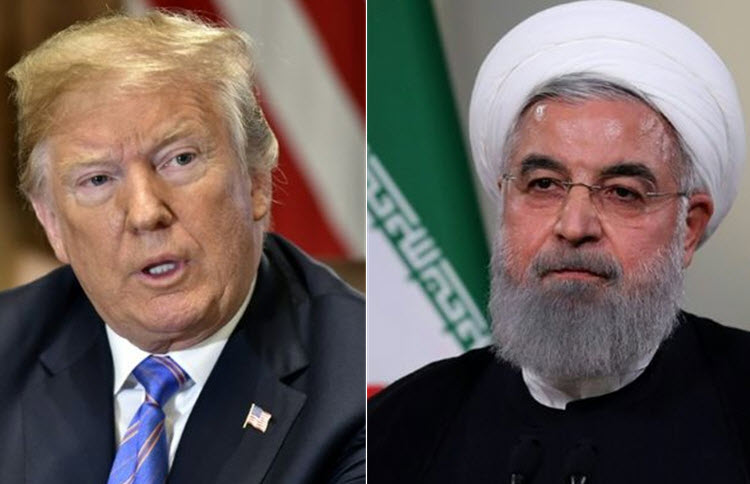
US President Donald Trump and Iranian President Hassan Rouhani

By Pooya Stone

Donald Trump tweeted that Iran should be “careful with threats” as they can “come back to bite you” in response to Iran’s announcement that it had already breached the nuclear deal’s low-enriched uranium stockpile limits and was planning to violate the uranium purity level.