Three Countries Have Stopped Importing Iran Oil

Brian Hook, the special US envoy for Iran

Iran Focus

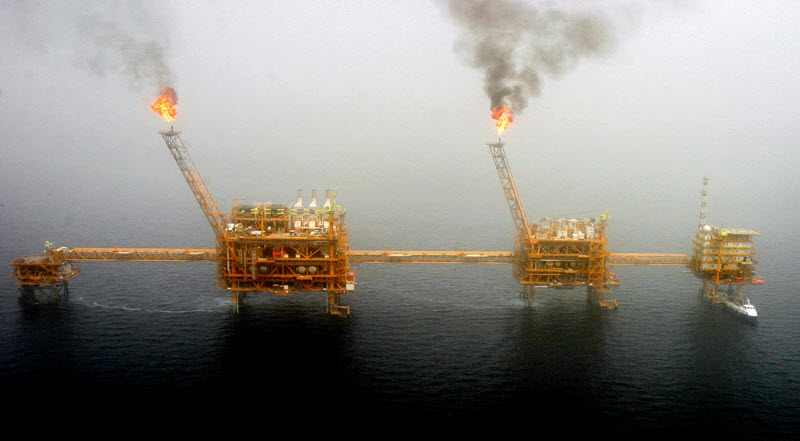
London, 04 April – Three of eight countries granted sanctions waivers by Washington last year so that they could continue importing oil from Iran have now cut their imports to zero, according to a US official on Tuesday.

Brian Hook, the special US envoy for Iran, said: “In November, we granted eight oil waivers to avoid a spike in the price of oil. I can confirm today three of those importers are now at zero.”

He did not say which nations had stopped.
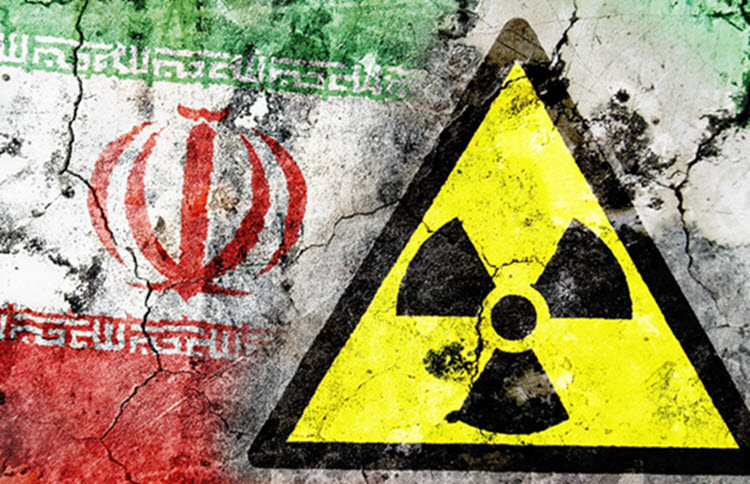
The International Community Must Halt Iran’s Nuclear Ambitions

Iran’s nuclear progress

By Mehdi

The head of the Atomic Energy Organization of Iran, Ali Akbar Salehi, recently made a statement in an interview with Iran’s state-owned Channel 2, regarding the Iran nuclear deal, saying it has done nothing to stop Iran from making advances in its nuclear program. He boasted, “If we have to go back and withdraw from the nuclear deal, we certainly do not go back to where we were before … We will be standing in a much, much higher position.”

Iran Cyber Threat Should Not Be Underestimated

Iran cyber threat should not be underestimated

 By Pooya Stone

APT39 is cyber espionage group with links to Iran and it has recently been discovered that it was behind a huge theft of personal information. Cyber security experts have been tracking the group’s activity for a number of years now – mainly to protect companies from malicious attacks by the group.

Iran: Increase in Domestic Production to Aid Economy Is Easier Said Than Done

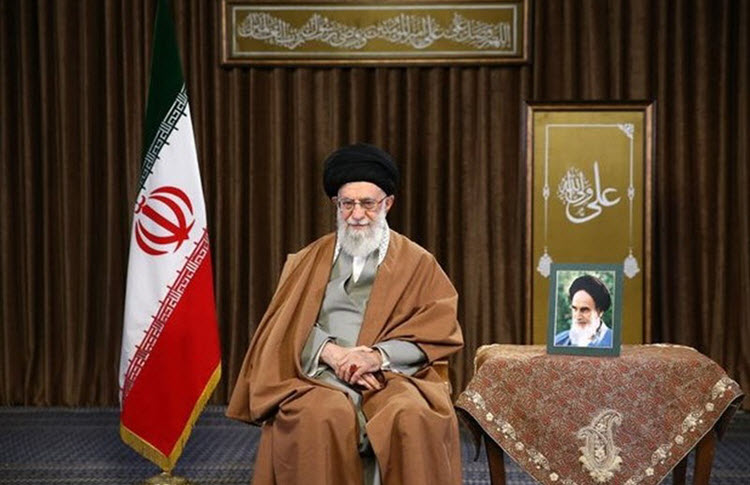
Supreme Leader Ayatollah Ali Khamenei

Iran Focus

London, 03 April – During his Nowruz (Persian New Year) speech just over a week ago, Supreme Leader Ayatollah Ali Khamenei spoke about the effect of the U.S. sanctions on Iran and about the ways the country can overcome its economic hurdles. He said that domestic production must be increased, meaning that the levels of imports must be drastically reduced.

Iran: Flood Damages Reveal Incompetence of a Falling Dictatorship

By Jubin Katiraie

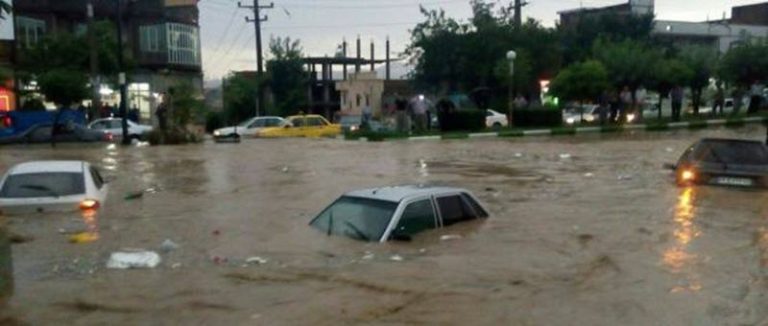
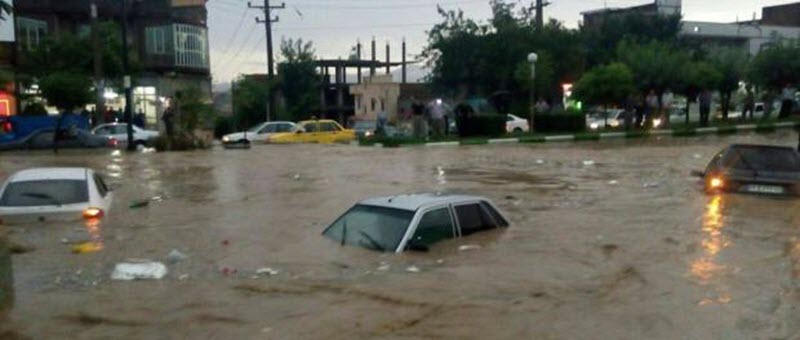
According to local officials across Iran, severe losses have been sustained due to the floods that hit 28 of the country’s 31 provinces during the past week. While no comprehensive reports regarding the economic impact of the floods is available yet, reports have surfaced saying a terrible blow has been dealt to housing, roads, farmlands, animal husbandry farms, and fish farms. As well, officials who deal with agriculture announced a preliminary estimate of $200 million worth of destruction to that sector.

In Kerman Province in the southeast, it is reported that some 1,600 kilometers of rural roads have been washed away by the floods. There are no reports about extent of damage in the city of Shiraz, as people dig out of the mud that is clogging the streets.

Iran Scheming to Circumvent U.S. Sanctions

Iran Scheming to Circumvent U.S. Sanctions

Iran Focus

London, 01 April – The Middle East is undergoing major changes after years of war and conflict. Iran is becoming increasingly desperate as its options run out, especially now that it is subject to tough economic sanctions.

It has been reported in recent weeks that Iran has the assistance of foreign financial institutions. Financial entities in Lebanon and Iraq are said to have been setting up money laundering schemes to circumvent U.S. sanctions and to funnel hard currency to Iran.

U.S. Oil Sanctions on Iran

U.S. Oil Sanctions on Iran

Iran Focus

London, 01 April – Last year, U.S. President Donald Trump announced that he was pulling the United States out of the Joint Comprehensive Plan of Action (JCPoA), or 2015 Iran nuclear deal as it is known. Crippling economic sanctions were re-imposed and the U.S. State Department said that all countries must reduce their imports of Iranian oil to zero.

Initially, waivers were not to be granted, but as the deadline got closer, it was not feasible for some of Iran’s biggest oil importers to cut their imports to zero. Waivers were granted to a certain number of countries and strict conditions were applied.

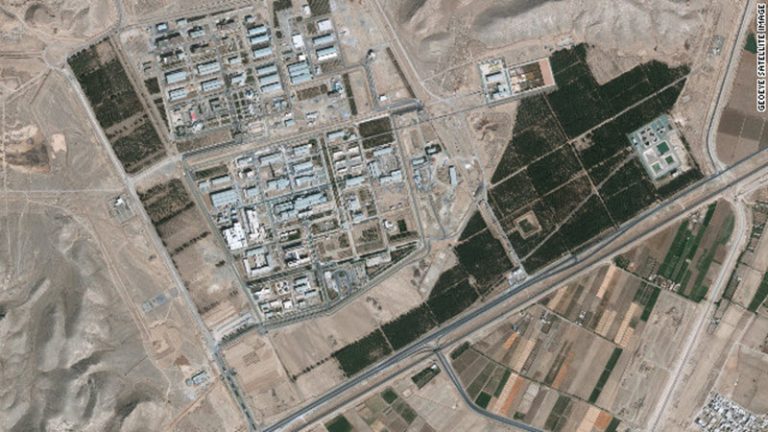
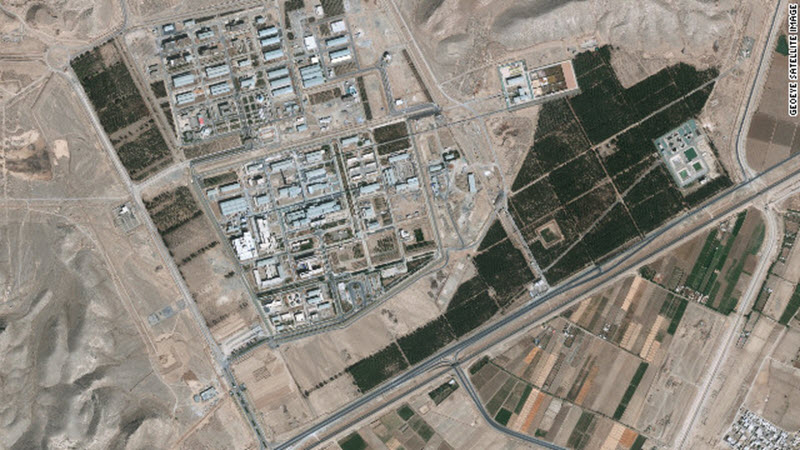
Iran’s Military Site at Parchin Must Be Inspected by the IAEA to Ensure Compliance

Iran's Military Site at Parchin Must Be Inspected by the IAEA to Ensure Compliance

Iran Focus

London, 30 March – Recently, the US Treasury and State Department took measures against 14 individuals and 17 entities linked to the Iranian Ministry of Defense, who are reported to be associated with Iran’s attempts to build nuclear weapons.

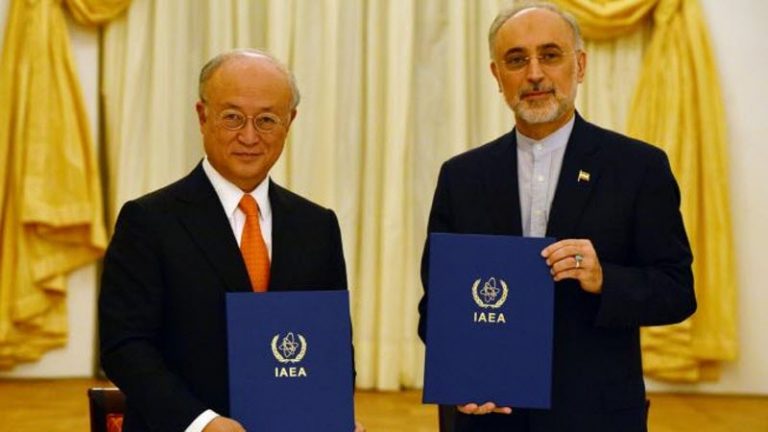
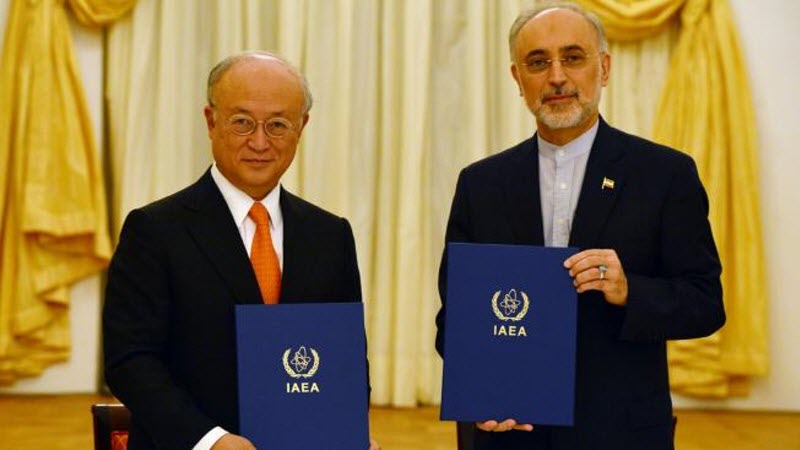
Although many proponents of the Iran nuclear deal argue that Tehran has curtailed its nuclear weapon ambitions per the Joint Comprehensive Plan of Action (JCPOA), and the latest report by the International Atomic Energy Agency (IAEA) shows that the Islamic Republic is complying with the nuclear deal, there are several reasons why some believe this conclusion is inaccurate.

Iran Nuclear Archives Must Be Examined and Investigated

Iran Nuclear Archives Must Be Examined and Investigated

By Jubin Katiraie

As part of the Joint Comprehensive Plan of Action (JCPoA), or 2015 Iran nuclear deal as it is known, Iran’s nuclear facilities are to be inspected by the International Atomic Energy Agency (IAEA). Inspections have taken place, but many are very unsatisfied with the level to which they are carried out.

For example, since the huge nuclear archive was discovered and handed over to the relevant authorities, no additional inspections have been carried out at any suspect sites. Inspections at pre-verified sites allow the Iranian regime to potentially carry out nuclear activities at a number of other sites – something that is very likely given the content of the nuclear archive that was discovered a year ago.

Resistance in Iran Continues

Resistance in Iran Continues

Iran Focus

London, 29 March – Since taking office, U.S. President Donald Trump has been on a campaign to curb the Iran threat. He has quite rightly identified Iran as the number one threat to peace and security in the Middle East and the number one state sponsor of terrorism.

His administration is in the midst of pursuing a maximum pressure campaign that has the aim of cutting the government off from the extensive revenue that it uses to fund terrorist activities and its militias and proxy groups that are scattered across the region. Some of Iran’s main allies in the region include the Houthi rebels in Yemen, Bashar al Assad of Syria, and the Shiite militias in Iraq.