Home Blog Page 315

Iran’s Blackmail Campaign Increases with Ship Seizure and Uranium Enrichment

0

Iran has increased its blackmail campaign over the past few weeks, with the intention of forcing the international community to agrees to its terms.

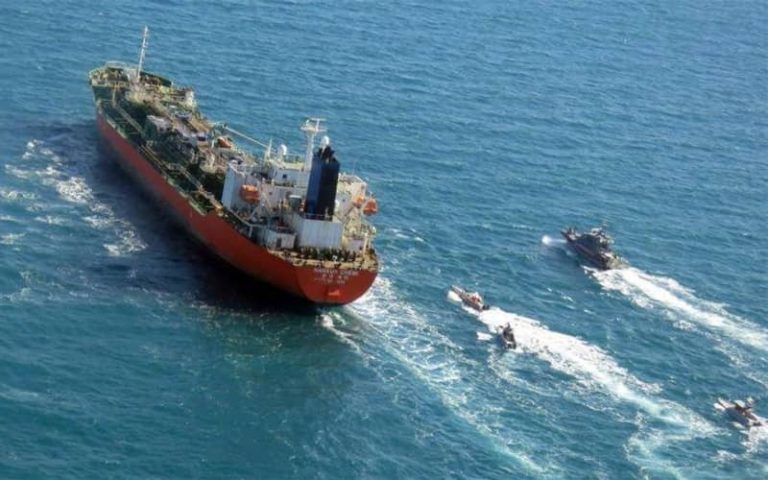
Recently, it announced that it had begun enriching uranium to 20 percent at the Fordow nuclear site before the Islamic Revolutionary Guard Corps (IRGC) actually illegally seizing a South Korean ship in the Persian Gulf on Monday.

The mullahs have tried to blame their actions on the rest of the world for not sticking to the Joint Comprehensive Plan of Action (JCPOA), otherwise known as the 2015 Iran nuclear deal, or even the ship they seized for allegedly polluting the Gulf waters, but Iran’s state-run media has revealed the truth.

Tehran Jeopardizes Global and Regional Peace with Unlawful Enrichment

The Vatan-e Emrooz daily, which is affiliated with the IRGC, wrote on Monday that Tehran’s true goals are to pressure the West into succumbing to the mullahs’ will.

“Enriching uranium at 20 percent was Iran’s winning card in facing western governments. [President Hassan] Rouhani’s government, at the beginning of the nuclear talks in Geneva two years before the JCPOA, generously accepted to halt in exchange for the lifting of sanctions and the recognition of Iran’s right to enrichment, none of which was realized,” the daily wrote.

“Now, in such circumstances, this concession can again force the JCPOA signatories to honor their obligations under the terms of the JCPOA, and thus return the balance in the number of obligations and duties to the nuclear agreement. In other words, experts believe that the beginning of Iran’s 20 percent enrichment could increase the probability of lifting sanctions much more than before,” Vatan-e Emrooz added.

This is not a response to Western non-compliance. Tehran has violated the deal since the very beginning, continuing nuclear tests and pretending to dismantle reactors, which is why the US withdrew from the deal in 2018.

In response, Iran stepped up its violations as a threat to the other signatories about what might happen if they too pulled out and as an attempt to gain concessions. This was ignored by the other signatories—particularly Britain, France, and Germany, which are pursuing a failed appeasement strategy—and Iran felt emboldened by this, which is what leads us to today.

“The seizure of this tanker in Persian Gulf waters sends a serious message to the South Korean government. A message that offers Seoul two options, either to choose to pay its long-standing debt to Tehran or (to compromise for the) security of its use of the Persian Gulf waterways in dealings with its Arab partners,” Vatan-e Emrooz wrote regarding the ship seizure.

Iran’s New Piracy and Blackmail

This is extortion, plain, and simple. The lives of all those aboard may be at risk.

“The international community should take firm action since Tehran’s ongoing belligerent activities have continued despite the Western powers’ persistence on the appeasement policies,” wrote the National Council of Resistance of Iran (NCRI), who has been exposing Tehran’s nuclear activities since 2002.
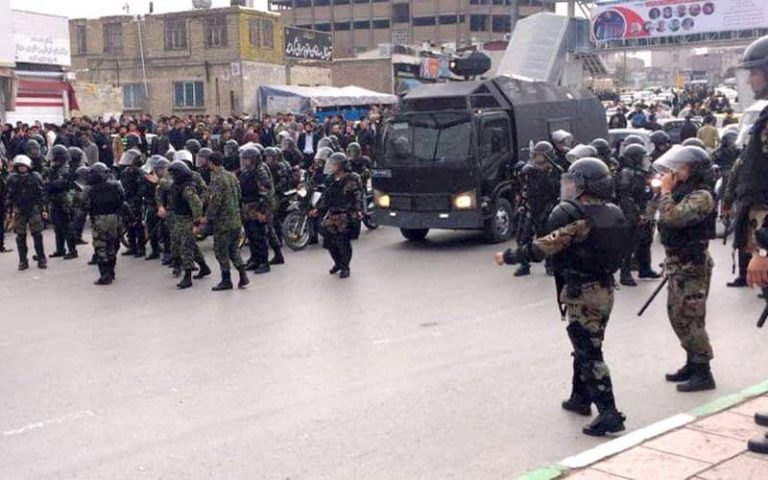
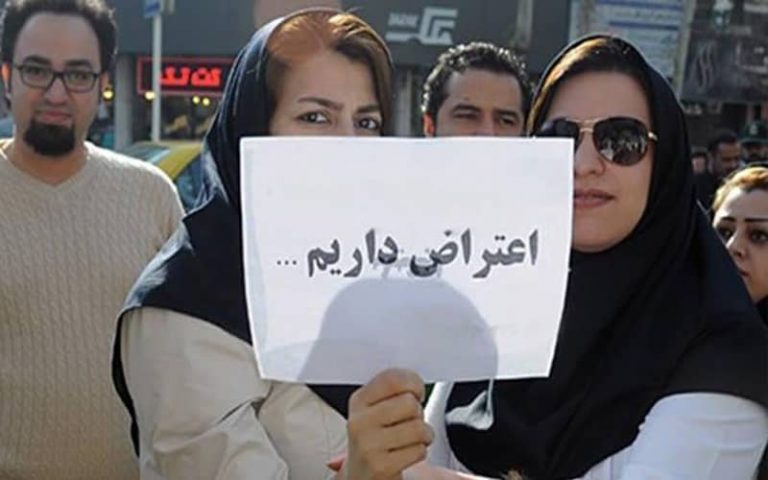
Rights Activists: Tehran Tortures Prisoners to Quash Protests

Throughout history, autocrats constantly struggle to save their unelected and illegitimate rule. Therefore, they do not want to hear any opposite voice and almost always resort to force and violence to hide their people’s real desire.

The Iranian authorities have issued heavy sentences to protesters and dissidents, as well as torturing those arrested, in an attempt to silence dissent and stop protests in their tracks.

While this has long been used by authoritarian governments, it became official policy in 2020 under Judiciary head Ebrahim Raisi, who served on the Death Committee during the 1988 massacre of political prisoners.

There are numerous reports of gruesome and ghastly torture in Iranian prisons from former detainees and human rights groups like Amnesty International and Iran Huaman Rights Monitor (Iran HRM), including:

  • Beatings
  • Floggings
  • Electric shocks
  • Suspension
  • Mock executions
  • Waterboarding
  • Sexual violence
  • Forced injection of chemicals
  • Denial of medical treatment
  • Denial of access to their family or lawyer
  • Prolonged solitary confinement
  • Forced to confess on TV

Amnesty International: Iran Uses Torture as Punishment

Here, we will look at just some of these cases in more detail based on the Iran HRM report, where you will find further information on the cases noted below and more.

Death Sentences for Protesters

Wrestling champion Navid Afkari, 27, was arrested following protests in Shiraz in August 2018 and sentenced to death. He was executed in Adilabad Prison on September 12, 2020.

Mostafa Salehi was arrested for his role in the December 2017-January 2018 protests and executed on August 5, 2020.

Iranian Authorities Confiscate the Late Mostafa Salehi’s Home and Properties

There are several other cases of death sentences being issued against protesters, based on vague charges and confessions under torture, including at least three in Tehran and five in Isfahan.

Heavy Prison and Flogging Sentences

At least three flogging sentences – those of Mohammad Baqer Souri, Ali Azizi, and Elyar Hosseinzadeh – against protesters have been carried out as of now, but there are many more that have been issued. Far too many to mention here, but this is a brief run-down:

  • Student Siavosh Norouzi Jafarlou, arrested during the January 2020 protests was sentenced to 8 years in prison and 74 lashes
  • Morteza Omid Beiglou, arrested during the November 2019 protests, was sentenced to 14 years in prison and 222 lashes
  • Teenagers Mohammadreza Heydari, Amir Bavi, Jabbar Fiouji, Ali Akbarnejad, and Salar Fiouji, also arrested in November 2019, were sentenced to a total of 468 lashes, as well as fines and prison time.
  • Mother-of-three Fatemeh Davand, arrested in November 2019, was sentenced to 5 years and 5 months in prison and 30 lashes
  • Hossein Hashemi, arrested in November 2019, was sentenced to 6 years in prison, 74 lashes, re-writing of religious books, and washing the dead

Iran Executes 30 in Three Weeks

Nurses Protest Across Iran

While protests are increasingly common across Iran, in spite of the dangers posed by both the coronavirus pandemic and the state security forces, these past few days have seen intense protests from nurses and healthcare workers.

They’ve actually held seven protests in the last four days alone across Ahvaz, Shiraz, Yazd, Yasouj, Bafgh, and Karaj, which we will look at here, all to demand their wages and benefits be paid.

Iranian Nurses, Forgotten Angels

Nurses’ Protests in Khuzestan Province

Many nurses from the medical centers and hospitals in Ahvaz and its surrounding cities held a protest on Tuesday outside the Khuzestan Governorate to protest unfair discrimination and a lack of job security, as well as to demand that they be paid the same as officially hired nurses. They wanted both the Governorate and the Medical Sciences University of Khuzestan to address these issues.

“They have deducted from our salaries and benefits for consecutive months. We have been going through difficult circumstances over the past year because of the Coronavirus outbreak,” the nurses said.

That same day and at the same place, nurses hired by the Ava Salamat company in Ahvaz, protested over the lack of response to their demands, saying that the privately-employed nurses work the same hours and do the same job as those employed in the government healthcare system, but that they are paid two to four million Tomans less.

On Sunday, nurses from some Khuzestan hospitals were fired and not paid their wages.

Iranian People Prepare for Anti-Establishment Protests

Nurses’ Protests in Karaj City

On Tuesday, healthcare workers from the Hospital of Karaj protested outside the Alborz Governorate over the non-payment of wages and benefits for four years.

They chanted: “Enough with hollow promises, our food baskets are empty.”

Nurses’ Protests in Yazd City

On Monday, healthcare workers hired by private companies gathered outside the Yazd Governorate to protest pay discrepancies between them and the public sector.

“We worked along with the official healthcare workers. But at the time of payment of salaries and benefits, we receive less than they do, because we are contract workers and we do not have the right to object,” they said.

Nurses’ Protests in Bafgh City

Also on Monday, nurses from the medical centre in Bafgh protested outside the Governorate with similar complaints and demanded their benefits, noting that they work just as much as the other nurse, but with no rights.

Nurses’ Protests in Yasouj City

Volunteer nurses, who have been fighting the coronavirus for over ten months, protested in front of the Governorate on Sunday over the refusal of the Medical Sciences University of Yasouj to hire them.

Their placards read “sacrifice must not be answered by unemployment” and “we defeated the virus but were fired from our jobs”.

Nurses’ Protests in Shiraz City

Privately-hired medical centre nurses and employees protested outside the Governorate with signs that read, “we helped you in the worst conditions; you abandon us in the worst circumstances. We demand our rights”.

On January 1, nurses and staff of Kowsar Hospital gathered to protest unpaid wages, with placards that read “pay our salaries” and “we protest.”

“The clerical regime exploits nurses and healthcare workers. In return for their sacrifices and hard work in the frontline of the fight against the Coronavirus, it does not pay their salaries and benefits or fires them,” said the National Council of Resistance of Iran (NCRI).

Iran: Khamenei’s Crocodile Tears for Nurses

Iranian Women in Unstable Jobs

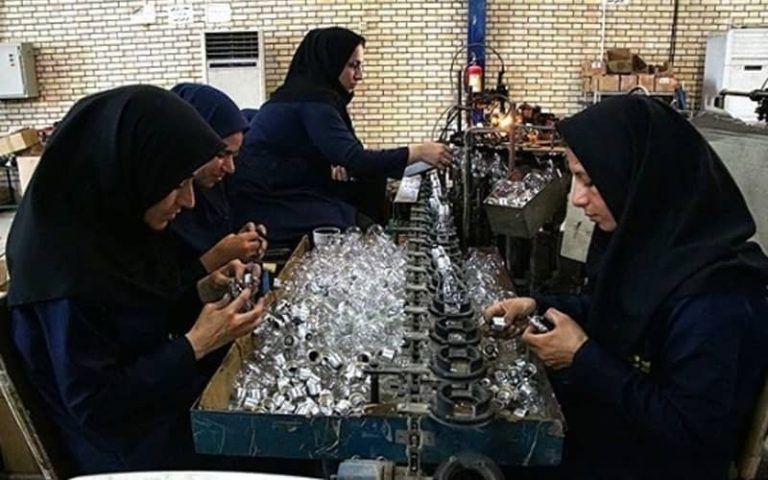
Some 60 percent of jobs in Iran are informal, with the figure rising to 70 percent in many provinces, which makes those workers more vulnerable to economic crises, especially those that follow the global pandemic.

As always, the situation is worse for women with the Iranian Parliament (Majlis) Research Centre found that 61 percent of women were working informal jobs in 2018 and that 84 percent of those women were working in places with less than five employees.

Dangerous Instability and Hyperinflation, Iran’s Economy in 2021

While the Organization of Social Security Research found in 2017 that women working at home or in small workshops made up 80 percent of uninsured workers. Many disabled women work in Iran, but they do not get legal support, their rights are ignored, and their salaries are often late or missing.

The trouble is that women are seen as cheap sources of labor by their employers and they are viewed as disposable; the first to go when employers have to reduce costs.

Now, the government claims that the number of people in employment rose by 3 million between 2015 and 2019, but the truth is that the majority of these jobs are insecure and part-time, with no insurance in the event that they get sick. It is a struggle for them to survive, but they often sign contracts for low-paid jobs because they are desperate to put food on the table.

Iranian People’s Shrinking Food Basket, Another Side of the Regime’s Plundering

Let’s look at some of the cases for female heads of household, as outlined by the Women’s Committee of the National Council of Resistance of Iran (NCRI).

Maryam, 47, a mother-of-three from Sari, works two cleaning shifts a day to care for her family, including an ill husband, without any help from welfare organizations, despite repeated appeals.

They built a small wooden shack to live in, but it has no power, the rooms have caught fire, and once the ceiling collapsed on them.

“If one day, for any reason, I do not go to work and stay home, that day, we would have nothing to eat,” she added.

Massoumeh, 50, a mother-of-two from Urmia, suffers from backache and chest pain but has been the breadwinner since her husband died. She has been unable to pay her rent in eight months because of a reduced demand for house cleaners and her landlord has repeatedly harassed her.

“The Coronavirus outbreak has had a direct impact on our life. The demand for housework has become much less than before. It’s been a long time since my children and I have eaten meat. I do not have any savings. If our relatives don’t help, it is impossible to continue like this even for an hour,” she said.

Khamenei Bans Importing COVID Vaccines, Leading Iran to More Deaths

In Iran, not a day goes by without sad news about increasing Covid-19 fatalities. Many people contract the novel coronavirus across the country and loss their lives without any medical care. More sadly, the officials care about neither people’s lives and health nor their dire living conditions.

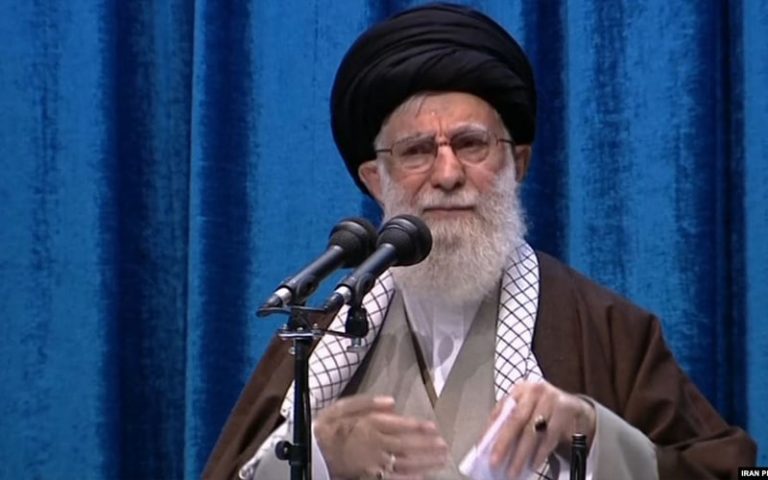
In such circumstances, the Supreme Leader Ali Khamenei, however, stepped further and banned citizens from accessing reliable foreign vaccines. “Importing American and British vaccines into the country is prohibited,” he said on January 8.

He also praised the government’s efforts for producing domestic Covid-19 vaccines, describing it as a dramatic achievement. This is while many experts, including health officials, openly forecast that domestic vaccines would be mass manufactured in July.

“Mass production of this vaccine needs certain infrastructure and the Covid-19 vaccine in Iran will begin mass production in July or August of 2021,” said Yahya Ebrahimi, member of the Parliament (Majlis) Health Commission, on December 29, 2021.

Khamenei also declared his skepticism about foreign vaccines, which have been approved by the World Health Organization (WHO). This is while the Food and Drug Organization Spokesperson Kianoush Jahanpour implicitly announced that Tehran pursues incredible vaccines.

“The vaccine needs to have approval in the source country and the people there need to be using it,” Jahanpour said on January 1, adding, “The exact date when the vaccine will be imported, and when the vaccination process will begin cannot be announced.”

Iranian officials’ delay is ending at the expense of citizens’ lives. During recent weeks, Tehran was raising different excuses to justify its failure to purchase the vaccine. On December 7, the Central Bank of Iran (CBI) Governor Abdulnasser Hemmati claimed that U.S. sanctions prohibited banking transactions required to procure Covid-19 Vaccines.

A few hours later, a COVAX spokesperson rejected Hemmati’s remarks, announcing, “There is no barrier by the U.S. for purchasing Covid-19 vaccines by Tehran.” Furthermore, an ICU expert Mohammad Reza Hashemian revealed that the government had imported many goods despite the sanctions.

“These days, [the government] purchases many foreign goods, and the vaccine is nothing in comparison. Anyhow, providing the vaccine and launching vaccination for a significant number of people will take time,” Hashemian said on January 6.

Earlier, member of the National Covid-19 Headquarters Mohammad Reza Mahboubfar had challenged officials’ claims about barriers. “People see that in countries like Iraq and Afghanistan, the spread of coronavirus has subsided due to the use of vaccines,” he said on December 12, 2020.

On the other hand, in its December 30, 2020 edition, Hamdeli daily quoted an open letter by 167 pharmacists, who had described the domestic vaccine as a ‘joke.’ However, Khamenei’s refusal to procure reliable foreign vaccines is in the line of a criminal policy.

In March 2020, he described the coronavirus as a ‘blessing.’ In this context, he resorted to this deadly disease to quell any objection and disappoint protesters. In such circumstances, while Khamenei forecasts further protests due to his state’s socioeconomic failures, he has resorted to the coronavirus to ensure his reign.

He hopes the upcoming U.S. administration grant economic reliefs and ease its dilemmas. However, he is seemingly neglected about the people’s slogan, “Our enemy is right here, [officials] are lying that it is the U.S.”

Iran Media Warns of Protests Over Crises

Dangerous Instability and Hyperinflation, Iran’s Economy in 2021

0

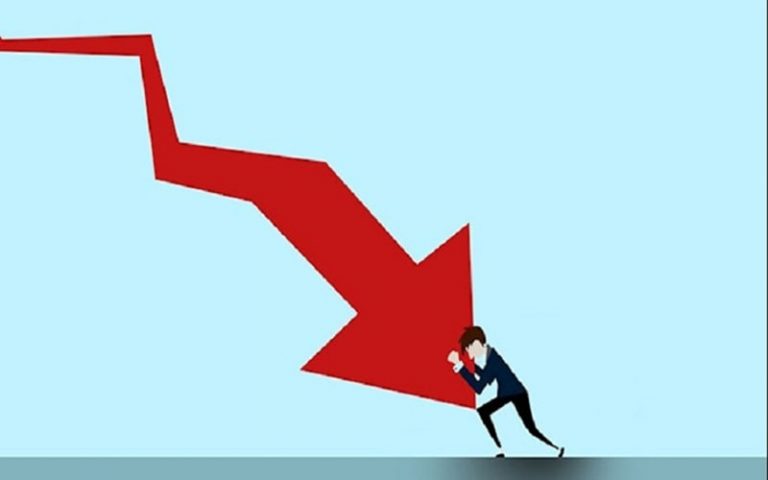
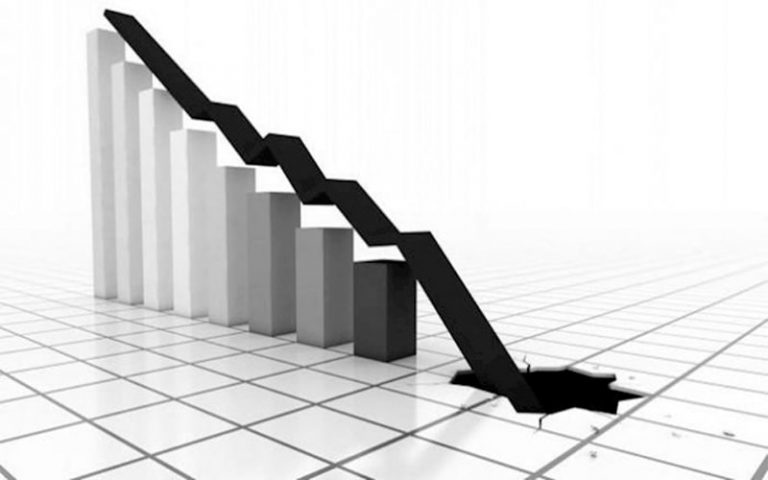
In the latest World Bank estimate of the state of Iran’s economy, the statistics provided again show negative economic growth and the economy shrinking in the past three years.

Iran’s Economy Has Shrunk by 16.5 Percent Over the Past Three Years

According to a World Bank report, Iran’s economy has shrunk by a total of 16.5 percent over the past three years. This is a statistic for the underprivileged, who also have a hard time making bread, and millions who are hungry, which means that their tables are getting smaller.

A noteworthy point in this report is the forecast of economic growth of 1.5 percent next year, which is rejected by both economists inside the government and the report of the Research Center of Iran’s parliament.

Some economic analysts in the country not only do not consider the conditions facing the system to be prone to any development and progress, but also assess the continuing decline and rise of the current situation with many problems.

Iran’s Government: “We Are 40 Years Behind the World”

Impossibility: A Possible Possibility

One of these economists wrote in an article entitled ‘Run Ahead’: “The economy and market in Iran have unique definitions in such a way that their coordinates are different from other countries in the world. The business score, degree of economic competitiveness, corruption rate along with the instability of trends in the country are so unfavorable that not only has made development impossible in such an environment but also production has faced many challenges in such conditions,” wrote Donya-e-Eghtestad wrote on January 7.

Economic Growth Is Just an Illusion

The Research Center of Iran’s Parliament has also recently announced its concerns and warnings about the 2021 budget. The center, which has also questioned the optimism of the World Bank, says that economic growth and production boom and inflation should not be pursued at all, which are now just an illusion, but what is possible and desirable is ‘predictability and economic stability’.

That is, the situation should not lead to the chaos resulting from demagogic schemes and the distribution of money that can only be obtained through the printing of banknotes.

Illusion of Growth

The lack of a realistic view of the 2021 budget revenues will put the economy in a state of instability, the report said.

“The study emphasizes that ‘the risk of hyperinflation is not far away’ and emphasizes that the expansion budget can only be reasonable if it does not threaten the macroeconomic stability of the country. This is unattainable for the year 2021,” Donya-e-Eghtestad added.

Thus, even a specialized parliamentary body, like other economists out of power, believes that any hope and expectation for growth slightly above zero in Iran is a mirage and that the more formidable danger of ‘super-inflation’ is imminent.

Economic Growth Aren’t Iranian Policy-Makers’ Priority

Government economic analysts believe that “policymakers should not make the fundamental mistake of proposing expansionary budgets because of the recession, as government resources are currently very limited and financial expansion will certainly lead to monetary expansion, leading to the risk of hyperinflation,” Alef website wrote on January 7.

“Therefore, if the 2021 budget is calculated on the basis of unrealistic sources, the country’s economy will be caught in the trap of high inflation and more instability in various markets,” Alef website added.

A noteworthy point in predicting very low probable growth for next year is acknowledging the fact that growth from oil sales and spending its revenues on missile construction and the cost of exporting terrorism and filling the pockets of the factions sitting on oil wells can make no difference in livelihoods of millions of Iranians.

The parliamentary research report explicitly points to this fact: “This study shows that for next year, under different scenarios, we can have a small positive economic growth or, if oil revenues increase, a significant positive growth through this sector,” Eghtesad 24 website wrote on January 7.

“However, it should be noted that even if there is significant positive economic growth, we cannot expect a significant improvement in the living conditions of households, especially in the lower deciles. Because this economic growth will be in sectors that do not have a significant impact on employment,” Eghtesad 24 added.

The Picture of Iran’s Economy in 2021

Studies and evaluations of international institutions and government centers in Iran show that the expectation of growth and the dream of overcoming the incurable economic crisis is nothing more than a fantasy. This means that there is no longer any window of hope that can straighten the broken back of the system, and the improvement of the living conditions of millions of poor people who are suffering from hunger and disease is a delusion.

Money for Tackling Air Pollution Wasted on Iran’s Global Terrorism

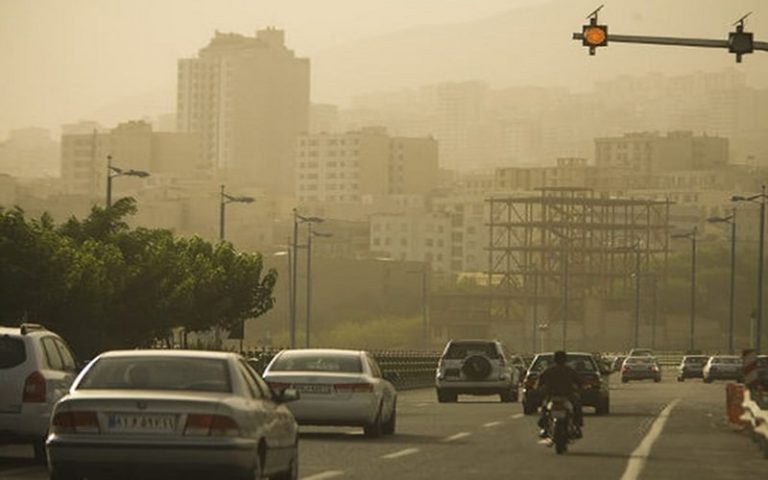
Air pollution in Tehran and many other metropolises have made life difficult for people in Iran, especially in the coronavirus conditions where people, especially patients, need to breathe more outdoors.

In the recent crisis of air pollution, patients are the first people whose lives are endangered by breathing polluted air. In metropolitan cities, the air pollution situation is such that there are few people who are not exposed to it.

To reduce the effects of air pollution, experts recommend consuming dairy products and fruits, but with their skyrocketing prices in the past few months, their preparation has become virtually impossible for many Iranians.

The air pollution situation is so critical that an environmental expert considered the casualties worse than the coronavirus, and in this regard, Ebtekar daily wrote on January 3: “The issue of using diesel fuel in power plants has made breathing conditions so difficult that now it threatens people.

World Must Push Iran to Procure Covid-19 Vaccines for its Citizens

“Experts have always stressed that the problem of air pollution is much more dangerous than the problem of the coronavirus, a virus that has spread around the world with less than two million deaths today, but air pollution causes seven million premature deaths worldwide each year.”

Endangering people’s health due to air pollution is severe that Majid Farahani, a member of Tehran’s City Council, acknowledged: “Air pollution has reduced the life expectancy of Tehran residents by an average of five years, and the number of air pollution deaths are equivalent to a giant Airbus crashing in Tehran every week, and we (the government) do not care!” Fars news agency wrote on September 9, 2018.

Experts and the state media agree that the cause of air pollution is due to fuel oil for power plants, workshops, manufacturing plants, petrochemicals, steel mills, etc.

In this regard, Arman daily wrote on January 3: “Some 15 million liters of fuel oil have taken people’s breath away.”

In justifying this crime against the people and their health, Issa Kalantari, head of the Environmental Protection Organization, said: “Refineries are currently full of fuel oil, and no one buys them due to international sanctions, so we have to use fuel oil in some places,” the daily added.

An environmental expert accused Rouhani government officials, including Kalantari, of lying, saying: “Officials have pursued a policy of lies, and we all know that the country’s power plants and industries are burning fuel oil. The reason for this is very clear. Until a few years ago, Iran sold 15 billion liters of fuel oil to the UAE,” Arman continued.

In the current situation where Tehran and many metropolises are suffering from severe air pollution, the temporary solution to reduce air pollution is to close the metropolises, but the government refuses to do so because they do not want to pay such a price.

According to the report of Tasnim news agency, Abdulreza Rahmani Fazli, the interior minister, in response to a request by many people regarding the closure of Tehran, said: “No decision has been made for the closure,” Tasnim wrote on January 3.

In addition to the people, government environmental experts also recommend that Tehran and the polluted metropolises be closed for at least a few days to reduce the burden of air pollution.

In the winter, the smoke and polluting gases of power plants, after being released into the air, return to the ground due to the cold weather and cause air pollution.

Regarding the reason why the Rouhani government did not close Tehran and the polluted metropolises, Fazli added: “We have to manage the situation with the least cost.”

Wasting Important Resources for Reducing Air Pollution on Regional Interferes

Iran’s government claims that it does not have the necessary budget to carry out the measures due to sanctions, but sanctions and lack of funding are a trivial excuse to which this establishment and Hassan Rouhani’s government resort.

Because when it comes to inciting war in the region, they waste the people’s wealth freely, and sanctions are not an obstacle.

Mahmoud Chaharbaghi, one of the leaders of the Islamic Revolutionary Guard Corps (IRGC), while saying a memory about the dead Quds force commander Qassem Soleimani, said: “The Supreme Leader [Ali Khamenei] told Sardar Soleimani to go and protect Bashar al-Assad. General Soleimani’s mission was to prevent the overthrow of Bashar al-Assad’s government in Syria,” State TV Channel One aired Chaharbaghi’s remarks on January 2.

Who Was Qasem Soleimani, the Head of Iran’s IRGC Qods Force Terror Group?

It is natural that the maintenance of Bashar al-Assad is not without massive costs for the Iranian people, and billions of dollars of Iranian wealth have been spent on it.

Mohammad Reza Naghdi in charge of coordinating the IRGC admitted that they had spent nearly $17 billion on all expenses related to diplomacy, culture, defense, and security in Syria.

Certainly $17 billion is an underestimation. On May 20, 2020, Heshmatollah Falahatpisheh, the former head of the Security Committee of Iran’s parliament, said that $30 billion had been spent in Syria.

Wasting Iranian People’s Wealth on Proxy Wars and Terrorist Acts

This is at a time when the cost of solving the problem of air pollution is much less than the money spent in the region over the years.

The solution that the government has devised to solve the air pollution crisis is nothing but lies. Massoud Tajrishi, the government deputy environment minister, said: “There is no will to eliminate air pollution in Tehran,” wrote Setareh-e-Sobh daily on January 3.

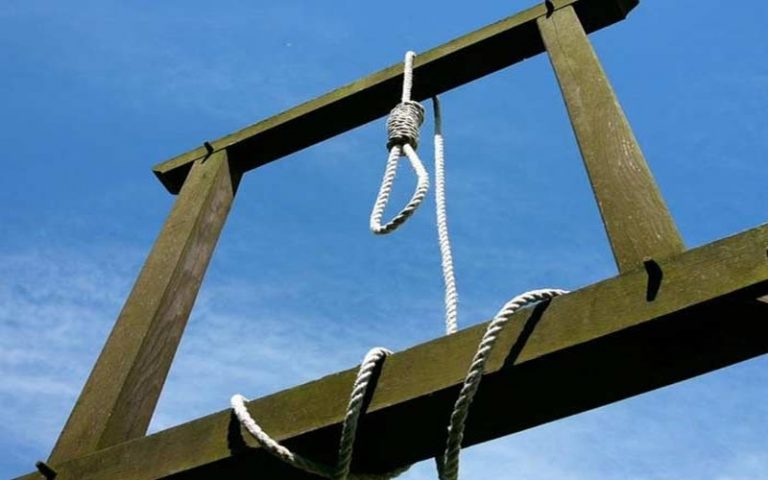
Iran Executes 30 in Three Weeks

Iran has executed 30 prisoners in just under three weeks, according to a report by the Iranian Resistance.

This list of executions includes at least two political prisoners and three Sunni prisoners, Hamid Rastbala, Kabir Sa’adat Jahani, and Mohammad Ali Arayesh.

The latest executions came on the same day that State Security Force (SSF) deputy commander Qassem Rezaei instructed his agents to “break the arms” of defiant youth and claimed that the only right prisoners have is to life, which not only shows violations of international law but also seems to say that the executions violate the rights of prisoners.

It should come as no surprise that Iran violates international law on the rights of dissidents. Amnesty International has confirmed that they opened fire on protesters in November 2019, killing hundreds, and several rights groups have confirmed the massacre of prisoners in 1988.

The reason that Tehran is increasing its oppression of people now is that they fear another uprising – despite the coronavirus pandemic that is raging – because the crises that caused the last uprising have only gotten worse, including inflation, corruption, and human rights abuses. All the while, the government doesn’t try to help the people but rather wastes the money on missile programs and terrorist groups; something that enrages the people.

Iran’s New Piracy and Blackmail

But given the increased oppression, documented by human rights groups, shouldn’t the international community step in?

After all, seven United Nations human rights experts wrote to the Iranian authorities in September regarding the 1988 massacre and demanding an investigation into these “crimes against humanity” and the “systematic impunity enjoyed by [perpetrators]”. Indeed, Judiciary Head Ebrahim Raisi and Justice Minister Alireza Avaei were high ranking death commission members.

Well, the European Union has “condemned” Iran’s human rights violations, but refuse to take actions to help the matter, such as ending the appeasement policy or making relations contingent on an end to terrorism and human rights abuses.

Let’s not forget that in December, Iranian diplomat Assadollah Assadi went on trial for attempting to bomb an opposition rally in France, with prosecutors saying that he acted on the orders of Iran’s highest authorities—These leaders also haven’t disavowed him as a rogue agent.

“The Iranian people have to pay the price of the EU’s failure in abiding by its humanitarian values. The 2018 bomb plot showed that EU citizens also have to pay a heavy price when their leaders maintain negotiating with the terrorist regime in Tehran,” the Iranian Resistance stated.

EU Policy on Tehran Leads to Terrorism

“The EU should act now. It should go beyond letters and condemnations, and it should not allow the regime to make executions in Iran ‘regular’ for the world community. If not contained, the regime will spread terror and chaos across the globe,” the statement added.

Economic Growth Aren’t Iranian Policy-Makers’ Priority

In the past four decades, Iranian authorities have shown that they do not care about democracy and economic growth. Instead, they spend all the country’s national resources and capacities on preserving their rule.

Economic growth is, of course, the outcome of a scientific procedure and responsible policymaking, which relies on known financial norms. Such a system certainly benefits from mankind’s science and experience. In contrast, China’s improvement and that of its neighboring countries showed that economic succession and growth would not be achieved through an autocratic government.

Iran Suffers from Economic Confusion

According to government-linked economists and their studies and analysis, Iran’s economy suffers from chronic and long-time confusion. In developed countries, the path of economic improvement is defined as the economic growth axis. All the while, economic growth is no longer among Iranian policymakers’ priorities for many years.

Economists examine three indicators to describe a country’s economic situation, including inflation, employment, and particularly economic growth. However, Iranian economist Farhad Nili, who had already collaborated with international bodies, believes that officials have put aside economic growth for a long while.

“Economic growth was not politicians’ first priority. Therefore, people’s welfare has gradually been reduced. Among decisionmakers and policymakers, economic growth is neither seen nor determinative,” Nili said in an interview with Donya-e Eqtesad paper on December 26.

“[Economic] growth should have become the main goal of the country’s long-term decisions. However, it’s not seen that economic improvement had been raised a binding restriction in the country’s long-term decisions; as inflation is not a short-term binding in decisionmakers’ adoptions,” he added.

Statistics About Economic Growth Are Just a Show

Iranian officials deeply neglect real economic growth and try to dupe society with fictional statistics. In other words, improving people’s welfare is the inevitable result of economic improvement. However, in such circumstances, not only has citizens’ well-being not improve but it is deteriorating by the day.

This deterioration may be seen in the increase in essential goods’ prices, drop in the national currency, disappearing necessary supplies, rising taxes, and skyrocketing rents and house prices, pushing many citizens to reside in slums.

In a nutshell, economic growth is a longstanding concept. In this context, the figures provided by the Central Bank of Iran (CBI) or the Statistics Center or short-time fluctuations in national incomes cannot be considered as reliable indicators for economic development.

Unbridled Poverty, An Inherent Outcome of Iran’s Systematic Corruption

In other words, 1.5-percent positive or negative growth in a year cannot surprise economists or make a fundamental change in a country’s economic path.

“If you see that a 1.5-percent growth has made policymakers happy, it is not because of their concerns about the people’s welfare, or they say, ‘Nice, our growth may expand the people’s product basket.’ No, [policymakers] tout this growth to say that ‘sanctions were ineffective’ and non-economic decisions did not badly harm the people’s economic interests. Therefore, raising these figures for positive change is probably a kind of a show,” wrote Tejarat-e Farda website on December 26.

Economy Isn’t Policymakers’ Priority

Furthermore, in addition to economic growth, the country’s inflation and employment rates are very important. However, Iranian rulers do not pay attention to these critical elements in either policymaking or macro schedules. Another economist Davoud Souri says that Iranian officials do not prioritize financial issues.

“[Economic] growth, along with inflation and unemployment, are among the most important financial indicators. However, economic issues are not considered as policymakers’ concern generally. In this status quo, economic policymaking has turned into a routine issue,” Donya-e Eqtesad quoted Souri as saying on December 26.

“Our politicians absolutely see no reason to react to economic dilemmas or to recognize them as an actual concern,” Souri added, raising the alarm about people’s financial grievances and its severe consequences for Iran’s rulers.

Political Tyranny, the Main Cause of Poverty and Underdevelopment

Iranian officials have practically been crippled to resolve society’s problems due to systematic corruption engulfed all over the ruling system. They attempt to dissuade people’s demands and protests by following the Eastern states’ pattern. However, it seems that they have even failed in such a plan and could not gain significant achievement in this context.

For more than 41 years, the ayatollahs have mixed a political tyranny with outdated religious beliefs, which has put not only the economy but also health, culture, agriculture, industry, and everything on the verge of collapse. Officials frequently warn and blame each other for the erosion of public trust.

They believe that people’s fury and disappointment are the leading and efficient threat to their ruling system. However, despite repeated warnings, they have no solution to regain public trust. In this respect, they tirelessly line their pockets and foreign accounts with national resources, send their family members to Europe, Canada, and Australia, and await their dark fate.

Iran: Improving Citizens’ Livelihood or Stealing From the Nation

Revelations Over Soleimani’s Killing of Coalition Forces

0

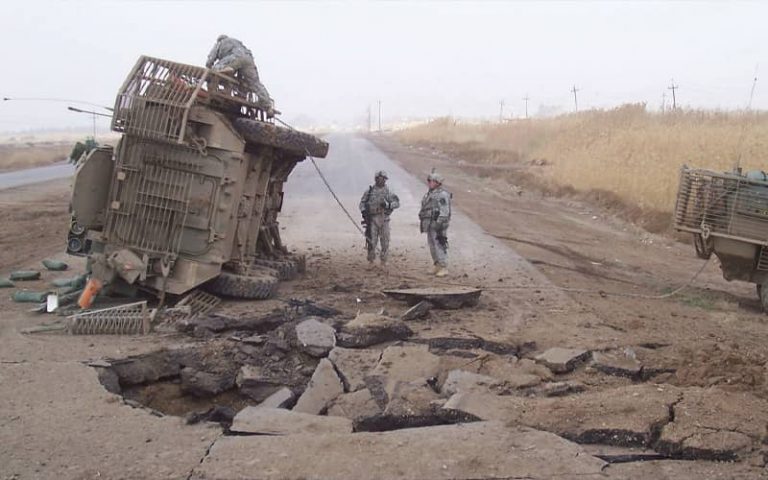
The head of an Islamic Revolutionary Guard Corps (IRGC) and Quds Force front company – Nader Talebzadeh of New Horizon, which was sanctioned by the U.S. government in 2019 – revealed that Iran’s deceased terrorist mastermind Qassem Soleimani “used Improvised Explosive Devices (IED)” to target American forces in Iraq.

“Who made so much trouble for them [American troops]? It was the same commander of shadows. Who trained [Iran’s terrorist proxy groups] and used the tactic of using roadside bombs, who were like stones? The Americans called these bombs IEDs,” he said.

Who Was Qasem Soleimani, the Head of Iran’s IRGC Qods Force Terror Group?

“I remember how disturbed they were, how the U.S. media reflected this disturbance in 2003 after the U.S. occupied Iraq. Who disturbed them? Whose idea was it? The IED is the abbreviation of Improvised Explosive Device, meaning inventory explosions, so the target couldn’t recognize whether it was a bomb or a stone,” Talebzadeh added.

“The target would pass this object, then, for example, its Humvee, its tank would blow away. We saw the footages, but whose terrifying shadow was behind it, who devastated them? One day we should make films about it, and all other works he [Soleimani] had done. One of them was the IED in Iraq, for which the Americans continued blaming Iran and the Quds Force. This was one of his little initiatives to make Iraq unsafe for the Americans,” he continued.

Talebzadeh went on to boast about how Tehran’s terrorism is still a threat and that they were behind the recent attacks on the U.S. embassy in Iraq, which proves what the Iranian Resistance has been saying for ages about Iran’s disastrous impact in the Middle East, and their claims about his use of IEDs against U.S. troops, which were published last January.

“Soleimani and his proxy groups in Iraq and Afghanistan were behind the flow of IEDs to Iraq and Afghanistan. The devastating IEDs were used extensively during the war in Iraq between 2003 and 2011, and it is called the number one killer of the war [and] 17 percent of all US service personnel deaths between 2003 and 2011,” the Resistance wrote.

“The sophisticated IEDs were secretly manufactured in Iran’s military industry factories under the order of the Quds force and were distributed in Iraq and Afghanistan. Later Iran’s military factories manufactured a more powerful and deadlier roadside bomb called explosively formed projectiles (EFPs). EFPs were built under a confidential order by the Quds Force in Iran. Explosively formed projectiles were advanced improvised explosive devices that were harder to detect, could penetrate thicker armor and be more lethal than traditional IEDs.”

Soleimani had also used the IEDs to target members of the Mojahedin-e Khalq (MEK/PMOI) in Iraq during the 1990s, including the 1999 attack on a bus full of MEK members, killing six and injuring 21.

Soleimani was killed on January 3, 2020, in a U.S. airstrike on a convoy in Baghdad.

“It is time for EU leaders to stop the appeasement policy, shut down the mullahs’ embassies in Europe, expel Iran’s agents, and sanction all the Iranian regime’s officials for their roles in terrorism and human rights violations. The EU should make it clear for Tehran that its terrorist activities will no longer be tolerated,” the Iranian Resistance said.

Zarif Personally Involved in Iranian Terrorism and Hostage-Taking