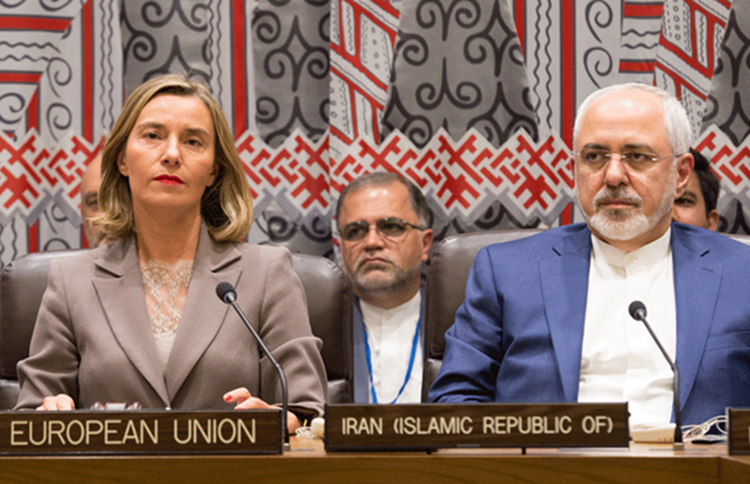
Iran announced on Monday that by the end of June it would exceed the enriched uranium stockpile limits that it agreed to under the 2015 nuclear deal between it and six world powers, which would violate the deal.
The only question is how will the signatories to the deal respond?
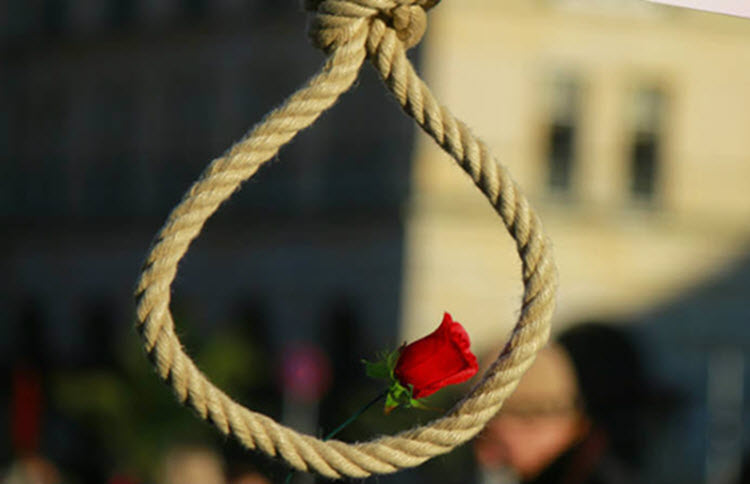
On June 10, two inmates in the notorious Greater Tehran Penitentiary (Fashafouyeh) stabbed Iranian political prisoner Alireza Shir-Mohammad-Ali to death.
Shir-Mohammad-Ali had been arrested and detained in July 2018 and was sentenced to eight years in prison following an unfair trial in the regime’s preliminary court in which he was convicted on charges of “insulting Islamic sanctities,” “insulting the supreme leader” and “spreading propaganda against the system.”
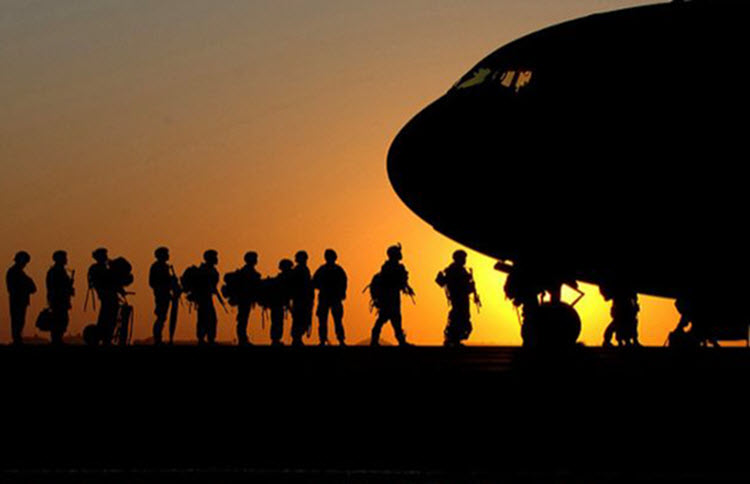
The Pentagon announced Monday that the US will send 1,000 additional forces and more military resources to the Middle East as tensions with Iran continue to grow.
Acting Defense Secretary Patrick Shanahan said in a statement: “In response to a request from the US Central Command for additional forces, and with the advice of the Chairman of the Joint Chiefs of Staff and in consultation with the White House, I have authorized approximately 1,000 additional troops for defensive purposes to address air, naval, and ground-based threats in the Middle East.”
The British ambassador to Iran denied on Sunday that the Iranian foreign ministry summoned him after London said Tehran was “almost certainly” responsible for tanker attacks in the Gulf last week.
Ambassador Rob Macaire tweeted that the claim that he was summoned was “news to [him]”, just one day after the Iranian foreign ministry released a statement saying they had summoned his because of his government’s accusations.
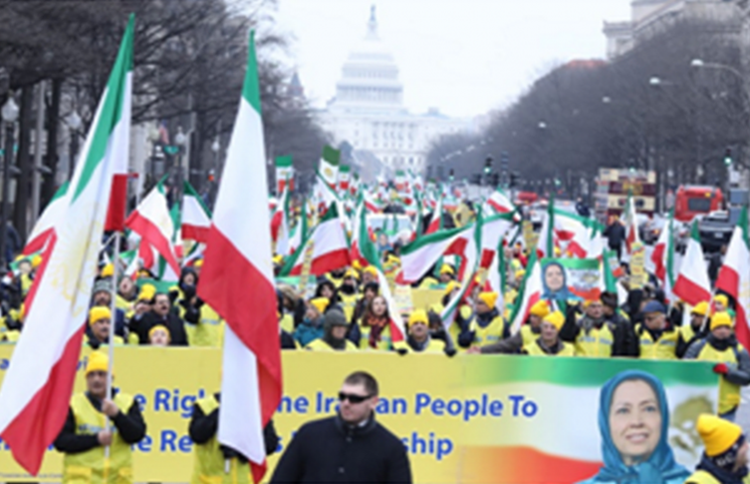
Several thousand members of the Iranian Diaspora and supporters of the People’s Mojahedin (Mujahedin-e Khalq or MEK) will march on Washington, DC, on Friday, June 21, to urge the US government to recognise the Iranian people’s call for regime change in their country and to show support for the democratic Iranian opposition movement led by Maryam Rajavi.
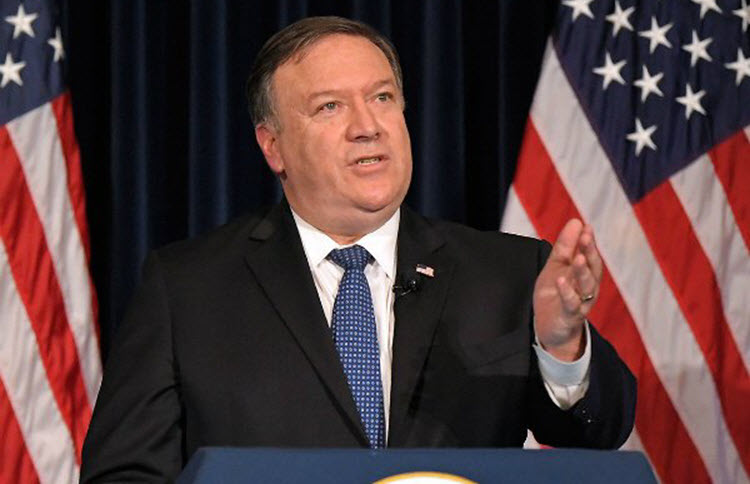
London, 17 June – US Secretary of State Mike Pompeo said Sunday that America does not want war with Iran, but will take every necessary action to ensure safe navigation through vital shipping lanes in the Middle East.
Pompeo said: “We don’t want war. We’ve done what we can to deter this. The Iranians should understand very clearly that we will continue to take actions that deter Iran from engaging in this kind of behaviour.”
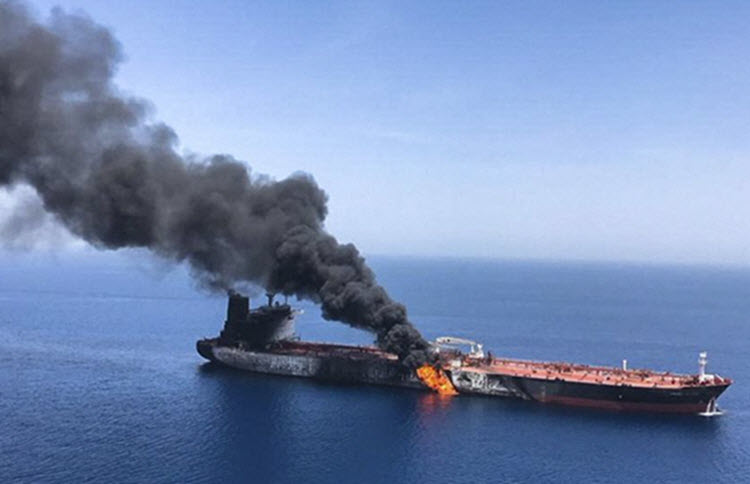
Tensions between the two countries are high right now after U.S. President Donald Trump accused Tehran of being behind the attacks on two oil tankers in the Gulf of Oman on Thursday.
Pompeo defended this, saying that there is a lot of evidence to prove Iran’s involvement, besides the video footage released last week. Several other countries have since agreed with the US about Iran’s involvement including Saudi Arabia and the UK.
Pompeo said that the US is discussing a possible international response to secure vital shipping lanes, but didn’t provide further details.
He said: “I’m confident that when they see the risk, the risk of their own economies and their own people and outrageous behaviour of the Islamic Republic of Iran, they will join us in this.”
The US is already engaged in a standoff with Iran over its nuclear program and other malign behaviour in the Middle East, including previous attacks on oil tankers in May and the targeting of US drones in Yemen by the Iran-backed Houthis on June 13.
Other American politicians have agreed with Pompeo about the blame landing on Iran, with Democratic Representative Adam Schiff, who chairs the House Intelligence Committee, calling the evidence “compelling”.
Some conservative congressional Republicans also called for a tough stance on Iran.
Steve Scalise, the No. 2 House of Representatives Republican, said the White House had been briefing Congress on Iran.
He said: “We don’t want to see it escalate to where it is a military operation. But we have to stand up to Iran.”
While Senator Tom Cotton, a member of the Senate Armed Services and Intelligence committees, said: “Unprovoked attacks on commercial shipping warrant a retaliatory military strike.”
The Arkansas Senator explained that Donald Trump is legally able to do this under US law because Iran is interfering with the freedom of navigation on the open seas and in the air.
He said: “That’s exactly what Iran is doing in one of the world’s most important strategic chokepoints.”
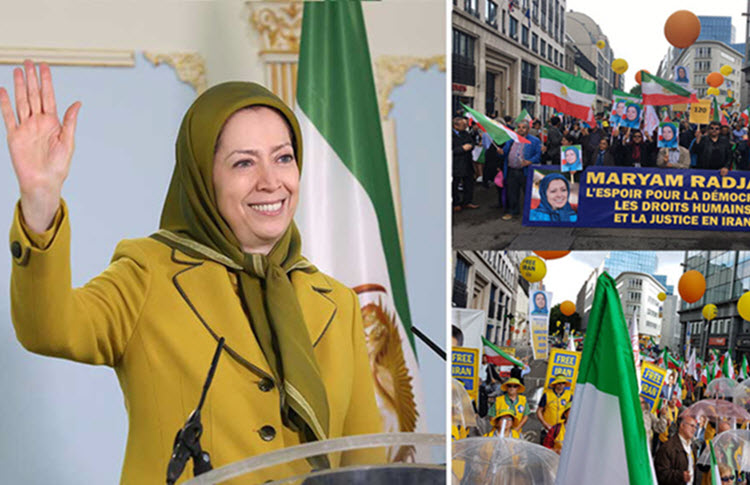
On Saturday 15 June, thousands of protesters gathered in Brussels in a demonstration against Iran’s clerical regime and its appalling and worrying abuses of human rights and its belligerence across the region and beyond.
The protestors also voiced their support for the main opposition to the Iranian regime, the People’s Mojahedin Organization of Iran (PMOI/MEK), and voiced solidarity with the MEK’s Resistance Units inside the country.
The leader of the opposition, Maryam Rajavi, addressed those that had gathered. In a video message, she highlighted that the regime is nearing an end and that the people overwhelmingly want regime change.
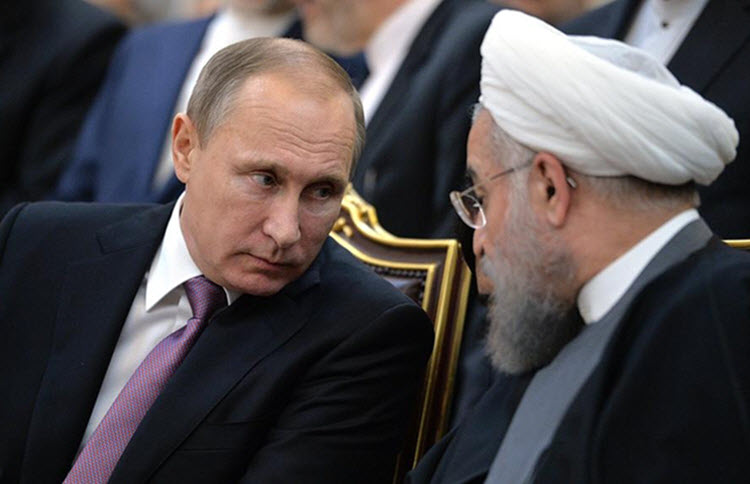
Russia has recently been voicing its support for Iran in light of US pressure and sanctions on the country, but despite their shared goals of scuppering US policy in the East, the two nations are not natural allies, writes Dr Majid Rafizadeh.
This may surprise those who know that Russia’s foreign policy since 1979 has been focused on improving ties with Tehran in order to use Iran as leverage to cajole the West into giving Moscow favourable treatment.
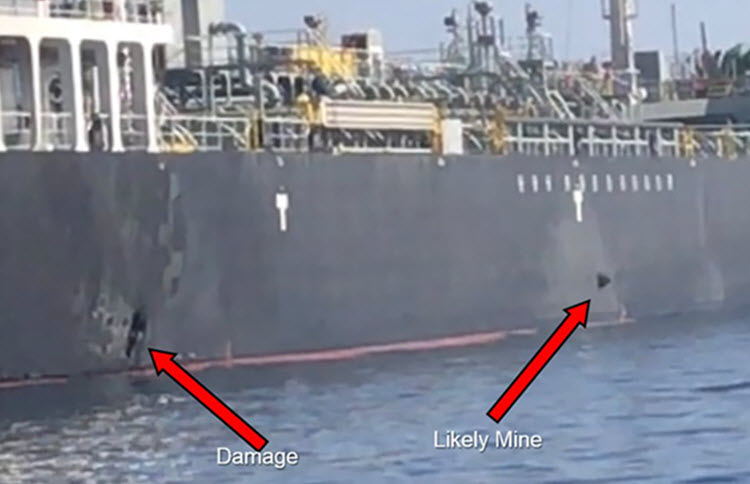
The US released a video on Thursday that it says shows the Iranian navy an unexploded mine attached to the Japanese-owned chemical tanker Kokura Courageous, which was one of the two tankers attacked that day in the Gulf of Oman.
Secretary of State Mike Pompeo blamed Iran for attacking the Kokura Courageous and the Norwegian-owned Front Altair, saying that he had intelligence pointing to the regime. That night, US Central Command released the video.
On Thursday, two oil tankers were damaged just off the coast of Iran. They were sailing through a strategic sea lane when the tankers were attacked. They have been damaged by explosions. The vessels were sailing through international waters after leaving the Strait of Hormuz when explosions went off.
This is the second incident that has happened in the Gulf of Oman in the past month. The attack last month was attributed to Iran.