The World Bank is now predicting that Iran will experience a worse recession in 2019 than was previously thought, as US sanctions tighten around the oil exports that are the main revenue source for the Middle Eastern country.
In the Washington-based institution’s latest Global Economic Prospects report, published on Wednesday, it revealed that it expects Iran’s Gross Domestic Product to fall by 4.5% this year, compared with its previous estimate of a minus 3.6% GDP growth.
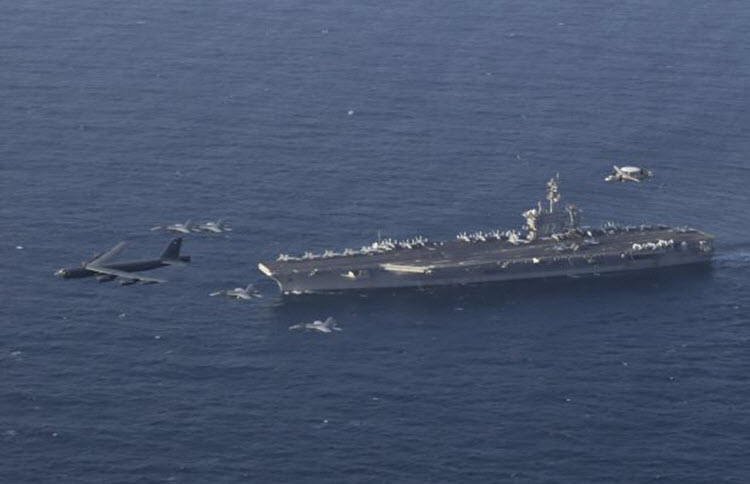
Several US officials have said that military tensions between Iran and the US have been easing, just a month after that US sent an aircraft carrier to the Middle East because they feared that Iran as preparing to attack US troops in the region.
One defence official with direct knowledge of the situation said: “It seems tensions have dropped some, but we are still watching very closely, we haven’t relaxed, we remain vigilant.”
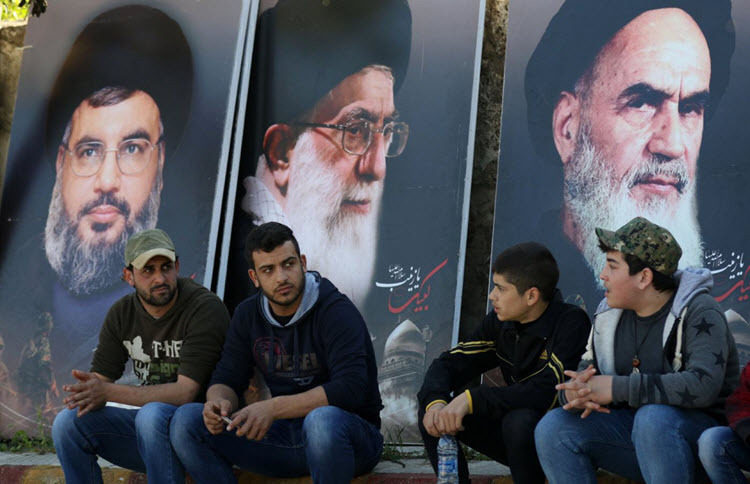
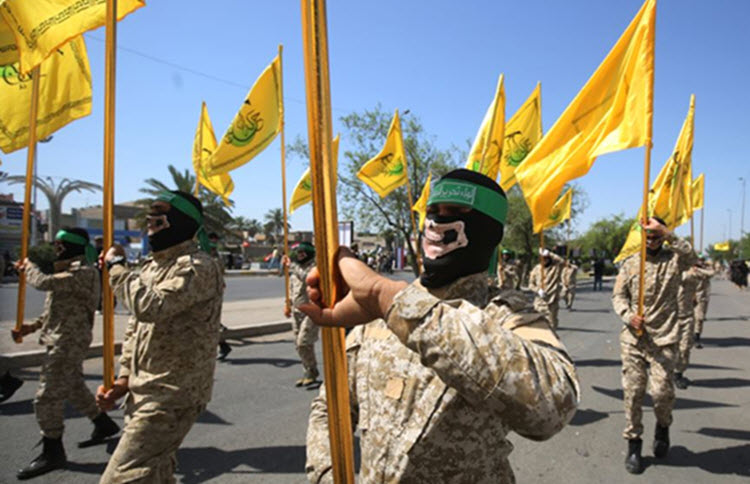
US President Trump is waging financial warfare against Iran and its terrorist network. Hezbollah, Iran’s terrorist proxy in Lebanon, is getting the worst of it, as the Trump administration works to pry it away from Iran.
It receives 70 percent of its annual revenue from Iran — totaling around $700 million in annual funding. Hezbollah is running out of funds. It needs Iranian cash to survive.
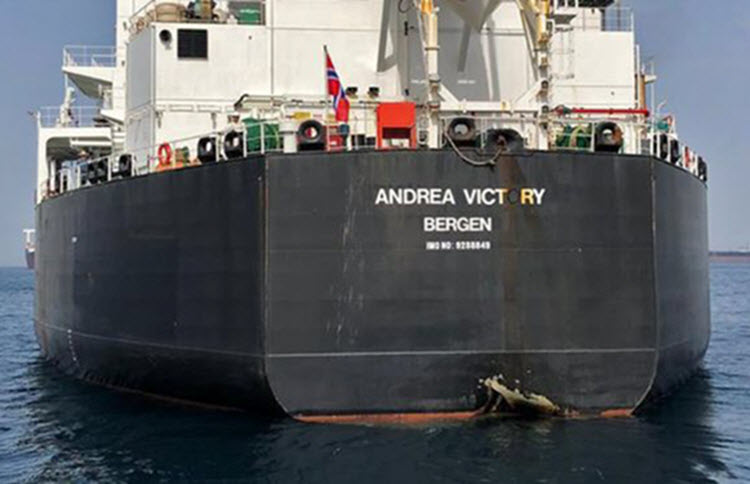
Evidence of Iran’s involvement in the sabotage of four oil tankers off the coast of the United Arab Emirates (UAE) last month, is set to be revealed in the coming days by the United States and will include intelligence that Washington has received from Israeli intelligence agency Mossad.
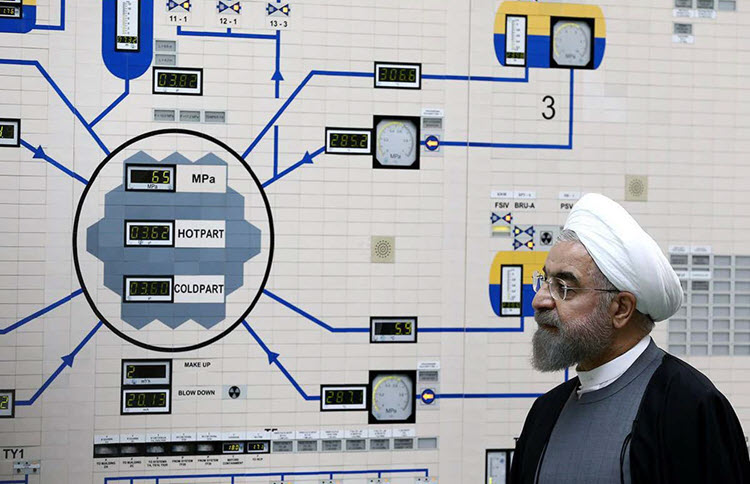
Iranian President Hassan Rouhani at a nuclear power plant
London, 05 June – Iran is continuing to violate the 2015 nuclear accord by increasing its contested nuclear work, but Republicans in Congress are preparing to impose biting sanctions that the Donald Trump administration has so far neglected to impose, according to officials familiar with the effort.
Iran has already breached provisions of the nuclear accord about the installation of advanced centrifuges – used to speedily enrich uranium to make nuclear bombs – but the International Atomic Energy Agency (IAEA) now reports that Iran has begun restarting bomb-making portions of its nuclear program.
This is the fulfillment of a threat made by Iran if Europe would not help Iran evade US economic sanctions, which came into place after Trump withdrew from the nuclear deal in 2018. This amount to nuclear blackmail on the part of Iran, so Republicans see this as an opportunity to convince the Trump administration to end sanctions waivers that allow Iran to legally continue secretive nuclear work at a range of sites. (Unfortunately, the State Department has argued against revocation.) Essentially, this means that the US has not fully left the nuclear deal.
Sen. Ted Cruz of Texas, who is a vocal critic of the decision to continue granting Iran nuclear waivers, said that the IAEA’s recent findings warrant more sanctions.
He said: “Today’s report by the International Atomic Energy Agency confirms what I have long said: Iran is cheating on the catastrophic Obama Iran nuclear deal. In addition to secretly storing blueprints for nuclear weapons and refusing to turn over materials related to their nuclear weapons program, now they have pushed the envelope so far on centrifuges that the cheating can no longer be denied.”
He continued: “The nuclear deal was designed to allow cheating, with the expectation that the Ayatollahs would blackmail the parties into ignoring their behavior. I have long said the nuclear deal should be ripped to shreds, and I applaud President Trump for all of the steps his administration has taken to that end. Now it is time to take the next step and invoke the multilateral snapback in United Nations Security Council resolution 2231, which the Obama administration rushed to pass in order to lock in the nuclear deal before Congress had a chance to weigh in.”
One senior congressional official explained that this is a loophole that allows Iran to work on advanced centrifuges until they are ready to back out of the nuclear deal.
Michael Doran, a former deputy assistant secretary of defense and a former senior director of the White House National Security Council, explained that the debate is reaching a tipping point.
He said: “Although President Trump renounced the Iran nuclear deal in May 2018 and reimposed sanctions on Iran, a year later the United States is still respecting provisions of the deal by issuing waivers that permit what is euphemistically referred to as Iran’s ‘civil nuclear program. Some inside and the administration—and Senator Cruz outside it—are asking whether it makes sense for the United States to support the maintenance of facilities such as, for example, the Fordow enrichment plant.”
It is time for Trump to put the final nail in the coffin of the Iran deal and listen to Senator Cruz.
Iran’s state TV channels are airing a music video that glorifies an anti-American Iraqi Shiite paramilitary group in an attempt to sway public opinion in Iran in favour of the mullahs’ involvement in Middle East conflicts.
The video, which is entitled “The Noble Ones” and praises Harakat Hezbollah al-Nujaba, a group designated as a terrorist organization by the US in March, has been shown several times already.
The Islamic Revolutionary Guards Corps will hold a major ceremony in Tehran from June 13th through June 15th to commemorate the founder of the Islamic Revolution, Ayatollah Ruhollah Khomeini. At the Khomeini mausoleum in southern Tehran people will be allowed to pay tribute to the Islamic republic’s first supreme leader, who died 30 years ago, on June 3rd, 1989. Current Supreme Leader Ali Khamenei, will address the crowd.
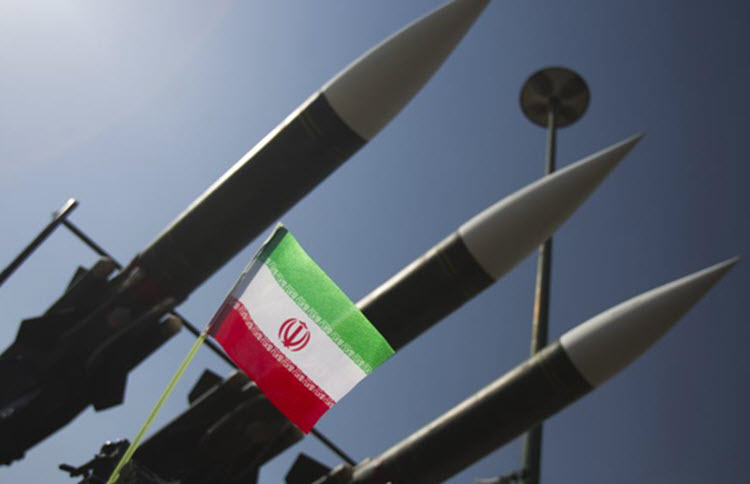
Intelligence experts from two different regions in Germany have carried out an investigation into Iran’s activity regarding weapons of mass destruction. The intelligence service of Bavaria, and that of Mecklenburg-Vorpommern – two separate states – have both indicated that Iran is indeed actively seeking to be armed with weapons of mass destruction.
The repressed population of Iran has found a platform — social media — where their outrage has a voice and they can push back against their tyrannical Mullahs.
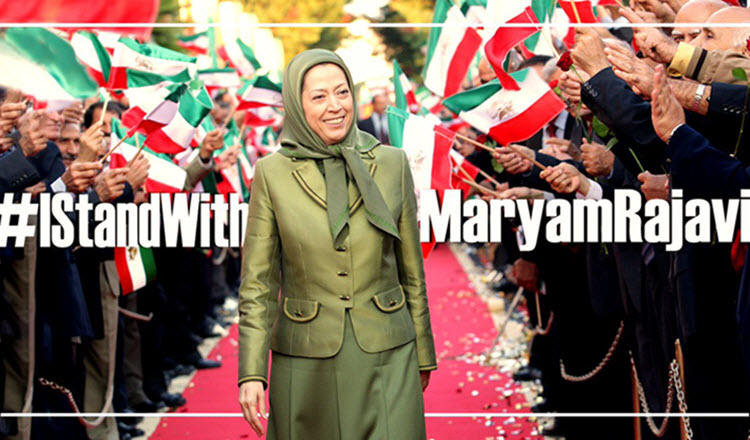
The Iranian diaspora has been rallying forces on Twitter and Facebook. A series of demonstrations in Europe and the United States and the upcoming “Free Iran” rally is being organized by the Iranian Opposition.
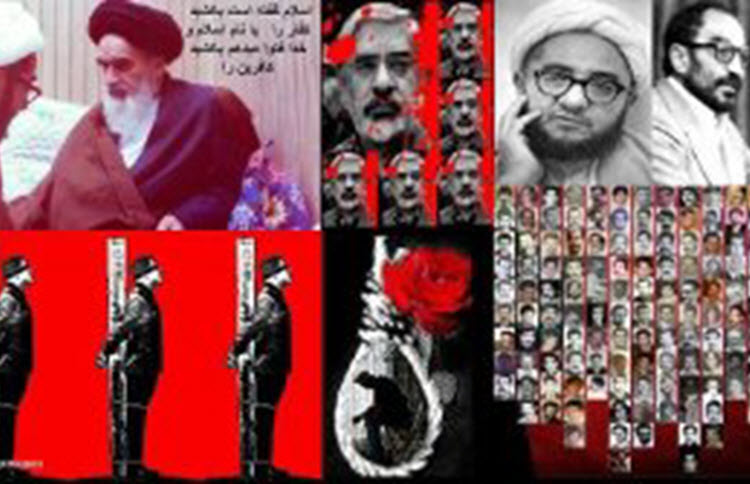
In a controversial move, Supreme Leader Ali Khamenei appointed General Hossein Salami as the new commander of the Revolutionary Guards. Just a few weeks previously, he appointed Ebrahim Raeesi, who stands accused of being involved in the massacre of 30,000 political prisoners in 1988, as chief justice.