Insurance Companies Weighing up Risks of Business in Iran

Insurance companies weighing up risks of business in Iran

Iran Focus

London, 21 May – Insurance companies from around the world are now taking time to assess how the US withdrawal from the Iranian nuclear deal and the subsequent threat of imposing sanctions on companies that do business with Iran will affect them.

While global insurers wait for guidance from the United States and European Union, many are now making contingency plans for all possible outcomes.

Illinois insurance broker Arthur J. Gallagher & Co. said on Friday that they will be monitoring developments closely, while the Zurich-based Swiss Re said that it would be “assessing the impact” of the US decision on its business activities.
British Charity Worker Faces New False Charges in Iran

British charity worker faces new false charges in Iran

Iran Focus

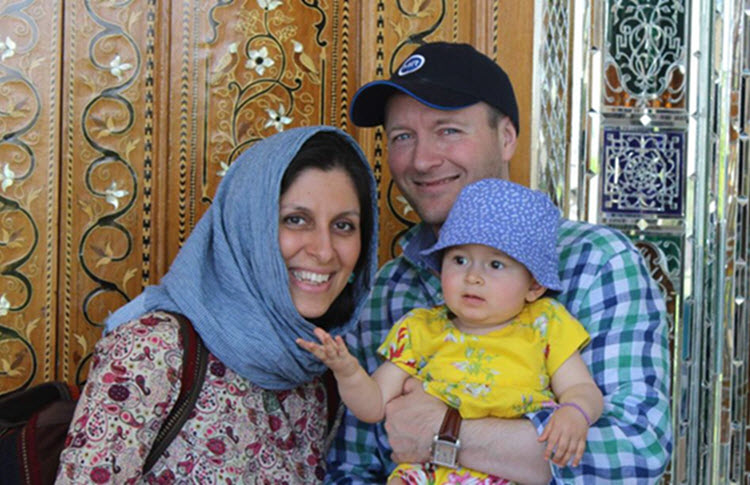
London, 21 May – A British charity worker wrongly jailed in Iran on false espionage charges is now facing a new trial with further “invented” charges, according to her husband.

Nazanin Zaghari-Ratcliffe, who was initially arrested and jailed in 2016, was taken to court on Saturday to face the charge of spreading propaganda against Iran.

Her husband, Richard Ratcliffe, said that she denied committing any crime and appealed for freedom, but was told by Judge Salavati to expect a conviction.

Why Europe Should Sanction Iran

Why Europe should sanction Iran

Iran Focus

London, 20 May – By doing business with Iran, you’refunding the Revolutionary Guard — the IRGC — who was sanctioned in its entirety by the United States in October.

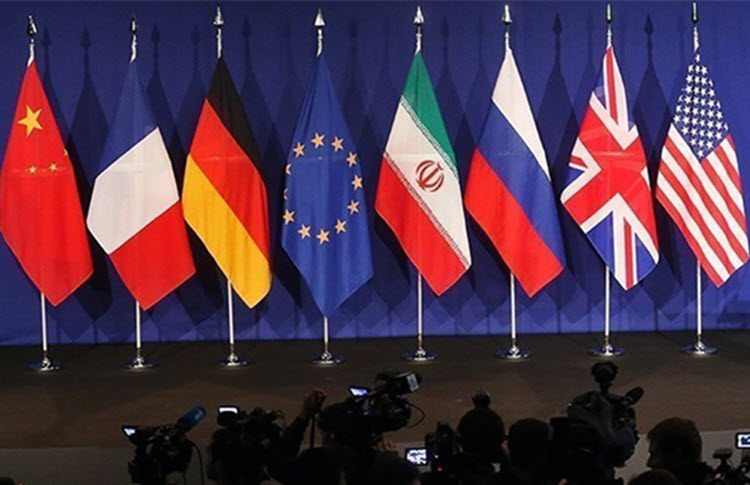
Last week, President Trump announced his decision to withdraw from the Iran nuclear deal, officially known as the Joint Comprehensive Plan of Action.

Now, the stakes are high for those who engage in trade agreements with Iran. In fact, Europe will have to choose between standing alongside its deals with Iran and protecting its trade relations with Washington.

A New Alliance May Prove to Be a Challenge to Iran

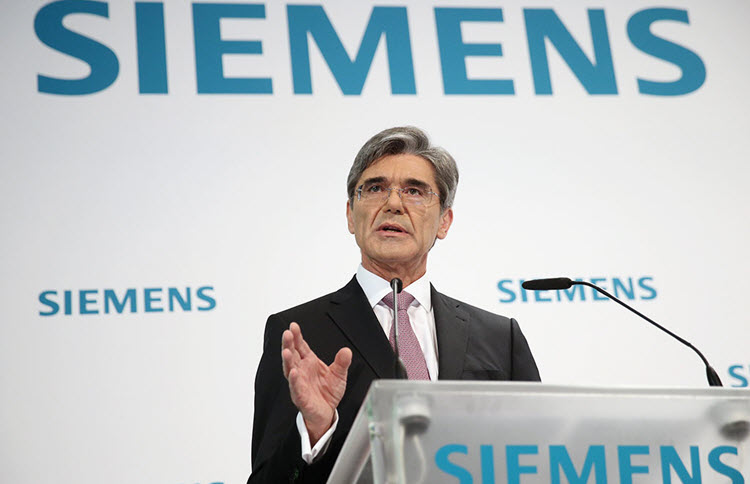
Siemens CEO Joe Kaeser

Iran Focus

London, 20 May – Some of Europe’s biggest firms rushed to do business with Iran after the nuclear deal took effect. Now, after President Trump’s withdrawal from the Iranian nuclear deal, European businesses are worried that their ties with the US could be damaged if they continue doing Iranian deals.

The present White House believed that the Iran deal was only a temporary deferral of nuclear activity in exchange for billions in funding for Iranian proxy warfare — appeasement only made the aggressor more aggressive.

To effectively roll back Iranian armament and expansionism, it appears that White House policy toward Iran has become more harsh, and only works if Europe shoulders its share of the economic burden.

Iran-Backed Houthis Missile Threat

Iran-Backed Houthis Missile Threat

Iran Focus

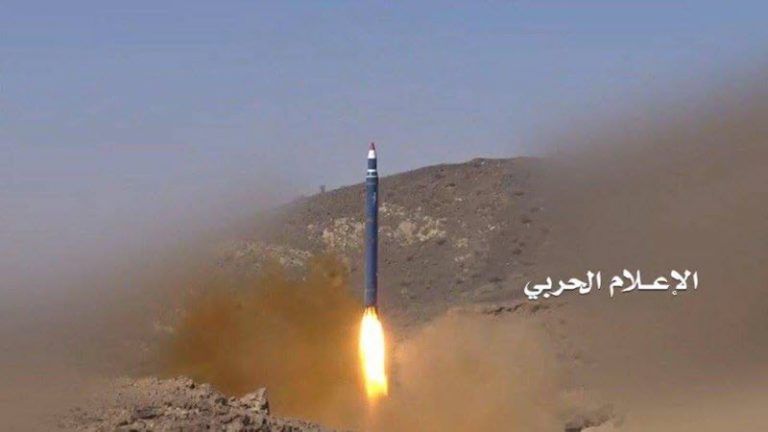
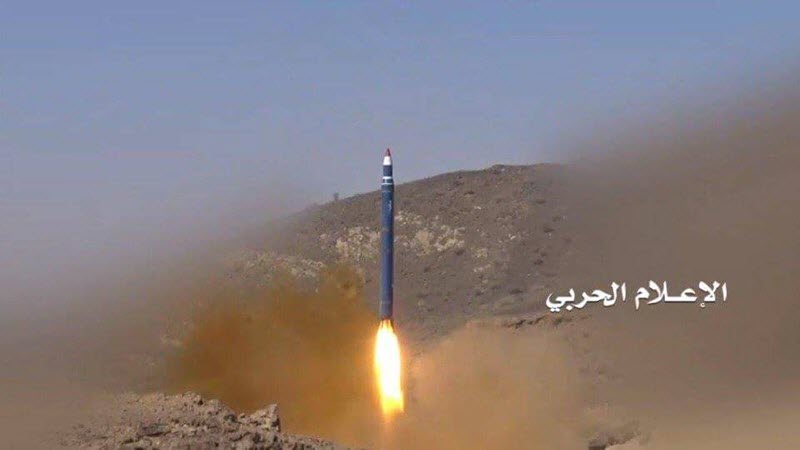
London, 18 May – Saudi Arabia and the US have accused Iran of making and supplying ballistic missiles to the Iran-backed Houthis in Yemen, which were used in attacks against the Kingdom. While the UN has agreed that at least some of the missiles fired by the Houthis in 2017 were Iranian-made, in violation of the UN resolution that enshrines the nuclear deal.

That’s why Ralph Savelsberg an associate professor of missile defence at the Netherlands Defense Academy, completed an in-depth report into the missiles for Breaking Defense.

Listing Hezbollah Leaders as Terrorists Is a Great First Step to Tackle Iran

Listing Hezbollah Leaders as Terrorists Is a Great First Step to Tackle Iran

Iran Focus

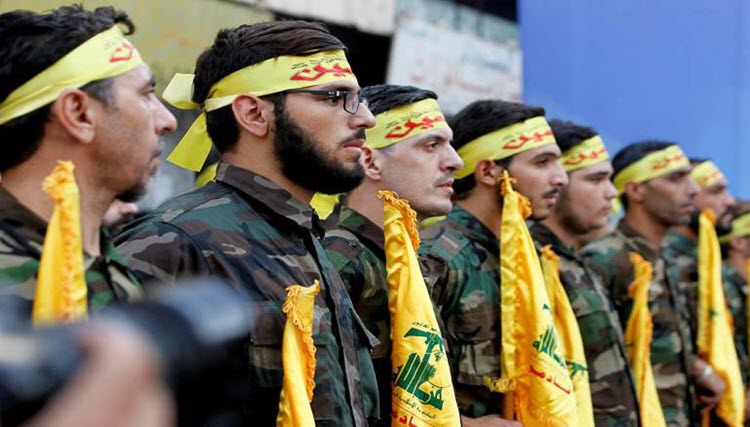
London, 18 May – Earlier this week, the US and the countries of the Gulf placed six Hezbollah leaders their terror lists, which represents an important step to tackling the problem of the Iran’s terrorist proxies.

This move draws a clear line between Lebanon and Iran-backed Hezbollah, which the terrorist cell always seems determined to blur, thereby making the Lebanese people hostages who pay the price for Hezbollah’s crimes.

Fearing Sanctions, European Tanker Owners Avoiding Shipping Iran Oil

Fearing sanctions, European Tanker Owners Avoiding Shipping Iran Oil

Iran Focus

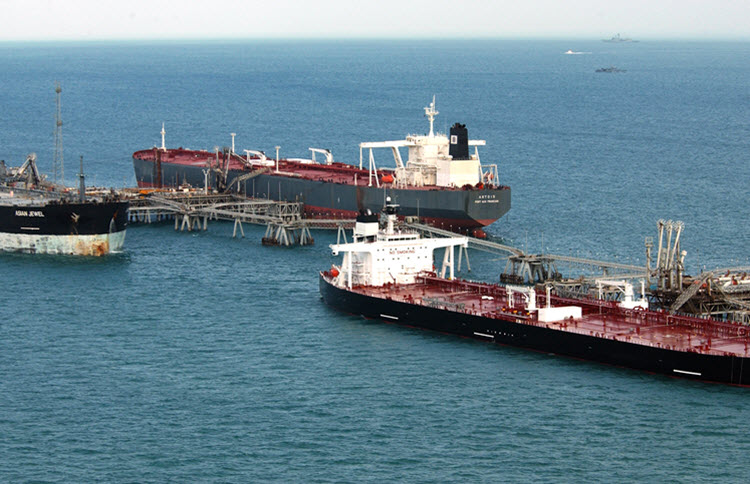
London, 18 May – On Wednesday, industry sources said that European refiners are already experiencing difficulties in shipping Iranian crude, as shipowners have begun to avoid this route for fear of falling foul of US sanctions.

Just a week after President Donald Trump decided to withdraw from the Iran nuclear deal, European tanker owners fear secondary sanctions from the US. According to a US Treasury Department fact sheet, international buyers of Iranian oil must wind down contrast by November 4th, when the US will reimpose sanctions on the oil, energy, shipping, and insurance sectors.

Bahrain Court Strips 115 of Nationality Over ‘Terrorism’ in Mass Trials

Bahrain Court Strips 115 of Nationality over ‘Terrorism’ in Mass Trials

Iran Focus

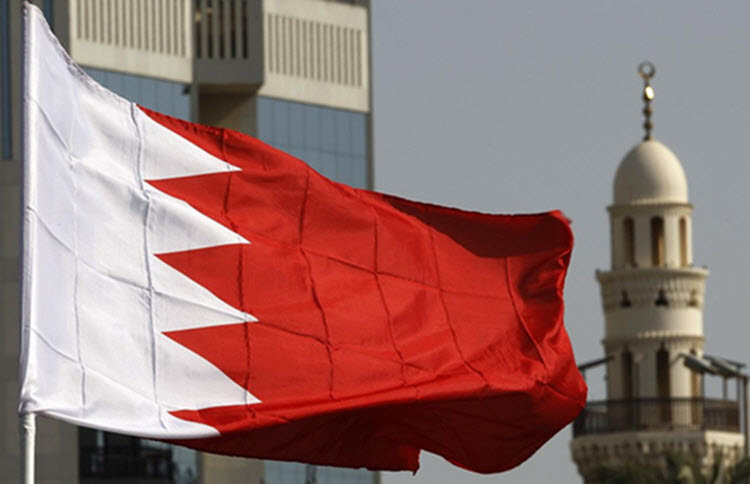
London, 18 May – In one of the most severe rulings yet in the Gulf island kingdom, a Bahrain court on Tuesday revoked the citizenship of 115 people at a mass terrorism trial — the most to lose their nationality at any one time, amid a year’s long crackdown on dissent. Increasingly, Bahrain’s wields denaturalization as a hammer to beat back dissent on the Shiite-majority island off the coast of Saudi Arabia in the Persian Gulf.

The public prosecutor also said on Tuesday that the court also gave 53 people life sentences on terrorism charges.

UN Investigating Turkey’s Illegal Shipment to Iran

Iran Focus

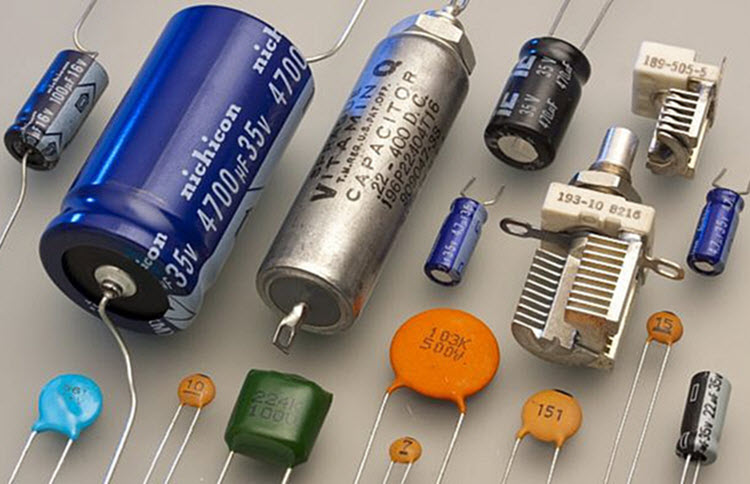
London, 17 May – The United Nations is said to be investigating a shipment of electronic components from Turkey to Iran in 2017, which violated international sanctions.

In July 2017, inspectors in the United Arab Emirates checked a shipment that was headed to Iran and found the electronic parts, which are banned from being exported to Iran under the UN Security Council Resolution that enshrines the 2015 nuclear deal.

A New Deal on Iran to Address All Its Flaws

A new deal on Iran to address all its flaws

Iran Focus

London, 17 May – One of the main problems of the deal, was that it did not include the nations of the Middle East who are most affected by Iran’s nuclear weapons programme as well as Iranian belligerence not mentioned in the deal, like their interference in the affairs of neighbouring states and their ballistic missiles programme.

This meant that Iran, a nation known as the leading state sponsor of terrorism, was stretched at the expense of key US allies, like Saudi Arabia.