The Iran Protests Are Different This Time Around

Iran Focus

London, 15 Jan – No matter what the Iranian Regime would have you believe, the protests in Iran are not over and they are not being organised by foreign governments.

Human rights activist Heshmat Alavi wrote on Track Persia: “[This] is a struggle between the Iranian people literally fed up with this regime and a dictatorship weakened from domestic unrest, internal rifts and international pressures.”

Of course, the weak Iranian Regime is quick to blame others—specifically the Iranian opposition People’s Mojahedin Organization of Iran (PMOI/MEK) – because it can’t deal with the current protests, which are totally different from those seen before.
America Is Getting Tough on Iran Despite Sanctions Relief

Iran Focus

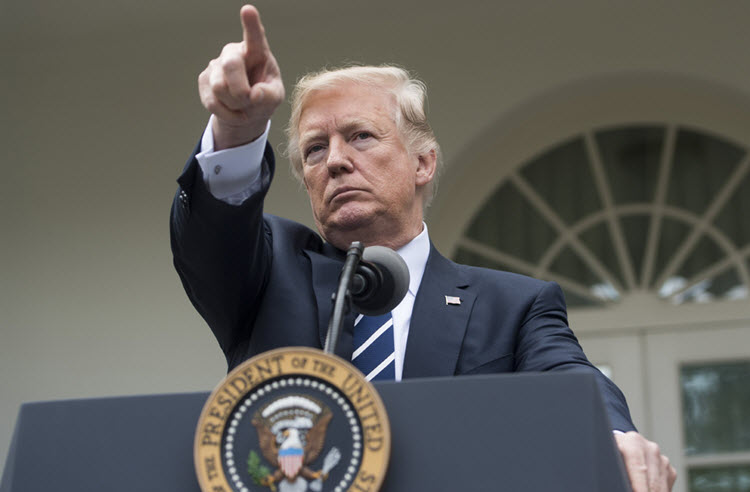
London, 15 Jan – Donald Trump gave the Iranian Regime a final chance to mend its ways when he waived nuclear sanctions for 120 days, this past weekend.

If the2 deal’s flaws are not fixed within that time period, then Trump will withdraw the US from the deal.

So what flaws does Trump want to be tackled?

Iran’s Imprisoning of Peaceful Protesters Needs Action

Iran Focus

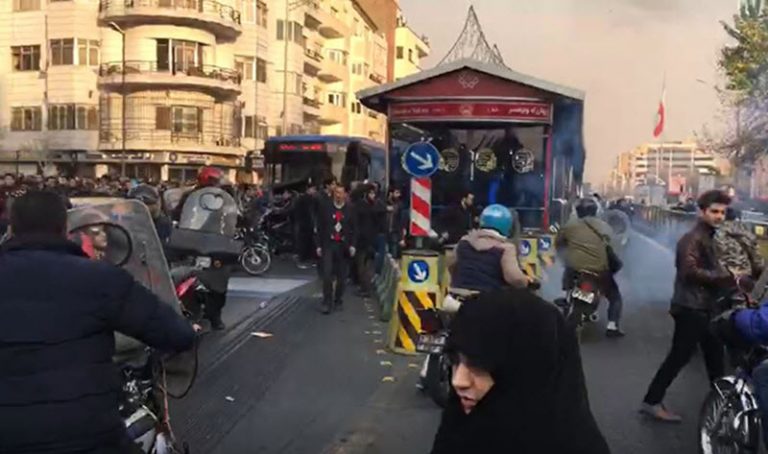
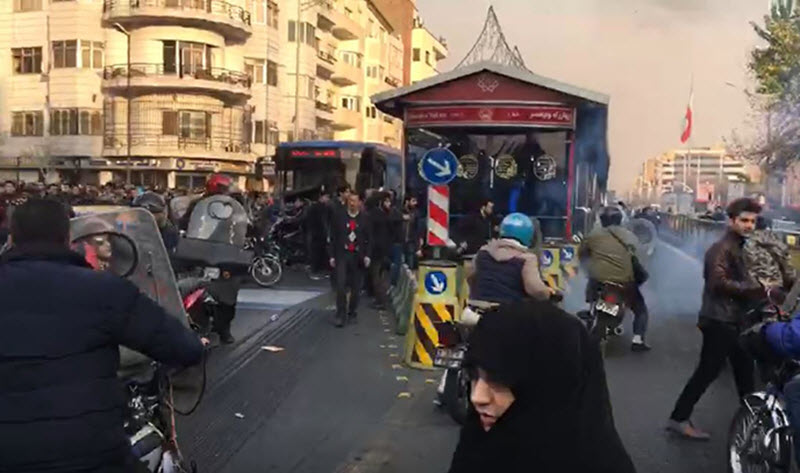
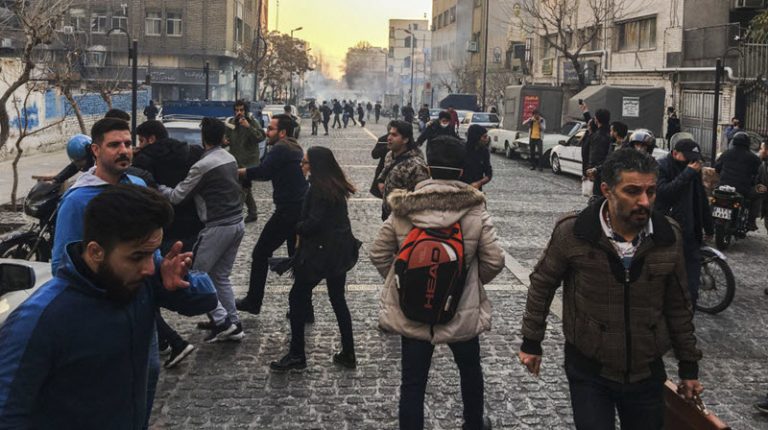
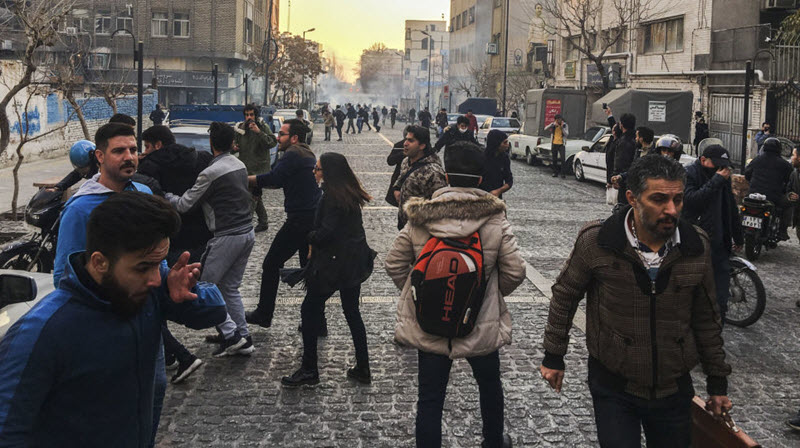
London, 15 Jan – There can be no doubt that the current protests across Iran are far different from those that took place previously. For most people, the closest comparison they have is the 2009 Green Protests but those were confined to the capital and about just one issue: election fraud.

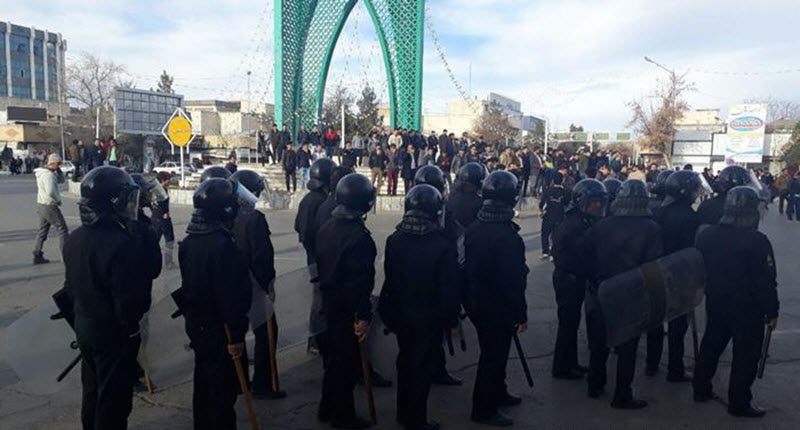
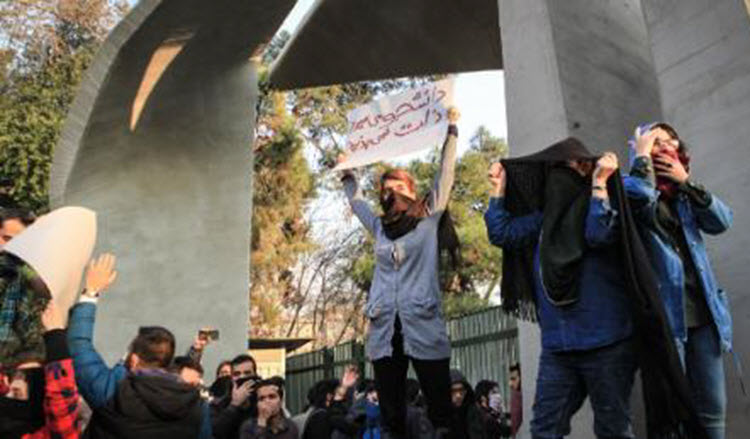
The current demonstrations began over the cost of food in Mashhad but quickly grew into a protest about everything that’s wrong with the Regime (and there’s a lot) and has now spread to 141 cities across all 31 provinces.

The only thing that every protester can agree on is an end to the Regime, calling for Death to Hassan Rouhani and Ali Khamenei. These people aren’t swallowing the notion that there are reformers or moderates in Iran; they know that the only chance they have for change is to get rid of the Regime entirely.

Tom Ridge: How the US Can Help Iranian Protesters Achieve Regime Change

Iran Focus

London, 13 Jan – Iran has recently been rocked by demonstrations that began over frustration about crushing poverty and widespread unemployment, but quickly changed to calls for the expulsion of the regime.

While smaller-scale protests, with more limited demands, had occurred almost continuously over the previous year, the strength of the protests came as a surprise. However, the regime’s response was shocking.

The National Council of Resistance of Iran (NCRI) released figures on the human cost of the first nine days, this past Friday. Drawing on information provided by the network of the Mujahedin-e Khalq (MEK), the NCRI’s leading constituent group, they determined that at least 50 people had been killed and another 3,000 arrested. Public acknowledgement of some of the killings and the arrests have Iranian authorities admitting to 500 arrests in Tehran alone.

UN Experts Accuse Iran of Violating Resolution to Prevent Houthis From Obtaining Arms

0

Iran Focus

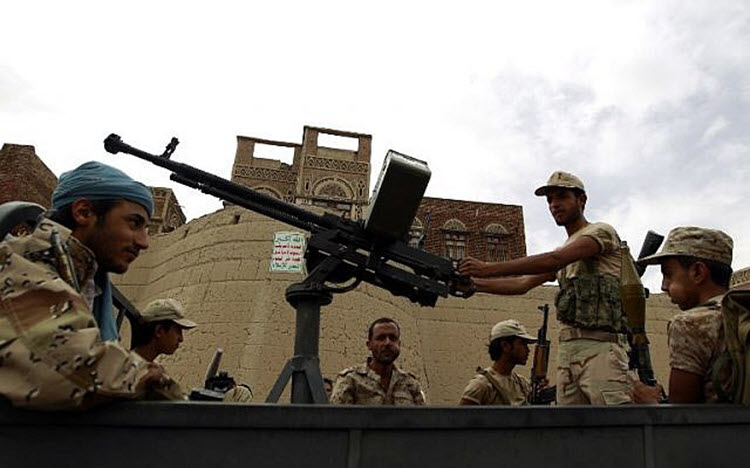
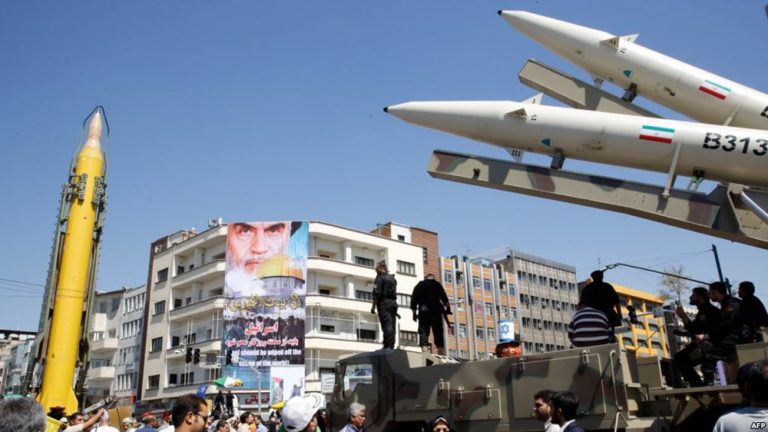
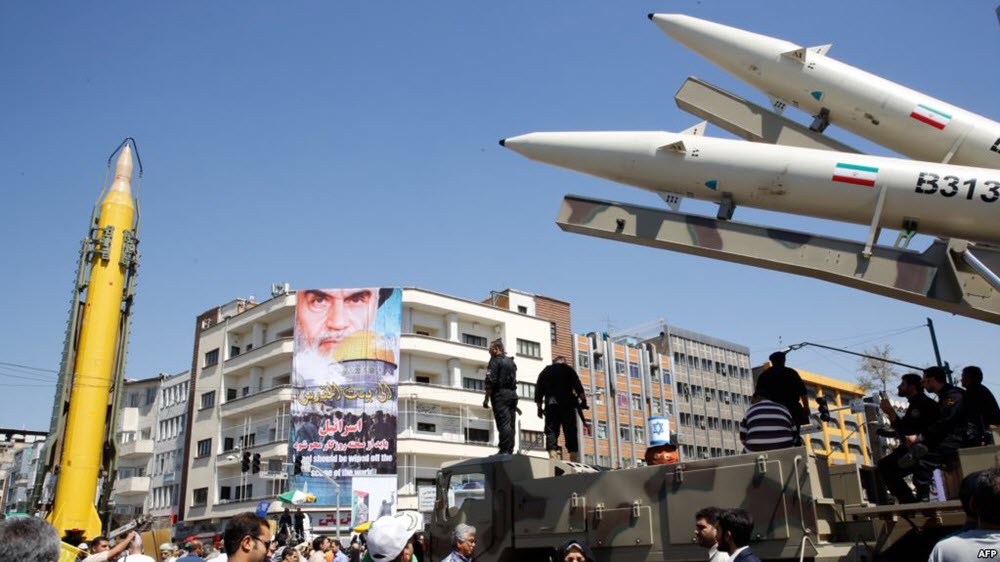
London, 13 Jan – Evidence has led to assertions that Iran violated an arms embargo imposed on Yemen by failing to prevent the Houthi rebels in that war-ravaged nation from obtaining Iranian missiles, including one fired hundreds of miles into Saudi Arabia two months ago.

The report said, “The Islamic Republic of Iran is in noncompliance” with Resolution 2216, adopted nearly three years ago after the war between the Houthi rebels and the Saudi-backed government in Yemen had begun.

Iran Protests Are Unique

Iran Focus

London, 12 Jan – The current Iranian protests are notable for two main reasons: geographic scope and range of grievances. Unlike previous protests, these are mainly populated by the working class, taking place in almost every city and town in Iran, without a singular cause.

In fact, here are just a few of their complaints:

How the World Should Act on Iran Protests

Iran Focus

London, 12 Jan – Back in 2009, when the Iranian people protested the rigged election in the streets of Tehran, the US did nothing. As a result, many protesters were imprisoned and killed.

Now, the Iranian people have taken to the streets again- albeit it all across the country this time- and it is time for the US (and the world) to act, but what should they do?

Time for a New Strategy on Iran

Iran Focus

London, 12 Jan – Many of the foreign ministers in Western Europe are concerned that Donald Trump will pull the US out of the 2015 Nuclear Deal today and hurt the people who will overthrow the Iranian Regime.

This is strange for three reasons.

1. There is not a lot of evidence that the nuclear deal is good for the people of Iran who are currently protesting widespread corruption that has bankrupted their economy in spite of sanctions relief and the unfreezing of billions in foreign assets.

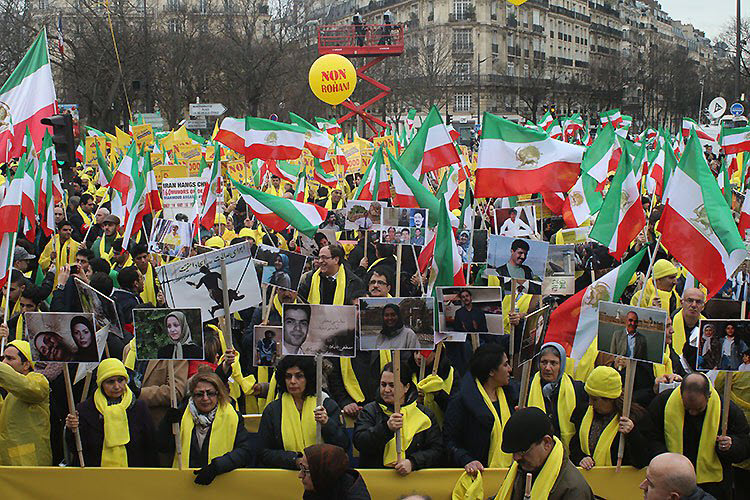
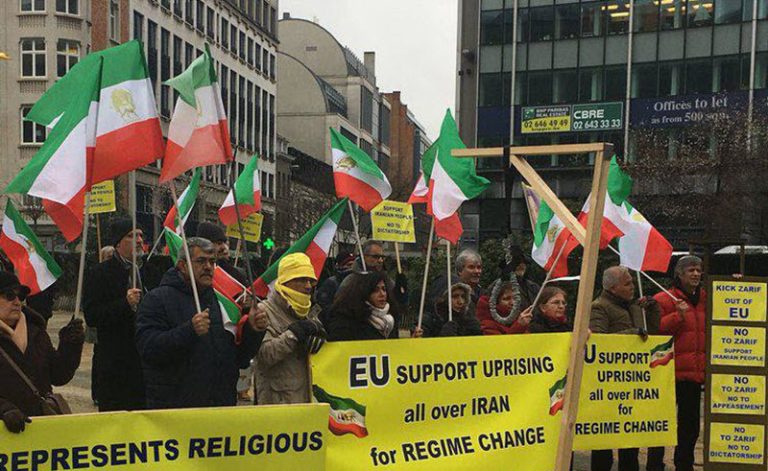
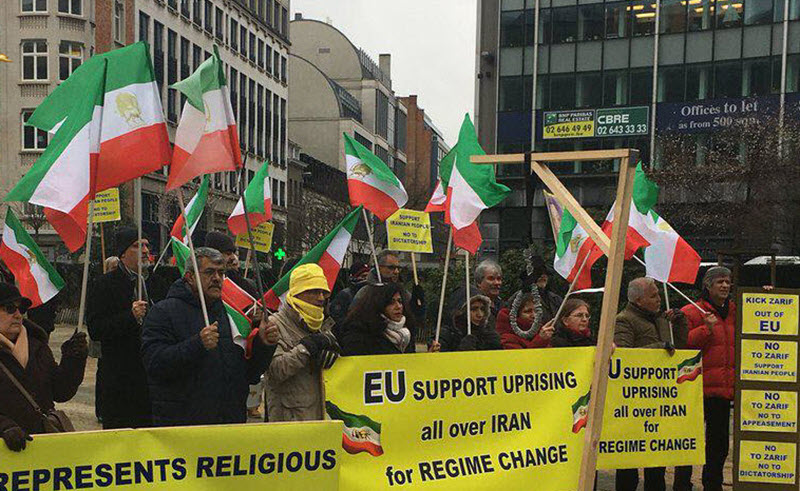
Protests in Brussels in Support of People of Iran

Iran Focus

London, 12 Jan – On Wednesday, just ahead of a meeting between several European leaders and Iranian leaders in Brussels, people took to the streets to protest. The meeting, to be held the next day is with regards to the Iran nuclear deal.

Representing Iran was foreign minister Mohammad Javad Zarif. The meeting comes just a day before the United States President Donald Trump was due to make a decision about reimposing oil sanctions that were lifted as one of the terms of the nuclear deal.

Iran’s History of Protesting

by Jubin Katiraie

After years of living under Shah Mohammed Reza Pahlavi’s oppressive regime, the Iranian people saw the 1979 Iranian Revolution as a moment of positivity and change for the better. However, it did not work out to be anywhere near as positive as they hoped.

Supreme Leader Khomeini purged the Iranian army of anyone he deemed incompatible with the new regime and he soon came to the decision that the force needed to be highly disciplined and one that would strengthen his position.

As a result, the Islamic Revolutionary Guard Corps (IRGC) and the Basij Mobilisation Resistance Force were born. Hugely loyal to the Supreme Leader, both forces started to oppress the people of Iran. And they still do.