As Economy Melts Down, Iran Continues to Fund Terror

As Economy Melts Down, Iran Continues to Fund Terror

By Jubin Katiraie

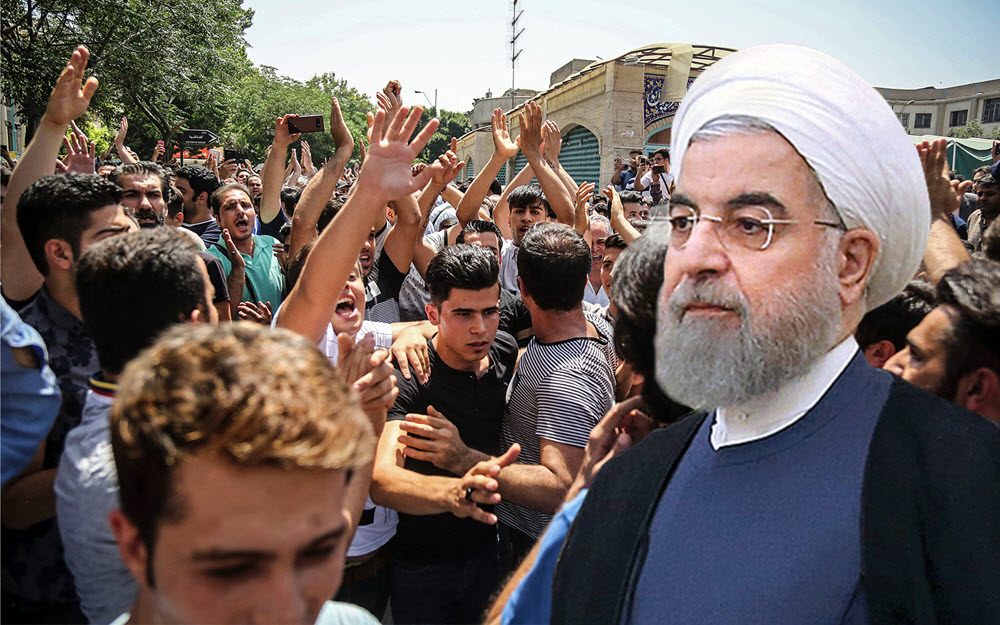
Iran’s theocratic government has not only been condemned for human rights abuse, it allows its 80 million citizens to struggle to feed their families, its corruption and mismanagement has led to power outages and water shortages. Food prices that have risen by more than 50 percent, and the people are fed up with the government using its money and resources for the export of terror.

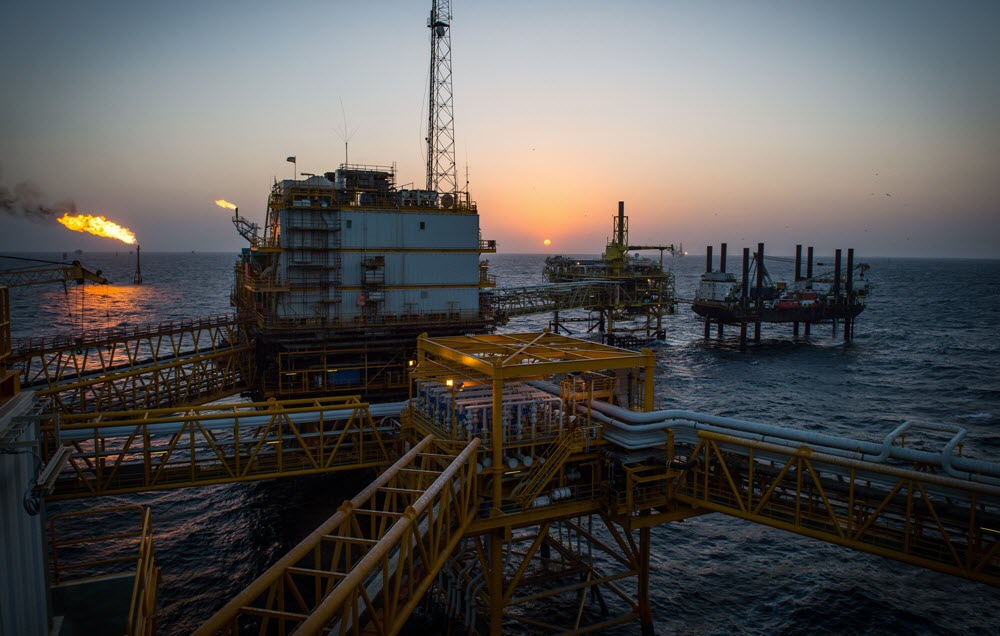
The second round of U.S. sanctions that came into effect on November 5th target oil and banking. Today, Iran produces 1 million fewer barrels of oil per day than it did prior to the sanctions.The Iranian economy has lost $2 billion since November. Still, the government continues to fund terrorism.
Human Rights Watch Condemns Iran for Mass Arrests and Abuses in Annual Report

Human Rights Watch Condemns Iran for Mass Arrests and Abuses in Annual Report

Iran Focus

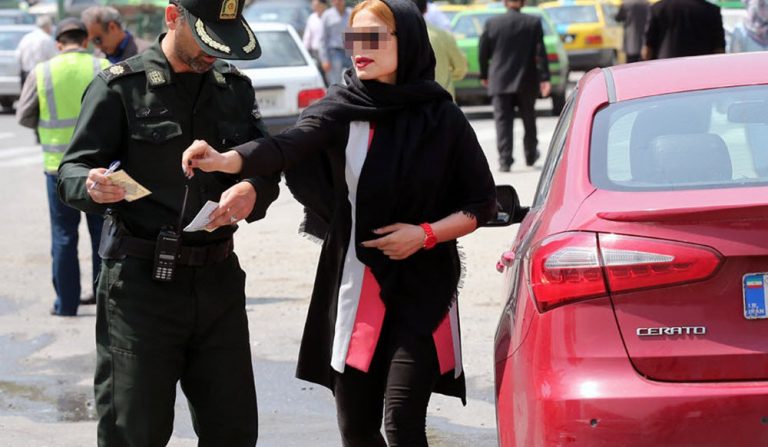
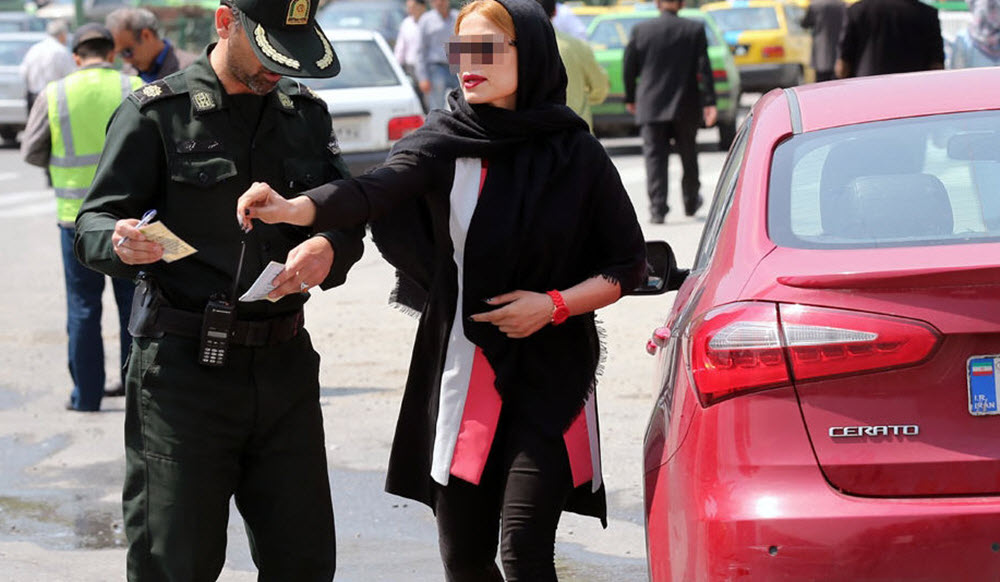
London, 18 Jan – Human Rights Watch (HRW) criticized Iran for “widespread arrests” of protesters and activists in its 2019 annual report into human rights violations around the world, citing specifically the thousands of arrests made during the nationwide anti-government protests in the winter of 2018, as well as the arrests of environmentalists and women who protested against compulsory hijab.

In the report, which draws on events from late 2017 to November 2018, HRW also condemned Iran’s shadowy “security apparatus” and “suppressive and non-accountable Judiciary” for their work to suppress human rights.

Iran: Continues Provocations with Satellite Launch Mission

0
Iran: Continues Provocations with Satellite Launch Mission

By Pooya Stone

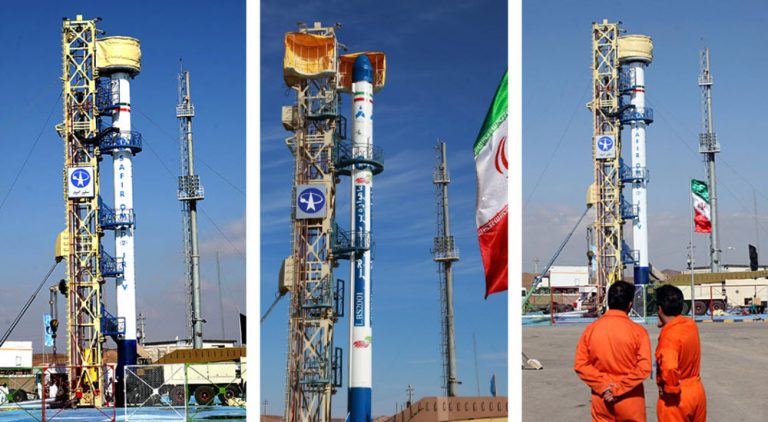
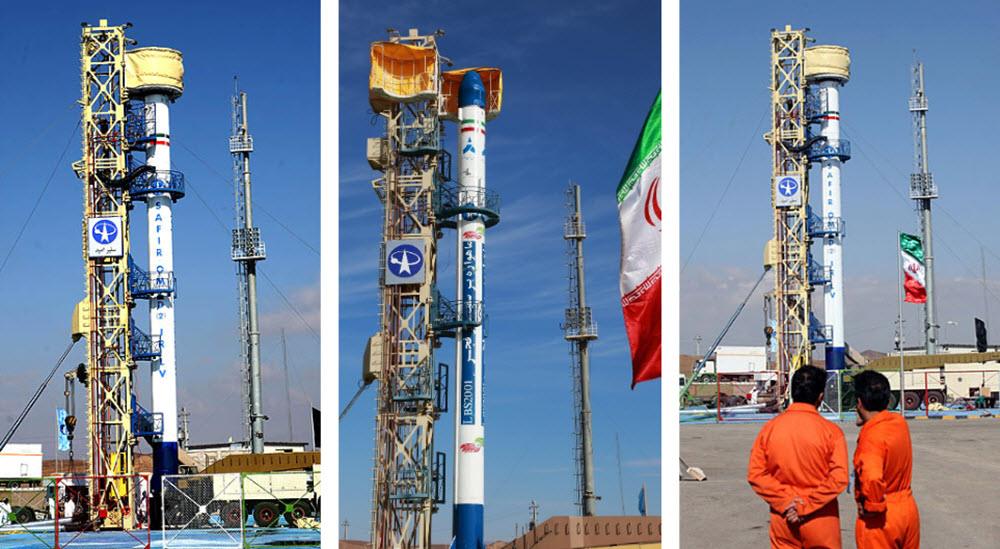
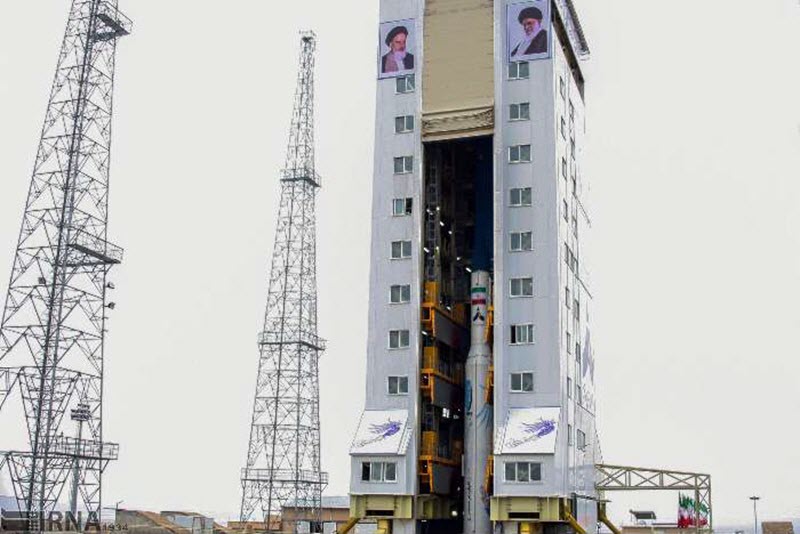
The U.S. Secretary of State Mike Pompeo said earlier this week that Iran is proving that it is an untrustworthy member of the international community following its attempt to put a satellite into orbit.

Iran had conducted a satellite launch even though the United States urged it not to. A rocket containing the Payam satellite did not gather enough speed in order to succeed in its mission according to the country’s Telecommunications Minister Mohammad Javad Azari Jahromi.

EU Finally Toughens Stance on Iran

EU Finally Toughens Stance on Iran

Iran Focus

London, 17 Jan – The Trump administration has made it very clear that it will not tolerate Iran’s belligerence and malign acts. Even before taking office, U.S. President Donald Trump had spoken about the Iran threat. He promised that he would withdraw from the 2015 Iran nuclear deal, which he eventually announced last May. Since then, crippling economic sanctions have been put back in place and his administration recently announced that no more waivers would be granted to any countries with regards to the importation of Iranian oil.

Canada Can Tackle Iran’s Human Rights Violations With Magnitsky Sanctions

Canada Can Tackle Iran’s Human Rights Violations With Magnitsky Sanctions

Iran Focus

London, 17 Jan – Canadian senators will be shown a new and effective way to fight for human rights in Iran when they reconvene in February, thanks to an Iran-focused motion, tabled by Conservative Senator Linda Frum, that condemns the country’s human rights violations.

The motion advises using the Justice for Victims of Corrupt Foreign Officials Act (the Sergei Magnitsky law) to “sanction [the] Iranian government … entities and individuals involved in egregious human rights abuses”.

Iran Loses Potential Ally in Pakistani Prime Minister

Iran Loses Potential Ally in Pakistani Prime Minister

By Mehdi

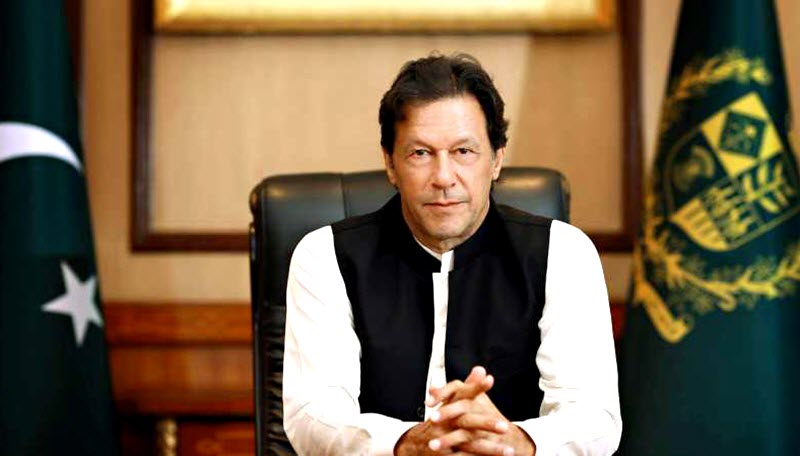
Imran Khan was elected to be the Prime Minister of Pakistan last July. Before being elected, many were surprised at his pro-Iran rhetoric given that the country has a history of good relations with the countries in the Gulf Cooperation Council (GCC).

He founded the Pakistan Tehreek-e-Insaf (PTI) party in 1996 and it supported the 2015 Iran nuclear deal which was seen as a way of enabling and allowing Iran’s destabilisation of the Middle East. Furthermore, Khan and his party had a big role in Pakistan’s shunning of the Saudi-led coalition to act in Yemen. Khan said at the time that his country was taking heed of past experiences and ensuring that his country is not drawn into another war.

Iran: The People Will Be the Driving Force Behind the Collapse of Clerical Rulers

Iran: The People Will Be the Driving Force Behind the Collapse of Clerical Rulers

By Jubin Katiraie

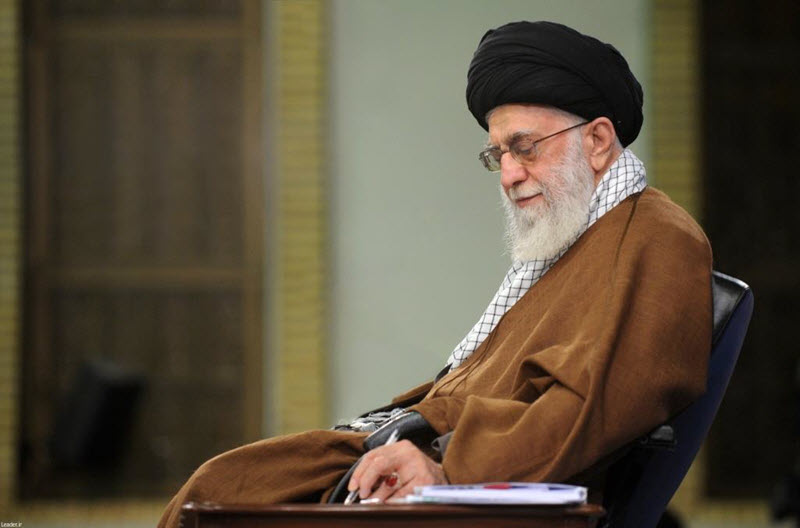
The first Supreme Leader of Iran since the 1979 revolution – Ayatollah Ruhollah Khomeini – played a big role in the overthrow of the Shah. In fact, you could say that he engineered the move and he used the media to get the biggest audience possible.

He called on the people of Iran to strike. Not just specific workers, but workers across the whole spectrum. And this created mass opposition among society. Strikes started out small and rapidly grew, spreading across the whole country. And the same with riots. He encouraged other sectors of society – students, for example – to take to the streets in support of the working class. Khomeini succeeded in what he set out to do and the country’s oil production dropped dramatically only a few days into the action.

Why Would Iran Reveal Its Ties to the Taliban Now?

0

By Pooya Stone

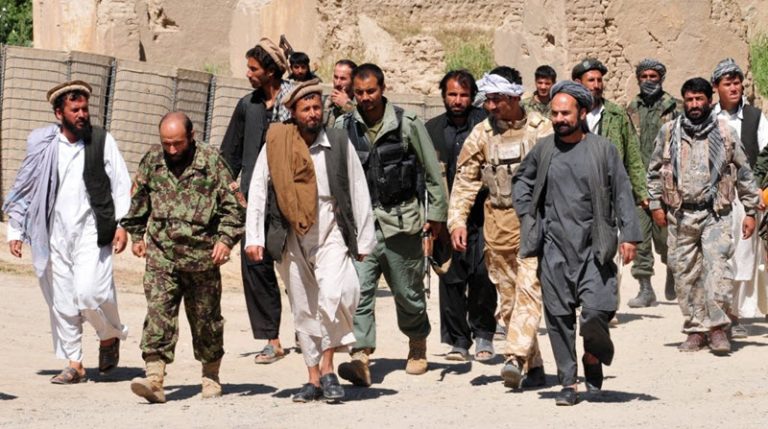
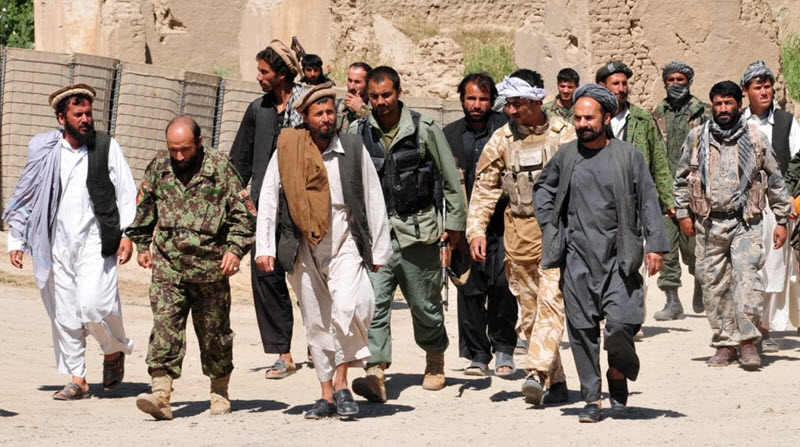
It is no secret that Iran and the Taliban have been involved in covert talks for many years. Until recently, the mullahs have preferred to keep their relationship with the Taliban and other terrorist groups on the down low in order to maintain plausible deniability for attacks in the Middle East and around the world.

However, earlier this month, Ali Shamkhani, the secretary of Iran’s Supreme National Security Council (SNSC), went public about Iran’s ties to the Taliban and claimed that Iran aimed through these contacts to “[curb] the security problems in Afghanistan”.

No More Waivers for Iran’s Oil Buyers

No More Waivers for Iran’s Oil Buyers

Iran Focus

London, 15 Jan – In its efforts to intensify the pressure on Iran, the U.S. plans to grant no new waivers to buyers of Iranian oil. The aim is to eliminate the Middle Eastern producer’s exports of crude, according to a senior official.

Iran’s exports have been cut to about 1 million barrels a day — down from a level of 2.7 million prior to the US exit from the Iran nuclear deal and imposition of sanctions announced by Washington.

US Concerned over Iran Missile Programme

US Concerned over Iran Missile Programme

Iran Focus

London, 15 Jan – The Trump administration has recently expressed growing alarm about Iran’s ballistic missile programme, which they believe is the ‘largest in the Middle East’, advising that it poses a threat to US interests and allies in the region.

One of the biggest concerns is Iran’s increasingly sophisticated medium-range ballistic programme, with the Khorramshahr missile as its star player, which places a large part of Europe, including some US military bases there, within Iran’s reach.