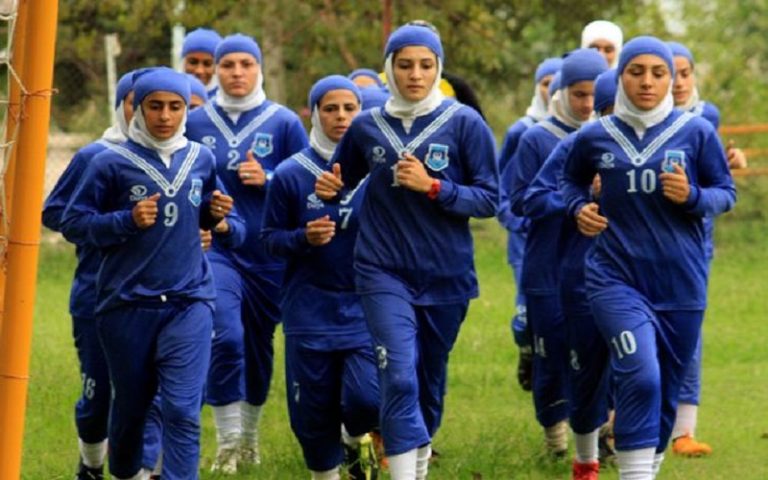
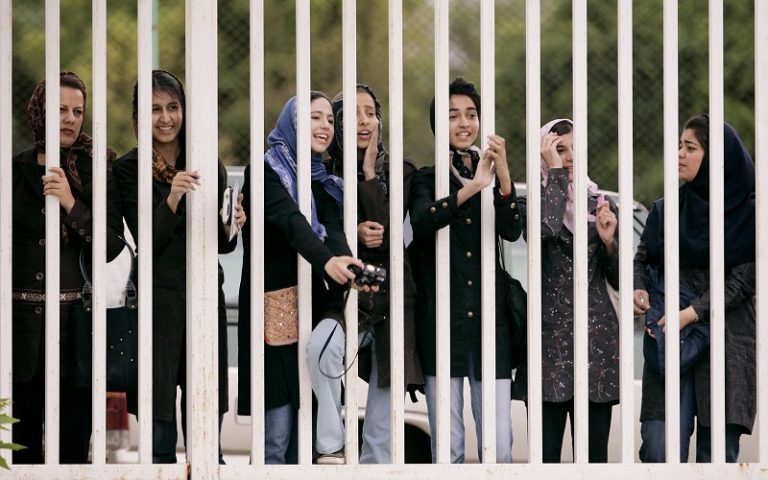
As Tuesday was the International Day of Sport for Development and Peace, what better time to examine the situation of women in sport under in Iran. It turns out that Iranian women are hugely underrepresented in sports, but let’s look at some of the reasons why this might be the case.
The national women’s football team was removed from the FIFA rankings in December because it had been inactive for two years and Iranian federation officials didn’t do anything in response. This isn’t surprising because, as the team’s head coach Azam Gholami points out, the federation doesn’t care about women’s sports and offers them no facilities, which affects their ability to practice and play.
Meanwhile, referee Asoo Javaheri was banned from refereeing matches for two months this year because of her research into gender, sports, discrimination, and inequality.
The national futsal team, which has won the Asian Cup two times running, was supposed to go to their camp in March but the federation banned them over coronavirus concerns. The men’s camp met several times. On a related note, in the three years since the women’s team last won, they have not received the prize fund of 22-million Tomans.
The head coach of the women’s national alpine skiing team, Samira Zargari, was not allowed to go with the team to the World Cup in Italy because her husband refused permission for her to leave the country. This has also happened to athletes Niloufar Ardalan and Zahra Nemati in the past and will happen in the future because of the government’s misogynous laws.
Women are banned from participating in the Zurkhaneh bodybuilding sport after a group of men and officials issued a statement opposing it in July 2020, saying that this sport was “disgusting” for women.
Meanwhile, there is no law against women cycling, but they are still de facto banned by the misogynous attitudes of mullahs, which closed some bicycle rental stations last year for renting bikes to women. Meanwhile, certain cities have issued actual bans.
Many women want to surf, but the government only allows girls to learn the sport until hitting puberty, after which point they are no longer allowed to practice. Worse still, this means there are no female coaches to train girls, so many cannot even begin to learn.
Regarding the sport of chess, the federation is heavily influenced by the Sports and Youth Ministry to enforce the compulsory hijab on women, with refusal to adhere to this law punishable by 75 lashes, imprisonment, and even the confiscation of your passport.
Shohreh Bayat, a senior member of the FIDE Referees Committee, referee of the World Championships, and secretary of the Iranian Chess Federation, is one of several female Iranian chess players who refused to return to Iran after competitions abroad.
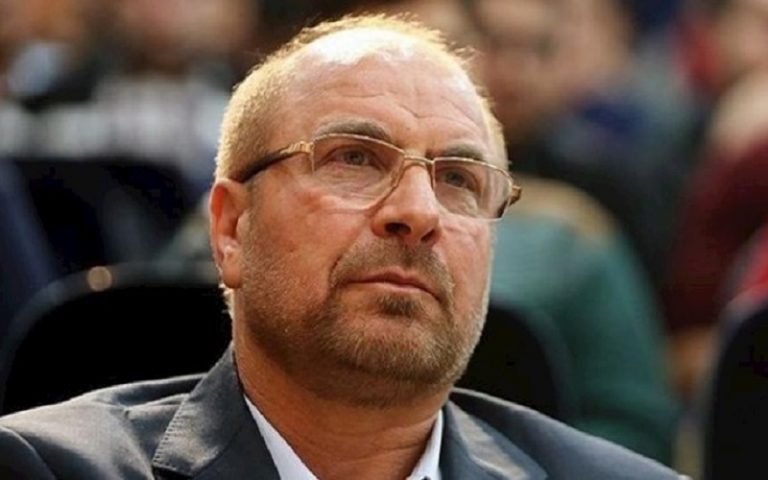
Iranian Parliament Speaker Mohammad Bagher Ghalibaf used the first session of the new Persian calendar year to praise the Iran-China deal, which sells off Iran’s natural resources in exchange for helping the ruling system stay in power, and falsely claim that it undermines the United States.
He said: “We stress that we welcome the Comprehensive Iran-China Cooperation Program. The signing of this agreement would be a strategic step if it means believing that the world is not limited to the West and that the next century is the century of Asia. The signing of this document is also an important warning to the United States to realize that international relations are rapidly changing to the detriment of the United States.”
During that same session, many other MPs raised concerns about possible repercussions, with Ali Alizadeh saying that the “lack of transparency” surrounding the deal will not endear it to the public, citing articles of the Constitution that prioritise keeping the public informed.
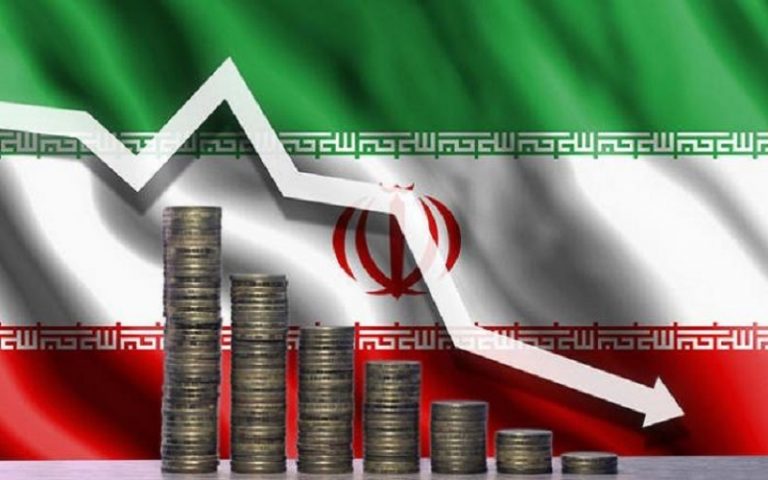
This agreement, which comes as the Iranian economy is failing after 42 years of corruption and mismanagement, will see China invest $400 billion in various sectors, including telecommunications, healthcare, banking, transport, and IT.
The Iranian opposition wrote: “Basically, the regime has forfeited the country’s economic infrastructure to a foreign power. The little detail that has leaked about the deal reveal it to be so disastrous that even the regime’s own officials are comparing it to the Turkmenchay Treaty, in which the Qajar monarchy ceded large swathes of Iran’s northern reaches to the Russian empire.”
The treaty, according to analysts, has no benefit for Iranians because it liquidates the country’s resources, as well as allowing China to establish a security and military foothold there, and perhaps getting a bit of cash for the mullahs. This allows mullahs to easier keep their grip on power, which will only lead to increased poverty and unemployment. In turn, this makes it more likely that a new uprising will come.
MP Ahmad Alireza Beigi said: “If the mistakes of the past are not compensated and no solution is found to change the current situation, great damage will await us… The feeling of oppression in the plundered investors in the stock market, anger and rage from the unfortunate consequences of the incident of rising gasoline prices, unbridled inflation, and long queues to buy oil and chicken cannot be ignored. The effects of these catastrophes will be evident in the upcoming elections.
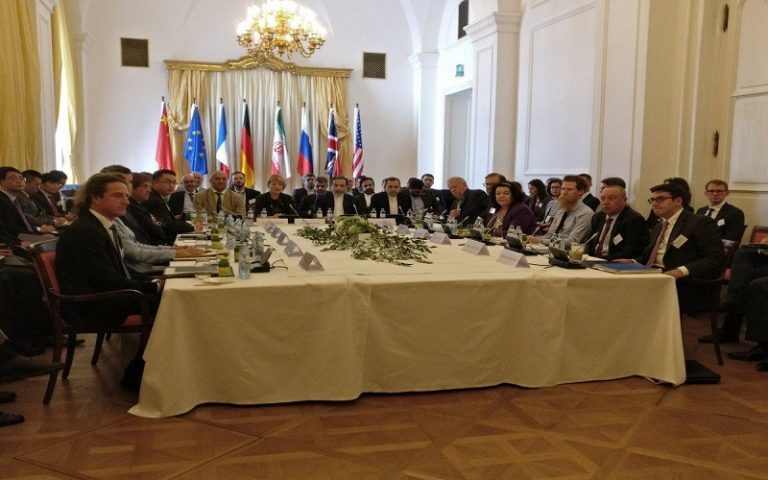
While the Iranian people’s hatred of the Iran-China deal is continuing, the regime’s foreign minister Mohammad Javad Zarif tweeted: “At virtual JCPOA JC meeting, Iran & EU/E3+2 agreed to resume in-person talks in Vienna next Tues. Aim: Rapidly finalize sanction-lifting & nuclear measures for choreographed removal of all sanctions, followed by Iran ceasing remedial measures. No Iran-US meeting. Unnecessary.” (@JZarif)
“Rapidly finalize sanction-lifting” is a deceptive phrase to cover up the mullahs’ retreat from their previous positions about their nuclear activities.
Iran’s supreme leader Ali Khamenei had said in 2020 about the JCPOA (2015 Iran nuclear deal), “We do not insist on this at all, and we are in no rush for the US to return to it. Our issue is not at all if the US will return to that agreement or not. Our reasonable, logical demand is the lifting of sanctions. Sanctions should be lifted. This is a right that has been seized from the Iranian nation.” (Khamenei.ir, February 28, 2021)
Therefore, the regime lacks ‘authority’ according to its own words, while being influenced by the other side, until it has acquired this authority, is a loser in any supposed negotiation. Khamenei admitted to this a year before the November 2019 protests. We are now in 2021. A year in which the regime signed a 25-year contract with China, effectively selling off the country to prevent its downfall.
As usual there are contradictions in the comments of the regime’s officials. Zarif is hasty that the US returns to the JCPOA as soon as possible and Khamenei said he is not in a hurry. The truth is that the regime is hasty and what Khamenei is telling is just a deceive and is trying not to lose its authority over its forces.
What happened to the issue of non-negotiation and the red line that Khamenei had marked? Was it not suggested by Khamenei that only if all the sanctions would be removed and the regime fact-checks the international community’s compliance, then maybe or maybe not Khamenei would allow a return to the JCPOA? What caused him to step back from his previous policy?
“The side which has the right to set conditions for the continuation of the JCPOA is Iran. The reason is that from the beginning, Iran honored all its commitments. The Islamic Republic honored all its JCPOA commitments, but they violated theirs. Therefore, we have the right to set terms for the continuation of the JCPOA.
“Recently, we set a condition, and no one will go back on it: the condition is that if they want Iran to return to its JCPOA commitments – some of which have been canceled – the US has to lift all sanctions. And not just in words and on paper, rather they have to lift them in practice. After that, we will verify and see if they have really been lifted. Then, we will return to our JCPOA commitments. This is the definite policy of the Islamic Republic and it has been approved by all the officials of the country. Therefore, we will not retreat from this policy.” (Khamenei.ir, February 7, 2021)
What happened to the phrase by Khamenei of ‘no rush’?
Reza Nasiri, an international lawyer affiliated to the regime decrypted this ‘rush’ and said:
“Biden faces significant political obstacles in the United States. As time passes and the return of the parties to the JCPOA is delayed, these obstacles will become stronger and more entrenched.” (Entekhab, April 3, 2021)
This expert explains this obstacle as follows:
“One consequence of Biden’s excessive delay is the possibility that Congress – in collaboration with a number of hardline Democrats – will make the content of some of Trump’s sanctions decrees ‘lawful’ and – with conditions unrealistic for Iran. It would effectively deprive Biden of the power to lift sanctions.”
This could overshadow the whole issue of lifting sanctions or limit negotiations with the regime to congressional law.
The most important obstacle is the end of the regime’s three-month agreement with the International Atomic Energy Agency on the Additional Protocol. This is the most important thing for this regime.
“If the agreement expires – with no prospect of opening up – the likelihood of a broad consensus against Iran and a key mechanism for resuming sanctions on Iran in the Security Council increases.”
What is called an opportunity and victory, and the foreign minister of the regime is trying to pretend as a way out of the impasse and moving of the JCPOA train, is a new and humiliating retreat. The Etemad daily, on April 3, 2021, quoted the Japanese Kyodo news agency as saying:
“Iran proposes new constructive ideas at Frankfurt summit in hopes of immediate rescue of nuclear deal before the small window of opportunity closes.”
The ‘small window of opportunity’ refers to the same ‘rush’ that Khamenei said he did not have, but it turns out that even minutes and hours are decisive for him in terms of lifting sanctions and the deadlock.
Iran’s apologists, as well as many unfamiliar with institutionalized corruption among the mullahs, often blame international sanctions for Iran’s economic crisis, but now even state-run media and Iranian officials are acknowledging publically that the real blame lies with the mullahs.
On Friday, both the Young Journalist Club and the Mashreq News ran stories about the rising cost of poultry, now over 40,000 Tomans despite government promises to fix the issue. Even the attempt to reduce costs by distributing animal feed to farmers only caused a small drop with a cost that still far exceeds the approved price.
Quoting official reports and trade union leaders, Mashreq News wrote: “The inflation rate for the twelve months ending March 2020 for the country’s households reached 36.4%/. The point-to-point inflation of food items in February reached more than 60%… The government is behind 95% of the skyrocketing prices, but they blame the guilds and small business owners for avoiding being accountable.”
One of the reasons for the high prices of poultry is the shortage of chickens, which can be linked to the Revolutionary Guards’ unnecessary culling of over 16 million chickens last March. Meanwhile, the IRGC continue to dominate most industries.
Mojtaba Zoulnouri, Chairman of the Security Commission at the parliament, said: “The officials’ double standards [in treating people] and their lack of motivation about the [mullahs’] ideals have caused misery in the country.”
Another reason for the economic collapse is rising liquidity and the false exchange rate, which Central Bank chief Abdol-Nasser Hemmati admitted was the only way the mullahs could balance the budget for the past two years. Economist Hossain Raghfar said that this was dangerous for Iran because it would affect the economy for decades.
He said: “It should be noted that this increase in the exchange rate is a source of income for the government and has fragile consequences for people. In other words, it creates a dangerous imbalance for families and their livelihoods. The consequences [of this action] will affect the country’s economy for years.”
This mismanagement and corruption have turned the country into a powder keg waiting for the right spark to make it explode.
Mashreq News wrote: “The Iranian society is grappling with crises. The intertwining of social crises has made living conditions difficult for people. In such a society, people are not able to resolve their issues through different social institutions, and [this trend] ultimately causes many social crises in society.”
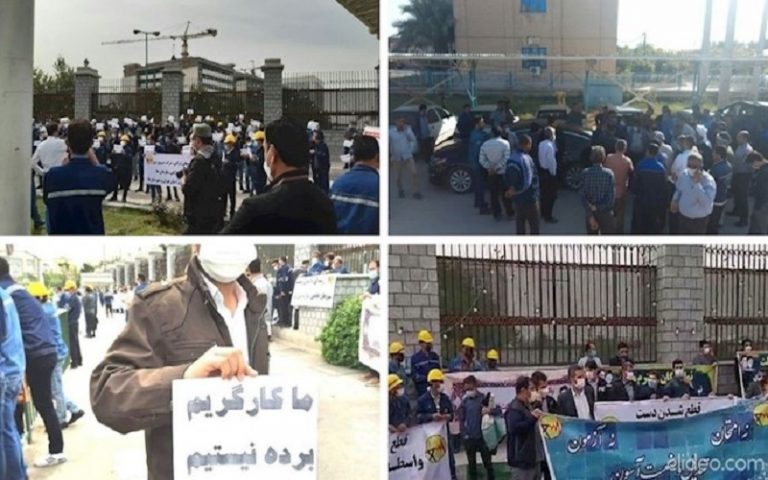
There were at least 193 protests in 70 cities across Iran in March despite the ongoing COVID-19 pandemic, the regime’s crackdown on dissent, and the Nowruz holiday, according to the Iranian Resistance. Let’s look at some of the different groups holding the protests.
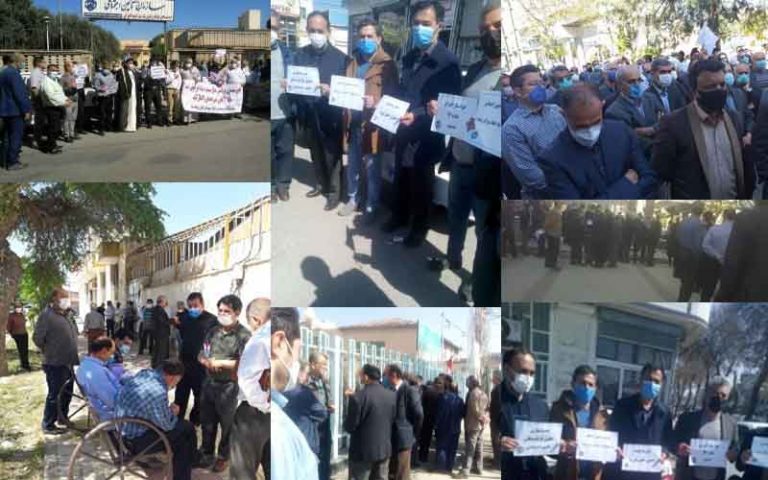
Despite their increased risk of infection of COVID-19 or other winter diseases, retirees held 61 protests in 29 cities, as part of three organised rallies to demand higher pensions that lift them out of poverty.
While workers held 54 protests in 24 cities over various issues, including long-delayed salaries, non-payment of insurance, non-renewal of contracts, layoffs, factory shutdowns, wage cuts, and unsafe working conditions. The protesters included:
municipality workers
wastewater workers
construction workers
railroad workers
oil and steelworkers
sugarcane workers
Farmers held eight protests in five cities over the water shortage, the authorities refusal to buy their products, low prices for their goods, and other financial issues. While livestock farmers held two protests in as many cities over the high cost of animal food, especially when compared with the low price of milk and meat, as well as a lack of support from the state and other issues.
Teachers held three protests over employment laws that negatively affected their financial situation, while students held two protests; one over the murder of fuel porters and one over the merging of universities.
There were 56 more protests in March by defrauded creditors and goods buyers, poultry farmers, and Iranians angry over the murder of fuel porters by Iranian security forces, the refusal to charge a security agent with the rape of two young girls, and a new deal signed between Iran and China that sells off Iranian resources in order to keep the mullahs in power.
On March 30 and 31, Iranians in Tehran, Karaj, and Isfahan protested the 25-year agreement with slogans like “Iran is not for sale” and “Iranians support us!”
Many prisoners also went on hunger strike to protest a denial of their rights, including
political prisoner Esmaeel Abdi who was banned from receiving family visits or using the telephone in Evin Prison
political prisoner Hamzeh Darvish who protested security flaws, psychological torture, and refusal to separate prisoners based on their crimes in the Central Rasht prison
political prisoner Khaled Pirzad who was denied medical treatment and parole in the Greater Tehran Penitentiary
Of course, there have been number of other protests in Iran in recent days, including the natiowide protests by retirees on Sunday.
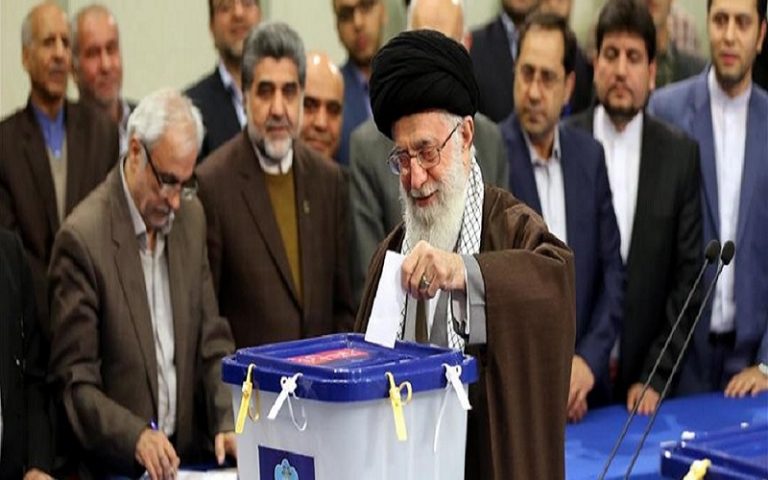
As Iran approaches the upcoming Presidential election scheduled for June 2021, officials are concerned by a backlash by society. In this regard, they are doing their best to drag the people to the polls on the one hand and prevent potential protests on the other hand.
Furthermore, the clerical system is facing its most critical conditions since its establishment in February 1979. Socioeconomic crises have surrounded the rulers, and confusion has engulfed the entire ruling system. They feel public distrust and fury, which may erupt every moment, as was sparked with the rigged Presidential election in 2009 and was followed in December 2017, August 2018, November 2019, and January 2020.
The ayatollahs violently responded to people’s grievances in recent years, creating a profound gap between the state and society. They also made this social rift even deeper by their economic failures and mismanagement, while today, more than 80 percent of Iran’s population live below the poverty line, according to state-run media outlets.
Meanwhile, the Islamic Republic’s horrible policies amidst the coronavirus pandemic have fueled public anger more than ever. Officials tried to downplay the real aspect of the health crisis with a fabricated death toll and false information. However, their controversial remarks and flagrant lies, as well as the opposition’s revelations about the actual death toll, exposed systematic secrecy in Iran.
For instance, the March 29 official death count announced by the Health Ministry stood at 62,478, while many health professionals say the genuine number is far higher. “Over 239,600 people have died of the novel coronavirus in 526 cities checkered across all of Iran’s 31 provinces, according to reports tallied by the Iranian opposition People’s Mojahedin Organization of Iran (PMOI/MEK) as of Monday afternoon local time, March 29,” declared the opposition.
In such circumstances, state-run media estimate only 15 to 20 percent of the population would participate in the Presidential election in the best-case scenario. Remarkably, media were ordered to publish these estimations only after passing precise checks, which looks like a labyrinth controlled by intelligence and security apparatuses.
Notably, the government experienced an unprecedented apathy to the Parliamentary elections in February 2020, which revealed that the system is no longer accepted among citizens. At the time, observers said that the apathy was the people’s backlash regarding the government’s cruel crackdowns on protesters in November 2019, which left more than 1,500 victims and at least 12,000 arrested.
“If public participation in the 2021 election is like the recent Parliamentary elections, we will face a crisis of legitimacy. The [Islamic Republic’s] legitimacy would be questioned if the Presidential election turns out to be like the recent Parliamentary elections,” Etemad Online quoted Mohammad Reza Sadr, a “reformist” member of the Expediency Council, as saying on March 27.
Moreover, the government, particularly the Supreme Leader Ali Khamenei, suffers from a fundamental contradiction. “Khamenei seeks to hold a vibrant election, but at the same time, seeks to install his own subservient candidate,” said Maryam Rajavi, the President-elect of the National Council of Resistance of Iran (NCRI), on March 20.
As the official with the final say in Iran, Khamenei sees isolation as the unique lifeline for saving the Islamic Republic. In this respect, he prefers to appoint a more obedient President like one of the commanders of the Islamic Revolutionary Guard Corps (IRGC). In other words, he has decided to put aside the game of “reformists versus hardliners,” showing there is no forecast for behavior change from inside.
On the other hand, “reformists” express their concerns over the ruling system’s bleak fate, issuing warnings about potential protests and uprisings. “If government unification [purging ‘reformists’] occurs, there is a dangerous issue for the country, and it will even have security risks. Because it prepares several conspiracies against the Islamic Republic, and in other words, it puts the Islamic Republic at risk,” said Sadr.
In this respect, the Supreme Leader would rapidly like to appoint an IRGC commander as the next President and further international isolation. In response, “reformists” grabble to win some shares in power and headlined “No to a military President” as their main slogan for the election campaign, wrote Arman daily on March 27.
In reality, the government has been stuck in a hazardous impasse. Khamenei cannot pass over his purpose for unifying the state and removing domestic rivals. Also, ignoring the “reformists versus hardliners” trick would be a spark in Iran’s powder keg.
Therefore, Iranian officials’ main concern—regardless of their political factions—is another round of nationwide protests. Iran observers say officials will do whatever it takes to defuse or delay protests at all costs, and the Presidential election is a stunt to disappoint citizens from further demonstrations and anti-establishment activities.
Retirees, pensioners, and welfare recipients affiliated with the Social Security Organization once again rallied and marched in 23 cities in 19 provinces across Iran on April 4. They protested officials’ failure to improve their living conditions, low salaries, and skyrocketing prices.
“In addition To Tehran, the retirees and pensioners staged protests in Arak, Ardabil, Isfahan, Ahvaz, Ilam, Khorramabad, Rasht, Sari, Sanandaj, Shiraz, Karaj, Kerman, Kermanshah, Gorgan, Qazvin, Mashhad, Yazd, Neyshabur, Shush, Shooshtar, and Abhar, outside the local social security offices,” stated the Iranian opposition coalition National Council of Resistance of Iran (NCRI).
Apr. 4 – Tehran, #Iran Social Security pensioners chant, "We've heard too many lies and won't vote!" Many Iranians say they won't vote in the June 18 presidential elections because they want #IranRegimeChange. #IranProtestspic.twitter.com/IGsu3USS8q
In their countrywide protests, retirees vented their anger over officials’ deceitful policies and indifference toward their dilemmas. Enraged protesters also expressed their disappointment over both government factions, announcing that they would boycott the Presidential election scheduled for June.
“We have heard too many lies, we will no longer vote,” “Threats and crackdown are no longer effective,” “We have not seen any justice, we will no longer vote,” “Parliament, Government, stop deceiving the people,” “To overcome empty plates, we must take to the streets,” and “Until we obtain our rights, we will be here every day,” retirees chanted.
In recent months, retirees and pensioners have time and again staged rallies and marches in various provinces. These protests have gradually grown into a countrywide movement, which has swept more and more cities. Furthermore, despite officials’ promises and other tricks, such rallies increase with each passing week.
Given the government’s mismanagement and corruption, Iran’s economy has been placed on the verge of collapse. In such circumstances, vulnerable classes of society like retirees and pensioners face enormous dilemmas. They face a deteriorating rate in their purchasing power, and their food baskets are constantly shrinking.
On the other hand, the government does not care about these impoverished people’s hardship and has left them in utter poverty and misery, according to Iran experts. According to state-run media, the majority of Iran’s population live below the poverty line. However, in reality, many people suffer from poor nutrition.
“Pensioners receive on average 25 million rials per month while the poverty line in some parts of Iran has reached 100 million rials in the past year. Along with pensioners, workers are also suffering from the regime’s destructive policies and its refusal to increase the minimum wage based on inflation and price rises,” noted the Iranian opposition People’s Mojahedin Organization of Iran (PMOI/MEK).
In this status quo and while the country has plunged into the fourth wave of the coronavirus outbreak, retirees’ dilemmas have been doubled. Nonetheless, these people prefer to come to the streets and struggle for their inherent rights rather than remaining silent over the government’s plundering policies. This issue shows public distrust in the entire ruling system as citizens have been disappointed to follow their fundamental grievances through governmental apparatuses.
“Today, Iran’s honorable pensioners and retires once again held their protests and uprising across the country with chants which boycotted the mullahs’ election charade. They thus echoed the voice of all the people of Iran who seek to gain back their rights usurped by the mullahs’ corrupt regime,” said NCRI President-elect Maryam Rajavi.
“The clerical regime has plundered the Iranian people’s national wealth and assets. They squander the product of Iran’s toiling workers on warmongering and belligerence, nuclear and missile programs, domestic repression and terrorism abroad, just to preserve the regime’s rule,” she added, highlighting, “The protesters are right when they cry out: We will no longer vote, because we did not see any justice, but heard many lies.”
The positions of Iranian officials on the 2015 nuclear deal with world powers, known officially as the Joint Comprehensive Plan of Action (JCPOA), are contradictory.
“We have no urgency for the United States to return to the JCPOA. It is not our matter whether the US returns to the JCPOA or not. What our rational demand is, is the lifting of sanctions,” Iran’s Supreme Leader Ali Khamenei stated. (Khamenei.ir, January 8, 2021)
Following Khamenei, key elements of his faction like Ali Akbar Valayati and Saeed Jalili, referred to his comments about the JCPOA and the negotiations that the regime is not in hurry for the US to return to the JCPOA.
Valayati said: “We are not in hurry for a US return. But if it wants return, it has conditions, which the most important is the that it removes the sanctions.” (Khamenei.ir, January 12, 2021)
Instead, the regime’s president Hassan Rouhani and his faction are counting daily for the return of the US to the JCPOA. Attacking the interference of the rival faction, Rouhani said: “Delay in lifting the sanctions is betrayal. If any faction, individual or group delays the end of sanctions for an hour for any reason, it is treason. Of course, today the reason for this is only the 2021 elections. For whatever reason, anyone who wants to delay the end of the sanctions is a great betrayal of the history of the Iranian nation, and this eternal disgrace will remain for that faction and individual.” (president.ir, March 17, 2021)
Then days after the beginning of the Persian calendar’s new year Rouhani pleaded with the US and said: “If they lift the sanctions, it will become clear to us that this is the right thing to do. We will return to all our obligations.” (State TV, news channel, March 24, 2021)
Sad about the US decisions and the lost hope for the appeasement policy the state-run TV channel One on March 23 said: “Biden had asked Trump to reduce sanctions because of the coronavirus outbreak, but two months after he took the White House, he has taken no action.”
And about the US’s return to the JCPOA a government expert in an interview with the news channel said: “I do not see the future perspective to compensate for the mistakes. It has been about two months and a week that Mr. Biden has been following in Mr. Trump’s footsteps.” (state TV News Channel, March 24, 2021)
Fearing the continue of the sanctions and its consequences Ali Motahari warned: “We should not obstruct the lifting of sanctions and the revival of the JCPOA, we should not create hardship for the people in the name of revolution.” (State-run daily Aftab, March 23, 2021)
There are many other sources and people who have the same concern about the regime’s situation and its future especially in the field of the JCPOA and negotiations.
State-run daily Aftab on March 27, 2021 wrote: “The window of opportunity for the revival of US-Iranian diplomacy will close soon.”
The Arman daily on the same day saw the “negotiations” as the “last hope” and “last solution”, and said that, “Iran must bring the issue of JCPOA to a logical conclusion” because, “the fact that events have taken place in the country in recent years is widening the gap between the people and the government, and this gap is deepening day by day” and, “another point is that the conditions of possible future negotiations have changed since the JCPOA in 2015, and these changes require new measures. In the current situation, the situation of Iran’s influence has changed compared to the past in areas such as Iraq, Lebanon and Syria, and the situation is not the same as in the past.”
And Sadegh Zibakalam, one of the regime’s insiders, in an interview with the RFI radio on March 24, 2021 said: “What will pull the country out of the quagmire will be the 2021 JCPOA of the government with the United States. Of course, they will say in the advertisements that this 2021 JCPOA, this heroic flexibility of 2021 is not like the JCPOA of 2015 in any way.”
What these contradictions in the comments of the regime’s elements and state media show as a conclusion is the deadlock of the regime, having no way out of its crisis even if the US returns to the JCPOA.
Iran’s Supreme Leader Ali Khamenei delivered his annual Nowruz speech just over a week ago. Although it was uniquely broad in scope, the actual substance of the speech was hardly distinguishable from any other major address by a leading figure in the theocratic regime.
It was largely an exercise in propaganda, peppered with boastful and often ridiculous claims designed to present an image of unbridled strength for the Islamic Republic.
Unsurprisingly, some of the relevant statements were more specifically aimed at portraying the regime as being so politically and economically resilient that it can stand toe-to-toe against the United States and force the world’s leading superpower to back down on issues that include the Iranian nuclear program and the so-called Joint Comprehensive Plan of Action.
The supreme leader reasserted that his regime had established its “definitive policy” with regard to that 2015 Iran nuclear deal and would neither surrender nor compromise in the face of persistent U.S. sanctions.
Experts in foreign affairs generally recognized that Iranian officials were looking to last January’s Presidential transition in Washington as an opportunity for a return to the status quo as it existed before then-President Donald Trump pulled out of the nuclear deal and initiated a policy of “maximum pressure.”
But his successor, Joe Biden, has so far shown little interest in rushing to suspend the sanctions that were re-implemented or newly implemented after May 2018.
On the campaign trail, Biden had signaled that he would try to return to the deal, and he has technically retained that position since taking office. But the two sides remain at an impasse over the question of who acts first.
As Khamenei reiterated in his speech, Tehran is insisting that the U.S. remove all sanctions first, before Iranian authorities begin reversing any of the myriad violations of the deal that they made at a time when the five other signatories were struggling to continue enforcing it.
Meanwhile, the White House correctly sees that there is no reason to provide Iran with additional, unearned concessions, as the regime is in no position to make demands.
US Deputy Secretary of State Wendy Sherman, formerly a major player in the negotiations that led to the nuclear deal, explained this situation in her confirmation hearing before the Senate Foreign Relations Committee, about two and a half weeks before Khamenei delivered his Nowruz speech.
“The facts on the ground have changed, the geopolitics of the region has changed, and the way forward must similarly change,” she said after underscoring “the threat that Iran poses to our interests and those of our allies.”
Khamenei cited Sherman’s remarks but ignored their context. “Conditions have changed,” he declared, “but they changed in favor of Iran, not the U.S. So if anything, the JCPOA must change in favor of Iran.”
Of course, this is exactly what he and other leading Iranian officials are proposing when they insist upon a full-scale return to sanctions relief, sans consequences or any real acknowledgment of the fact that Tehran has recently ramped up its nuclear activity to a degree and with a pace that raises serious questions about the agreement’s prior value.
Those advancements came as a surprise to many observers, given that the JCPOA had been sold to skeptical lawmakers as supposedly lengthening the regime’s “breakout” time for a nuclear weapon to well over a year.
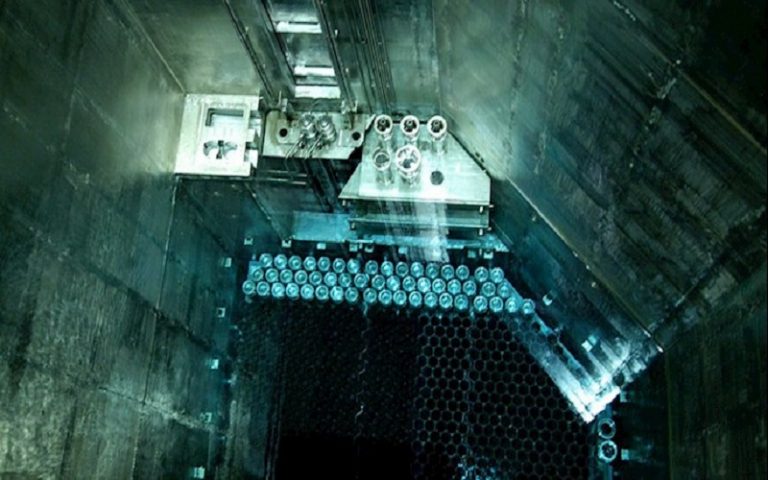
Current estimates put the regime just a few months away from such a weapon, at best. Since halting all compliance with the JCPOA at the beginning of this year, uranium enrichment facilities in Iran have started running cascades of second and third-generation centrifuges and have readied even more advanced machines for still faster production.
The country has also begun work on uranium metal, a key component in the core of a nuclear weapon, and has ceased implementation of the Additional Protocol to the Nuclear Nonproliferation Treaty, making it doubtful that international inspectors will be allowed to remain in the country for much longer.
This all sounds rather alarming, and it is. But it would be wrong to respond to the underlying threat by giving the Islamic Republic what it wants, now that there is ample evidence to suggest that the regime would just exploit the new concessions in order to further weaken an arrangement that was already far less beneficial to global security than had been claimed.
The foregoing violations confirm frequent criticisms of the JCPOA, namely that Iran would continue making clandestine advancements in areas not covered by the agreement or the inspections regime, and then would rush to nuclear breakout once the restrictions on enrichment and stockpiling either expired or were abandoned.
Some Iranian officials have all be acknowledged that this was their plan all along. Ali Akbar Salehi, the head of the Atomic Energy Organization of Iran, admitted to state media more than two years ago that authorities had deceived UN nuclear monitors into believing that the Islamic Republic had fully complied with a provision of the JCPOA requiring that the core of a heavy water plant in Arak be deactivated, cutting off the regime’s plutonium pathway to a nuclear weapon.
Later in 2019, Salehi indicated that this was not the only instance of deception and that the regime had also put “countermeasures” in place to prevent significant or long-lasting effects from restrictions on uranium enrichment.
If anyone advocates for appeasing Tehran in the wake of Khamenei’s “definitive” rejection of further negotiations, they are ignoring the real nature of the threat. To reverse the maximum pressure strategy at this time would be to reward Iran for its deceptions and violations, and to give away the very leverage that the regime is so plainly desperate to remove.
Contrary to the supreme leader’s rhetoric, recent changes to the geopolitical situation are proof of Tehran’s vulnerability, not its strength. The regime is perhaps under more pressure from both at home and abroad than it ever has been.
Between December 2017 and January 2020, authorities were faced with three nationwide anti-government uprisings, and as the Iranian Resistance leader Maryam Rajavi explained in her own Nowruz, speech, the “flame” of those movements has been “kept alight” throughout the coronavirus pandemic, and now seems to be contributing to major protests in areas like the border province of Sistan and Baluchistan.
Meanwhile, news of an Iranian terror plot against a Washington military base has made it all the more clear that the regime is desperate to project strength at any cost, for fear of the growing challenges to its grip on power.
That plot may bring renewed attention to earlier threats including the 2018 attempt at bombing an Iranian expatriate rally in Paris, which led to a 20-year sentence for a high-ranking Iranian diplomat.
Such stories reinforce the need for greater isolation of the Iranian regime, which is incompatible with recommendations coming from those who prioritize salvaging the JCPOA above all else.
Those recommendations should be taken no more seriously than Khamenei’s portrayal of the Islamic Republic as a country on the verge of defeating the United States. The reality is that his regime is on the verge of collapse and only pretends otherwise in hopes of saving itself.
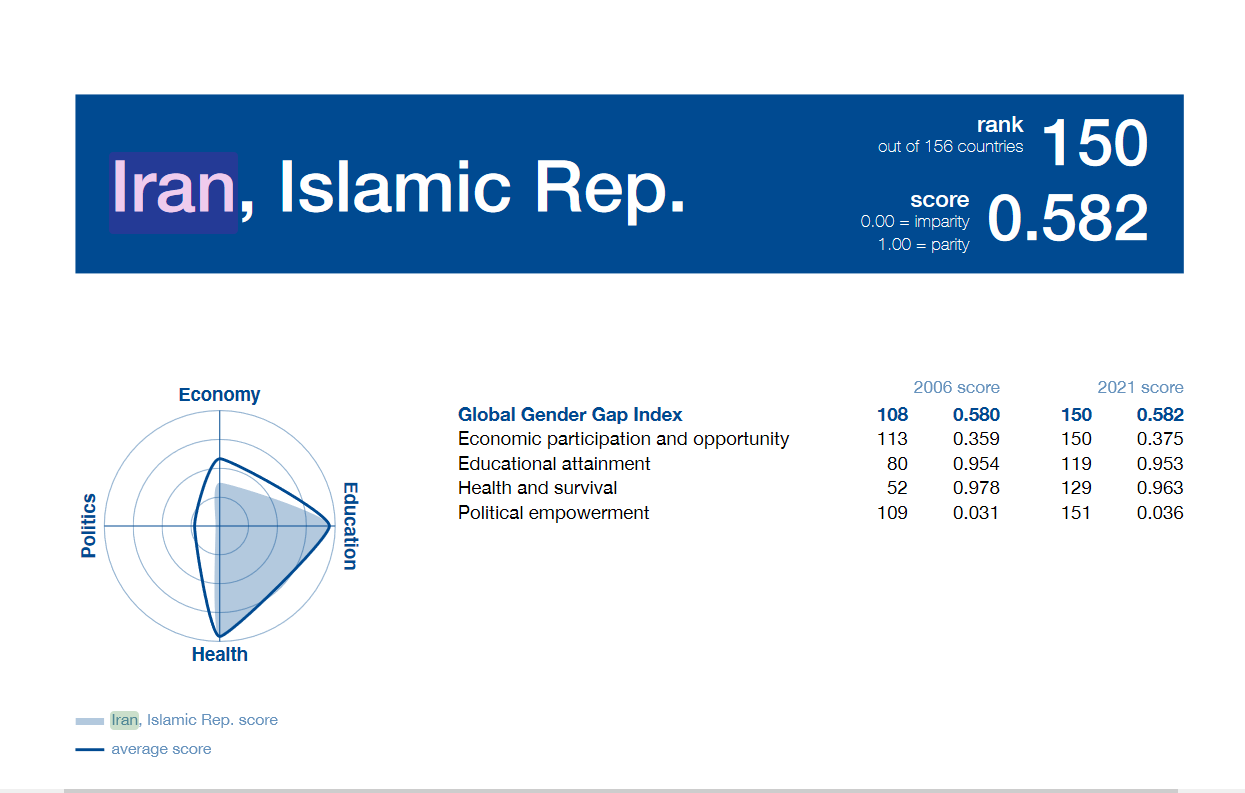
In the newly-released Global Gender Gap Report 2021 by the World Economic Forum, Iran under the rule of the mullahs is ranked 150 in terms of gender gap.
The report, which was released on March 30, 2021, points out that Iran has fallen two other steps over the past year. Iran in 2006 was ranked 108, but after 15 years, it has fallen 42 further steps. Out of 19 countries of the Middle East and North Africa, Iran has the rank of 16.
According to the World Economic Forum report, Iran has a disastrous situation in all areas. If someone does not know the wealth and opportunities of Iran, they might think that this is one of the poorest countries in the world, which is falling year after year in all Indicators of health and gender equality.
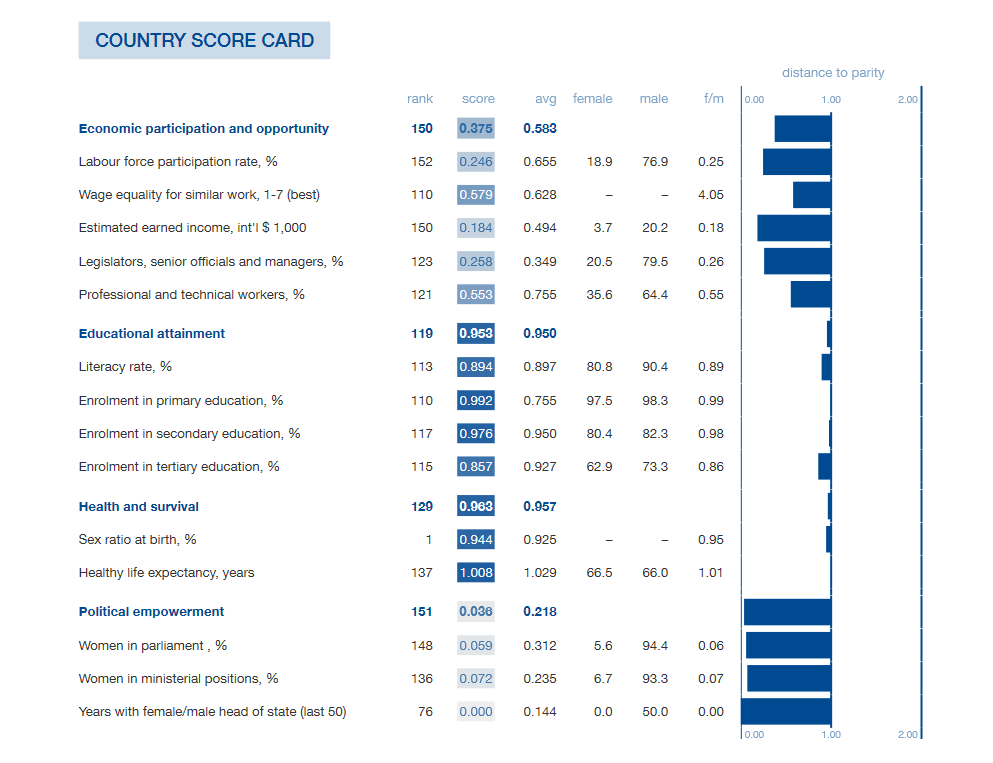
The report added: “…On the opposite end of the spectrum, the countries with the largest economic gender gaps are Iran (just 37.5% of the gender gap closed so far).”
The other statistical table of this report indicate that Iran ranked 119 in terms of Educational Attainment, 129 in terms of Health and Survival ranked, and 151 in terms of Political Empowerment.
Global rank of Iran in terms of gender gap
The report highlights the low level of women’s labor force participation which according to this report is a driver of lack of economic participation. While it said the Middle East’s average women’s participation is 31 percent, it said that seven countries including Iran have the lowest rates in the world with 20 percent or less of women participation in the labor market.
Pointing to another important factor of women’s situation this report said: “Another important factor that limits economic opportunities of women in the region is lack of access to financial assets, including bank accounts. Combined with low presence in the workplace, this drives stark income differences between men and women. Six of the index’s 10 lowest-ranked countries in terms of income gender gaps are in this region. In Saudi Arabia, for instance, a woman’s income is on average only 24% that of a man, and in Egypt, 22%; in Algeria, 19%; in Iran, 18%; in Iraq, 12%; and in Yemen, 7%. Even in Israel, women’s income is only 61% of that of a man.”
Iran’s score card
About the women’s political participation in Iran the report said: “With the exception of the United Arab Emirates, where there are as many women as men in the parliament, women make up just 18.3% of parliamentarians across the region, and in five countries women represent 6% or less of lower-house members: Yemen (0.3%), Kuwait (1.5%), Oman (2.3%), Lebanon (4.7%) and Iran (5.6%).”