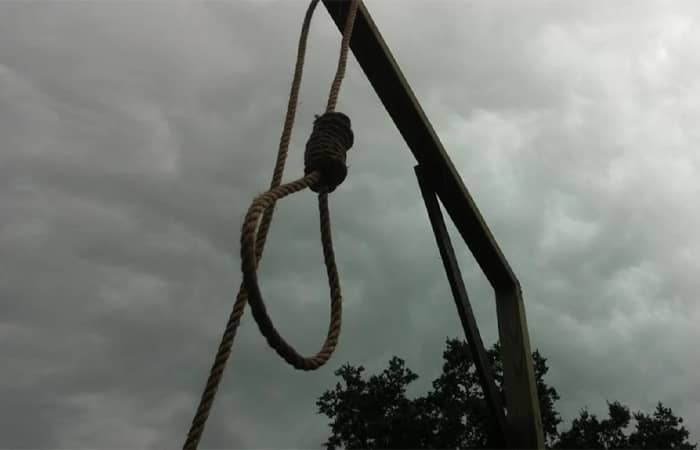
“Amnesty International condemns the execution of protester Mostafa Salehi, which was carried out in Esfahan prison on 5 August despite serious unfair trial concerns incl torture and other ill-treatment & the denial of access to a lawyer during the investigation phase of his case. “Mostafa Salehi was convicted of murder for the killing of a Revolutionary Guards member during nationwide protests in Dec 2017-Jan 2018. He maintained his innocence and independent media reports suggest that the prosecution authorities failed to provide evidence of his guilt,” the Iran desk of Amnesty International tweeted on August 6.The #Iran|ian government hanged Mostafa Salehi, one of the prisoners of the Dec 2017-January 2018 uprising, in Dastgerd prison in Isfahan. #IranHumanRights #HumanRights pic.twitter.com/okacQrNOuo
— Iran Focus (@Iran_Focus) August 5, 2020
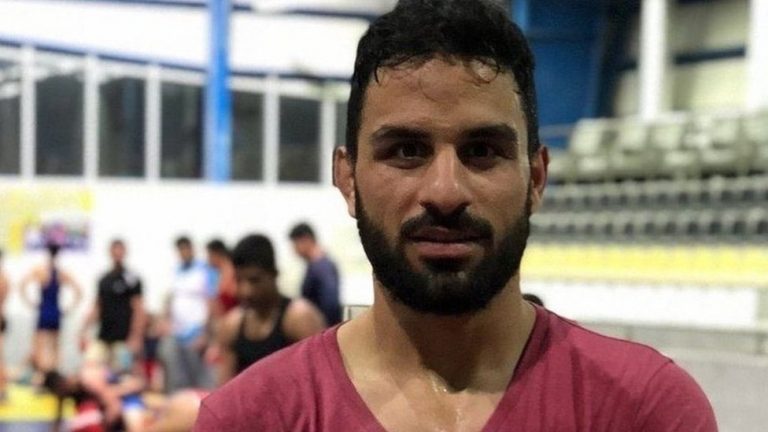
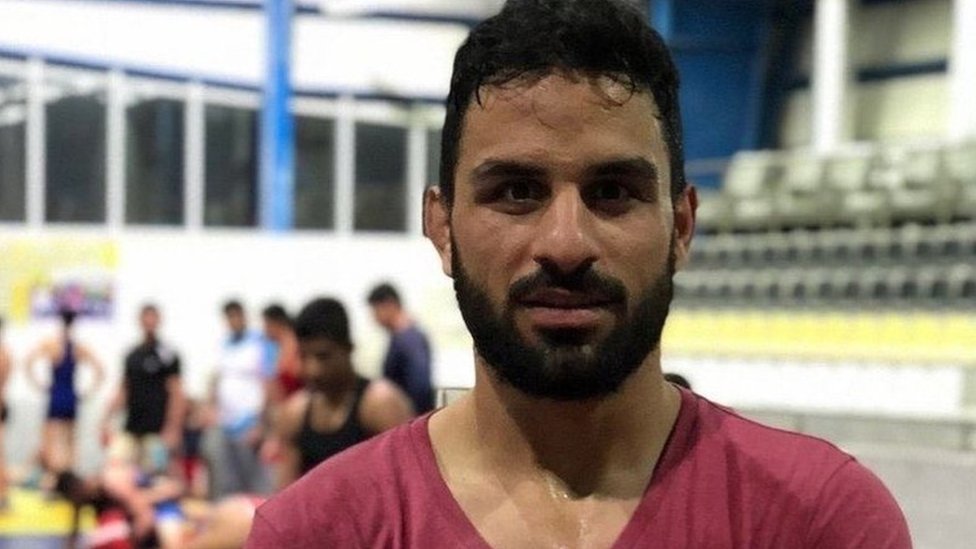
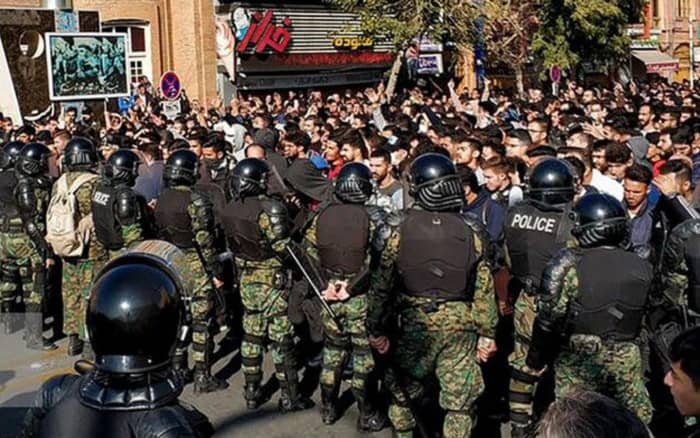
Later, in mid-August, Iranian authorities transferred four protesters detained in December 2017-January 2018 protests to solitary confinement to hang them. Once again, the people of Iran managed to save the lives of the protesters. Of course, they are still on death-row and their lives are at risk. However, the people’s will spared the lives of these young protesters at least until this moment. In late August, the supreme court upheld the death sentence against the 27-year-old champion wrestler Navid Afkari, which led to global outrage against the Iranian government’s merciless penalties. Many athletes inside Iran and abroad condemned the brutal sentence and rights groups called the United Nations to intervene and pressure Iran to abolish the death penalty. Thanks to a worldwide humanitarian campaign, Iranian authorities have thus far refrained from executing this wrestling star. On the other hand, prosecutors exercise harrowing torture against detainees, including Navid Afkari and his brothers and other protesters, to accept false accusations during televised confessions. On September 5, Aida Younesi, sister of award-winning Iranian student Ali Younesi, revealed that the interrogators had suggested Ali and Amirhossein Moradi, another award-winning student, to accept alleged crimes and then judicial officials will reduce their death penalty to life imprisonment. Notably, these elite students have yet to be tried as of this report. Earlier, on September 2, Amnesty International organization shed light on horrible torture and ill-treatment exercised by Iranian authorities against detainees, particularly protesters. In this respect, many political prisoners pass dire conditions in jails and dungeons contaminated with the coronavirus. Despite the Iranian judiciary propaganda about offering furlough to prisoners due to the coronavirus pandemic, the rest of the political prisoners did not receive such furloughs. Instead, in tandem with the second and third wave of the health crisis, intelligence officers raided and detained more citizens on “security charges.” They are mostly relatives of members of the Mojahedin-e Khalq (MEK), like Forugh Taghipour, Fatemeh Mosanna, Parastu Moeini, Zahra Safaei, and fourteen others. These female political prisoners are held at Qarchak Prison in Varamin county suburb of Tehran. According to reliable sources, the head of the prison Mehdi Mohammadi has hired and provoked several prisoners for dangerous crimes to murder these prisoners by creating fake clashes. “Some ordinary women prisoners have said that the head of the prison hired us to beat and fight these prisoners,” Iran Human Rights Monitor reported. Majid Assadi, Jafar Azimzadeh, Nasrin Sotoudeh, and Behnam Mousivand are among the political prisoners who have experienced brutal behavior on behalf of the prison officials. Regarding reports revealing flagrant violations of human rights principles, it is imperative that international bodies, particularly the UN, take urgent action and persist on sending a fact-finding delegation to Iran and inspecting Iran’s dungeons, the opposition has said. Iranian authorities detained over 12,000 protesters in November 2019, many of whom are exposed to torture and heavy sentences. Rights organizations must compel authorities to respect the conventions they had signed before and immediately release all political prisoners, activists say.2) Mostafa Salehi was convicted of murder for the killing of a Revolutionary Guards member during nationwide protests in Dec 2017-Jan 2018. He maintained his innocence and independent media reports suggest that the prosecution authorities failed to provide evidence of his guilt.
— Amnesty Iran (@AmnestyIran) August 6, 2020