Iranian Nurses, Forgotten Angels

Ten months after the emergence of the novel coronavirus in Iran, fatalities have surpassed around 190,000 people, according to the Iranian opposition Mojahedin-e Khalq (MEK/PMOI). Governments all over the world are severely competing to gain more Covid-19 vaccines to rescue their people. Many officials believe that medical staff who provide invaluable services in combating the health crisis must be the first receivers of vaccines. However, in Iran, the situation is completely different. Not only is there no news about vaccination, but the government has yet to provide essential equipment for medical staff. In this respect, many healthcare workers have contracted the Covid-19, which dramatically has decreased the country’s medical staff on the one hand and exerted additional pressures on their colleagues on the other. “Of the roughly 145,000 nurses across the country around 60,000 have contracted Covid-19 and 6,000 are in quarantine,” said Mohammad Mirzabeigi, head of Iran’s Nursing Apparatus Organization, on December 17.
Nurses in Iran Are Overworked, Underpaid, and Getting Sick
Ten days earlier, Maryam Hazrati, deputy of nursing affairs in the Health Ministry, warned about overwhelming pressure on nurses. “Around 40,000 nurses across the country have contracted Covid-19 and are now in quarantine. With their loss pressure on the remaining nurses has increased significantly,” the semi-official ISNA news agency quoted her as saying on December 7. Furthermore, authorities’ mismanagement has caused the death of a considerable number of these selfless people. On December 18, in an interview with the official IRNA news agency, Alireza Zali, the head of the Covid-19 Task Force, confirmed the death of 46 healthcare workers in Tehran and 200 in other provinces. Health professionals also expressed their concerns over the mental and physical conditions of medical staff. “After nine months of bad working, mental, and physical conditions, more than 50 percent of nurses in the ICU section have contracted the coronavirus, 20 percent of which have been hospitalized in the ICU section themselves. This is a disaster,” said Alireza Sedaghat, head of the ICU department in Mashhad’s Imam Reza hospital, on November 12. On the other hand, the ayatollahs’ terrible policies led many nurses and physicians to take refuge in other countries. “Negligence toward nurses’ demands diminishes their motivation… and in some cases, these indifferencies lead nurses to migrate from the country. In the long run, this issue would exacerbate the crisis of shortage of nurses in the country,” Abdollah Safari, deputy chief of the Nursing Organization, said in an interview with Mashreq News website on December 17. Nurses’ emigration would sink the country to more dilemmas. Particularly, when the government faces a shortage of medical staff. “One of the main severe shortages we are facing is in the number of nurses. We do not even have one nurse for each hospital bed while the global standard is 2.5 nurses for each bed. Even in developing countries, this number is higher than two,” said the head of Iran’s Supreme Nursing Council Samsoddin Shamsi on December 14.
Iran’s Doctors and Nurses Are Victims of the Regime’s Indifference to the Coronavirus
In this respect, the ayatollahs’ mismanagement not only pressures these selfless people but endangers the country’s future by reducing Iran’s valuable human resources. Moreover, while the government does not pay nurses’ arrears and delayed paychecks, it is unlikely to provide necessary items for medical apparatuses and improve the country’s health department. In this respect, like other sectors of society, medical staff grasped that protests are the sole way to achieve their inherent rights.

Iran Media Warns of Protests Over Crises

The state-run media is continuing to warn about a protest by the people because of the government’s failure to mitigate the growing crises there, including poverty, inflation, and Covid-19.
Iran: Covid-19 Vaccine and Ayatollahs’ Dirty Business
On December 19, Hamdeli daily wrote that the poverty line was now 100 million rials [approximately $400], according to the Central Bank of Iran (CBI). However, most workers are struggling to earn even a quarter of that, at the same time that social security has removed 70 and 80 medicines from its books, meaning Iranians will have to pay out of pocket. Meanwhile, the semi-official ILNA news agency and Siyasat-e Rouz outlet discussed the rising costs of food, with many unable to afford meat. Poultry has increased in price by 26.2 percent, while the meat is up 13 percent and rice 9.2 percent. One of the things exacerbating the economic disaster is the coronavirus outbreak, which the government is also doing little about as the death toll reached 193,300 on Monday, December 28. In fact, the government not only tried to cover up the virus at the start to ensure higher turnout at the election and the anniversary parades, which were boycotted for entirely different reasons. However, they even described it as a “divine blessing” because they figured it would stop the kind of mass protest that could see them thrown from power.
Iran Supreme Leader Calls Coronavirus a “Blessing” 
The government has even refused to procure foreign vaccines, with officials including President Hassan Rouhani and CBI Chief Abdolnasser Hemmati, blaming it on sanctions. Geneva-based Gavi, which is one of three groups involved in the COVAX payment facility for coronavirus vaccine purchases, said that there is no “legal barrier” to Iran buying vaccines. Even Nasser Riahi, the head of the Iranian Drug Importers’ Union, told Sepid daily that Iran could buy the vaccine and that officials’ claims were “not true.” As a result, “#BuyVaccine” became a trending hashtag on Iranian Twitter on Sunday, according to the Sharq daily. It should come as no surprise that there is “public distrust” in the government, as Arman daily wrote Monday because contradictory remarks by officials have weakened what little trust there was. “Many countries have begun mass vaccination… Meanwhile, we in Iran are still waiting for some good news about vaccines’ possibility of entering Iran. All this means that we will face more victims,” Shargh daily wrote on December 22. “Why should our people and medical staff be so deprived of these vaccines? When it comes to the people’s lives, why do our politicians not want to change their wrong policies a little so that maybe the lives of the people of this country will be saved? Is the life of our people worthless?” Shargh daily added.

Iranian Authorities File New Charges Against Political Prisoner Soheil Arabi

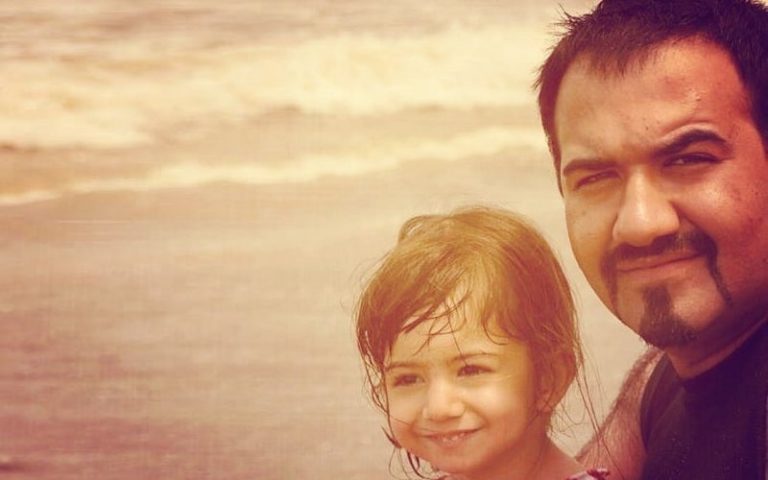
Iranian authorities once again filed a new accusation against political prisoner Soheil Arabi. Following a period of ignoring this political prisoner’s fate, on December 23, he was informed of the new charges through a video conference at Shahr-e Rey court. According to reports provided by the human and civil rights advocate website fa.iranfreedom.org, Judiciary officials from Branch 8 of Shahr-e Rey jurisdiction accused Soheil Arabi of propaganda against the state. This is while since 2015, Arabi has had no access to outside the prison and has not been afforded furlough even during the coronavirus pandemic.

For One Month There Was No News About Soheil Arabi

On September 18, Soheil Arabi was suddenly summoned to the bureau of Tehran Greater Penitentiary warden Chaharmahali. Then, the prison guard transferred him to an unknown place. After many follow-ups by his families, authorities acknowledged that Soheil Arabi had been transferred to the quarantine ward called ‘Suite’ at Karaj’s Raja’i Shahr Prison, in Alborz province. Eventually, contrary to authorities’ false information, Soheil Arabi called his family from Evin Prison’s Ward 2A on October 20. Notably, this ward is controlled by the Intelligence Department of the Islamic Revolutionary Guard Corps (IRGC). Prisoners are exposed to inhuman torture and other ill-treatment by cruel interrogators like Raouf and Sattar. Later, on November 17, authorities finally transferred Arabi to Raja’i Shahr Prison, Ward 4 – Hall 10. Simultaneously, this political prisoner faced new allegations by the IRGC Intelligence Department. Due to his revelation about Tehran Greater Penitentiary‘s awful conditions, particularly during the coronavirus era, authorities filed new accusations under the pretense of ‘propaganda against the state.’

Torturing and Harassing Prisoners

Furthermore, Soheil Arabi was subjected to torture time and again by prison guards at Tehran Greater Penitentiary. Under the warden’s supervision, the guards repeatedly attacked, tortured, and harassed this political prisoner. During an assault, Soheil Arabi was harmed in the testicles, and attackers broke his nose. Authorities deprived him of medical care. Since then, he cannot breathe easily.
Iranian Political Prisoner Sent Back to Prison From IRGC Detention Center

International Appeals for Releasing Soheil Arabi

On October 17, Amnesty International expressed its concerns about Soheil Arabi’s condition and unclear fate. “Prisoner of conscience Soheil Arabi was transferred out of Greater Tehran Central Penitentiary on September 18, 2020. Prison officials have told his family he is now held in Raja’i Shahr prison, Karaj, but Soheil Arabi has had no contact with the outside world since his transfer,” Amnesty tweeted. Also, Amnesty International mentioned the risks of torture against this prisoner, adding, “This raises fears that Soheil Arabi may be at risk of torture or other ill-treatment since he has had no contact with the outside world in nearly one month. The denial of all contact is also causing Soheil Arabi’s family great alarm.” Moreover, Amnesty called on Iranian authorities to release Soheil Arabi immediately and unconditionally. “The Iranian authorities must immediately and unconditionally release Soheil Arabi. Pending this, he must be protected from torture and other ill-treatment, provided urgently with any medical care he may require, and given access to his family and a lawyer of his choosing,” Amnesty wrote on its Twitter account which follows developments in Iran. In flagrant defiance of international appeals for improving human rights conditions in Iran and releasing political prisoners, prisoners of conscience, and followers of ethnic and religious minorities, the judiciary has opened a new case against Soheil Arabi. Opposition activists say the international community should not remain idle regarding this shameless act by the world’s record holder of executions per capita. It is time for the civilized world to pressure Iranian authorities to respect their people’s fundamental rights.
November Protesters’ Lives in Danger in Iran Prison 

Tehran Plans to Execute Gamblers

In a new blow to Iranians’ human rights, particularly the right to life, Iranian authorities plan to hang people on gambling-related charges. On December 26, deputy chair of the Parliament (Majlis) Judicial Commission Hassan Nowruzi acknowledged that the Majlis Judicial Commission has recently drafted a bill to confront gambling websites’ admins. “This plan considers the death penalty for gambling-related offenders due to ‘corruption on earth,’” Nowruzi said in an interview with Fars news agency, affiliated to the Islamic Revolutionary Guard Corps (IRGC), on December 26.

Execution Is the Dictatorship’s Sole Response to Society’s Dilemmas

Earlier, the State Security Forces (SSF) announced that it had detained ten citizens on gambling-related charges. Colonel Mostafa Nowruzi, chief of the SSF Center for Combating National and Organized Cyber Crimes, reported this news during a press conference. (The two Nowruzis are not related.) On the other hand, the deputy chair of the Majlis Judicial Commission reckoned that the new plan was in accordance with the Islamic Republic’s Penal Code. “Recently, MPs submitted a plan titled, ‘The Expansion of Articles 705 to 711 of the Islamic Penal Code’s Fifth Book,’ to the presidium. The plan has expanded gambling punishments to gambling in cyberspace,” Hassan Nowruzi said. “The plan consists of restrict punishments for groups and gangs. In the case of repetition and persistence on crime and non-repenting, judges can issue the death sentence against gamblers and bettors for ‘corruption on earth’ even if they acted in the form of groups or gangs,” the deputy chair added. Furthermore, Hassan Nowruzi announced that the government and the Central Bank of Iran (CBI) must take necessary actions to counter ‘corruption.’ This is while almost all sensitive administrative apparatuses, including the judiciary, the CBI, and the government, are drowned in unbridled corruption. “The corruption looks like a seven-head dragon. Once we cut one of its heads, it keeps moving with other heads,” said the Supreme Leader Ali Khamenei in February 2018. All the while, Khamenei himself manages a multi-billion trade that included eight giant economic conglomerates.
Iran’s Supreme Leader, Main Figure Behind Regime Corruption
“According to the plan, the government is tasked with performing several actions through the CBI. It must deal mercilessly with different types of corruption by bettors. In this respect, the CBI has been tasked with prohibiting these people from misusing the country’s economic and financial system. The plan has also considered several duties for the ministries of Information and Communication Technology (ICT) and Interior Affairs, as well as Cyber Police, Justice Department, and Judiciary,” Hassan Nowruzi said. The growth of gambling activities, particularly in cyberspace, is a direct outcome of the government’s economic mismanagement. In other words, the people, whose meager incomes have dried up due to poverty and unemployment, see gambling as an instrument to feed their families. However, the government continues to restrict people’s access to the internet due to its weakness in conquering cyberspace.
Iran: Systematic Corruption May Ignite New Wave of Protests

Sixty-Four Percent of Iran’s Workers in Poverty

0
In late 2019, the Iranian government began to put undue pressure on the country’s workers, which has led to the current disastrous conditions that they are suffering under. In a Supreme Council of Labour meeting last year, which was held without even the government-appointed workers’ representatives in attendance, the government and employers agreed that workers’ wages should not be raised by more than 15 percent and that the authorities would not allow inflation to rise more than 20 percent. Even by their own statements, this is a real-term pay cut of 5 percent, but inflation quickly grew out of control. The government was forced to increase wages by 21 percent. Nonetheless, it was too late with many workers already cutting basic food from their diets.
80% Decrease in Iranian Workers’ Purchasing Power as the Rial Continues to Spiral
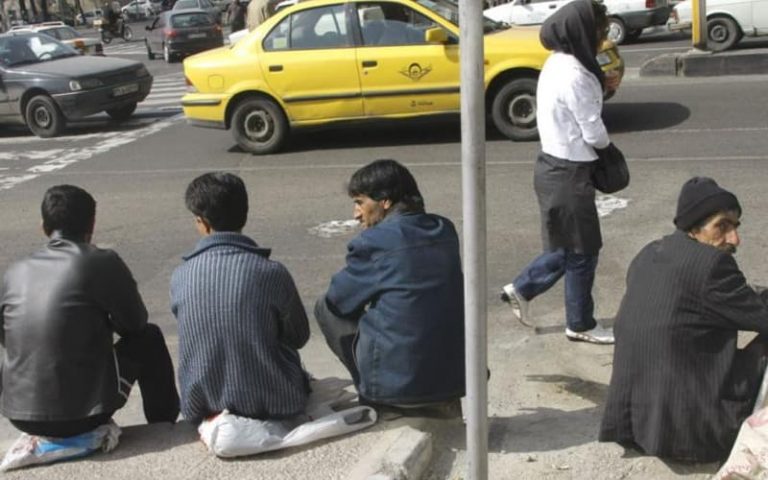
Iran’s labor law says that regardless of the type of work, all full-time wages should be able to meet basic living standards. Sadly, this is not true. The poverty line for a family of four is currently 49.4 million rials, according to the Ministry of Labour, the Standard Organization, and the Ministry of Economy, while these same ministries have approved a 27-million-rial salary for the workers. Faced with major protests from various labor communities, officials have made promises about raising wages in the latter half of 2020 in order to prevent nationwide protests. However, in September, Labour Minister Mohammad Shariatmadari said that wages were “not going to change”; something he reiterated in December. Workers and even the state-linked trade unions have called for the change to be made right away, but the government is hiding behind an article in the labor law, which states that salaries can only be changed once a year, so the impoverished workers will have to wait another three months, by which time the situation will only be worse. Also, doesn’t the government have the power to change laws or take emergency action during a pandemic? Some 63.9 percent of Iran’s working class are in poverty, according to a member of the Supreme Council of Labour’s salary committee. While 15 million workers are forced to work without contracts, are paid less than minimum wage, and face long delays in getting their paychecks.
Iranian Workers Are Victims of Capital Focus in the Hands of Khamenei and the IRGC
“Unfortunately, we can already say that the increase in wages will not have a positive impact on workers’ living conditions next year. According to recent studies, workers’ wages should be around 100 million rials [$388],” one labor activist said. “Of course, I would like to point out that this figure was for minimum living only, not a comfortable life. Therefore, 100 million rials is for the minimum livelihood, and unfortunately, the working community is far from these minimums,” the activist added.

Iran FM’s Afghanistan Comments Cause Controversy

0
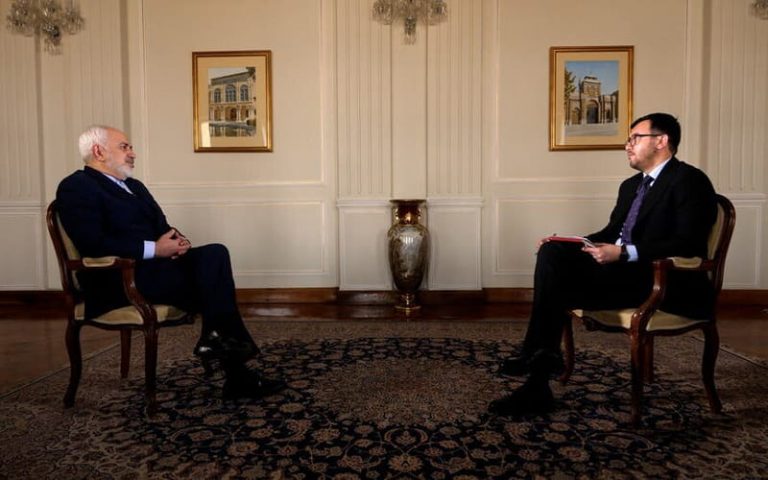
Iranian Foreign Minister Mohammad Javad Zarif has been criticized by Afghan analysts for comments that suggested Iran’s proxy groups would fill the vacuum left behind when U.S. forces depart. “If the Afghan government so decides, [the Iranian Revolutionary Guards Corps’ (IRGC) Fatemiyoun Division] can help the Afghan government fight against Daesh,” Zarif said on Sunday, December 20. This is controversial because the Fatemiyoun was created using desperate men and boys from countries like Afghanistan, who were promised Iranian citizenship in exchange for risking their lives in Iran’s wars, notably in defense of Syrian dictator Bashar al-Assad.
The Widening Gap Between Iran’s Rich and Poor
One Fatemiyoun commander said that over 80,000 men in the Fatemiyoun Brigade have been deployed to Syria so far. US-based Afghan scholar Tabish Forugh said that Afghanistan shouldn’t “risk provoking unnecessary sectarian violence in the country” through the use of these IRGC militias. Meanwhile, analyst Shafiq Haqpal said: “We need peace, not overtures for the use of mercenaries. Suggesting such an idea is like adding fuel to a flame that can become a big fire eventually. We do not want Afghanistan to become another Syria or Iraq.” It is further controversial because the Afghan people generally see the IRGC’s Fatemiyoun as traitors and terrorists, with Afghan TV even flying the Fatemiyoun flag alongside ISIS’s flag with the comment that both threaten Afghanistan’s security equally. The U.S., who will begin withdrawing from Afghanistan in 2021 with the Taliban likely taking control of the country, has also named the Fatemiyoun Division as a terrorist group.
Iran Continues Killing Afghans on the Ground Despite Vowing a Probe

Who Are the Fatemiyoun?

The Fatemiyoun Division, also known as the Brigade, is a Shi’a militia that the IRGC Quds Force formed in 2014, which is mainly staffed by Afghan men and boys. The Iranian government has previously claimed that the Fatemiyoun is solely staffed by volunteers, but former IRGC official Parviz Fattah said on state-run TV in February, during an interview about dead Quds Force commander Qasem Soleimani, that the recruits are paid by the Iranian authorities.
A Glance at Qassem Soleimani’s Crimes in Syria
He stated, in the video that went viral on social media in April, that when he was head of the IRGC Cooperative Foundation, Soleimani asked for money to pay the Fatemiyoun Brigade salaries. These salaries are about $900 a month, which is way more than more Iranians earn because the government needs some way to trick vulnerable Afghan immigrant boys to sign up. Given the Iranian government’s unpopularity in the Middle East, it is unlikely that the Fatemiyoun will gain control in Afghanistan.

Iran’s Presidential Election and Intensification of Crises

On September 18, Iranian Supreme Leader Ali Khamenei virtually visited representatives of ‘Student Unions.’ In his remark, he affirmed that establishing a ‘young and hezbollahi government’ is the only way to ensure the theocracy’s survival. In other words, Khamenei showed his intention to shape the upcoming government through the Islamic Revolutionary Guard Corps (IRGC). “I have repeatedly said that I believe in such a government… However, this word does not mean just a thirty-some-year-old young person becomes the government’s chief… The young and hezbollahi government means a practical, ready, and spritely government that cures dilemmas and can pass the country from hard paths,” Mehr news agency, affiliated to the Ministry of Intelligence and Security (MOIS), quoted Khamenei as saying on the same day. Khamenei also declared his required symbol for such a government. He implicitly revealed his previous plan to appoint former commander of the IRGC-Quds Force (IRGC-QF) Qassem Soleimani, who was killed in a drone attack in Baghdad on January 3, 2020. “Some are young, hardworking, and cheerful despite old ages like ‘great martyr’ Haj Qassem Soleimani. He was above 60 years old. However, I would preserve him at his position even for another 10 years if he was not martyred,” Khamenei added.

Removals and New Appointments for Shrinking the State

Khamenei has time and again announced that he sees contraction as the leading way to rescue the government from this status quo and extend the Islamic Republic’s lifetime. According to this method, while domestic and international crises have surrounded the Iranian government, Khamenei beats the drum for more contraction. In this context, he removed his rivals from the Parliament (Majlis) via the Guardian Council, and he approximately formed a slick Majlis whose members unquestionably obey the Supreme Leader’s orders. Meanwhile, the 2020 Parliamentary elections turned into an absolute scandal and faced public apathy. In fact, Khamenei reduced the state’s social base by purging ‘reformists.’
Iran’s Election: Delaying the Crisis or Solving It?

Sham Presidential Election

Following the Parliamentary elections, Khamenei openly displayed his intention to appoint one of his loyalists as the next president. In this regard, the Majlis passed the plan of ‘Special and Public Conditions for Presidential Candidates,’ paving the path for the victory of Khamenei’s required candidate. The Supreme Leader’s hasty efforts even prompted state-run media outlets to mock him implicitly. “Some are telling a joke, saying, ‘The approved plan just lacks the first letter of a candidate’s name.’ I feel some pursue young followers, not young pioneers,” said Mohammad Javad Azari-Jahromi, the Minister of Information and Communication Technology (ICT), in an interview with Entekhab website on December 17. Furthermore, President Hassan Rouhani’s allies severely attacked Majlis Speaker Mohammad Bagher Ghalibaf and his effort for the presidency. “Wow, Majlis reformed the presidential law for Ghalibaf… Believe, if they could, they would write the presidential candidate must be a general, doctor, pilot, Tehran mayor, and Majlis Speaker—referring to Ghalibaf’s previous positions—otherwise, he cannot register,” wrote Asr-e Iran website on December 19. “Mullah Nasreddin threw the arrow, then drew a circle around it to say that his arrow had exactly hit the target. Our parliamentary friends first specify their candidate, then write the law in this context,” the website added.
Political Rivalries Amplify as More Iranians Go Below Poverty Line

Khamenei’s Faction Threatens ‘Reformists’ with Changing Constitution, Holding Referendum

Khamenei’s allies, who are concerned about losing the presidential seat, sounded alarm bells and warned MPs to change the constitution if it was necessary. This indicates that the Supreme Leader would do whatever it takes to appoint his required candidate to the presidency easily. “The people must specify conditions for presidential candidacy and all they must vote for. This issue is out of the Majlis’ authority. This act is considered changing the constitution. Any change in the constitution must be approved by the people and through a referendum,” wrote Arman daily affiliated to Rouhani’s allies on December 21. “MPs are tasked with passing new articles in the framework of the constitution, not above it. It is impossible to limit the people’s right to choose with a political and factional opinion,” the daily added. In this respect, Hassan Rouhani seized the opportunity and blamed his rivals for changing the constitution. He also threatened Khamenei’s agents with holding a referendum over the Majlis’s approvals and constitution changes. Obviously, political rivalries have intensified among Iranian officials. On the cusp of the Presidential election, they have begun to reveal some untold stories about systematic corruption, ruthless crimes, and probably financial, moral, and other scandals. In such circumstances, the amplification of political rivalries only weakens the bond between the Islamic Republic’s loyalists and the government and spreads distrust even among the ayatollahs’ base. Moreover, infighting among officials would incite citizens to openly express their disappointment toward the entire ruling system, paving the path for potential protests.


Iran: Khamenei’s Crocodile Tears for Nurses

0
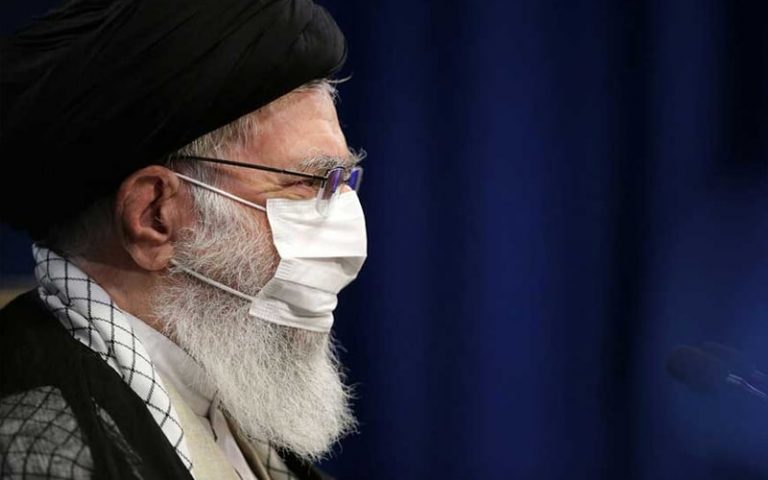
Iran’s Supreme Leader Ali Khamenei cried for healthcare workers on television on Sunday, December 20. However, it was all an act to distract people from the ten months that the ruling system has spent lying about and mishandling the pandemic. His hollow words and fake tears do not change the fact that Iranian healthcare workers have been in an impossible situation for the best part of a year, lacking the resources to fully cope with the sheer number of patients and not getting the support from the government in the form of a lockdown to slow the spread. In fact, we will now examine comments from the healthcare workers and state-run media to show just how dire the situation has been.
The Lives of 19,000 of Iran’s Nurses and Medical Staff Are in Danger
Hamdeli daily run by ‘moderate figures’ wrote on the same day about the severe lack of nursing staff, which is due in part to over 60,000 of them have contracted coronavirus and 100 have lost their lives to it. Nonetheless, this calamity is mostly the result of the authorities refusing to allocate the money to hire enough nurses to meet global minimums in the first place. “Nothing has been done for the nurses. All the promises and support are on paper. Even before the coronavirus outbreak, we were lagging in terms of the number of nurses. During the Covid-19 outbreak, this shortage of nurses became worse,” the daily quoted Home of Nurses secretary Mohammad Sharifi Moghadam as saying. On the other hand, a nurse told Farhikhtegan media outlets about their dire conditions. “We have many problems. You mean to tell me the country’s officials don’t’ know the troubles nurses face?… We face discrimination… we are struggling with our livelihoods and we can’t manage with 20-30 million [rials ($80-120)]. We don’t have job security… with have much bigger problems, but who is listening?” the media wrote on December 20. In fact, state-run television reported on Thursday that nurses have to “work at two or three hospitals” to earn a living. Since the coronavirus pandemic began in Iran, nurses have only become angrier at the government and the mullahs fear that the people would take this rage to the street. That’s why Khamenei made the live televised speech without prior notice because he wanted to undercut public anger by blaming others for the problems. He had many chances to do something real for healthcare workers but refused. He didn’t even give them all the money he promised to tackle Covid-19.
COVID-19 Turns Iran into Red Status: Health Official
Even he knows that his comments are coming too late to help healthcare workers and will not improve the current conditions.

Growing Rate of Female Porters

0
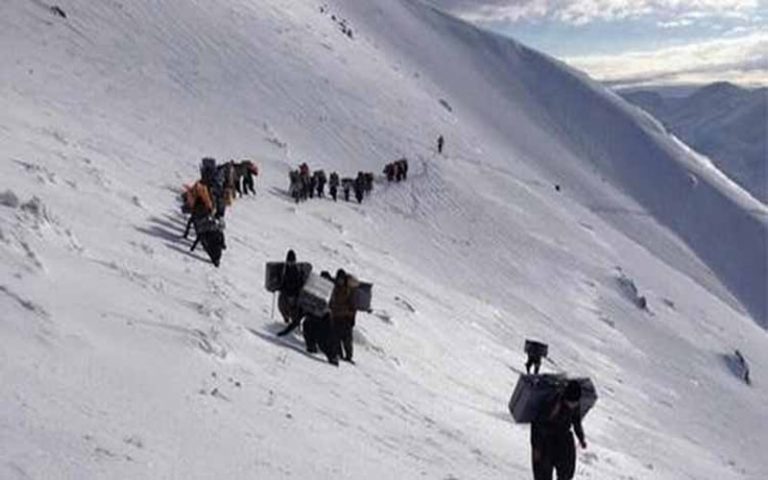
Many impoverished Iranian people living in the border regions have turned to the demanding and dangerous job of porter to make a meager living. In fact, the biggest threat comes from the government, which does not recognize the job as it encroaches on the ayatollah’s smuggling efforts and send the State Security Forces (SSF) and border guards out to patrol the area. Dozens of porters are killed each year because they are shot at by border patrols, while many more are wounded or even permanently disabled. Even those who escape are often injured through the job itself – carrying heavy loads across mountainous terrain on foot for 8 to 12 hours per day- and few last two years before they become housebound with their injuries.
Female Border Porters: A Look at Their Vile Treatment
So why would people still seek work as a porter? Because poverty and unemployment, something particularly high in the border provinces, has left them with no other choice if they want to keep their children fed. There is an increasing number of female porters, especially those who are widowed or whose husbands are disabled, who turn to the job because they have no other choice. Often the sexist laws that they live under meant they had to leave school early and without qualifications because they were married and pregnant. Many of them do not disclose their gender, do not speak to anyone, and wear men’s clothes to avoid harassment while working. They also take strong tranquilizers to manage the heavy loads because they do not want to face reduced payments. Female porter Gelareh, who works in Uraman, started work as a porter after her husband lost his leg when he was shot by security forces. “Many women work as porters. When one of the members of a family starts working as a porter, others follow suit. This becomes a family business. Working as a porter is not a popular job in this region but we have no other options,” she said. “When the husband and children of a woman work as a porter and become disabled or lose their lives, what must that woman do? How can she earn a living? So, she would also have to work as a porter. But she would not say anything to anyone. In this little town, it is disturbing for a child to hear that his/her mother is working as a porter,” she added.
Iran’s Predatory Rule and Growing Poverty
There are no statistics on female porters because of the secrecy, but we can be sure that it is only growing due to economic dilemmas. On the other hand, as Gelareh mentioned, while the government brutally targets porter and guns down hundreds every year, women have no option but involving in such hard and dangerous businesses to make ends meet.

Iran’s Predatory Rule and Growing Poverty

0
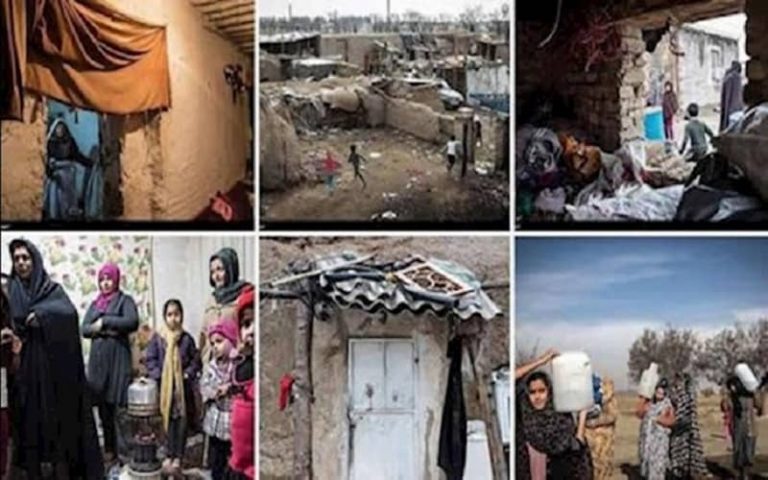
On the eve of Yalda Night, Iran’s state-run media examined the aspects of the social and economic problems of the people. Arman daily in an article entitled, “Do not shorten the breath of the workers,” pointed to the decision makings of the government which is totally against the workers’ community. “Inflation of 40 percent and perhaps higher, as well as the devaluation of the national currency and the power to cover wage costs, have left many members of the large and important working-class community with the burden of advancing economic goals and running their lives to the point of poverty,” Arman wrote. The author of the article, while pointing to the impact of the budget deficit on people’s food baskets, said that “the sick economy” of Iran “is in its worst situation.” “The budget deficit is the biggest disaster that befalls the budget of a country because this deficit must be compensated by the people, more than 40 percent of whom are working-class families,” Arman daily wrote on December 21. In the current situation, and at a time when inflation is rampant, not only the workers but also the majority of the people are struggling to make ends meet. The provision of ‘installment bread’ and ‘loaned bread’ by some people is a testament to the unprecedented bitter reality that Iran’s rulers have imposed on people’s lives. Meanwhile, the coronavirus crisis has added to the problems of the people’s livelihoods, leaving many workers and the poor, unemployed, and many of them losing their pre-crisis income.
Iran Workers Situation in Coronavirus Era
Hamdeli daily pointed to the “61-percent inflation gap and workers’ livelihood”, and while pointing to the rising commodity prices and rising living costs of the poor, especially workers, quoted a government official as saying: “The cost of housing differs from other groups in this class due to its spatial differences. In total, the cost of housing, clothing, and food is about 70 percent of workers’ incomes,” Hamdeli wrote on December 21. “These three sections are the main uses of workers that are considered in estimating the cost of living of this group. But the cost of a product basket in 2021 will be much higher than this year, which estimates the right to housing and the cost of education separately,” the daily added. The result is that workers and other poor people are getting poorer and their purchasing power is much lower than in previous years due to rising inflation and the cost of living, as well as low wages, which in many cases do not even reach one-fifth of the poverty line.
60 Million Iranians Below the Poverty Line
The Kar and Kargar daily, while pointing to the inability of workers and people to hold the simplest Yalda night ceremony, which is performed once a year, wrote: “A small Yalda dinner table for an average family of three, including a kilo of medium quality nuts, three kilos of pomegranates, and a four-kilo watermelon, costs 2.49 million rials [$9.84]. In this context, a worker must spend about one-tenth of his monthly salary only to perform one-night rituals. “If we consider the high rental rates, the cost of education and transportation, and the common costs of food, is it reasonable to spend such a large amount of money overnight for working-class households? “It seems that preserving traditions for 65 percent of the country’s population is no longer easy at all. Contract workers or those working in small and stagnant workshops cannot spend 3-4 million rials [$11.85-15.81] a night. These workers, as well as retirees who have a monthly salary of less than 30 million rials [$118.57], can no longer keep their faces straight” wrote Kar-o-Karegar daily on December 21.
Iranian People Feel Sting of High Prices